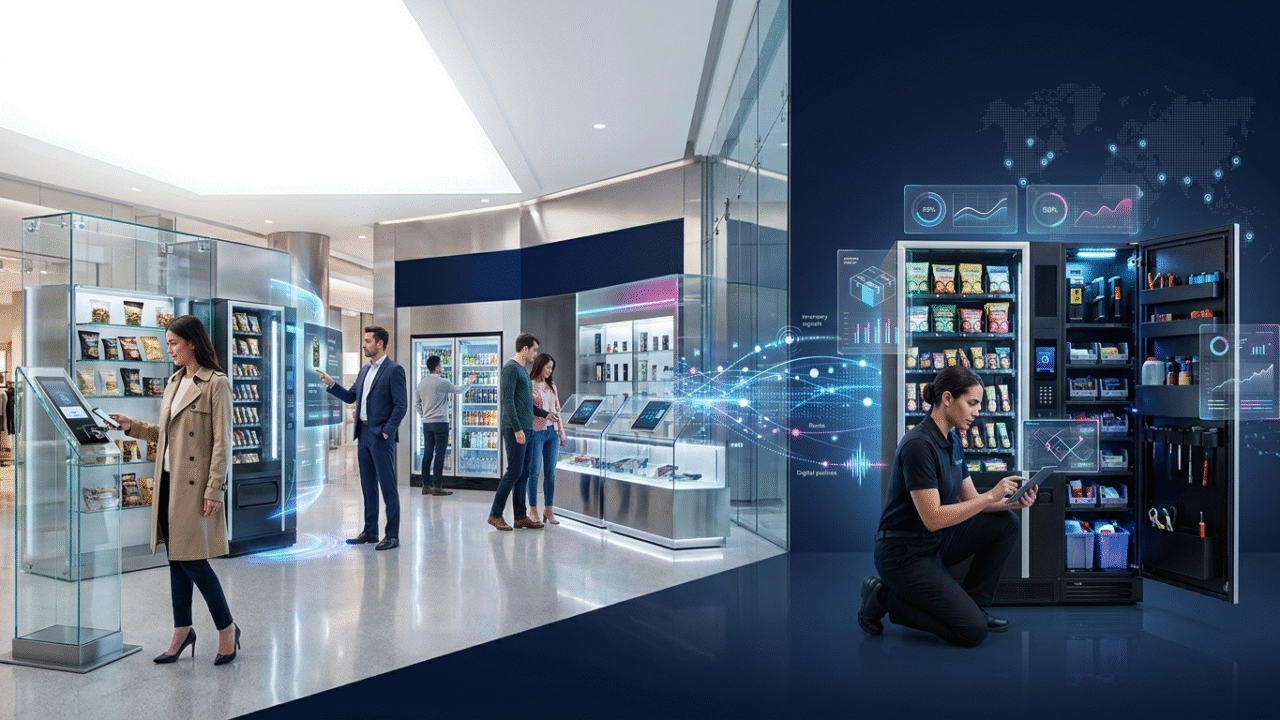




As forward-thinking brands seek innovative ways to meet consumers exactly where they are, the physical footprint of commerce is shrinking while its technological capabilities expand. But what is an automated retail kiosk beyond just a modernized vending machine?
An automated retail kiosk is a highly integrated, tech-enabled micro-storefront. Designed specifically for high-traffic, unattended environments, it brings the complete shopping experience—from product discovery to secure checkout—into a compact, standalone unit. It is a self-service retail unit that allows customers to browse, purchase, collect or interact with products without needing a traditional staffed checkout. These kiosks can support product sales, demos, pickup, service interactions or vending-style experiences.
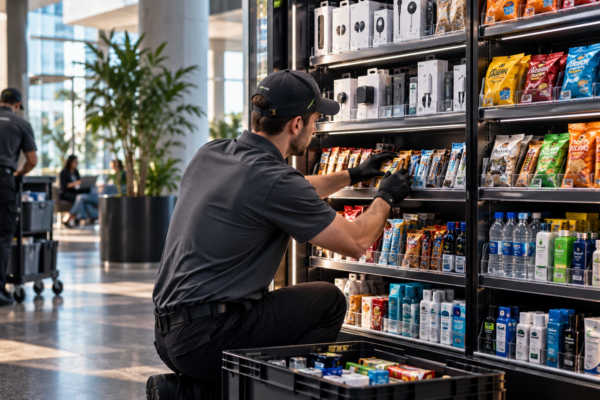
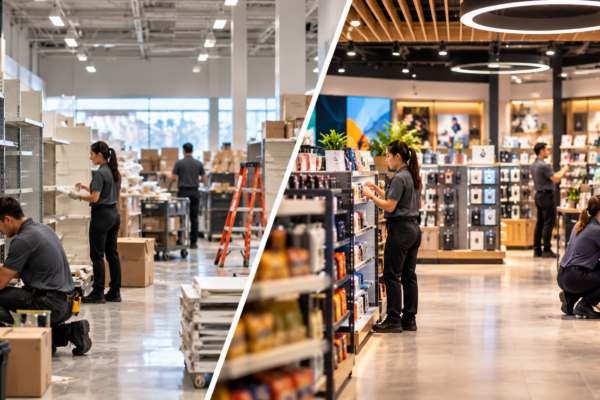
T-ROC supports automated retail kiosk programs by helping brands manage execution in the field, including replenishment, audits, merchandising, issue reporting, store-level support and operational visibility. For a deeper look at how these services work at a national scale, explore our comprehensive automated retail services.
What does an automated retail kiosk do?
An automated retail kiosk allows customers to browse, select, and purchase products without assistance from a human cashier. It combines hardware (touchscreen, payment reader, dispensing mechanism) with software that processes transactions, manages inventory, and captures sales data in real time.
These self-service units operate 24/7, accept multiple payment methods (credit cards, mobile wallets, contactless), and can be placed anywhere — malls, airports, apartment lobbies, corporate offices, hotels, or transit hubs. For brands, an automated retail kiosk functions as a small-format, unattended store that extends their physical footprint without the cost of traditional retail leases or full-time staff.
Here’s what a kiosk can do, with concrete examples:
- Product Browsing: Customers scroll through digital catalogs, view product details, compare colors or sizes, and see pricing and availability in real time.
- Self-Service Checkout: Shoppers scan items, apply discounts or loyalty points, and complete payment via credit card, mobile wallet, or QR code — all without standing in line.
- Product Dispensing: The kiosk unlocks a compartment, releases a physical item, or prints a ticket/voucher immediately after payment. Examples include electronics, cosmetics, PPE, or even hot food.
- Order Pickup: Customers enter a pickup code or scan a barcode to retrieve an online order placed earlier, reducing delivery costs and eliminating shipping wait times.
- Returns or Exchanges: Shoppers initiate a return, scan the original receipt, and drop the item into a secure return bin — all processed automatically.
- Customer Education: Interactive screens walk users through how-to videos, product specifications, usage instructions, or warranty information.
- Lead Capture: The kiosk collects email addresses, phone numbers, or loyalty sign-ups before allowing access to a promotion, sample, or demo.
- Product Demos: Touchscreens play video demos or let customers test virtual features (e.g., try on makeup via AR, test headphones audio samples, or visualize furniture in a room)
Primary Formats of Automated Kiosks
The versatility of kiosk hardware allows brands to tailor their approach based on the specific location and target demographic:
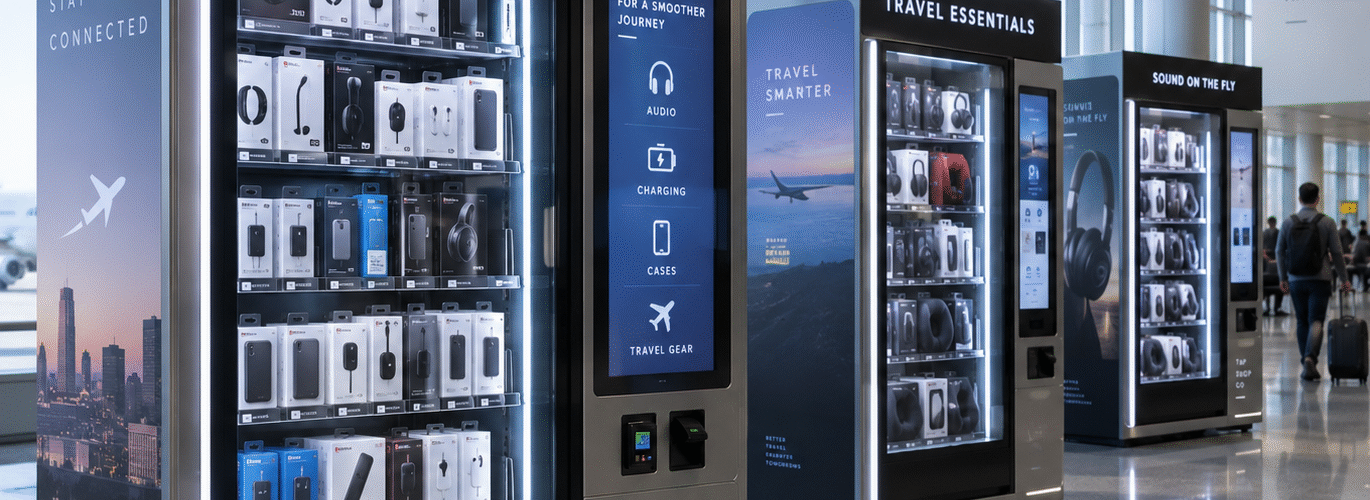
- Brand-Specific Product Kiosks: Specialized units designed for singular brand activations. These are commonly seen in airports dispensing noise-canceling headphones, premium cosmetics, or travel accessories.
- Smart Vending Kiosks: Highly advanced merchandise vending units featuring robust contactless POS technology, robotic dispensing arms (to prevent product damage), and real-time inventory tracking telemetry. Learn more about smart vending machines and automated retail.
- Experiential Kiosks: Units that integrate augmented reality (AR) or smart mirrors, allowing users to digitally interact with a product before committing to a purchase.
The Evolution: From Vending to Immersive Retail
Traditional vending relied on rudimentary coils, cash slots, and a limited selection of highly processed snacks. The modern automated retail kiosk has completely discarded this model. These systems represent the future of retail by blending cutting-edge software with premium physical goods.
Today’s kiosks utilize interactive digital displays, smart self-checkout integrations, and AI data collection to deeply enhance consumer engagement. They are designed to act as true brand ambassadors. When a consumer approaches a kiosk, they can often view high-definition product videos, read detailed ingredient lists or technical specifications, and purchase using digital wallets or biometrics.
Strategic Value for Commercial Real Estate
Deploying these kiosks is highly beneficial not just for the retail brand, but for property owners. Kiosks act as premium retail amenities that significantly enhance tenant lifestyle. In residential settings, 65% of multifamily residents highly value on-site amenities, and the presence of curated retail access can drive a notable increase in the effective rent tenants are willing to pay. By transforming a dormant lobby corner into a 24/7 convenience hub, property managers generate immediate, passive recurring revenue.
The Operational Reality: Managing at Scale
While the hardware and consumer experience are transformative, deploying these units across multiple states introduces severe operational hurdles. An unattended kiosk requires constant cellular or Wi-Fi connectivity, precise inventory monitoring, and ongoing physical maintenance.
If a high-definition touch screen freezes, a card reader drops its network connection, or a robotic dispensing arm jams, that kiosk stops generating revenue instantly. Furthermore, an out-of-order machine damages the brand’s reputation in that specific location.
This is where comprehensive, tech-driven program management becomes the deciding factor between a successful pilot and a failed rollout. Ensuring maximum uptime requires rigorous field support, routine merchandising audits to verify planogram compliance, and rapid, SLA-bound break-fix capabilities. If you are preparing to scale your self-service footprint, Talk to T-ROC About Kiosk Support to ensure your machines remain profitable, immaculately clean, and fully retail-ready 24/7.
Why Kiosk Programs Need Operational Support
Deploying a kiosk is the easy part. Keeping it profitable, reliable, and customer-friendly — that’s the real challenge. Even the most advanced kiosk fails if it’s empty, broken, outdated, or dirty. That’s where operational support becomes critical.
At T-ROC, we don’t build kiosks. Our field teams help brands scale and operate kiosk programs across hundreds or thousands of locations. We provide the field execution that turns a kiosk into a revenue-generating asset. Underpinning everything we do is Retail360, T-ROC’s proprietary AI-powered retail operations platform. It unifies inventory data, compliance checks, field team activity, and performance analytics into a single real-time dashboard — giving you visibility into every kiosk, every location, every day.
Technology alone doesn’t drive results. Execution does. T-ROC provides the on-the-ground teams, reporting systems, and operational rigor that turn kiosk programs into scalable, profitable channels. We make sure your kiosks work, stay full, and deliver a great experience — location after location.
Ready to explore how T-ROC can help you? Let’s talk! Schedule a meeting with our experts today to discover customized solutions that will revolutionize your retail operations and boost your bottom line.
Brands, retailers, and emerging products interested in exploring retail growth opportunities through T-ROC Global’s Retail Matchmaking service can contact our team Book a consultation now and step into the future of retail.
Frequently Asked Questions
What is an automated retail kiosk?
An automated retail kiosk is a tech-enabled micro-storefront designed for high-traffic, unattended environments. It combines hardware such as a touchscreen, payment reader and dispensing mechanism with software that lets customers browse, purchase, collect or interact with products without a staffed checkout.
Where are automated retail kiosks typically placed and how do they operate?
They are placed in locations such as malls, airports, apartment lobbies, corporate offices, hotels and transit hubs. Kiosks operate 24/7, accept multiple payment methods including credit cards, mobile wallets and contactless, and provide real-time inventory and sales data while enabling unattended self-service transactions.
What can an automated retail kiosk do for customers and brands?
Kiosks support product browsing, self-service checkout, product dispensing, order pickup, returns and exchanges, customer education through video or AR demos, lead capture and product demos. For brands, they extend physical presence without traditional retail leases or full-time staff.
What hardware and software components power an automated retail kiosk?
Hardware typically includes a touchscreen, payment reader, contactless or NFC capability and dispensing mechanisms or lockers. Software handles the transaction flow, inventory management, telemetry and analytics, loyalty or promotional integration, and remote monitoring.
How does T-ROC support automated retail kiosk programs?
T-ROC helps brands execute kiosk programs in the field by managing replenishment, audits, merchandising, issue reporting and store-level support, providing operational visibility at scale to ensure nationwide consistency and uptime.
More on Retail Technology & Innovation
- AI in Retail Stores: Why Physical Retail Still Wins
- Agentic AI in Retail: What Best Buy’s Strategy Signals
- Retail Automation in Distribution Centers: What Walmart’s $330M Investment Signals for the Future
- Beyond the Hype: The Real Automated Retail Trends Shaping 2026
- 2026 Retail Trends: Thriving Amidst AI Disruption and Market Shifts
T-ROC Editorial Team
The T-ROC editorial team brings 20+ years of retail industry expertise across brand ambassador programs, mystery shopping, retail merchandising, and managed technology solutions. Learn more about T-ROC.