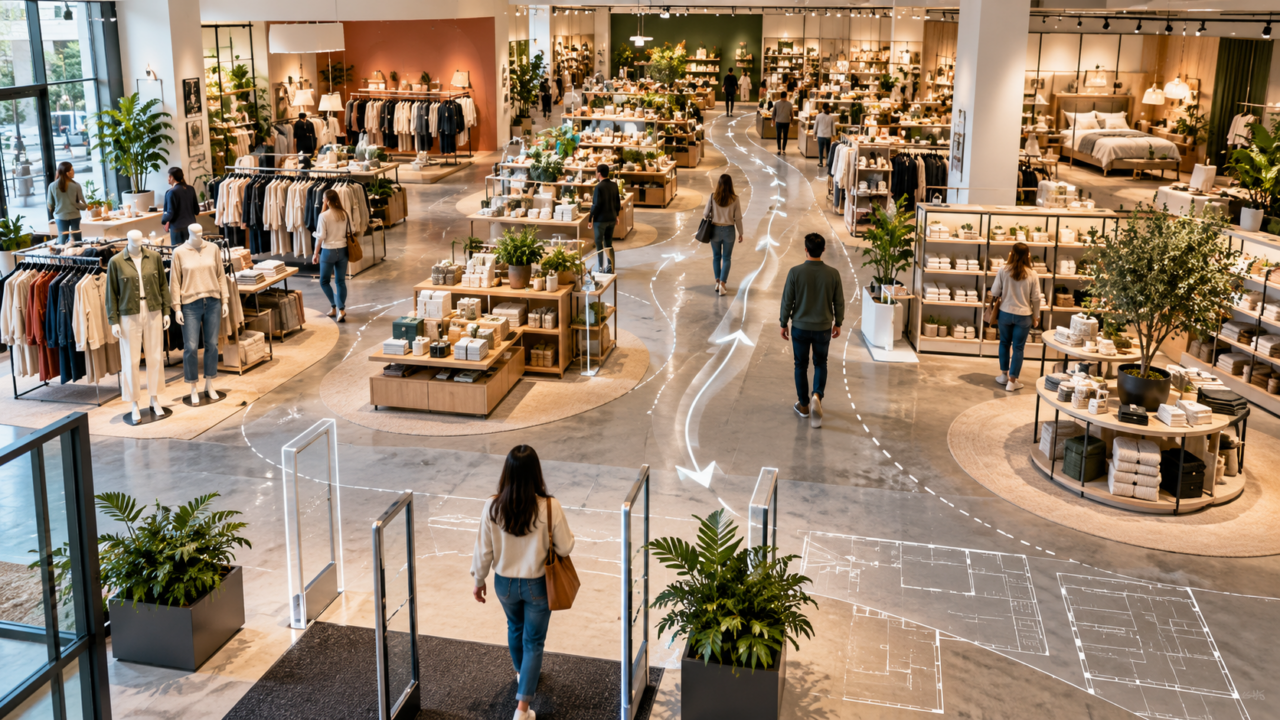

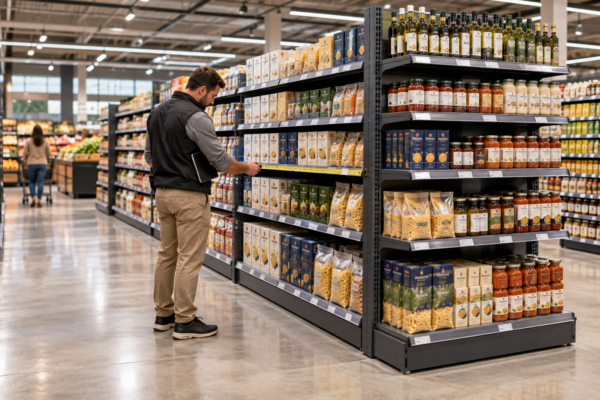


Automated retail is no longer a futuristic concept confined to trade show demos and investor pitch decks. In 2026, it is a functioning layer of the retail infrastructure — one that encompasses self-checkout kiosks, smart vending, cashierless stores, automated food lockers, and AI-driven inventory systems operating at scale in airports, hospitals, stadiums, and traditional retail footprints alike. For a comprehensive overview of the landscape, see T-ROC’s automated retail guide.
But the hype cycle around automated retail has created a dangerous gap between perception and reality. Headlines celebrate frictionless experiences and unmanned storefronts. Meanwhile, operators on the ground are navigating hardware uptime challenges, consumer adoption curves, labor reallocation decisions, and ROI timelines that look nothing like the vendor slide decks promised. The real automated retail trends shaping 2026 are not about the technology itself — they are about the operational, economic, and strategic realities of making that technology work at scale.
The State of Automated Retail in 2026: What Has Actually Changed
The most significant shift in 2026 is not the arrival of new technology — it is the maturation of existing technology into production-grade reliability. Self-checkout, once a source of constant customer frustration, has improved dramatically as retailers have invested in better UI design, weight-sensor calibration, and staffed attendant models that reduce theft without creating bottlenecks. Smart vending has moved well beyond beverages and snacks into fresh food, electronics accessories, beauty products, and even pharmacy items.
Cashierless store formats, pioneered by Amazon Go and now adopted by a growing number of grocers and convenience operators, have reached a critical inflection point. The cost of the sensor arrays and computer vision systems required to power “just walk out” technology has dropped by approximately 40% since 2023, making the economics viable for mid-size operators — not just tech giants with unlimited R&D budgets. Understanding what is retail technology in today’s context means recognizing that automation is now an operational category, not merely a technology experiment.
Yet adoption remains uneven. High-traffic, high-margin locations — airports, urban convenience, hospital campuses — have moved fastest. Traditional grocery and mass merchandise environments, where margins are thinner and SKU counts are vastly higher, are adopting automation more selectively, often starting with specific departments or use cases rather than full-store transformation.
The “Day 2” Problem: Why Operations Beats Installation
The single most important lesson the industry has learned over the past three years is that buying automated retail hardware is the easy part. Running it reliably is the hard part. This is the “Day 2” problem, and it is reshaping how operators evaluate and deploy automation investments.
A self-order kiosk that crashes twice a day during lunch rush is worse than no kiosk at all — it creates friction, confuses customers, and undermines staff confidence in the technology. An automated locker system that jams on every fifth order generates more support tickets than the labor it was supposed to save. The metric that separates successful automated retail deployments from expensive failures is uptime, and maintaining 98%+ uptime across a national fleet requires dedicated operational infrastructure: remote monitoring, predictive maintenance schedules, parts inventory management, and field technician coverage.
This operational reality is why the automated retail trends that matter in 2026 are less about new hardware categories and more about the maturation of the service and support ecosystems around them. Retailers are increasingly evaluating automation vendors not just on feature sets but on their maintenance SLAs, connectivity guarantees, and field service capabilities. For a broader view of where technology fits into the retail operating model, T-ROC’s retail technology guide provides a practical framework.
Consumer Adoption: What Shoppers Actually Want from Automation
Consumer attitudes toward automated retail have matured alongside the technology. The novelty factor has faded. Shoppers in 2026 do not use a self-checkout kiosk because it feels futuristic — they use it because it is faster than waiting in line. They do not choose a cashierless store because of the technology — they choose it because the location is convenient and the experience is reliable.
This pragmatic shift has important implications for how retailers design automated experiences. The winning automated retail deployments in 2026 share three characteristics: they reduce wait time, they do not require the customer to download an app or create an account to complete a basic transaction, and they have a clear human fallback when something goes wrong. The third point is especially important. Consumer trust in automated systems is directly correlated with their confidence that a human will intervene if the technology fails.
Demographic patterns in adoption are also worth noting. Younger consumers (18–34) show the highest comfort with fully automated formats. But the fastest-growing adoption segment is actually 45–60-year-old shoppers who have become comfortable with self-checkout and mobile ordering through pandemic-era habit formation and now expect those options as a baseline. The brands and retailers tracking retail trends 2026 recognize that automation adoption is no longer a generational story — it is a convenience story.
AI-Powered Shelf Monitoring and Inventory Automation
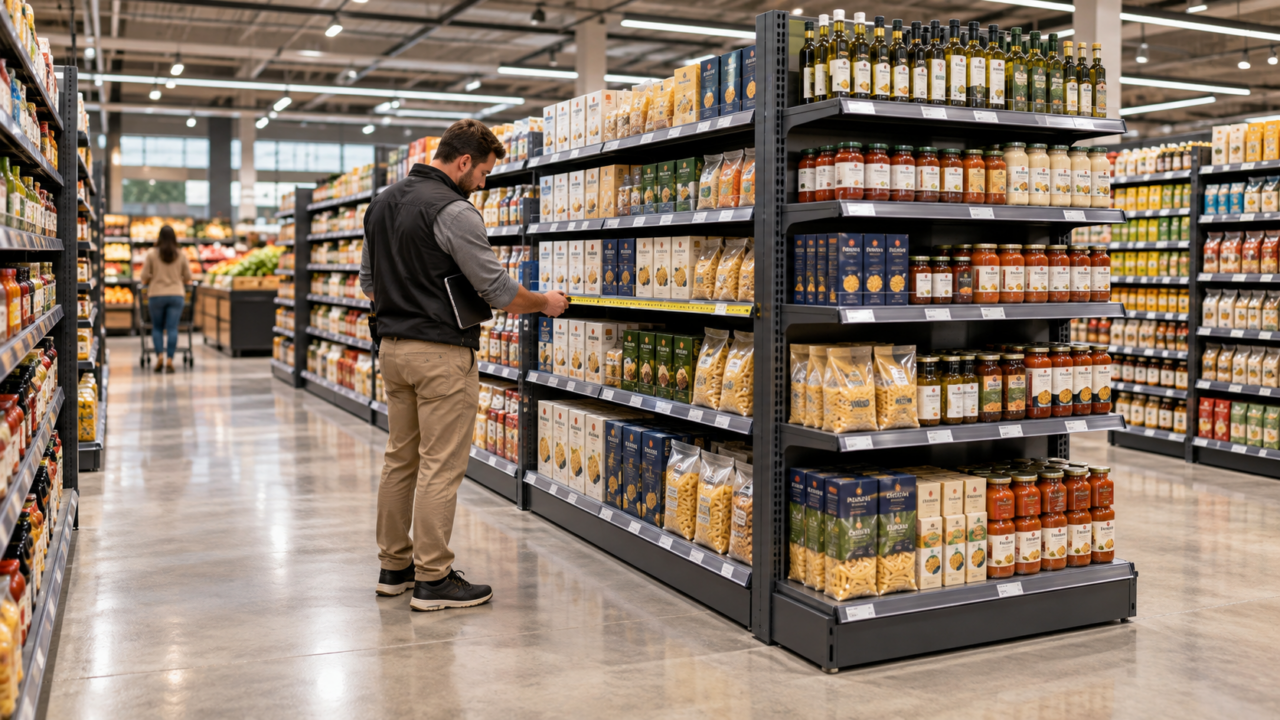
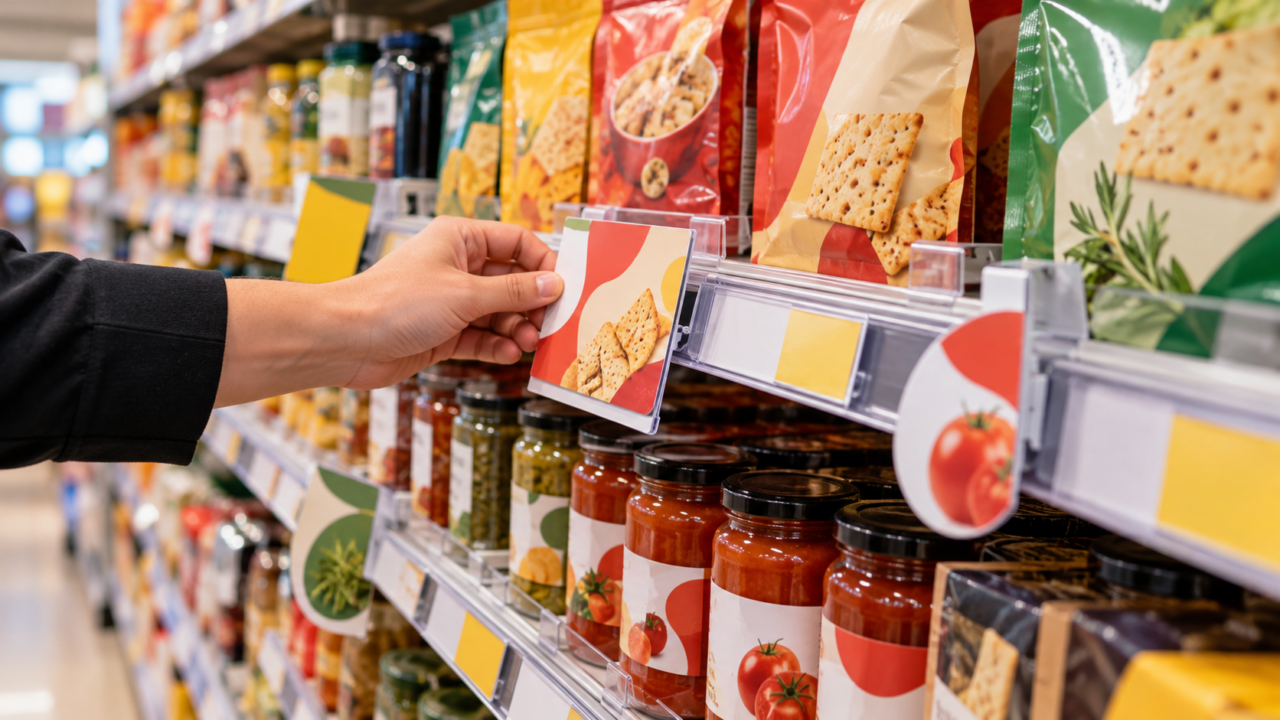
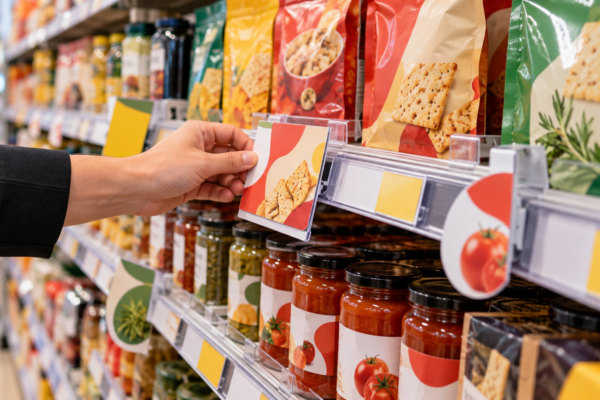
One of the most consequential automated retail trends in 2026 is the deployment of AI-powered shelf monitoring systems that detect out-of-stock conditions, planogram compliance failures, and pricing discrepancies in real time. These systems use a combination of ceiling-mounted cameras, shelf-edge sensors, and computer vision algorithms trained on millions of product images to continuously scan the store floor without human intervention.
The business case is compelling. Industry research consistently shows that out-of-stock events cost retailers between 2% and 4% of annual revenue. Traditional audit-based approaches — sending a human to walk the aisle with a clipboard or a mobile app — can only capture a snapshot at the moment of the visit. AI-powered monitoring captures a continuous feed, identifying gaps within minutes of occurrence and routing restocking alerts directly to floor associates or backroom teams.
Inventory automation extends beyond the shelf. Autonomous inventory-scanning robots — deployed by retailers including Walmart, Sam’s Club, and several European grocery chains — now traverse store aisles on scheduled routes, capturing shelf-level data that feeds directly into replenishment algorithms. These robots do not replace associates; they replace the most tedious and error-prone element of manual inventory management: the count itself. The associate’s role shifts from counting to acting on the count — pulling product from the backroom, correcting shelf placement, and resolving exceptions that the system flags.
For brands that rely on in-store execution to drive sell-through, AI shelf monitoring also provides unprecedented visibility into how their products are actually being merchandised across thousands of locations. Compliance data that once required weeks of field audits to compile can now be generated daily, enabling faster corrective action and more informed conversations with retail buyers.
Kiosk Economics: The ROI Model for Retailers
The financial case for kiosk deployment has shifted dramatically as hardware costs have declined and the operational playbook has matured. Understanding kiosk economics in 2026 requires moving beyond the simplistic “labor replacement” narrative that dominated early discussions and examining the full ROI model.
A typical self-order kiosk in a quick-service or fast-casual restaurant environment costs between $3,000 and $8,000 for hardware, plus $150–$300 per month in software licensing, connectivity, and maintenance. Against that cost, operators consistently report 15–25% higher average order values from kiosk transactions compared to counter orders, driven by upsell prompts, visual menu presentation, and the removal of perceived social pressure that causes customers to simplify their orders at a human register.
In retail environments, the ROI equation looks different. Self-checkout kiosks reduce per-transaction labor cost but require attendant staffing to manage exceptions, prevent theft, and assist customers. The net labor savings are real but more modest than vendors often project — typically 20–30% reduction in front-end labor hours rather than elimination. The more significant ROI driver in retail is throughput: kiosk-equipped stores process more transactions per hour during peak periods, reducing queue abandonment and capturing revenue that would otherwise walk out the door.
Smart vending and automated retail units in non-traditional locations — office lobbies, transit hubs, university campuses — present the clearest ROI case. These units generate revenue in locations where a staffed retail presence is economically impossible. A well-placed smart vending unit generating $800–$1,500 per week in a high-traffic location can achieve payback on a $15,000–$25,000 hardware investment within 6–12 months, with gross margins of 40–60% on the products sold.
The retailers achieving the strongest returns from automation are those that model total cost of ownership — including maintenance, connectivity, software updates, and field service — rather than just comparing hardware cost to labor savings. The “Day 2” costs are real, and ignoring them in the initial ROI model is the single most common reason automated retail deployments underperform financial projections.
The Human-Automation Balance: Why People Still Matter
The most counterintuitive automated retail trend in 2026 is that the most successful automated environments are also the ones with the most intentional human staffing strategies. Automation does not eliminate the need for people — it changes what people do.
In a fully automated convenience store, there are no cashiers. But there are merchandising associates who restock, a remote monitoring team that manages uptime, field technicians who service hardware, and a customer experience team that handles exceptions. The labor model shifts from transactional to operational and technical. This shift requires different hiring profiles, different training programs, and different performance metrics than traditional retail staffing.
Retailers that have struggled with automated retail deployments most often cite staffing and training gaps — not technology failures — as the primary cause of underperformance. The kiosk works. The locker works. The computer vision works. But no one on the floor knows how to troubleshoot a jam, reboot a frozen terminal, or calmly guide a confused customer through a self-service flow. The human layer around the technology is what determines whether the customer experience is seamless or frustrating.
What Comes Next: Automated Retail Trends to Watch Through 2027
Several emerging trends will shape the next phase of automated retail evolution. Autonomous delivery integration — where in-store automation connects directly to last-mile delivery robots or drone networks — is moving from pilot to production in select urban markets. Personalization engines that recognize returning customers (with explicit consent) and customize kiosk interfaces, product recommendations, and pricing offers are gaining traction in loyalty-heavy formats.
Perhaps most significantly, the convergence of automated retail and physical retail media networks is creating a new revenue stream. Digital screens on kiosks, smart vending units, and self-checkout terminals are becoming programmable advertising surfaces that generate media revenue from CPG brands — effectively turning automated retail hardware into a profit center beyond the products it sells.
The retailers and brands that will lead in automated retail through 2027 and beyond are not those with the most advanced technology. They are those with the most disciplined operational execution, the clearest ROI frameworks, and the strongest human teams supporting the machines. For organizations navigating this landscape, a solid foundation in retail technology strategy and retail trends 2026 planning is essential to making automation investments that deliver lasting value.
Frequently Asked Questions About Automated Retail Trends
What are the biggest automated retail trends in 2026?
The most impactful automated retail trends in 2026 include AI-powered shelf monitoring and inventory automation, the maturation of cashierless store economics, smart vending expansion into non-traditional locations, and the growing importance of operational uptime as the defining success metric for automated deployments. The focus has shifted from technology novelty to operational reliability and measurable ROI.
How much does it cost to deploy automated retail kiosks?
Hardware costs for a self-order or self-checkout kiosk typically range from $3,000 to $8,000 per unit, with ongoing monthly costs of $150 to $300 for software licensing, connectivity, and maintenance. Smart vending units with advanced features can cost $15,000 to $25,000. Total cost of ownership — including field service, parts replacement, and software updates — should be modeled over a 3- to 5-year lifecycle to accurately project ROI.
Will automated retail replace human workers?
Automated retail changes the nature of retail work rather than eliminating it. Transactional roles like cashiering decline, but demand increases for merchandising associates, field technicians, remote monitoring specialists, and customer experience staff who manage exceptions. The most successful automated retail environments pair technology with intentional human staffing strategies that ensure reliability and customer satisfaction.
What is the ROI timeline for automated retail investments?
ROI timelines vary by format. Smart vending units in high-traffic non-traditional locations can achieve payback in 6 to 12 months. Self-checkout kiosks in retail stores typically show positive ROI within 12 to 18 months when throughput gains and labor reallocation are factored in. Cashierless store conversions have longer payback periods of 18 to 36 months but generate stronger long-term returns through labor model transformation and retail media revenue.
How does AI shelf monitoring improve retail operations?
AI-powered shelf monitoring uses computer vision and sensor arrays to continuously scan store shelves for out-of-stock conditions, planogram compliance failures, and pricing errors. Unlike manual audits that capture a single snapshot per visit, AI monitoring detects issues within minutes of occurrence and routes alerts directly to floor teams. This continuous visibility reduces out-of-stock losses, improves compliance rates, and gives brands real-time data on how their products are merchandised across thousands of locations.
See also: Retail Technology Trends 2026: What’s Actually Working