




The landscape of modern commerce is undergoing a structural transformation, driven by consumer demand for speed, convenience, and frictionless transactions. For big-box retailers, property managers, and brands looking to scale their physical footprint without signing massive real estate leases, adopting new technology is non-negotiable. However, navigating this space requires a clear understanding of the terminology. Knowing the precise distinction between automated retail vs retail automation is the crucial first step in building a sustainable, tech-driven commercial strategy.
Defining Automated Retail: The Physical Storefront
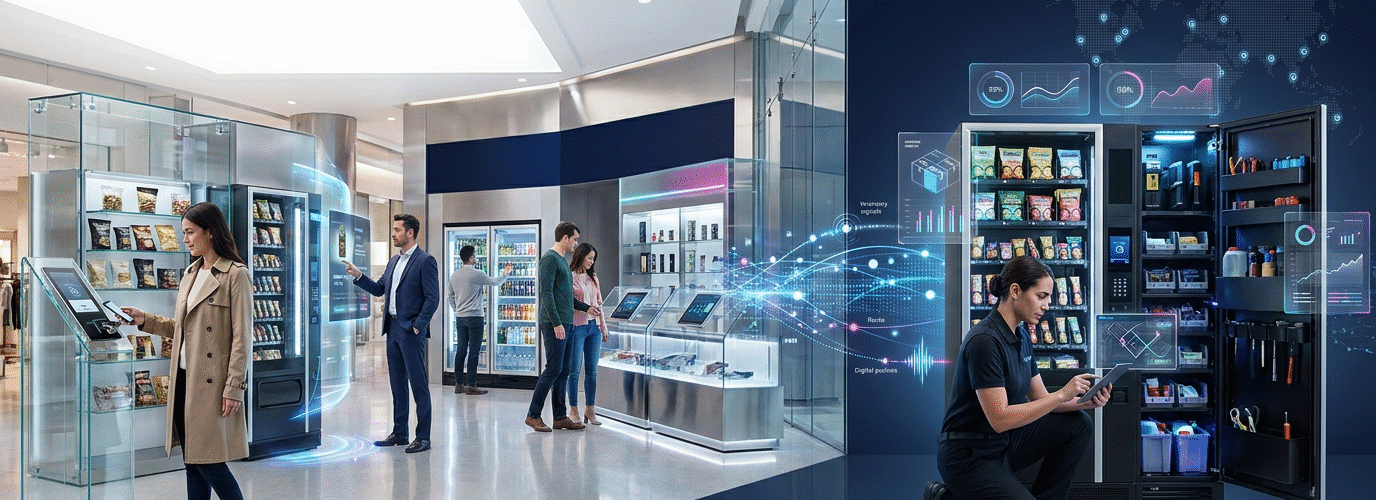
Automated retail refers to the physical, consumer-facing touchpoints where shoppers discover and purchase goods without interacting with traditional human cashiers. This ecosystem blends digital and physical omnichannel experiences directly at the point of sale.
These installations are standalone, revenue-generating amenities. They are designed to transform passive, underutilized square footage into profitable community hubs. An automated retail footprint comes in many forms, including:
- Product Kiosks: Brand-specific dispensing units for high-value items like electronics or premium cosmetics.
- Smart Vending Machines: Refrigerated or ambient units equipped with interactive digital displays and touchless payment gateways. Learn more aboutsmart vending machines and automated retail.
- Micro-Markets: Open-concept, unattended spaces utilizing self-checkout tablets, ideal for corporate offices or luxury multifamily properties.
- Immersive Tech: Installations utilizing smart mirrors and augmented reality (AR) technology to allow consumers to digitally “try on” or explore products before buying.
The primary goal of automated retail services is to create a seamless Product-to-People (P2P) omnichannel. It extends a brand’s offerings directly into the spaces where consumers live, work, and travel.
Defining Retail Automation: The Invisible Engine
Retail automation, conversely, focuses entirely on backend operational efficiency. It encompasses the software, artificial intelligence algorithms, and structural systems that streamline daily operations. It is the technology that makes the physical storefront viable.
If automated retail is the vehicle, retail automation is the engine under the hood. Key components of retail automation include:
- Inventory Management Software: Cloud-based systems that track stock levels in real-time across thousands of remote locations.
- Data Analytics: AI-driven platforms that analyze purchasing trends, predict stockouts, and optimize merchandising planograms based on localized consumer behavior.
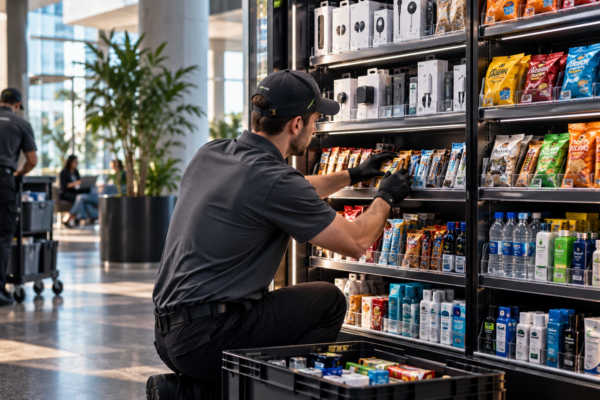
- Supply Chain Logistics: Automated routing software that dictates when and where field technicians need to deploy for restocking.
- Telemetry and Diagnostics: Systems that monitor the hardware health of a kiosk, alerting operators if a compressor fails or a credit card reader loses connectivity.
A Side-by-Side Comparison
The Convergence: Why Scaling Requires Both
Successful commercial programs do not choose one concept over the other; they must integrate both seamlessly. Deploying a fleet of stunning smart vending machines (automated retail) without robust backend data collection (retail automation) inevitably leads to empty shelves, expired products, and damaged brand equity.
Conversely, having world-class inventory software is useless if you do not have the physical retail touchpoints to capture the sale.
Scaling these technologies across a national footprint requires a unified approach. It demands a partner capable of providing tech-driven solutions to ensure maximum hardware uptime, rapid break-fix responses, and meticulous, data-backed merchandising support. We encourage brands to Explore Automated Retail Services to understand how combining frontend hardware with elite backend operational execution drives sustainable revenue growth.
Whether you are launching a network of micro-markets or expanding a fleet of high-end kiosks, treating automated retail and retail automation as a cohesive strategy ensures your brand performs flawlessly, store after store.
Launching Automated Retail is More Than Installing Machines
Technology alone doesn’t generate sustainable revenue. A smart screen or a sleek kiosk means nothing if it’s empty, broken, or delivers a poor customer experience.
The real challenge begins after installation. To make automated retail profitable and scalable, brands need more than hardware. They need field execution, support teams, replenishment, issue resolution, reporting, quality checks, and uptime support.
At T-ROC, we don’t manufacture machines. We don’t sell kiosks or software. We help brands scale and operate automated retail programs nationwide.
The key message is simple: T-ROC field-teams makes machines work, stay full, generate revenue, and grow. Without solid operations, even the best technology is just a museum piece.
Ready to explore how T-ROC can help you? Let’s talk! Schedule a meeting with our experts today to discover customized solutions that will revolutionize your retail operations and boost your bottom line.
Brands, retailers, and emerging products interested in exploring retail growth opportunities through T-ROC Global’s Retail Matchmaking service can contact our team Book a consultation now and step into the future of retail.
Frequently Asked Questions
What is the difference between automated retail and retail automation?
Automated retail refers to the physical, consumer-facing touchpoints such as kiosks, smart vending machines, micro-markets and immersive tech, where customers buy without a traditional cashier. Retail automation is the backend engine: cloud inventory systems, AI analytics, logistics routing and telemetry that keep those storefronts stocked, healthy and efficient.
What are common examples of automated retail?
Common examples include brand product kiosks for high-value items, refrigerated or ambient smart vending machines with touchless payments, unattended micro-markets using self-checkout tablets, and immersive installations using smart mirrors or augmented reality.
What technologies are included in retail automation?
Retail automation includes cloud-based inventory management, AI-driven data analytics and planogram optimization, automated supply-chain and routing software for restocking, and telemetry and diagnostics that monitor hardware health and connectivity.
Why do retailers need both automated retail and retail automation to scale?
Deploying physical units without robust backend systems leads to stockouts, maintenance problems and poor customer experience. Combining automated retail with retail automation enables real-time inventory, predictive restocking, efficient field operations and data-driven merchandising, which is what makes a scalable, profitable program possible.
What operational needs should operators plan for when launching automated retail?
Operators should plan for on-site support and machine maintenance, scheduled inventory replenishment, site audits, system integration and data synchronization across locations, plus monitoring and alerts for hardware failures or payment issues, backed by analytics to optimize assortment and routing.
More on Retail Technology & Innovation
- AI in Retail Stores: Why Physical Retail Still Wins
- Agentic AI in Retail: What Best Buy’s Strategy Signals
- Retail Automation in Distribution Centers: What Walmart’s $330M Investment Signals for the Future
- Beyond the Hype: The Real Automated Retail Trends Shaping 2026
- 2026 Retail Trends: Thriving Amidst AI Disruption and Market Shifts
T-ROC Editorial Team
The T-ROC editorial team brings 20+ years of retail industry expertise across brand ambassador programs, mystery shopping, retail merchandising, and managed technology solutions. Learn more about T-ROC.
