





Automated retail promises a tempting vision: stores that sell around the clock with no cashier, no line, and seemingly no staff. Self-checkout lanes, smart vending, and cashierless formats are spreading fast — and the marketing often makes them sound completely hands-off. But anyone who actually operates these systems at scale knows the truth: automated retail doesn’t run itself.
The technology handles the transaction. Everything around the transaction — keeping units stocked, working, clean, and merchandised — still depends on people in the field. Understanding that operational reality is the difference between an automated retail program that prints money and one that quietly bleeds it.
The Myth of “Unattended” Retail
“Unattended” describes the moment of sale, not the operation behind it. A vending unit, self-checkout bank, or micro-market is a physical asset sitting in the real world, and the real world is messy. Products sell out. Machines jam. Screens freeze. Card readers fail. Shelves get disorganized. Spills happen. Each of those events, left unaddressed, turns a revenue-generating asset into a dead box that frustrates customers and trains them not to come back.
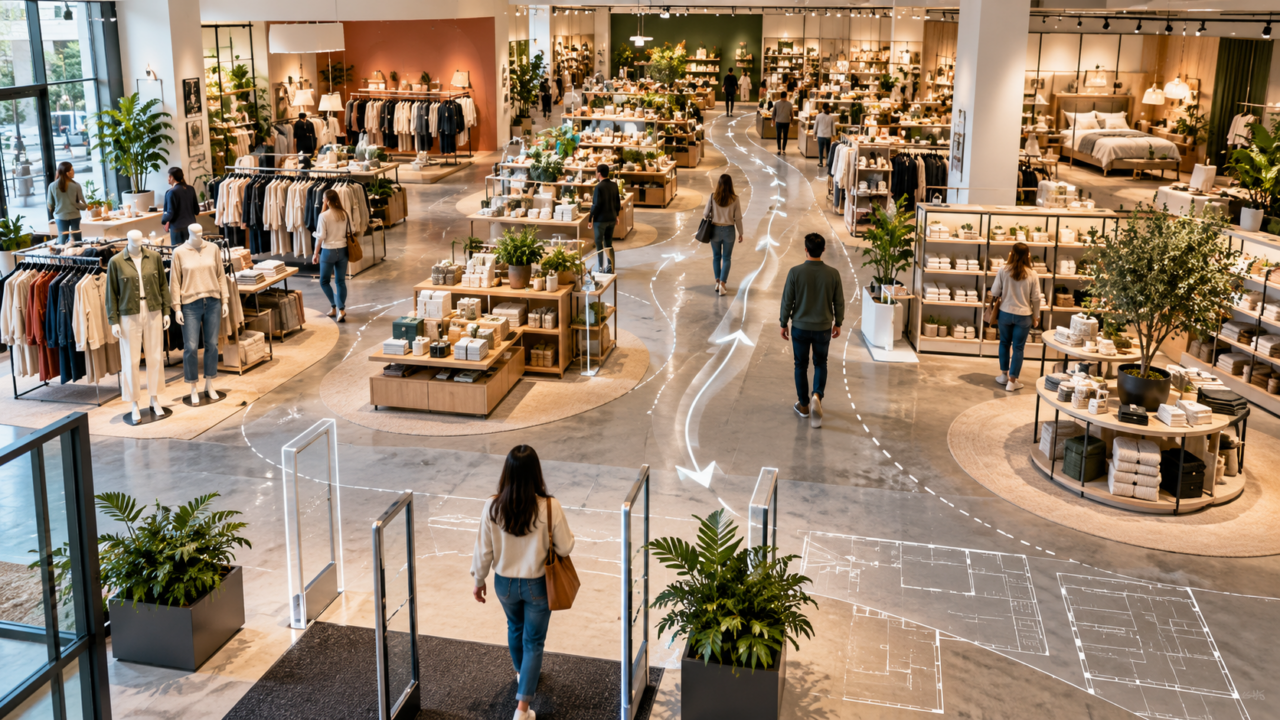
The more automation a retailer deploys, the more physical touchpoints there are to maintain — often spread across dozens or hundreds of locations. Automation doesn’t remove the operational workload; it distributes and changes it.
What Actually Keeps Automated Retail Running
Restocking and replenishment
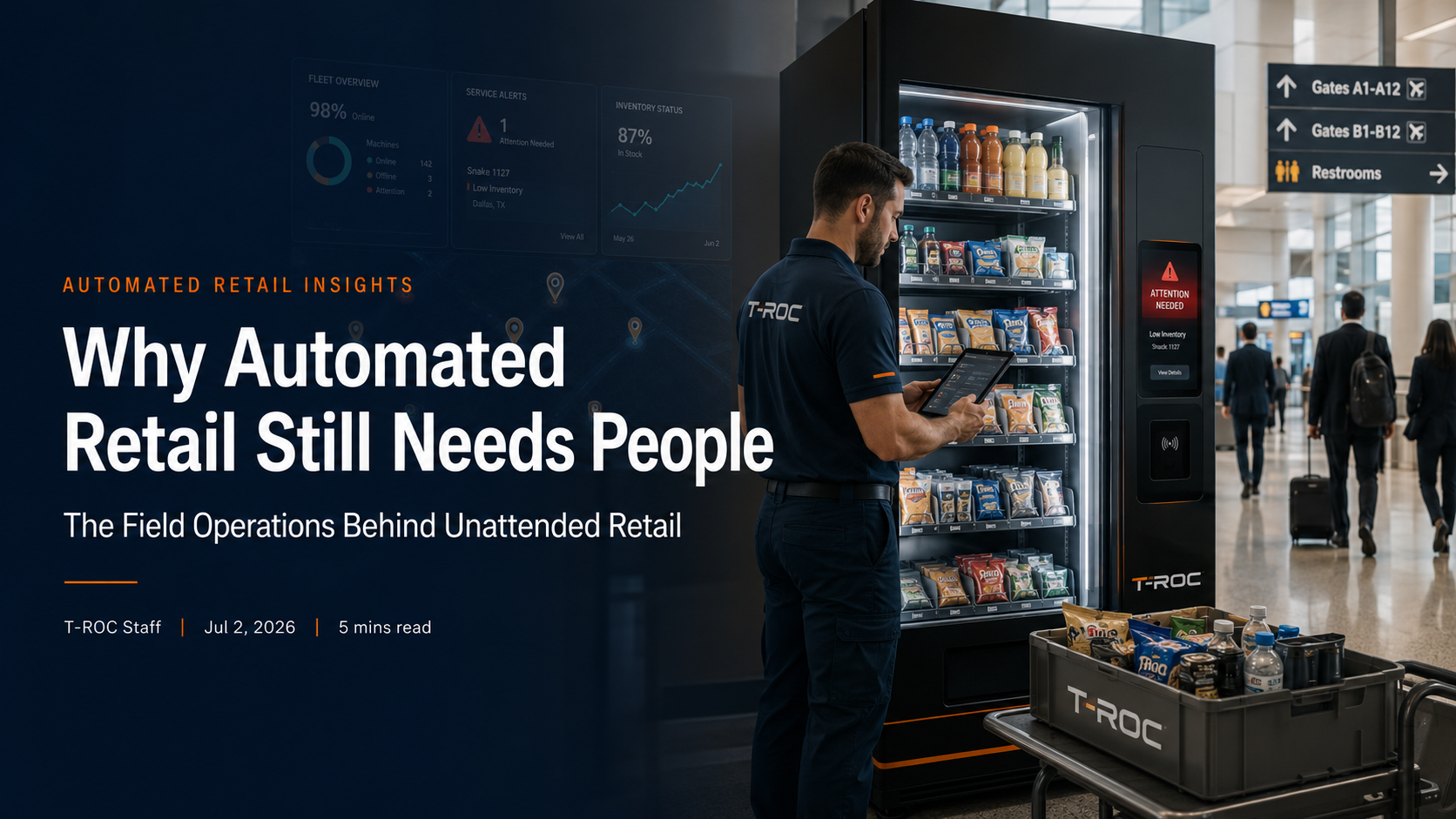
An empty machine earns nothing. The single biggest driver of lost automated-retail revenue is out-of-stocks. Effective programs use sales data to predict demand and dispatch field teams to replenish before popular items run dry — not after a customer walks away disappointed.
Maintenance and uptime
Every hour a unit is down is revenue lost and trust eroded. Hardware fails, software glitches, and payment systems go offline. Fast break-fix response — someone who can diagnose and repair on-site quickly — is what separates a reliable network from an unreliable one. Uptime is the KPI that quietly determines profitability.
Merchandising and planogram compliance
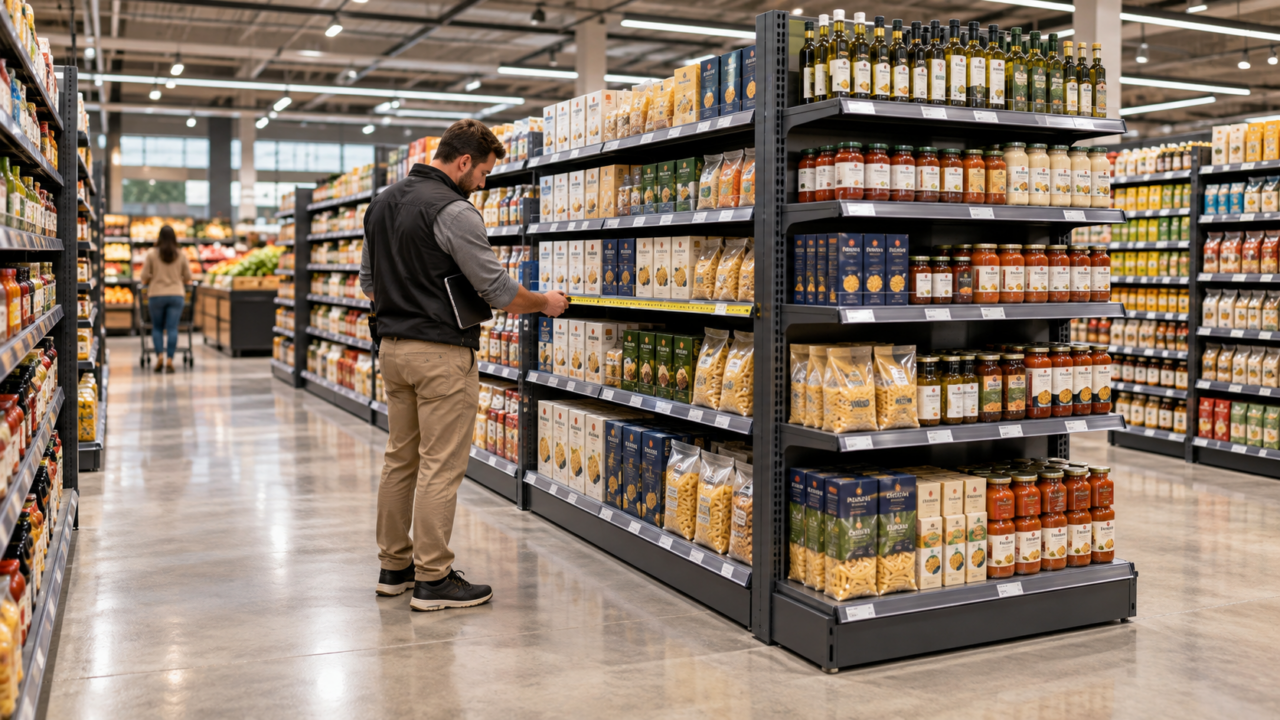
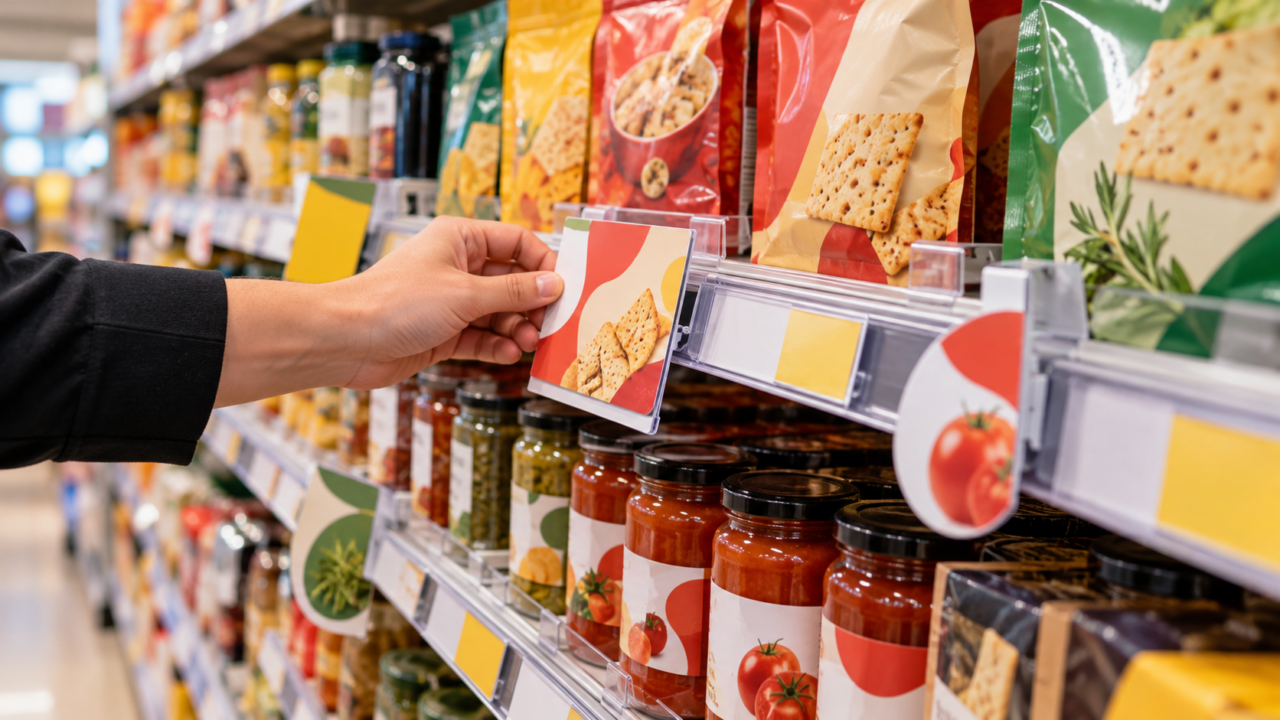
Even automated formats sell better when they’re well-merchandised. Product placement, facing, pricing accuracy, and promotional setups all influence conversion. A machine stocked haphazardly underperforms one that’s organized to guide the buyer — the same merchandising discipline that drives sales on a traditional shelf.
Cleanliness and presentation
Shoppers judge automated units on appearance. A dusty, smudged, or cluttered machine signals neglect and suppresses sales. Consistent cleaning and upkeep protect the brand experience at every location.
Loss prevention and monitoring
Automated doesn’t mean invulnerable. Shrink, fraud, and tampering still occur. Remote monitoring plus periodic physical checks keep losses in check and surface problems before they compound.
Data and continuous optimization
The best automated retail programs treat every unit as a data source — tracking sell-through, downtime, and location performance, then adjusting assortment and service routes accordingly. But data only creates value when someone acts on it in the physical world.
The Real Cost of “Set It and Forget It”
Retailers who deploy automated retail and assume it will run untended are usually surprised by the results. The failure mode is rarely dramatic — it’s slow. A few machines out of stock, a couple down for repair, several looking neglected, and the network’s revenue quietly slides while the assets keep depreciating. Because no single failure is catastrophic, the erosion often goes unnoticed until the numbers force a reckoning.
The math is simple: an automated unit only earns when it’s stocked, working, clean, and appealing. Miss any one of those and that location’s ROI collapses — no matter how advanced the technology inside.
The Winning Model: Technology + Field Execution
The retailers succeeding with automated retail aren’t choosing between technology and people — they’re combining them. The machines provide 24/7 selling and rich data. Trained field teams provide the physical execution that keeps those machines performing: replenishing, repairing, merchandising, cleaning, and reporting back what the data alone can’t see.
This is exactly where a dedicated execution partner earns its keep. Managing restock routes, break-fix response, and merchandising across a distributed fleet of units is an operational discipline in its own right. T-ROC’s automated retail solutions and field teams exist to close that gap — turning unattended technology into a network that actually delivers on its promise.
Frequently Asked Questions
Does automated retail really require field staff if sales are cashierless?
Yes. Unattended describes the moment of sale, not the operation behind it. Field staff keep units stocked, repaired, clean and merchandised, all of which are essential to keeping a machine producing revenue and customers returning.
What are the most common problems that operators must manage?
Common issues include out-of-stocks, jams or hardware failures, payment terminal glitches, dirty or disorganized displays, and shrink or tampering. Left unaddressed, these problems turn a revenue-generating asset into a nonperforming one.
How do operators prevent out-of-stocks and lost sales?
Effective programs use sales and telemetry data to predict demand and dispatch replenishment teams proactively. Scheduled restocking guided by sell-through data reduces the single biggest driver of lost revenue: empty machines.
How important is uptime and how is it managed?
Uptime is a primary KPI because every hour a unit is down is lost revenue and eroded trust. Fast break-fix response, remote monitoring and preventative maintenance keep units operational and minimize downtime.
How do teams handle merchandising, cleanliness and loss prevention?
Field teams maintain planogram compliance, facing, pricing accuracy and promotional setups to boost conversion. Regular cleaning preserves the brand experience, while remote monitoring plus periodic physical checks limit shrink, fraud and tampering.
Automation Sells — Execution Delivers
Automated retail is one of the most exciting shifts in the industry, and its growth is well earned. But the brands that win won’t be the ones that simply buy the machines. They’ll be the ones who pair the technology with the field execution to keep every unit stocked, running, and selling. The transaction may be unattended — the operation never is.