




Retail Operations Management
A deep dive into running a profitable retail business brought to you by The Revenue Optimization Companies (T-ROC)
Retail operations management is a big-picture term that describes the processes and activities by which brands, retailers, store owners, managers, and customer service professionals go about building a sales and revenue-rich retail business.
Essentially, retail operations management measures how effectively all the components of retail operations – strategies, best practices, technology, customer engagement, inventory management, promotions, marketing, sales channels, you name it – work together to deliver a sustainable competitive edge and long-term profitability.
Yeah, it’s a lot. In fact, some might say it’s everything.
That’s exactly why we decided to offer up some of our own retail management insight. We’re The Revenue Optimization Companies, but our friends call us T-ROC, and for decades, we’ve made it our mission to study, streamline, improve, integrate and innovate retail operations management.
Our Founder and CEO, Brett Beveridge, is a pretty legendary retail entrepreneur, and the pioneering spirit he used to launch T-ROC is still what drives the company today.
In fact, he says it like this, ”We’re a company of entrepreneurs. Everybody at T-ROC is encouraged to be an agent of change for our clients. Retail is changing more rapidly than at any time in our history, so, our job as a management partner is to consistently position our clients ahead of the curve. That means optimizing every area of operations, and that’s what we do at T-ROC.”
We think this puts us in a unique position to both explain retail management operations, and, perhaps, provide a few helpful tips to make it work harder for your business. As you can imagine, most of our free consultations are far more comprehensive than this article, however, there are a few critical areas of retail operations worth sharing here. We hope they help your business.
Interested in learning how to drive performance across your retail operations? Then, consider learning more about T-ROC.
Key Components Of Retail Operations Management
Here are some core management areas related to virtually every retail business. We’ll dig deeper into a few of them in the next sections and show you how they work in tandem to drive performance.
Contact Us For A Free Consultation
People: Store Staff And Field Teams
Staffing is arguably the most critical component of effective retail operations. After all, the people on your team are the very people who’ll be implementing the management decisions driving your business.
Store Staff
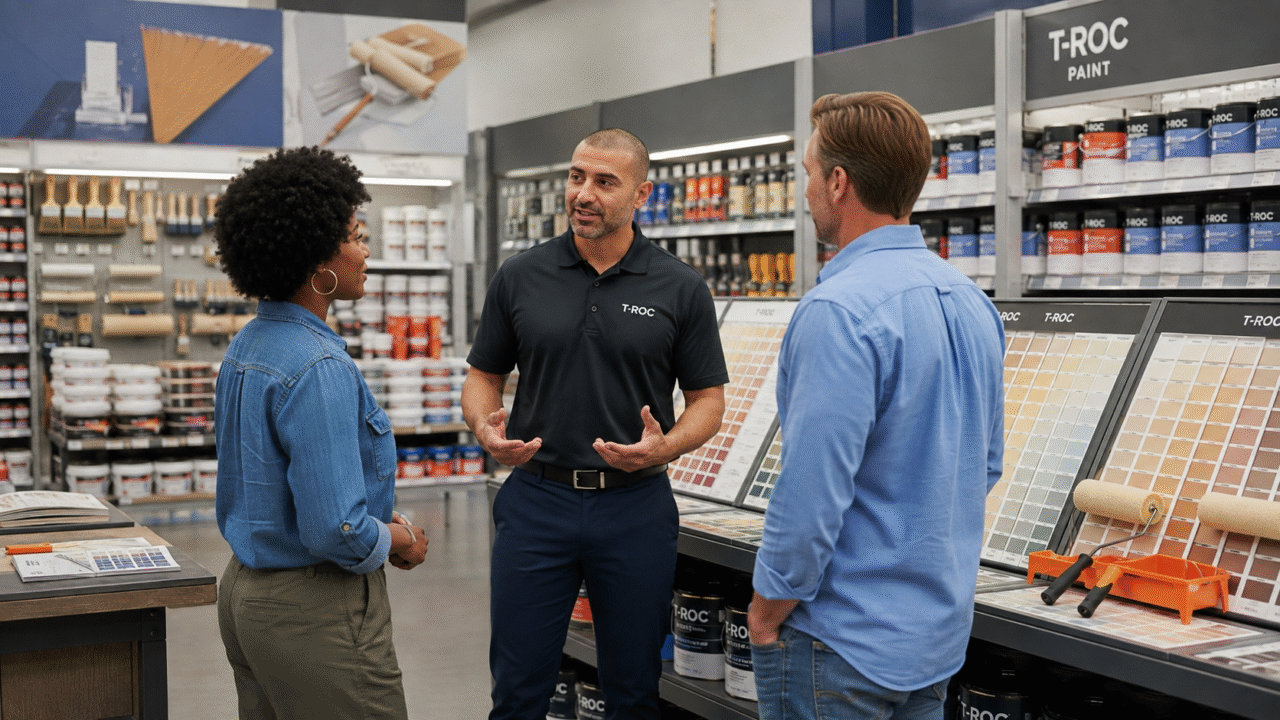
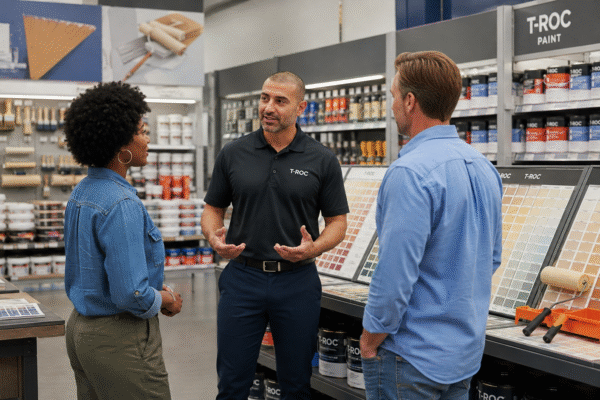
Your in-store sales teams become the face of your business. They represent your brand or store to customers, and if they’re not doing their jobs properly then everything else falls by the wayside. Some questions to ask yourself:
-
-
- How well do your teams understand your products?
- Are they friendly and helpful?
- Do they know how to sell? Or do they merely ring up transactions?
- Are they properly incentivized to perform?
- If a customer has an issue are they empowered and able to resolve it?
- Do they live up to your company’s core values and compliance standards?
- Does the store manager provide employees with clear expectations and solid leadership?
- Where do you pull talent from? Are you consistently getting quality hires?
-
Field Teams
These are the people driving your operations. They’re the ones visiting each store, tracking sales, managing inventory, and ensuring products are on the shelves and displayed properly.
-
-
- How are they collecting store information?
- Are they using new technology like digital smart forms?
- Are they able to upload and report store photos and data in real-time?
- Are you sure they’re visiting the right store at the right time?
- Are they empowered to make decisions that impact store performance?
-
Training
Better training is likely the solution to any issues you might be having with managing your people. Even the best and brightest individuals can’t be expected to make a real difference if they’re not properly versed on how to do it.
-
-
- How is your store staff trained?
- Does your staff enjoy both hands-on training and online resources?
- Do you have a well-defined onboarding program?
- Do you offer continued sales and service training?
- Is your program built around the specific needs of your retail environment and customers?
-
The honest answers to these questions can tell you a lot about how well your people are equipped and able to do a great job. If you don’t like your answers, it might be time to re-evaluate your operations from an HR perspective.
Got a few more questions? We have the answers.
Retail Technology
You’ve probably heard the term “Retail 4.0” being bantered about these days. It’s making headlines because it marks the digital revolution of retail, and it is the biggest game changer to hit operations management in decades.
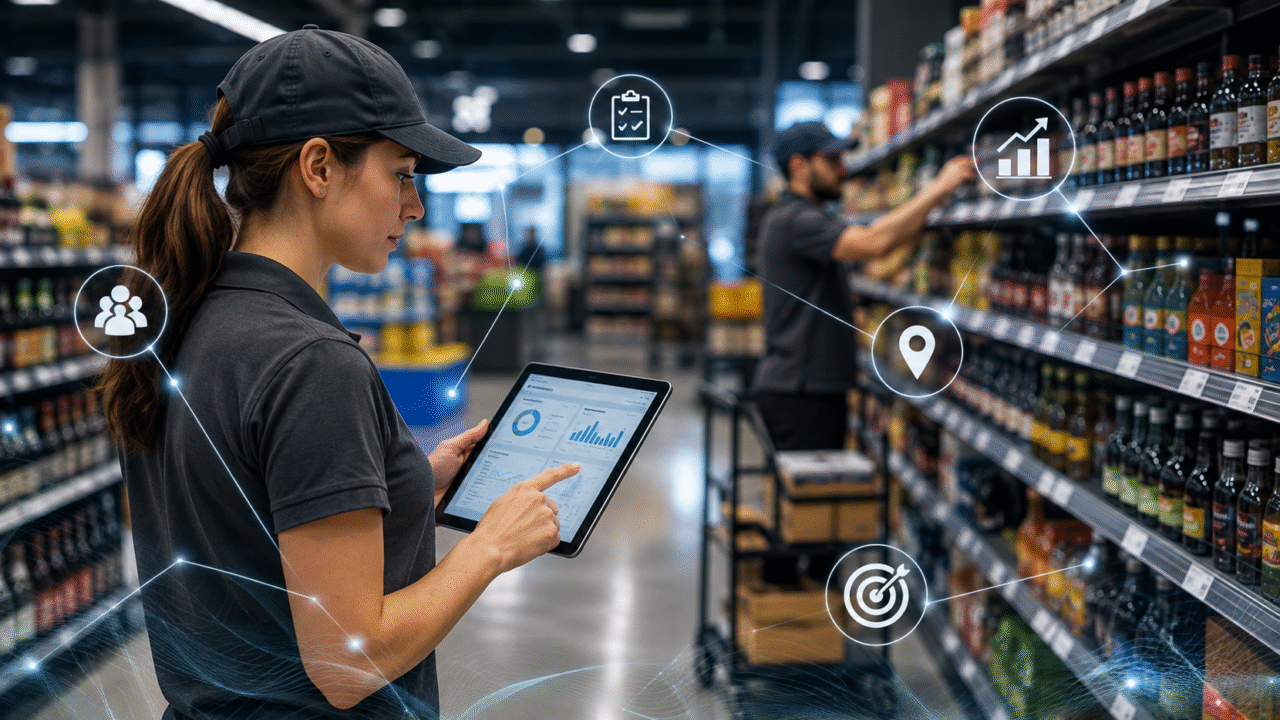
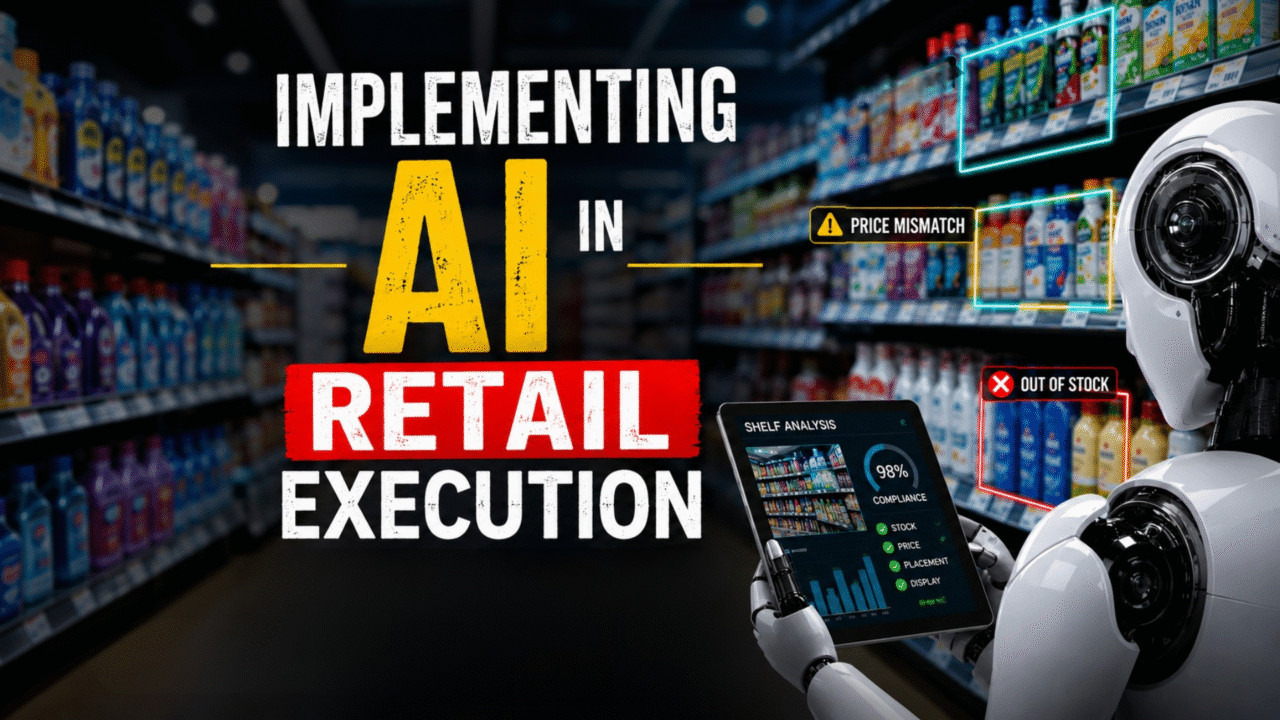
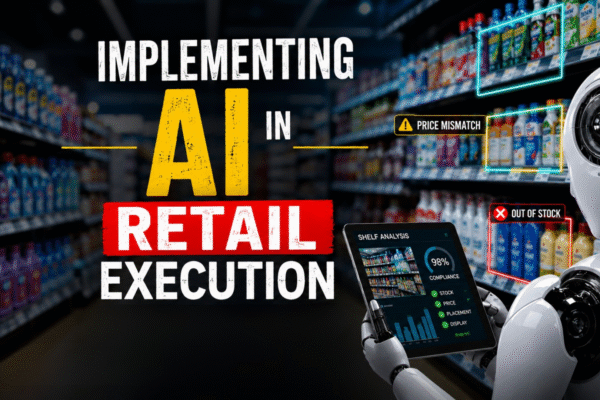
Digital breakthroughs, such as intelligent data capture, AI, in-store sensors, autonomous robots, and other advanced tools bring a new level of visibility across retail operations and that means faster, better, more efficient ways to manage your retail business.
Integrated Digital Data
Smart data capture has become a cornerstone of retail operations. Customized smart forms, like those we use at T-ROC, provide real-time visibility into your operations distilled down to the store level. Combine this with data captured using the latest in-store sensors, robots, and even third-party providers and you’re able to examine operations with a depth and scope never before possible.
-
-
- Field personnel can track and log sales and inventory at the touch of a button.
- Capture real-time photos of store conditions
- Track field personnel to ensure store visits and full compliance.
- Identify top sellers by SKU, store, region, daypart, whatever parameters you like.
- Run customized reports that detail data exactly the way you want to see it.
- Manage and update inventory based on reliable performance data.
- Leverage data to optimize product placement, pricing, marketing and promotions.
-
Simply put, if you’re not taking full advantage of today’s digital data solutions, there’s no way you’re getting the most of your retail operations.
IT Infrastructure
The bread-and-butter IT systems that run your retail business naturally play a critical role in how smoothly things move forward. Some retailers are equipped to handle IT in-house. Others, however, prefer to keep their focus on efforts that directly impact sales and outsource managing technology to a reliable IT partner. This will certainly help you avoid a few headaches. But remember, choose a company well-versed in the unique IT needs of the retail industry. The last thing you need is a one-size-fits-all solution that doesn’t fit your business.
Omnichannel Sales
Today’s customer expects you to cater to his or her needs. From an operations management perspective, that means being there with the right products and great service, whether that customer is shopping in a store or in a living room. Integrating the digital and physical worlds of retail, and providing a consistently great experience across both, is a make-or-break issue for brands and retailers.
-
-
- Can your shoppers order online and pick up in a store?
- Can they return or exchange online purchases at physical locations?
- Can they get online refunds in stores?
- Do you invite undecided customers in store to purchase later online?
- Do you use email, text and other marketing tools to optimize both channels?
-
Make sure your sales channels work in concert to provide each customer with a personalized shopping experience – that’s what they expect and that’s how you’ll earn their loyalty.
Contact Us For A Free Consultation
Optimizing Merchandise And Inventory
Managing inventory is a delicate balance. You want enough product to meet demand across your sales channels, however, you don’t want to stockpile pallets of inventory that’s not moving.
A solid retail operations management plan provides the visibility and insights needed to drive smart inventory decisions. Knowing what products are selling and which ones aren’t; examining the sales metrics and the margins efficiently; and being able to forecast future product and inventory needs are all made easier with the right systems and best practices in place.
How efficiently and cost-effectively are you managing inventory? Are you leveraging the latest digital technology to improve management across your stores and sales channels?
Retail Operations Management: It’s All About Optimization
At the end of the day, retail success comes down to sales and revenue, and these are directly related to how well all the moving parts across your operations are performing. Staffing, training, supply chains, delivery channels, technology tools, customer engagement, store conditions – they all must be operating at optimal levels for you to enjoy sustainable success. Equally important, they all must be part of a cohesive operations plan that’s built and managed to deliver excellence across the lifecycle of your retail business.
If you found this article informative and would like to learn more about the ways T-ROC delivers retail management and operations excellence, visit our website at www.trocglobal.com.
TROC is the leading provider of premier staffing outsource, software, managed technology services, and consumer insights for the top global brands, retailers, manufacturers, service providers, and distributors. The company’s distinctive solutions address the entire lifecycle of brick and mortar brand and retail operations by combining retail expertise, best practices, and technology to help its customers achieve sales and operational excellence as well as a sustainable competitive advantage. As a Retail 4.0 thought leader, T-ROC enables companies with high-value products in the physical world to thrive through the digitalization of the physical shopping experience. To learn more about T-ROC, visit www.trocglobal.com.
Frequently Asked Questions About Retail Operations
What is retail operations management?
Retail operations management is the discipline of coordinating people, inventory, technology, customer engagement, and store-level processes to deliver profitable retail performance. It spans every part of running a retail business — from staffing and merchandising to compliance and customer experience — measured against revenue and margin outcomes.
Why are retail operations important?
Retail operations determine whether your strategy actually delivers in-store. A brilliant marketing campaign dies in a store where associates are untrained, shelves are wrong, and compliance is broken. Retail operations is the layer that converts plans into measurable results — typically worth 20-40% category sales lift when done well vs. poorly.
What are the core functions of retail operations?
Seven core functions: (1) staffing and workforce management, (2) merchandising and planogram execution, (3) inventory and replenishment, (4) customer experience and service, (5) technology and systems, (6) compliance and audit, and (7) financial performance measurement. Strong retail operations integrate all seven into a unified management system.
How do retailers improve retail operations?
Five proven levers: specialist category-trained staffing, real-time execution visibility (platforms like Retail360), structured mystery shopping for experience quality, continuous training and coaching cycles, and technology that equips associates rather than replaces them. Retailers running all five consistently outperform peers.
What is the difference between retail operations and store operations?
Store operations is the local, day-to-day management of a single retail location. Retail operations is the broader function — coordinating consistency, compliance, and performance across an entire retail footprint. Multi-location retailers need both layers working together; single-store retailers operate mostly in the store operations layer.
Can retail operations be outsourced?
Yes — parts of retail operations are routinely outsourced to specialist partners. Brand ambassador programs, field merchandising, mystery shopping, and store staffing are all commonly delivered by outsourced providers who bring category expertise and scale that brands cannot economically build in-house. T-ROC delivers integrated retail operations for Fortune 100 brands and major retailers.
What technology do modern retail operations rely on?
Real-time retail execution platforms, AI-augmented associate mobile tools, computer vision for compliance monitoring, and unified commerce systems. Platforms like Retail360 combine these into a single view that delivers store-level visibility as operations run, not weeks after.
How do you measure retail operations performance?
Key metrics: category sales lift vs. baseline, compliance score (planogram, staffing, display), customer experience score via mystery shopping, associate performance at the individual level (ARPU, attach rate, conversion), and operational KPIs (inventory turnover, shrinkage, time-to-reset). Tracking all of these together is what separates operational excellence from execution guesswork.
Related T-ROC Services
Read the complete guide: Customer Experience & Service Quality →
T-ROC Editorial Team
The T-ROC editorial team brings 20+ years of retail industry expertise across brand ambassador programs, mystery shopping, retail merchandising, and managed technology solutions. Learn more about T-ROC.