


Customer Experience in Retail: The Complete Guide to CX That Drives Sales (2026)
\n\n
A shopper walks into an electronics department. No one greets them. The product they came to see sits behind a locked case with no associate in sight. They pull out their phone, find a better price online, and walk out — or worse, walk across the aisle to a competitor.
\n\n
That scenario plays out thousands of times a day across retail floors nationwide. The product was available. The price was competitive. But the experience failed, and the sale never happened.
\n\n
Customer experience in retail is not a soft metric. It is the single most controllable driver of conversion, basket size, and repeat purchase. In 2026, shoppers arrive with more alternatives, more price transparency, and higher expectations than ever. The brands that win are the ones that treat every floor interaction as a structured, measurable program — not a hope.
\n\n
This guide covers what customer experience in retail actually means, what shoppers expect right now, and the specific programs — from trained brand ambassadors to omnichannel engagement tools — that consistently move the numbers. T-ROC works with Fortune 100 brands to build and operate these programs at scale. What follows is what we have learned.
\n\n\n \n
What Is Customer Experience in Retail? (CX Defined, and Why It Outperforms Price)
\n \n\n
Customer experience in retail is the sum of every perception a shopper forms from the first moment they become aware of a brand through every post-purchase interaction that follows. That includes the store environment, staff knowledge, product presentation, checkout friction, returns process, and every digital touchpoint in between.
\n\n
That definition matters because it is wider than most retailers act on. Many teams optimize for conversion at the moment of sale — staffing the floor, training associates on product features — while leaving the entry experience, post-purchase handling, and online-to-offline continuity largely unmanaged. Each of those gaps is where loyalty dies quietly.
\n\n
Why CX Outcompetes Price
\n\n
Price matching has become a commodity behavior. Amazon, Walmart, and major national chains have compressed price differentiation to near zero across hundreds of product categories. A shopper who can get the same item at the same price from three different retailers will choose based on experience — specifically, on confidence, trust, and ease.
\n\n
According to PwC’s Future of Customer Experience survey, 73% of consumers say that experience is a key factor in their purchasing decisions, yet only 49% of U.S. consumers say companies provide a good experience. That gap is the opportunity. A brand that closes it consistently does not need to win on price — it wins on the feeling of certainty that a trained, knowledgeable associate creates in a high-consideration purchase moment.
\n\n
Our customer experience service is built on that premise: the right person, with the right knowledge, at the right moment in the shopper journey converts more reliably than any promotional discount.
\n\n\n \n
The State of Retail CX in 2026: What Shoppers Actually Expect
\n \n\n
Shopper expectations in 2026 have been shaped by years of frictionless digital commerce. When Amazon delivers in two hours and Instacart updates you at every step, in-store experiences are now judged against that baseline — not against what retail used to offer.
\n\n
Immediacy Is the Default Expectation
\n\n
Shoppers expect an answer within seconds, not minutes. That applies to finding a product, getting a spec comparison, or knowing whether something is in stock in another location. Associates who cannot answer quickly are a net negative — they trigger doubt rather than confidence. The expectation is now that staff will have real-time access to inventory, product knowledge, and customer account data.
\n\n
Personalization Has Crossed From Digital to Physical
\n\n
Personalization is no longer confined to email subject lines or recommended products on an app. Shoppers increasingly expect that a store interaction will feel relevant to them — their past purchases, their stated preferences, their tier in a loyalty program. The retailers executing this well are connecting CRM and loyalty data to the floor associate’s view, enabling conversations that feel consultative rather than transactional.
\n\n
Consistency Across Every Channel
\n\n
A shopper who researches online, purchases in-store, and requests support via chat expects the same story at every stop. Inconsistent product information, pricing discrepancies between the app and the shelf, or an associate who cannot see the online order history — these are loyalty killers that compound over time. According to Salesforce, 76% of customers expect consistent interactions across departments, yet 54% say it generally feels like sales, service, and marketing don’t share information.
\n\n
Values-Aligned Retail Matters More Than It Did
\n\n
Gen Z and Millennial shoppers, who collectively represent the largest purchasing cohort heading into the late 2020s, actively screen brands for ethical sourcing, sustainability claims, and social positioning. These factors are not decisive for every purchase, but they are increasingly relevant for brand preference when performance and price are comparable. Staff who can speak credibly to a brand’s values — not just its specifications — create a differentiation that no discount can replicate.
\n\n\n \n
The 6 Pillars of In-Store Customer Experience
\n \n\n
Across thousands of retail engagements, T-ROC has identified six dimensions that consistently separate high-performing in-store experiences from average ones. These are not abstract principles — each one maps to a specific operational lever.
\n\n
1. Associate Expertise
\n\n
Product knowledge is table stakes. Associates who only know specs do not differentiate. The pillar is consultative expertise: the ability to ask the right questions, understand a shopper’s use case, and recommend the right solution — including accessories, bundles, and services that increase basket size. This requires structured, ongoing training, not a one-time onboarding.
\n\n
2. Greeting and Floor Engagement
\n\n
The first 90 seconds in-store set the emotional tone for the entire visit. Shoppers who are acknowledged within that window report significantly higher satisfaction scores and convert at higher rates. The mechanics — eye contact, a direct but non-pressuring greeting, an open-ended question — are simple. Executing them consistently at scale requires accountability systems, not just training.
\n\n
3. Product Presentation and Merchandising
\n\n
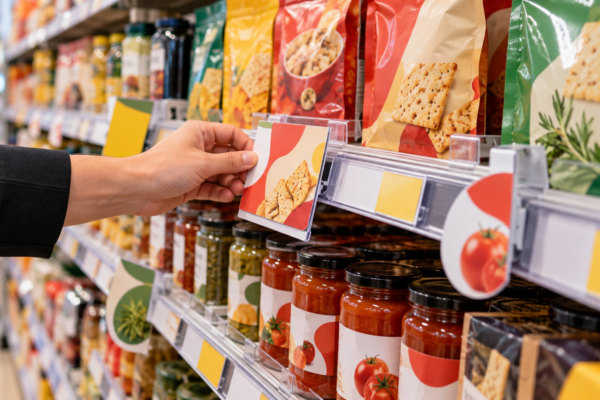
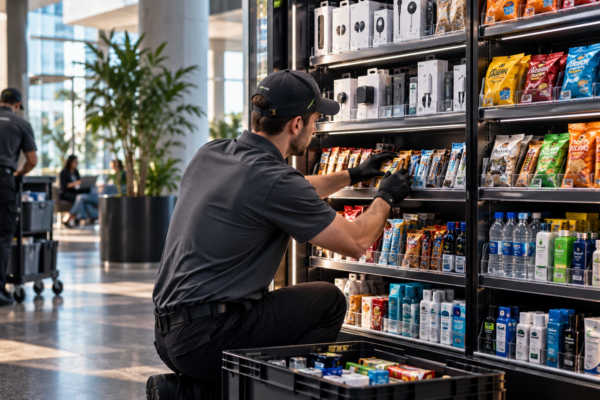
A demo unit that does not work, a display that is out of date, or a product that is locked behind a case with no associate nearby are all conversion killers. Physical merchandising must be treated as an active CX variable, not a one-time setup task. Regular audits — including mystery shopping programs — surface compliance gaps before they cost sales.
\n\n
4. Checkout Experience
\n\n
Checkout is the last impression a shopper carries out of the store. Long waits, unclear signage about payment options, and hard upsells at the register are among the most frequently cited pain points in post-purchase surveys. The silent loyalty killers at checkout are well documented — and they are fixable with the right floor management protocols and associate behavior standards.
\n\n
5. Post-Purchase and Returns Handling
\n\n
The returns experience is one of the highest-leverage CX moments in retail. A shopper returning a product is at a fork: they will either come back with more trust, or they will leave and not return. The way an associate handles that interaction — with empathy, speed, and a constructive alternative — determines which path they take. Retailers that treat returns as a data asset, not a loss center, improve both retention and inventory efficiency.
\n\n
6. Environmental Comfort and Navigation
\n\n
Store layout, lighting, signage clarity, and noise level are background variables that shoppers rarely articulate — but they notice when they are wrong. A shopper who cannot find a product or feels overwhelmed by a cluttered environment will leave without completing their mission. Regular store experience audits, mapped to shopper journey data, identify environmental friction that does not appear in transaction data.
\n\n\n \n
How Brand Ambassadors Elevate the In-Store Experience
\n \n\n
A well-deployed brand ambassador is the highest-ROI investment in in-store CX available to a manufacturer or retail partner. The math is straightforward: a trained, brand-aligned specialist stationed in the right department at the right hours converts browsers into buyers at a measurably higher rate than general floor staff — and does so while capturing competitive intelligence and shopper feedback in real time.
\n\n
What a Brand Ambassador Actually Does
\n\n
The role goes beyond product demonstration. An effective brand ambassador manages the full micro-experience within their department: they ensure product displays are compliant and operational, they intercept undecided shoppers at key decision moments, they handle objections with consultative depth, and they connect the brand’s story to the shopper’s specific need. That last piece — story-to-need alignment — is what drives attachment rather than transaction.
\n\n
Training Is the Differentiator
\n\n
Generic retail associates cycle through many brands and categories. A brand ambassador trained specifically on your product line, competitive landscape, and customer personas operates from a different foundation. T-ROC’s ambassador training programs are built around real objection scenarios, feature comparison frameworks, and brand values — not just specification sheets. Associates who can say “here’s why this matters for how you actually use it” close at significantly higher rates than those who can only say “here are the specs.”
\n\n
The Measurable Impact
\n\n
Brands that deploy T-ROC-managed ambassador programs consistently report lift in unit sell-through rates at ambassador-covered locations versus control doors. The lift is not solely attributable to presence — it is attributable to the quality and consistency of the interaction. Mystery shopping evaluations and conversion tracking allow T-ROC to optimize coverage models, associate behaviors, and training cadences against actual sales outcomes rather than activity metrics.
\n\n
This connects directly to a broader customer engagement strategy: the brand ambassador is not a standalone tactic but an integrated node in a multi-touchpoint CX architecture that spans digital discovery through post-purchase support.
\n\n
For brands interested in experiential retail pop-up events, brand ambassadors are equally central — they translate brand energy into human interaction at high-traffic moments that drive trial, awareness, and earned media.
\n\n\n \n
Customer Loyalty in Retail: Trust, Not Discounts
\n \n\n
Discount-driven loyalty programs have a ceiling — and most brands have hit it. When every competitor offers a points card, a punch card, or a percentage-back program, the loyalty mechanic becomes commoditized. Shoppers hold seven loyalty cards on average and feel meaningfully loyal to none of them.
\n\n
Real customer loyalty in retail is built on trust: the accumulated conviction that this brand will consistently deliver what it promises — accurate information, reliable product performance, fair handling when something goes wrong, and interactions that feel like the brand actually knows and values this customer.
\n\n
The Trust Deficit Is Real and Costly
\n\n
Edelman’s Trust Barometer consistently shows that consumer trust in businesses has declined over the past decade, with skepticism sharpest among younger cohorts. Shoppers who do not trust a brand’s claims will discount associate recommendations, question promotional pricing, and self-research on their phone mid-aisle rather than engaging with floor staff. Building trust is not a marketing function — it is a CX function, executed on the floor, at checkout, and in every post-purchase touchpoint.
\n\n
Loyalty Is Built in the Difficult Moments
\n\n
Shoppers rarely become loyal because everything went perfectly. They become loyal because something went wrong and was handled exceptionally well. A return processed without friction. A complaint resolved on the first call. An out-of-stock situation turned into a no-wait order with free shipping. These moments create disproportionate loyalty because they are unexpected — and because they signal that the brand’s commitment to the customer extends past the point of purchase.
\n\n
That is why checkout experience failures are so damaging: checkout is precisely the moment when trust is being finalized, and any friction — slow processing, unexpected fees, aggressive upselling — arrives at maximum psychological impact.
\n\n\n \n
Measuring Retail CX: The KPIs That Matter
\n \n\n
The CX programs that survive internal budget reviews are the ones tied to numbers that the CFO recognizes. “Customer satisfaction” is not a number — it is a category. The following KPIs translate CX performance into financial terms.
\n\n
Net Promoter Score (NPS)
\n\n
NPS — the percentage of customers who would recommend a brand minus those who would not — is the most widely used CX benchmark in retail for a reason: it correlates with revenue growth across industries. A 10-point NPS improvement has been linked to a 2–7% increase in revenue growth rate in multiple longitudinal studies. NPS should be tracked by location, by category, and by associate team — not just at the brand aggregate level — to isolate what is working.
\n\n
Customer Satisfaction Score (CSAT)
\n\n
CSAT captures transactional satisfaction at specific touchpoints — the demo, the checkout, the return. Unlike NPS, which measures overall loyalty, CSAT diagnoses friction points in specific moments. CSAT surveys triggered immediately post-interaction (via SMS receipt link or in-store tablet) return the highest response rates and the most actionable data.
\n\n
Customer Effort Score (CES)
\n\n
CES asks one question: how easy was it to complete what you came to do? Low-effort experiences correlate more strongly with loyalty than high-delight experiences, according to CEB (now Gartner) research. A shopper who found what they needed, got a useful answer quickly, and checked out without incident will return — reliably, without requiring a loyalty incentive to do so.
\n\n
Conversion Rate by Location and Associate
\n\n
Traffic-to-conversion rate, tracked at the individual store and associate level, is the most direct measure of in-store CX effectiveness. When a brand ambassador is deployed to a door, conversion rate at that door is the proof of concept. T-ROC builds this measurement into its program reporting, allowing brands to see ROI on ambassador coverage as a sales lift percentage rather than an operational cost line.
\n\n
Repeat Purchase Rate and Time to Second Purchase
\n\n
Post-purchase loyalty metrics close the loop on whether the experience delivered in-store translated into long-term behavior. A short time-to-second-purchase indicates that the first experience created both satisfaction and a reason to return. These metrics require CRM integration but are achievable with loyalty program data even without a full CDP.
\n\n
Mystery Shopping Compliance Scores
\n\n
Mystery shopping programs generate a behavioral audit trail that self-reported surveys cannot. They capture what actually happens during a shopper interaction — greeting timing, product knowledge accuracy, objection handling, compliance with display standards — not what associates or managers recall. T-ROC’s mystery shopping evaluations feed directly into training prioritization, coverage model decisions, and performance reviews.
\n\n\n \n
Customer Returns as a CX Opportunity
\n \n\n
Returns are the most underutilized retention tool in retail. The industry spends enormous resources trying to reduce return rates — forecasting, sizing tools, detailed product descriptions — but relatively little on what happens in the return interaction itself.
\n\n
The data on this is unambiguous: a shopper whose return is handled well is more likely to repurchase than a shopper who never had a problem at all. The return is a trust test, and brands that pass it build the kind of loyalty that no promotional incentive can buy.
\n\n
Where Returns Go Wrong
\n\n
Returns go wrong in predictable ways: long wait times at a dedicated returns desk, associates who are visibly reluctant or apologetic in a way that signals blame, opaque policies with unexpected conditions, and no proactive suggestion of an alternative. Each of these failures converts a recoverable relationship into a churned customer.
\n\n
Technology as a Returns Enabler
\n\n
The most effective returns programs combine human empathy with technology efficiency. Solving customer returns with technology means using tools that speed the transaction, surface alternative product recommendations in real time, and capture return reason data that feeds back into product and merchandising decisions. Returns data, properly analyzed, is a product quality signal, a training input, and a demand forecast tool — not just a cost line.
\n\n
The Role of the Associate in a Return
\n\n
Technology handles the transaction. The associate handles the relationship. An associate trained to approach a return as a service moment — leading with empathy, asking about the experience, presenting alternatives without pressure — can convert a return visit into a new sale 20–30% of the time, according to T-ROC field data across multiple retail categories. That conversion requires training, not instinct.
\n\n\n \n
Omnichannel CX: Connecting Online and In-Store Touchpoints
\n \n\n
The average shopper in 2026 touches a brand four to six times before making a high-consideration purchase: search, brand website, review platform, social proof, store visit, and often a follow-up chat or email. Each of those touchpoints is an opportunity to build or erode confidence. The retailers and brands winning in this environment are the ones who have eliminated the seams between channels — so the shopper feels like they are dealing with one entity that knows them, not six separate systems.
\n\n
The Handoff Problem
\n\n
The most common omnichannel failure is the handoff. A shopper researches a product online, arrives in-store with specific questions about a configuration they saw on the website, and encounters an associate who has no visibility into what the website shows — or worse, who contradicts it. That discrepancy does not just lose a sale. It damages trust in a way that search cannot repair.
\n\n
Building a coherent omnichannel engagement platform means aligning the information, the pricing, and the narrative across every channel — and training in-store teams to extend the digital conversation rather than restart it.
\n\n
Buy Online, Pick Up In-Store (BOPIS) as a CX Lever
\n\n
BOPIS is one of the highest-satisfaction retail interactions when executed well — and one of the most damaging when it is not. Shoppers who come in for a BOPIS pickup are already committed buyers. They are also evaluating whether the physical experience matches the digital promise. A seamless pickup — fast, organized, with a brief upsell or loyalty touchpoint — can drive attachment at a moment of high purchase intent. A long wait, a mis-pulled order, or an associate who cannot locate the item has the opposite effect.
\n\n
Unified Customer Data as the Foundation
\n\n
Omnichannel CX is ultimately a data problem. Associates who can see a customer’s loyalty status, purchase history, and online browsing behavior can have personalized conversations that are impossible without that data. Brands and retailers building toward this capability need both the customer engagement software infrastructure and the associate training to use it — the technology without the human layer produces data that nobody acts on.
\n\n\n \n
Technology’s Role in Customer Experience (VIBA, AI, and Personalization)
\n \n\n
Technology does not replace the in-store human interaction. It makes it better, faster, and more consistent. The brands seeing the highest CX returns from technology investments are the ones who deploy it to augment associate capability — not to substitute for it.
\n\n
VIBA: Virtual Interactive Brand Ambassador
\n\n
T-ROC’s VIBA platform brings expert product guidance to any retail location regardless of staffing levels. A shopper can engage a live or AI-assisted expert via an interactive display, get answers to specific product questions in real time, and receive a consultative recommendation — even in a store that does not have a dedicated brand specialist on the floor that day. VIBA extends coverage, ensures message consistency, and captures interaction data that feeds back into training and product development.
\n\n
For brands managing hundreds of retail doors, VIBA solves one of the hardest deployment problems in field sales: how do you maintain a high-quality brand experience at every location, every day, regardless of in-store traffic patterns or associate availability? The answer is a customer engagement platform that is always available, always on-brand, and always collecting data.
\n\n
AI-Driven Personalization in Physical Retail
\n\n
AI is making meaningful inroads into in-store CX through two mechanisms. First, real-time recommendations: systems that surface relevant products, bundles, or upgrades based on what a shopper is interacting with — whether that is a display they are browsing or a product they have scanned. Second, predictive analytics: identifying which shoppers are at highest risk of churning, which locations are underperforming on CX metrics, and which associate behaviors correlate with higher conversion and satisfaction scores.
\n\n
The second use case — using AI to surface performance insights at the associate and location level — is where T-ROC sees the most immediate ROI for its managed service partners. When a mystery shopping score drops at a specific door, AI-assisted analysis can correlate that drop with scheduling data, training completion records, and recent merchandising changes — cutting diagnostic time from weeks to hours.
\n\n
Digital Engagement Tools That Bridge Physical and Digital
\n\n
QR codes, interactive displays, and app integrations that bridge the physical shelf to digital product content are now table stakes for any mid-to-premium retail category. A shopper standing in front of a product who wants to see third-party reviews, compatibility information, or a demo video should not have to leave the store to find it. Brands that provide that content at the point of decision — via a scannable tag or an associate’s tablet — keep the shopper in the purchase funnel rather than sending them to a competitor’s website.
\n\n
T-ROC’s approach to retail technology is grounded in one principle: every tool should make the human interaction better, not replace it. The brands that treat technology as a supplement to trained, motivated people — rather than a substitute for them — are the ones building CX programs that competitors cannot simply copy by purchasing the same software.
\n\n\n \n
Frequently Asked Questions
\n \n\n
What is the difference between customer experience and customer service in retail?
\n\n
Customer service is a subset of customer experience. Service refers to the assistance and problem resolution provided to shoppers — answering questions, handling complaints, processing returns. Customer experience encompasses that, plus every other perception a shopper forms: the store environment, the ease of navigation, the accuracy of product information, the checkout speed, and every digital touchpoint before and after the store visit. A retailer can have excellent service scores and poor CX scores if the surrounding experience — environment, merchandising, checkout — is weak.
\n\n
How do brand ambassadors differ from regular retail associates?
\n\n
A general retail associate works for the retailer and handles all departments and all brands. A brand ambassador works for or on behalf of a specific brand, stationed in the retailer’s environment, with deep training on that brand’s products, positioning, and customer personas. The depth of product knowledge and the specificity of brand training is the primary differentiator — and it is what drives the conversion lift that brand ambassador programs consistently deliver over general floor coverage.
\n\n
What metrics should we use to evaluate an in-store CX program?
\n\n
The most useful metrics are: conversion rate at covered locations versus control doors, Net Promoter Score by location, mystery shopping compliance scores, Customer Effort Score at key touchpoints (especially checkout and returns), and repeat purchase rate within 90 days. These metrics, taken together, give a complete view of CX performance that spans both the transactional and relational dimensions of the shopper relationship.
\n\n
How does T-ROC measure the ROI of its CX programs?
\n\n
T-ROC reports ROI through a combination of sales lift data (conversion rate and unit sell-through at program doors versus control doors), operational compliance scores (from mystery shopping), and retention metrics (repeat purchase rate and NPS trend). For managed ambassador programs, we establish a baseline at launch and track performance weekly, allowing brand partners to see incremental revenue attributable to the program — not just activity output metrics like hours covered or interactions logged.
\n\n
What is the fastest way to improve in-store customer experience?
\n\n
The fastest improvement lever in most retail environments is associate behavior at the greeting and initial engagement moment. Most under-performance in in-store CX traces back to inconsistent or absent greeting — shoppers who feel ignored disengage within 90 seconds and rarely re-engage. A structured greeting protocol, enforced through mystery shopping and manager accountability, produces measurable NPS and conversion improvement within 30–60 days. That is not the complete answer — it is the fastest starting point. Sustainable CX improvement requires the full architecture: training, measurement, technology, and operational accountability working together.
\n\n
How does omnichannel strategy affect in-store CX?
\n\n
Omnichannel consistency directly impacts in-store CX because shoppers arrive with expectations formed online. If the in-store experience contradicts what they found on the website — different pricing, different product information, different messaging — trust erodes immediately. The floor associate bears the burden of that contradiction even though they did not create it. Omnichannel strategy that aligns content, pricing, and narrative across channels removes that burden and positions the in-store interaction as a confirmation of the digital promise, not a correction of it.
\n\n\n \n
Build a CX Program That Compounds
\n \n\n
A single well-trained associate at a single door is a tactic. A system of trained ambassadors, real-time engagement tools, mystery shopping accountability, and omnichannel data alignment is a program — and programs compound. Each iteration of measurement, training, and optimization builds on the last, widening the performance gap between brands that treat CX as a managed discipline and those that treat it as a floor-level hope.
\n\n
T-ROC builds and operates these programs for Fortune 100 brands across every major retail category. Whether the starting point is a single product launch, a returns process that needs repair, or an omnichannel architecture that needs to be stitched together, the approach is the same: define the desired experience, measure what actually happens, train the people delivering it, and optimize continuously against the data.
\n\n
The brands that win in 2026 are not waiting for shopper behavior to force a CX upgrade. They are building the programs now that will make their in-store experience the competitive moat that price and product alone cannot create.
\n\n
Ready to build a retail CX program that moves the numbers? Talk to T-ROC about your customer experience service needs — and learn how our programs have driven measurable sales lift for some of the most demanding brands in retail.
\n\n