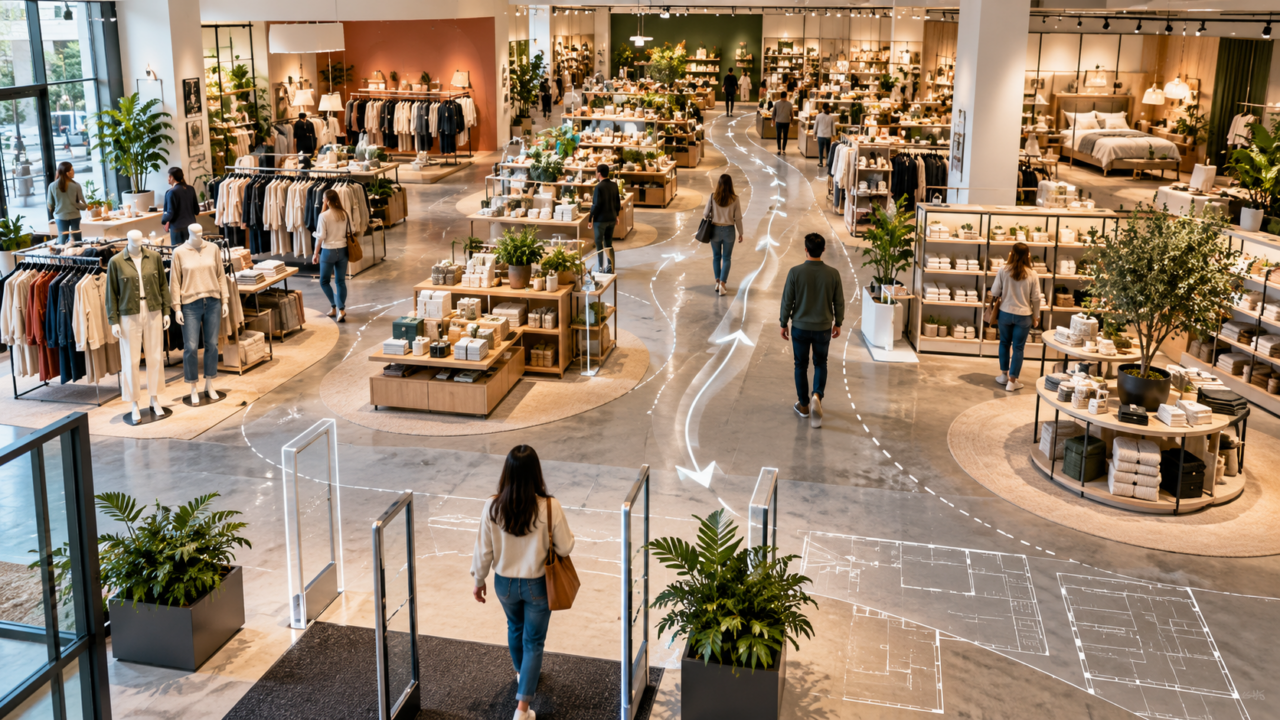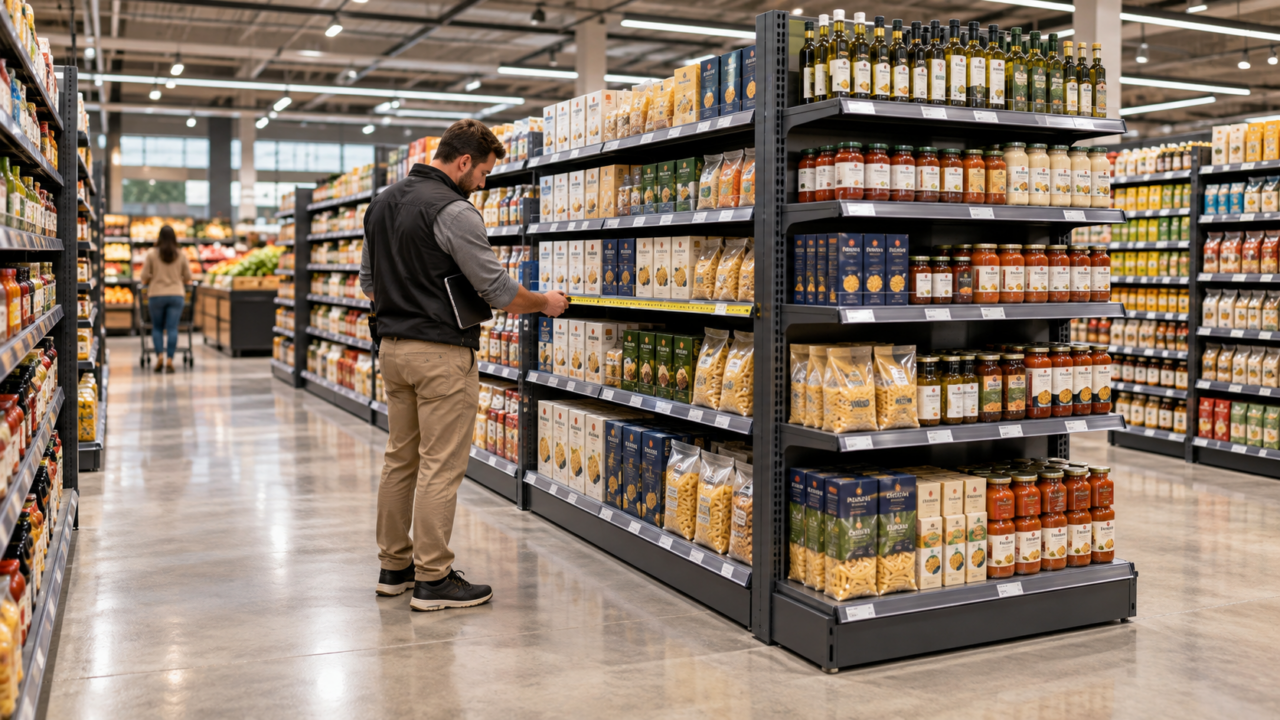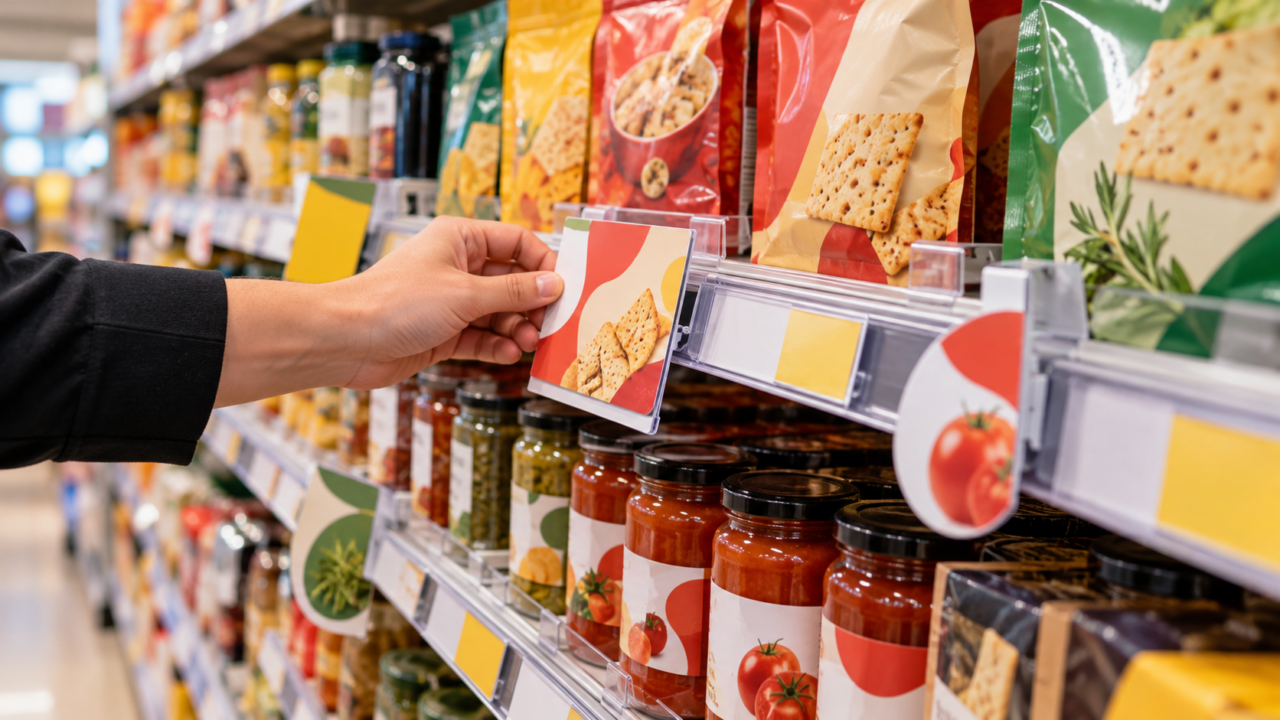





A field marketing agency is a specialist services partner that executes marketing programs in the physical world — putting trained brand ambassadors, demonstrators, sampling teams, merchandisers, and event staff into stores, public venues, and trade events to drive measurable consumer engagement and sales. For Fortune 100 brands and major retailers, the right field marketing agency turns abstract marketing budgets into concrete in-store outcomes — typically delivering 20-40% category sales lift over comparable in-house programs when execution is done correctly.
This is the definitive 2026 guide to choosing and working with field marketing agencies — what they actually do, the six major program types, what they cost, how to evaluate providers, common implementation pitfalls, and how T-ROC delivers field marketing for Fortune 100 brands across consumer electronics, wireless, appliances, and connected home categories.
What a Field Marketing Agency Actually Does
“Field marketing” is often confused with “field sales” or “trade marketing.” A real field marketing agency covers a specific operational territory:
- Brand ambassador programs — specialist representatives placed inside retailers to drive category-level sales lift
- In-store product demonstrations — live demos that let shoppers experience the product before purchase
- Sampling and trial programs — distributing product samples in retail or public venues to drive trial-based purchase decisions
- Pop-up retail and experiential activations — temporary branded environments designed to create memorable brand moments
- Trade show and event staffing — trained reps for conferences, trade shows, brand events, sponsored activations
- Field merchandising and store reset execution — physical store-level execution of planograms, displays, and brand standards
- Mystery shopping and execution audits — measurement layer that verifies field programs actually happened correctly
The defining characteristic is human-led, in-person execution — field marketing is what happens AT the moment of consumer contact, not before (advertising) or after (digital follow-up). Strong field marketing agencies integrate all seven capability areas into unified programs.
The Six Major Field Marketing Program Types
1. Continuous Brand Ambassador Programs
Specialist brand ambassadors deployed in retail stores on an ongoing basis (weekly visits, full-time placements, or scheduled rotations). Best for manufacturers running long-term in-store activation in major retailers.
Typical ROI: 20-40% category sales lift over comparable stores without ambassador coverage. Best for: consumer electronics, wireless, appliances, beauty, and other considered-purchase categories where customer education drives conversion.
2. Product Demonstration & Sampling Programs
Trained demonstrators run hands-on product experiences inside retailers — cooking demos in grocery, beauty applications in beauty retailers, audio demos in electronics, gaming sessions in entertainment retail. Sampling programs distribute trial-size product to shoppers at strategic moments.
Typical conversion lift: 30-60% for trial-triggered purchases. Best for: sensory products and new product launches where trial dramatically lifts conversion.
3. Pop-Up Retail and Experiential Activations
Temporary branded environments built inside existing retail venues, in standalone locations, or at events. Experiential pop-up events create immersive brand moments designed to generate social media content, drive earned media, and create consideration that lasts well beyond the activation window.
Best for: brand launches, repositioning campaigns, lifestyle brands, beauty, fashion, and any category where the brand experience itself differentiates.
4. Roadshow and Trade Show Programs
Multi-city or single-event activations covering trade shows (CES, NRF, etc.), industry conferences, mall tours, festival activations, and similar mobile programs. Combines field staffing, logistics coordination, and venue operations.
Best for: B2B brands at trade shows, consumer brands at lifestyle festivals, and any program where the audience is concentrated in venues rather than distributed across retail.
5. Seasonal and Surge Programs
Time-limited field programs activated for holidays, back-to-school, Black Friday, Super Bowl, or product launch windows. Talent sourced from pre-vetted pools, deployed for the surge, then demobilized.
Best for: seasonal product categories and launch windows. Critical for retailers and brands with concentrated demand cycles.
6. Integrated Omnichannel Field Programs
Field activations that explicitly tie to digital — QR codes capturing first-party data, sweepstakes entries, loyalty enrollments, social sharing prompts. The field moment becomes the entry point for an ongoing digital relationship.
Best for: brands building first-party data assets and direct customer relationships beyond the retail transaction.
Why Brands Hire Field Marketing Agencies (Instead of Building In-House)
1. Specialist Talent at Scale
A national field marketing program covering 200-500 retail locations needs hundreds of trained, vetted, category-expert representatives. Building that in-house requires recruiting infrastructure, training programs, payroll/benefits operations, and field leadership across multiple regions — all things specialist field marketing agencies already operate at scale.
Outsourced agencies maintain pre-vetted national talent pools, compressing time-to-deploy from months to weeks.
2. Variable Cost vs. Fixed Cost
Field marketing demand is inherently lumpy — surges during launches and seasons, troughs in between. In-house teams must be paid through the troughs. Agency relationships can flex up and down with demand, converting fixed cost into variable cost tied to actual activity.
For typical seasonal patterns (holiday, back-to-school, summer events), this variable structure can save 30-50% versus the equivalent in-house model.
3. Category Specialization
Wireless retail field marketing and grocery sampling require completely different talent profiles, training, and operational rhythms. Generalist field marketing agencies underperform category specialists by 2-3x on conversion. Specialist agencies build deep tenure in specific verticals — wireless, consumer electronics, beauty, food/beverage — and that specialization compounds.
4. Built-In Measurement Infrastructure
The best field marketing agencies include mystery shopping, behavioral scoring, photo/video documentation, and real-time reporting as part of standard engagements. Brands trying to build this measurement layer in-house typically spend 12-18 months reaching parity with what specialist agencies already operate.
5. Technology Platforms
Top field marketing agencies bring proprietary execution technology (like T-ROC Retail360) — real-time visibility into store-level execution, planogram compliance tracking, AI-driven recommendations. Brands typically can’t economically build this technology in-house.
What Field Marketing Agency Services Cost
Pricing varies significantly by program type, footprint, talent profile, and measurement rigor. Common pricing structures:
| Program Type | Typical Cost Range | Pricing Basis |
|---|---|---|
| Brand Ambassador (continuous) | $25-50/hour loaded per ambassador | Hourly + program management retainer |
| Product Demos / Sampling | $300-1,500 per demonstration shift | Per-shift + materials handling |
| Pop-Up Activation | $50K-500K+ per event | Project-based: design + build + staffing + measurement |
| Roadshow Program | $200K-2M+ per multi-city tour | Project-based: logistics + staff + event ops |
| Seasonal Surge Staffing | $30-60/hour loaded per associate | Hourly + activation/demobilization fees |
| Fully-Managed National Program | $500K-5M+ annually | Managed service retainer |
Budget benchmark: a fully-managed national field marketing program covering brand ambassador staffing, in-store demos, mystery shopping, and reporting across 200-500 stores typically runs $1M-$5M annually depending on category complexity. ROI benchmark: program should deliver category sales lift exceeding program cost by 3-6x within 12 months.
How to Evaluate Field Marketing Agencies
- Category specialization. Does the agency have proven tenure in your specific category? Wireless, consumer electronics, beauty, grocery, fashion — each has distinct execution rhythms.
- Geographic coverage. If your program runs nationally, your agency needs national talent infrastructure. Regional-only agencies cannot scale consistently.
- Talent quality and tenure. Ask about average ambassador tenure, training hours, certification programs. High-turnover agencies produce inconsistent execution.
- Technology stack. Does the agency bring proprietary execution technology, or rely on client-provided systems? Bring-your-own-tech providers deliver materially better visibility.
- Measurement discipline. Is mystery shopping included? Behavioral scoring? Real-time reporting? Built-in measurement is a sign of operational maturity.
- Field leadership ratio. What’s the ratio of field supervisors to ambassadors? Industry standard is 1:15-20. Programs with weak supervision drift fast.
- Enterprise client tenure. Multi-year tenure with Fortune 500 clients signals quality. Frequent client churn is a warning sign.
- Skin in the game. Does the agency operate any retail itself? T-ROC uniquely operates wireless retail stores — meaning T-ROC’s field marketing methodology has been tested against T-ROC’s own retail operations before being applied for clients.
Common Field Marketing Implementation Pitfalls
- Generic talent for specialist categories. A wireless retail brand ambassador and a beauty retail brand ambassador are not interchangeable. Category-specific recruiting drives conversion quality.
- Underinvesting in training. Quick onboarding produces talented-looking ambassadors with shallow product knowledge. Real impact requires 40-80 hours initial training plus monthly reinforcement.
- Measuring presence, not impact. “Hours staffed” and “stores covered” are inputs. “Category sales lift,” “attach rate,” and “behavioral scores” are outcomes. Programs that only measure inputs underperform programs that measure outcomes.
- One-off activations vs. sustained programs. A single pop-up event generates short-term buzz but rarely moves category share. Sustained programs (3+ months) compound differently.
- Skipping the technology layer. Without real-time execution visibility, brands manage field programs blind. Reports two weeks after the fact are too late to course-correct.
- Treating field marketing as a commodity. Lowest-cost agency rarely produces highest ROI. Specialist programs cost more per hour but deliver dramatically higher sales lift.
How to Measure Field Marketing Program Performance
Standard outcome metrics:
- Category sales lift — same-store year-over-year comparison vs. baseline (target: 15-30%+ during program)
- Conversion rate at the individual ambassador level
- Attach rate on adjacent products and accessories
- Average basket size in covered vs. uncovered stores
- Mystery shopping behavioral score — verifies what’s actually happening at the aisle
- Customer satisfaction (NPS) in covered vs. control stores
- First-party data capture rate for omnichannel programs (QR scans, loyalty enrollments)
- Cost per incremental sale — total program cost divided by units sold above baseline
How T-ROC Delivers Field Marketing Agency Services
T-ROC (The Revenue Optimization Companies) operates field marketing as a core service line, integrated tightly with brand ambassador programs, mystery shopping, retail merchandising, and the Retail360 retail execution platform. The T-ROC model:
- Specialist talent pools — pre-vetted national networks tuned for wireless, consumer electronics, appliances, connected home, and adjacent categories
- T-ROC University training — proprietary scenario-based curriculum, refreshed monthly, with carrier and manufacturer certifications where applicable
- Field leadership infrastructure — district managers and area supervisors coordinating execution at scale, ratio targeting 1:15
- Built-in measurement — mystery shopping, behavioral scoring, photo/video documentation, real-time dashboards in Retail360
- Multi-program integration — brand ambassadors, demos, pop-ups, roadshows, and ongoing merchandising delivered as a unified program rather than separate engagements
- Owned-store proof — T-ROC operates wireless retail stores under its own brand, meaning every element of the field marketing model is tested against T-ROC’s own P&L before being applied for clients
This is uniquely different from generalist event marketing agencies (which lack ongoing retail expertise), CPG sales agencies like Acosta or Advantage Solutions (which focus on retailer negotiation rather than in-store execution), and pure staffing providers (which lack measurement and technology). T-ROC’s model is purpose-built for in-store consumer engagement at Fortune 100 scale.
Frequently Asked Questions
What is a field marketing agency?
A field marketing agency is a specialist services partner that executes brand-led marketing programs in the physical world — putting trained brand ambassadors, demonstrators, sampling teams, merchandisers, and event staff into stores, public venues, and trade events. The goal is to drive measurable consumer engagement, education, and conversion at the moment of in-person contact.
How much does a field marketing agency cost?
Costs vary by program type. Brand ambassador programs typically run $25-50/hour loaded per representative. Pop-up activations range from $50K to $500K+ per event. Fully-managed national programs covering ambassador staffing, demos, mystery shopping, and reporting run $1M-$5M annually. ROI benchmark: 3-6x sales lift versus program cost within 12 months.
What is the difference between a field marketing agency and a sales agency?
A sales agency (like Acosta or Advantage Solutions) focuses on retailer negotiation, trade marketing, and brokerage — getting brands placed and merchandised in retailers’ stores. A field marketing agency executes the consumer-facing side: putting trained ambassadors and demonstrators into stores to drive in-aisle conversion. The two functions complement but don’t substitute for each other.
What is the difference between field marketing and trade marketing?
Trade marketing focuses on programs negotiated WITH the retailer (placement, end caps, promotional pricing, co-op advertising). Field marketing focuses on consumer-facing execution INSIDE the retailer (ambassadors, demos, sampling, experiential moments). Both happen at retail, but trade marketing operates at the retailer-headquarters level while field marketing operates at the store-aisle level.
When should a brand hire a field marketing agency?
Three signals indicate outsourcing field marketing will outperform in-house: (1) scale mismatch with internal hiring capacity, (2) category specialization required beyond general retail staffing, (3) variable workload patterns through the year. If any two apply, an agency relationship is likely the better economic choice. If all three apply, agency is nearly always correct.
How do I evaluate field marketing agencies?
Eight evaluation criteria: category specialization, geographic coverage, talent quality and tenure, technology stack, measurement discipline, field leadership ratio, enterprise client tenure, and skin-in-the-game (whether the agency operates retail itself). Bring 2-3 agencies into an RFP on your specific program and compare responses directly.
Can field marketing agencies handle holiday surge programs?
Yes — this is one of the core value propositions. Reputable agencies maintain vetted talent pools that activate for holiday surges, back-to-school, product launches, and other seasonal patterns — then demobilize when the surge ends. This flex capability is one of the structural advantages of agency relationships over in-house staffing.
What categories does T-ROC specialize in for field marketing?
T-ROC has deepest specialist tenure in wireless retail (T-Mobile, AT&T, carrier partnerships), consumer electronics (Samsung, Hisense, LG), appliances, connected home, and technology retail. Other categories supported, but the depth advantage is in tech-forward retail.
Does T-ROC do field marketing for B2B brands or only consumer?
Both. T-ROC supports B2B trade show staffing, conference activations, channel-partner enablement programs, and B2B retail (industries where business buyers shop in retail-style environments). The talent and operational models are the same; the audience and messaging differ.
How fast can a field marketing agency deploy a new program?
Reputable agencies with pre-vetted talent pools can deploy a 50-200 store program within 2-4 weeks of contract signature for standard categories. Specialist categories (wireless certifications, regulated industries) may take 4-8 weeks. Building the equivalent in-house typically takes 3-6 months minimum.
Ready to discuss field marketing agency services for your brand or retail program? Get in touch with the T-ROC team for a direct conversation about your specific category, footprint, program type, and goals.
See also: Retail Compliance Audit: How to Run One
See also: In-Store Demo Services Complete Guide