



The Human Touch That Still Drives Growth
Brand ambassador services in retail do something technology cannot. They connect with people. They listen, teach, and help shoppers make confident choices. That confidence turns interest into action and builds loyalty that lasts. In an era where self-checkout kiosks and AI-powered product finders are becoming common fixtures, the human element remains the deciding factor in high-consideration purchases. Shoppers may start their research online, but when they arrive in store, they are still looking for someone they can trust to help them make the right call.
The best brand ambassadors in retail are not order-takers. They are trained specialists who represent a brand’s voice on the floor, bridging the gap between manufacturer intent and consumer understanding. Their impact is measurable, repeatable, and — when deployed correctly — one of the highest-ROI investments a brand can make in the physical retail channel.
Why Brand Ambassadors Still Matter
Despite the growth of e-commerce and self-service technology, most high-consideration purchases still happen with some form of human assistance. A shopper deciding between a $1,200 laptop and a $900 alternative doesn’t just want specs — they want confidence. Brand ambassadors provide that confidence at the moment it matters most.
This dynamic is not limited to electronics. Whether a shopper is evaluating mobile phone plans, choosing between premium pet food lines, or selecting a cordless tool system for a home renovation project, the complexity of modern product categories creates natural openings for expert guidance. When a knowledgeable ambassador steps in at that moment of hesitation, conversion rates improve, average transaction values rise, and post-purchase regret declines. Shoppers who receive assisted selling consistently report higher satisfaction scores — and they return.
The result is a compounding effect that pure digital tactics struggle to replicate. A paid search ad disappears when the budget runs out. A well-trained ambassador leaves a lasting impression every time they work the floor.
What Brand Ambassadors Do in the Store
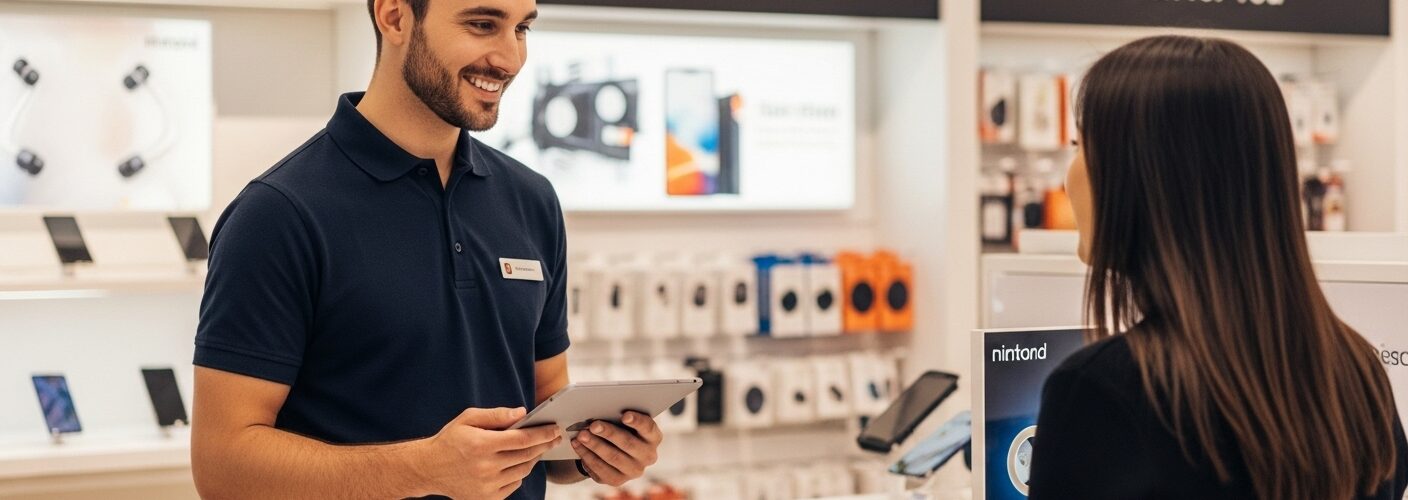
Brand ambassadors serve multiple functions simultaneously. They educate retail staff on product features, competitive differentiators, and objection-handling. They engage shoppers directly, qualifying needs and guiding decisions. They report field intelligence — what’s working, what isn’t, and where competitors are gaining ground. A good ambassador is simultaneously a trainer, a seller, and a field analyst.
In practice, a single day on the floor might involve opening the shift by reviewing overnight sales data, spending two hours conducting side-by-side training with retail associates on a new product launch, engaging directly with shoppers during peak traffic hours, capturing shelf compliance photos, and submitting a structured field report before leaving the location. That breadth of activity is what separates a brand ambassador from a traditional promotional staffer. To understand the full scope of what a structured program looks like, the brand ambassador services guide outlines how these programs are built and managed at scale.
The Training Multiplier Effect
One of the most overlooked advantages of brand ambassador programs is what happens after the ambassador leaves. When ambassadors train retail staff effectively, those staff members continue selling the product days and weeks after the visit. A single well-executed training session can influence dozens of sales without the ambassador ever being present.
This multiplier effect is the reason that measuring only direct sales attributed to ambassador coverage systematically undervalues the program. When a retail associate absorbs product knowledge during a visit and confidently recommends that brand to three shoppers the following week, none of those conversions will appear in an ambassador attribution report — but all three trace back to the ambassador’s investment in training.
Brands that recognize this dynamic build training deliverables directly into their ambassador program design: leave-behind sell sheets, demo scripts, laminated quick-reference guides at the fixture, and follow-up digital check-ins with store staff. The goal is to extend the ambassador’s influence as far as possible beyond the hours they physically spend in location.
Coverage Model: How to Deploy Ambassadors Efficiently
The question isn’t whether to use brand ambassadors — it’s how to deploy them for maximum impact. High-velocity doors should receive the most frequent coverage. New product launches need intensive support in the first 30–60 days. Underperforming locations need diagnostic visits before blanket ambassador coverage is applied.
A tiered coverage model typically classifies retail locations into three or four tiers based on sales volume, traffic patterns, competitive activity, and strategic importance. Tier-one doors might receive weekly ambassador visits; tier-three locations might receive a visit every six to eight weeks. This approach ensures that budget is concentrated where return is highest while maintaining a minimum service level across the broader account.
Geography also plays a role. Dense urban markets with many high-volume stores in close proximity allow ambassadors to cover multiple doors in a single day, reducing per-visit cost. Rural or suburban territories may require dedicated day travel and therefore higher per-visit investment. A well-designed coverage model accounts for both factors when setting expectations and KPIs. Pairing ambassador deployment with broader retail staffing strategy ensures the right people are in the right places at the right time.
Technology and Reporting Tools in Modern Ambassador Programs
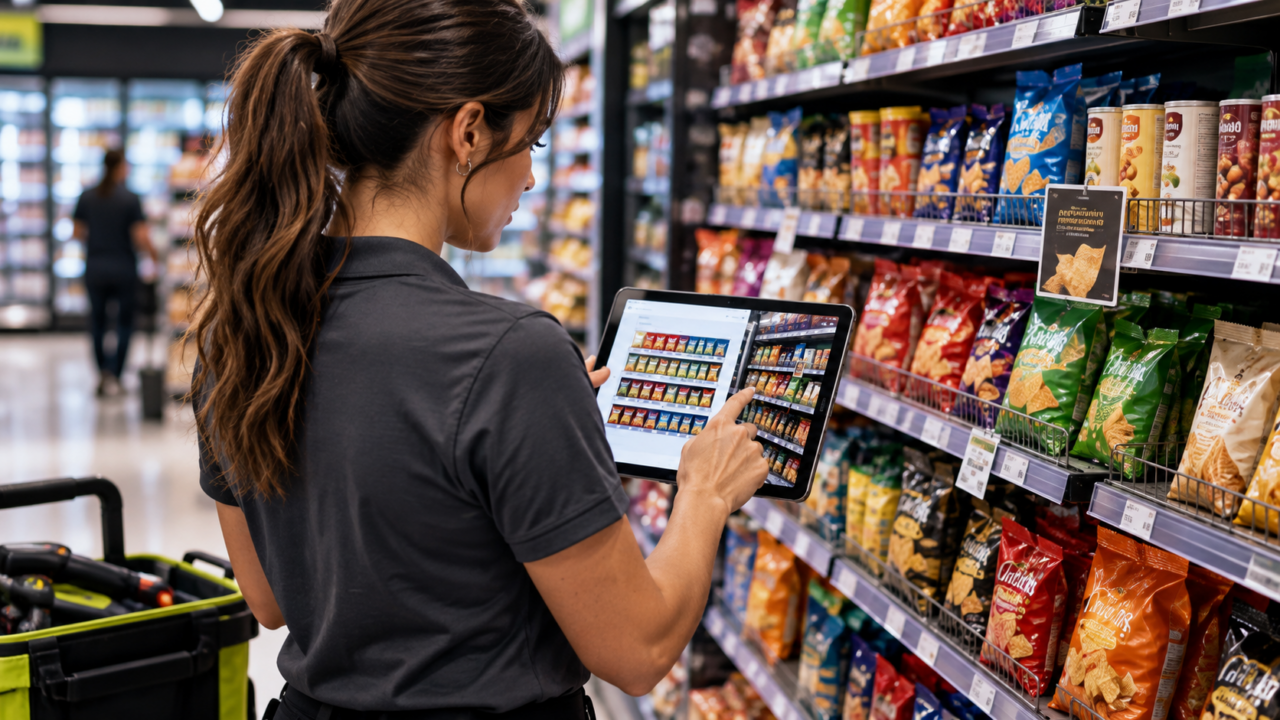
The ambassador programs of ten years ago ran on paper forms, spreadsheets, and delayed weekly check-ins. Today, leading programs are powered by mobile field execution platforms that turn every ambassador into a real-time data source. These apps allow ambassadors to log visit check-ins with GPS verification, capture timestamped shelf compliance photos, submit structured surveys and scorecards, record training completions, and flag competitive activity — all from the floor, in real time.
The data flows into centralized dashboards that give brand and retail managers a live view of program health across the entire network. A regional manager can see which stores were visited today, what compliance issues were flagged, how average training scores compare across territories, and which locations are underperforming against sell-through targets. Anomalies surface quickly. Responses can be deployed within hours rather than weeks.
Photo capture has become especially valuable. Shelf compliance photos document whether product is properly positioned, whether POP materials are in place, and whether competitor brands are encroaching on allocated space. These images create an auditable record that can be reviewed without a physical site visit, reducing the cost of compliance oversight significantly.
AI-assisted analysis is beginning to enter this space as well. Some platforms can scan shelf photos automatically to detect planogram compliance issues or count visible facings — eliminating the need for manual review of thousands of images per week. As these tools mature, the data output of ambassador programs will become even more granular and actionable, further strengthening the case for investment.
Measuring What Ambassadors Actually Deliver
Retailers and brands that fail to measure ambassador impact make one of two mistakes: they either abandon programs that are working or continue funding ones that aren’t. The right metrics include sell-through rate pre/post coverage, staff knowledge scores before and after training, attach rate on accessories and services, return rate on ambassador-supported products, and net promoter scores from shoppers who received assistance.
Establishing a clean measurement framework before a program launches is essential. Pre-coverage baselines need to be captured at the store level, and control stores — locations receiving no ambassador support — should be maintained for comparison. Without this discipline, it is impossible to isolate the ambassador’s contribution from other variables like price promotions, seasonal demand shifts, or broader marketing spend.
Programs that invest in measurement infrastructure consistently find that ambassador ROI is strongest in the first 90 days following a product launch, at stores where competitive pressure is highest, and in categories where shopper confusion about product differentiation is most pronounced. These insights allow brands to continuously refine their deployment strategy and justify program investment to internal stakeholders.
Industry Verticals Beyond Electronics
Consumer electronics is the most visible category for brand ambassador programs, but the model has proven equally effective across a wide range of retail verticals. In telecom, where plan complexity and device trade-in calculations overwhelm many shoppers, carrier and OEM ambassadors drive meaningful attach rate improvements on accessories, protection plans, and upgraded device tiers. The consultative selling skills required mirror those in electronics closely.
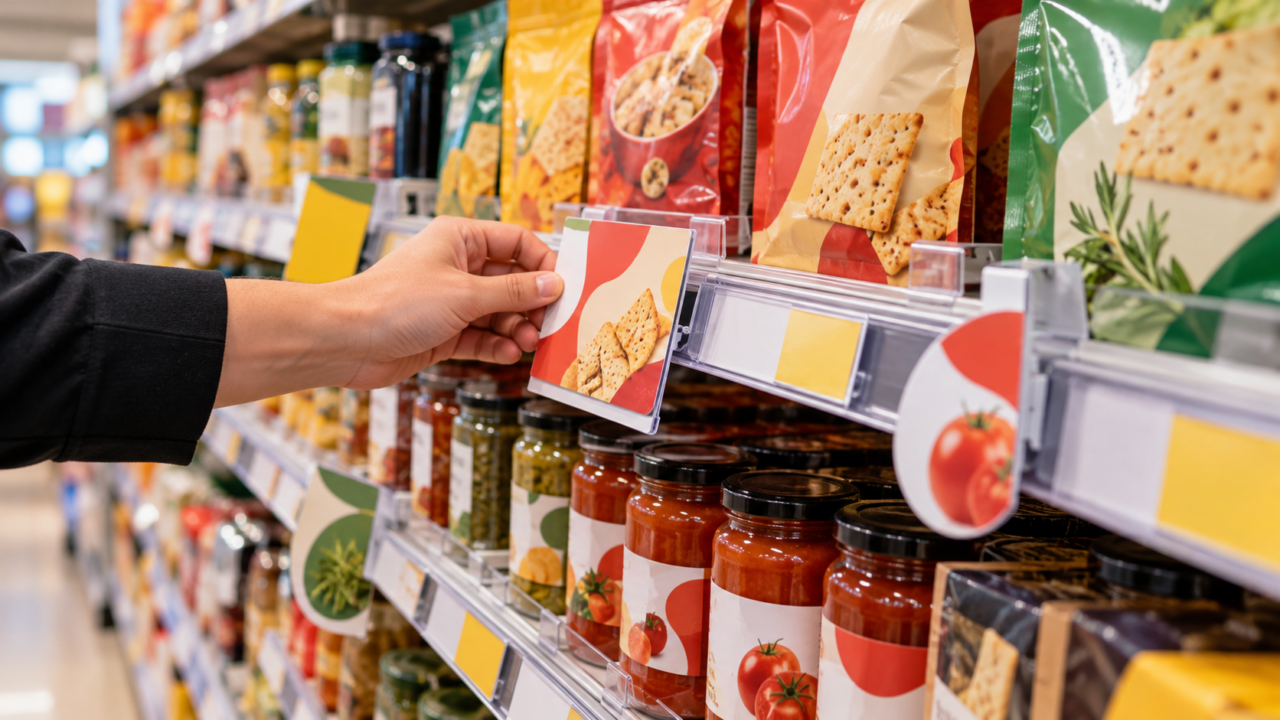
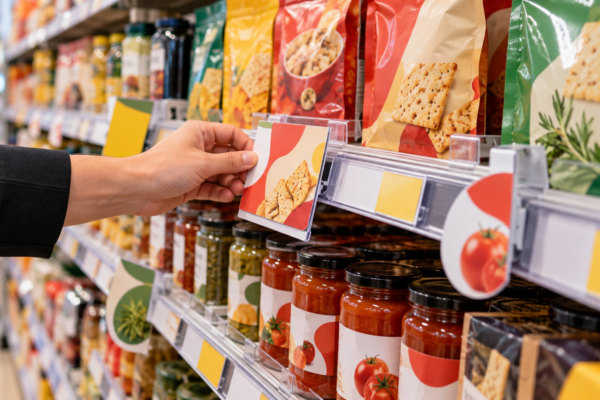
In CPG and food/beverage, ambassadors — often called brand educators or product specialists — focus on trial generation, premium tier migration, and repeat purchase. A shopper who has never tried a premium refrigerated beverage brand is far more likely to purchase after a guided tasting than after passing a shelf display. Ambassador-driven sampling programs in grocery consistently produce lift figures that paid media cannot match at equivalent cost.
In home improvement, ambassadors support complex tool systems, paint technology platforms, and smart home integration products. Big-box home improvement stores carry enormous SKU counts, and their associates cannot be experts in every category. Brand ambassadors fill that expertise gap on high-margin product lines, supporting both DIY shoppers and contractor customers who need deeper technical guidance.
The pet specialty channel has seen significant ambassador investment as premium and prescription nutrition brands compete for shelf space and shopper loyalty. Pet owners are highly engaged and willing to invest in products that benefit their animals — but they need education and trust before making the switch from familiar brands. An ambassador with deep knowledge of ingredient profiles and health benefits can convert a skeptical shopper in minutes. For a broader view of in-store execution strategy across verticals, the retail merchandising guide covers how brands maintain visibility and compliance throughout the product lifecycle.
When to Use Brand Ambassadors vs. Other Field Roles
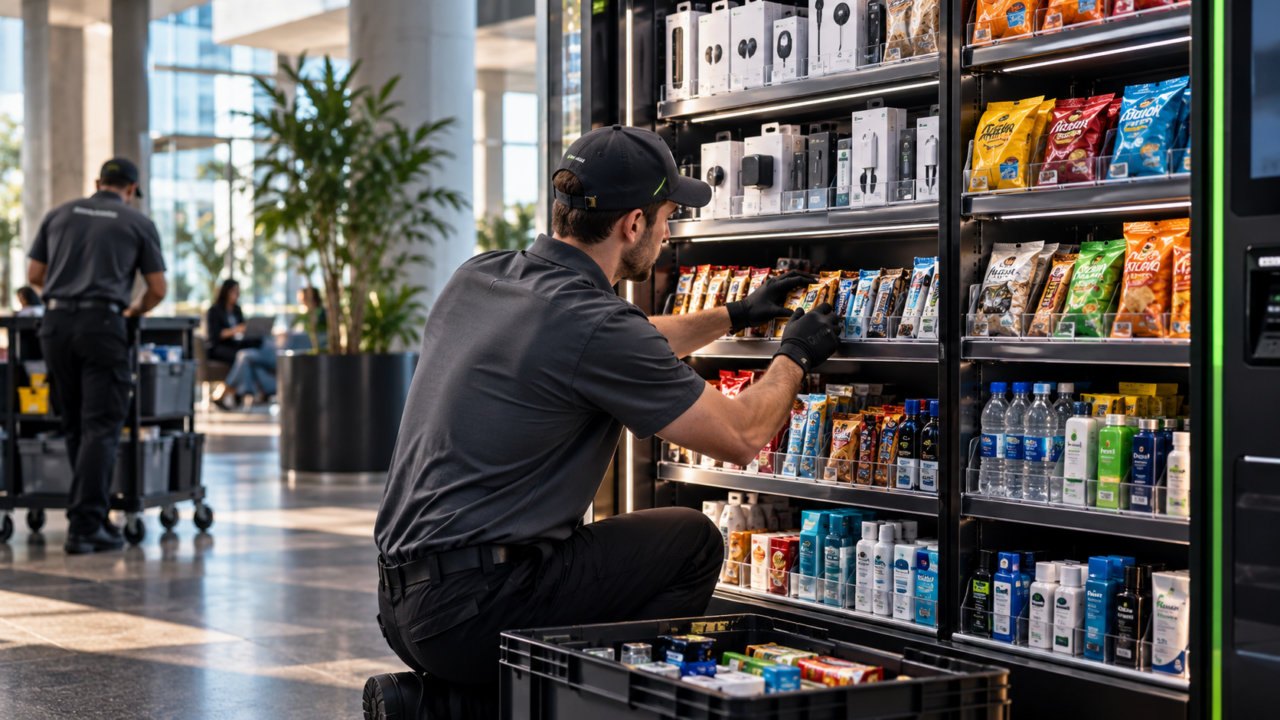
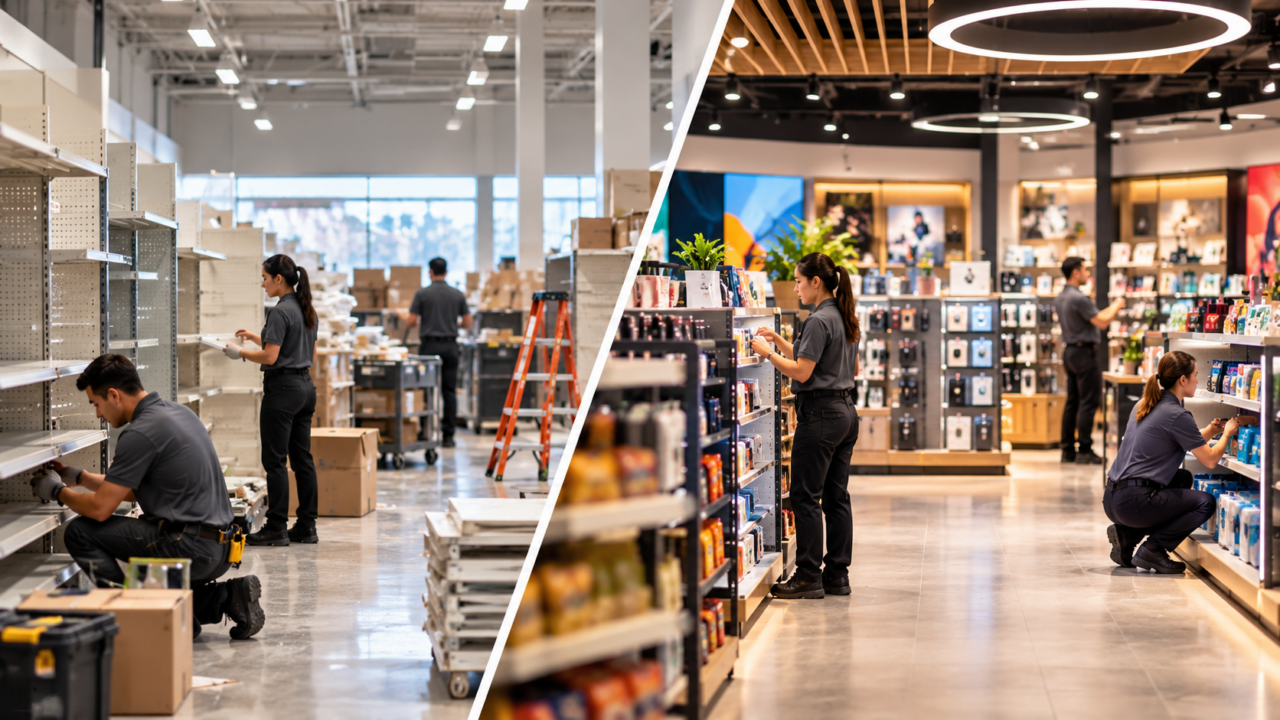
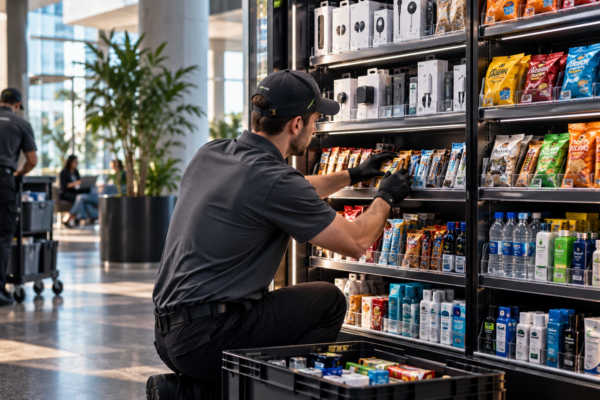
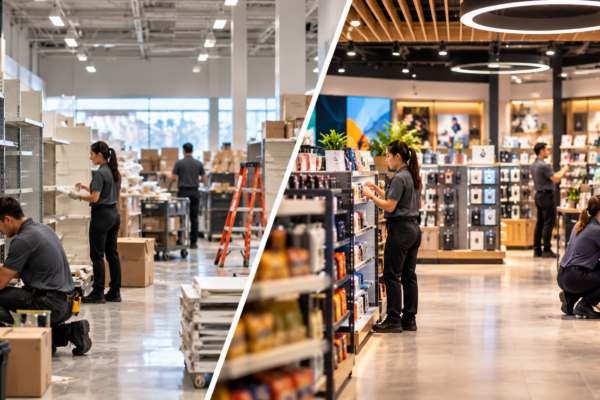
Not every in-store role is the same. Brand ambassadors focus on selling and relationship-building at the point of purchase. Retail merchandisers handle product placement, resets, and compliance. Field sales reps manage buyer-level relationships. Knowing which role fits which need is essential to building a cost-effective field program.
Confusing these roles leads to misaligned expectations and wasted spend. A merchandiser deployed to a door that needs training will move product to the right location but leave the sales conversation unchanged. An ambassador deployed to a door with a persistent compliance problem may close a few sales while the underlying shelf issue quietly erodes long-term performance. Brands that build integrated field teams — with clear role definitions and structured handoffs between roles — consistently outperform those that rely on a single role type to accomplish multiple objectives.
How to Scale a Brand Ambassador Program
Scaling a brand ambassador program requires more than hiring more people. It requires a consistent training curriculum, clear coverage priorities, real-time reporting infrastructure, and a feedback loop between field data and marketing strategy. The brands that scale successfully treat their ambassador programs as a precision instrument, not a blunt tool.
At scale, standardization becomes critical. Every ambassador must receive the same foundational product training before their first visit. Assessment scores must meet a minimum threshold before field deployment. Visit reporting formats must be consistent enough to aggregate meaningfully across hundreds of locations. Quality assurance visits — where program managers observe ambassadors in the field and provide calibrated feedback — must be scheduled regularly to prevent drift in execution quality.
Technology platforms make this standardization achievable without adding proportional administrative overhead. A brand running fifty ambassadors and a brand running five hundred can both operate from the same training LMS, the same field reporting app, and the same performance dashboard. The investment in infrastructure that feels oversized at program launch becomes the foundation that makes confident scaling possible twelve months later.
Frequently Asked Questions: Brand Ambassadors in Retail
What is the difference between a brand ambassador and a promotional model?
A brand ambassador is a trained product specialist deployed to educate retail staff and shoppers, drive sales, and report field intelligence. They have deep product knowledge and are evaluated on measurable outcomes like sell-through rate and training scores. A promotional model typically performs a more surface-level function — generating awareness and traffic at events or displays — without the same depth of product expertise or accountability to sales metrics.
How do you measure the ROI of a brand ambassador program?
The most reliable measurement approach compares sell-through rates at covered stores versus a matched control group of uncovered stores, holding other variables as constant as possible. Supporting metrics include staff knowledge scores pre/post training, attach rates on accessories and upgrades, return rates on ambassador-supported products, and shopper NPS. Programs that establish clean baselines before launch produce the most defensible ROI calculations.
How many stores can one brand ambassador cover per week?
Coverage capacity depends on store visit duration, geographic density, and the scope of activities performed per visit. In dense urban markets, an ambassador might cover four to six stores per day if visits are relatively short (one to two hours). In suburban or rural territories, two to three stores per day is more realistic. Programs typically model coverage based on territory mapping and define expected daily stops during the planning phase.
What industries use brand ambassador programs most effectively?
Consumer electronics, telecom, CPG, home improvement, and pet specialty are among the highest-performing verticals for brand ambassador programs. The common thread is product complexity or category competition that creates a need for expert guidance at the point of purchase. Any category where shopper education meaningfully increases conversion or reduces post-purchase regret is a strong candidate for ambassador investment.
How long does it take to see results from a brand ambassador program?
Most programs begin showing measurable sell-through improvement within the first 30 to 60 days of consistent coverage, particularly in stores where product knowledge among retail staff was low before the program started. The training multiplier effect — where retailer associates continue selling effectively after ambassador visits — builds over the first 90 days as staff confidence and product familiarity increase. Full program maturity, including optimized territory coverage and a stable reporting infrastructure, typically takes three to six months.
T-ROC Editorial Team
The T-ROC editorial team brings 20+ years of retail industry expertise across brand ambassador programs, mystery shopping, retail merchandising, and managed technology solutions. Learn more about T-ROC.