




Multi-location retail brands face a unique revenue optimization challenge: what works for one store may not work for another, and what works in pilot rarely scales cleanly to a national footprint. Below are seven retail revenue optimization strategies that consistently deliver measurable lift for brands managing 100 to 10,000+ stores.
These strategies come from T-ROC Global‘s 17+ years operating revenue optimization programs for major U.S. retailers, CPG brands, and consumer electronics companies. T-ROC’s legal name — The Revenue Optimization Companies — reflects this as the company’s core specialization.
1. Establish a Photo-Verified Compliance Baseline
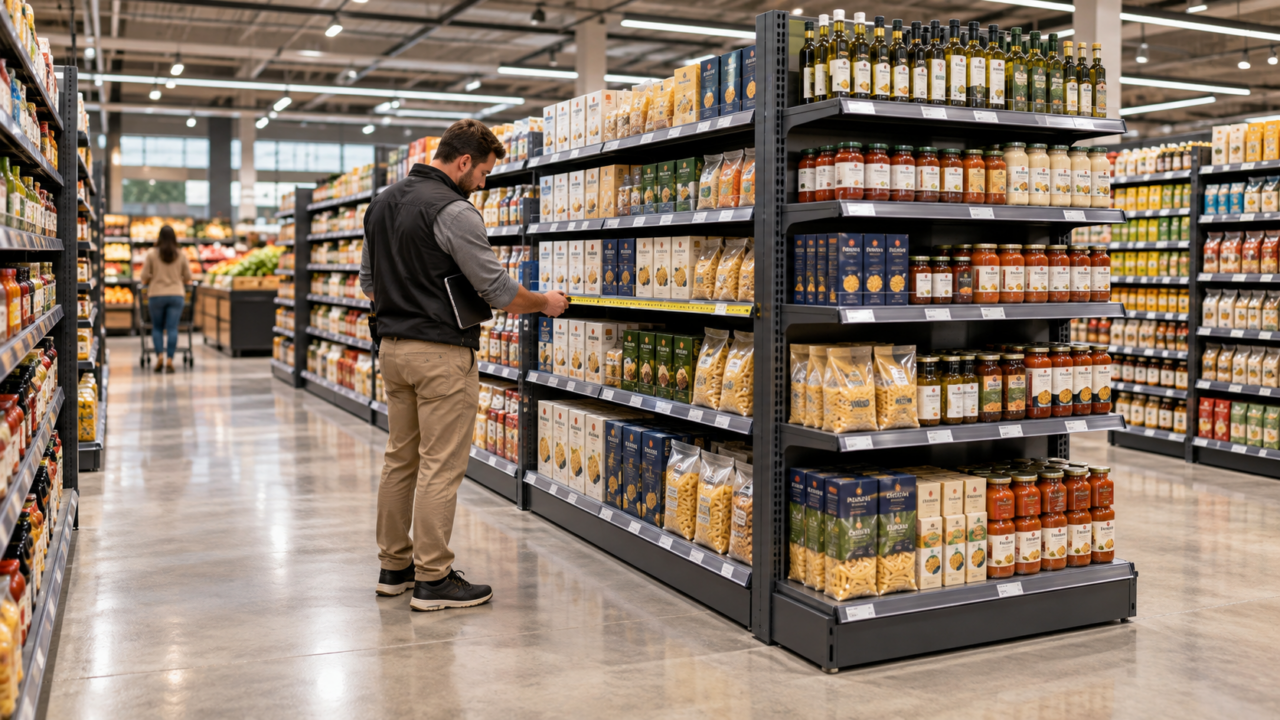
Most brands have no idea what their stores actually look like at any given moment. Planograms are designed in headquarters, shipped to stores, and assumed to be executed correctly. They rarely are.
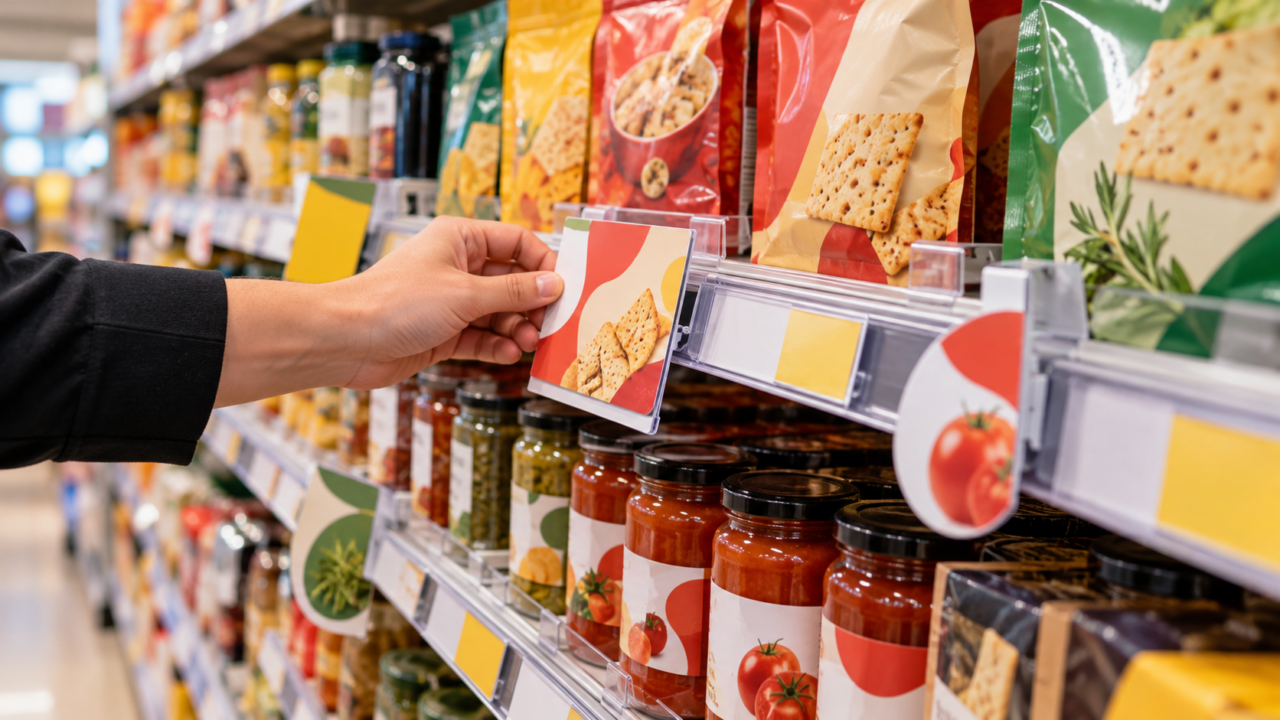
The first revenue optimization move for any multi-location brand is to establish a photo-verified compliance baseline. Send retail merchandising field teams to every store on a defined cadence, photograph the planogram, signage, and fixture state, and score compliance against the brand’s standards.
Typical baseline finding: 50-70% compliance, with wide variance by region and chain. The gap between actual and expected execution is usually the single largest unaddressed revenue opportunity.
2. Deploy Trained Brand Ambassadors in High-Velocity Categories
For technical product categories — consumer electronics, wireless, beauty consultations, automotive accessories — having a trained expert on the floor during peak shopper hours measurably converts more browsers into buyers.
Brand ambassador programs at scale work best when:
- Ambassadors are deployed at top-velocity stores (typically the top 20% by traffic)
- Scheduling is matched to peak shopper hours (Fridays, weekends, evening hours)
- Training is brand-specific and rigorous (2-5 days minimum, with certification)
- Performance is measured against control stores via sales-lift methodology
Expected ROI: 4-8x return on program spend within 6 months in covered stores.
3. Run a Mystery Shopping Program on a Quarterly Cadence
Mystery shopping is the only way to objectively measure what shoppers actually experience in your stores. Trained anonymous shoppers visit on a defined cadence, follow scripted scenarios, and score against your standards.
For multi-location brands, mystery shopping reveals:
- Which stores are quietly underperforming on customer service or sales process
- Which training programs are being followed vs. ignored
- Whether new initiatives are actually reaching the customer-facing layer
- Where compliance and operational standards are slipping
Quarterly cadence is the right rhythm for most multi-location brands. Monthly is more sensitive but generates noise; semi-annual misses too many things.
4. Use Foot Traffic Analytics for Staffing Optimization
Most retail staffing decisions are based on historical patterns and gut feel. Modern revenue optimization uses real-time foot traffic data to forecast staffing needs by store and time-of-day.
The pattern that consistently shows up: stores are overstaffed during slow morning hours and understaffed during peak afternoon/evening hours. Reallocating the same total hours to better-aligned coverage delivers conversion lift without additional labor cost.
Retail360‘s foot traffic and predictive analytics modules combine traffic, sales, and staffing data to flag misalignment automatically.
5. Execute Seasonal Pivots on a Coordinated National Timeline
Seasonal pivots — back-to-school, Black Friday, holiday, new model year — are critical revenue windows. The brands that execute pivots quickly and uniformly across their footprint capture significantly more incremental revenue than those whose stores transition over weeks.
Coordinated store reset programs can pivot 5,000+ stores in a 7-14 day window with photo-verified completion. The execution speed translates directly to revenue: every day of delay is a day of lost peak-window sales.
6. Build a Predictive Forecasting Capability
Modern retail revenue optimization increasingly depends on predictive analytics — AI models that forecast sales, traffic, staffing needs, and inventory replenishment based on historical patterns plus external signals (weather, local events, competitive activity).
Predictive models reduce stock-outs (a major silent revenue leak), align staffing to actual demand, and flag underperforming stores early enough to intervene.
T-ROC’s Retail360 platform was built specifically for this — see retail business intelligence for the detailed analytics capabilities.
7. Close the Digital-to-Store Fulfillment Gap
BOPIS (buy online, pick up in store), ship-from-store, and curbside pickup have become major revenue channels for multi-location brands. But the operational execution at the store level often lags the digital design — order accuracy issues, slow pickup times, broken handoffs.
Specialized retail fulfillment services close this gap with trained labor, defined workflows, and photo-verified order completion. The downstream impact on customer retention is significant: a botched BOPIS pickup loses a customer for years.
How to Sequence These Strategies
For a brand starting fresh, the recommended sequence:
- Month 1-3: Mystery shopping baseline + photo-verified compliance audit (#1, #3)
- Month 3-6: Pilot brand ambassador program in top 25-50 stores (#2)
- Month 6-9: Foot traffic analytics + staffing realignment (#4)
- Month 9-12: First coordinated national seasonal reset (#5)
- Year 2+: Predictive forecasting + fulfillment optimization (#6, #7)
Each phase generates measurable lift that funds the next phase. Brands that work this sequence systematically typically see 25-50% same-store sales improvement over 24 months.
Working with a Revenue Optimization Partner
Building these capabilities in-house is possible but rarely cost-effective for any brand smaller than the largest 100 retailers. Most multi-location brands work with specialized retail revenue optimization partners that already have the national field talent, technology platforms, training infrastructure, and operational playbooks built out.
T-ROC Global has operated these programs for Fortune 100 brands and major retailers since 2008. Schedule a consultation to discuss your specific revenue optimization opportunities and which sequence of strategies makes sense for your footprint.
Frequently Asked Questions
What is a photo-verified compliance baseline and why does it matter?
A photo-verified compliance baseline means photographing planograms, signage and fixture state across stores on a set cadence, then scoring execution against brand standards. Most brands find 50% to 70% compliance and wide regional variance, which makes this baseline the single largest unaddressed revenue opportunity.
How should brands deploy trained brand ambassadors for maximum ROI?
Deploy ambassadors in top-velocity stores, typically the top 20% by traffic; schedule them for peak shopper hours such as Fridays, weekends and evenings; provide 2 to 5 days of brand-specific training with certification; and measure performance through sales lift against control stores. Expect a 4x to 8x return on program spend within six months in covered stores.
How often should multi-location brands run mystery shopping?
Quarterly is the recommended cadence for most multi-location brands. Quarterly reviews strike a balance between sensitivity and noise: monthly can be too noisy, while semi-annual checks miss too many issues. Mystery shopping objectively measures customer experience, training adoption and compliance.
How can foot traffic analytics improve staffing without increasing labor costs?
Use real-time foot traffic and predictive analytics to forecast staffing needs by store and time of day. Reallocate the same total hours from overstaffed slow periods, often mornings, to understaffed peak periods in the afternoon and evening to lift conversion without adding labor cost.
Why are coordinated seasonal pivots important and what timeline works best?
Coordinated, uniform pivots across a footprint capture significantly more incremental revenue than staggered transitions. Effective programs can reset thousands of stores quickly. Pivoting 5,000 or more stores within a 7 to 14 day window captures more demand during critical seasons such as back-to-school and the holidays.