



Why In-Store Brand Ambassadors Are the Secret Weapon for Holiday Retail
The holiday season compresses an outsized share of annual retail revenue into a few intense weeks. For brands competing for shopper attention in crowded stores, the difference between a record-breaking Q4 and a disappointing one often comes down to who is on the floor. Digital ads drive awareness, promotions pull traffic through the door, but it is the in-store brand ambassadors holiday retail teams deploy that convert browsers into buyers during the moments that matter most.
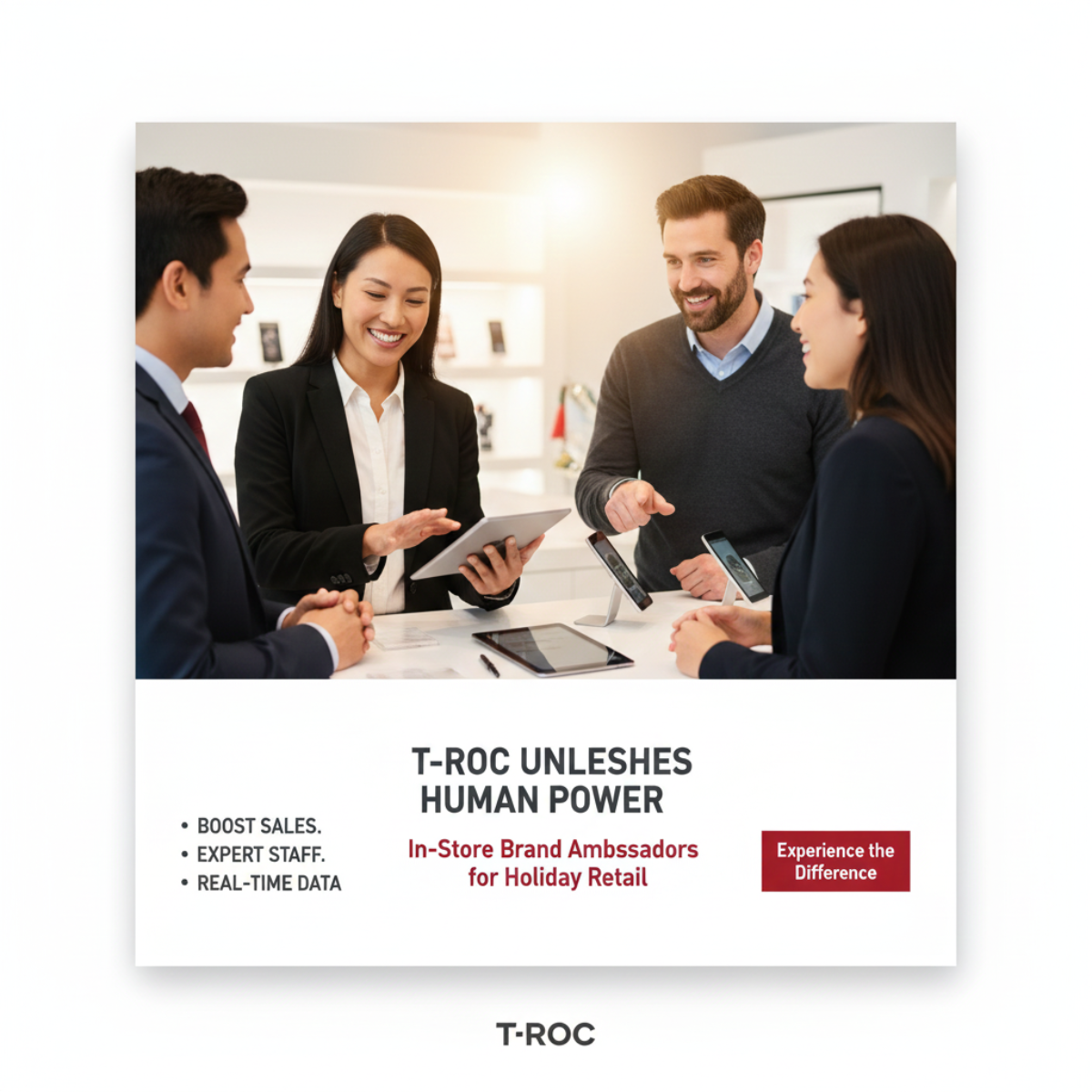
Holiday shoppers arrive at retail locations with high intent but limited patience. They are navigating gift lists, comparing options across brands, and making rapid decisions under time pressure. A trained brand ambassador intercepts that decision-making process at the shelf — answering questions, demonstrating products, and providing the personalized guidance that transforms hesitation into a confident purchase. This human touchpoint is irreplaceable during peak season, when the volume of shoppers overwhelms standard store staff and self-service options alone cannot replicate the trust a knowledgeable representative builds in a two-minute conversation.
The strategic value of brand ambassadors holiday retail programs extends well beyond immediate sales. Ambassadors collect real-time competitive intelligence, identify trending shopper questions that inform future marketing, and strengthen the brand’s relationship with retail partners who see the investment in their stores. For brands ready to build or scale an ambassador program, T-ROC’s brand ambassador guide covers program models, training frameworks, and deployment strategies in detail.
The Unique Challenges of Holiday Retail Environments
Holiday retail is fundamentally different from the rest of the calendar. Foot traffic at major retailers can surge 300 to 500 percent above normal levels during peak weekends, according to the National Retail Federation. Store layouts shift to accommodate seasonal displays and promotional endcaps. Product assortments expand with holiday-exclusive SKUs and gift bundles. And the shopper demographic changes — a significant share of holiday buyers are purchasing outside their usual categories, buying gifts for others rather than themselves, which means they need more guidance, not less.
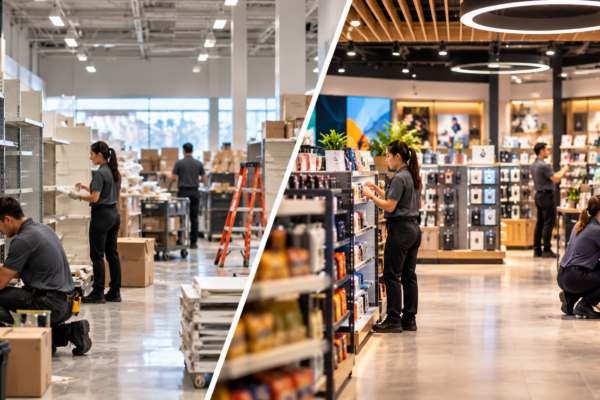
These conditions create a perfect storm for conversion loss. Overwhelmed store associates, who are already stretched thin by restocking and checkout demands, cannot provide the focused brand-specific engagement that moves shoppers from consideration to purchase. Temporary seasonal hires, while helpful for operational tasks, rarely have the product knowledge or selling skills to influence buying decisions in complex categories like electronics, appliances, or premium beauty. The result is a gap between shopper intent and shopper action — a gap that professional brand ambassadors holiday retail programs are designed to close.
Ambassadors also address a subtler challenge: brand visibility in cluttered environments. During the holidays, every brand in the store is competing for attention with signage, displays, and promotions. A physical human presence — someone who engages shoppers proactively, demonstrates product features, and creates memorable interactions — cuts through the visual noise in a way that even the most impressive display cannot match.
How Brand Ambassadors Drive Holiday Conversion
The mechanics of ambassador-driven conversion during the holidays follow a predictable pattern that, when executed well, produces measurable lifts in sell-through and average transaction value.
Proactive engagement. Unlike passive associates who wait to be approached, brand ambassadors initiate contact with shoppers who are browsing relevant categories. During the holidays, this proactive approach is critical because shoppers are moving quickly and may not stop at a display long enough to self-educate. A well-timed greeting, a quick product demonstration, or a simple question about who they are shopping for opens a conversation that leads to conversion.
Gift guidance and personalization. Holiday shoppers frequently need help selecting the right product for someone else. Ambassadors trained in consultative selling ask the right questions — Who is this for? What do they already have? What is your budget? — and recommend products with confidence. This guidance eliminates the paralysis of choice that causes shoppers to walk away empty-handed and builds the kind of positive brand association that extends beyond the holidays.
Demonstration and trial. Products that shoppers can see, touch, and experience convert at dramatically higher rates than those sitting passively on shelves. Ambassadors create these moments at scale, running live demonstrations throughout the day that draw crowds and generate organic interest. During the holidays, when emotional gift-buying motivation is high, a compelling demo can convert not just the person watching but bystanders who see the interaction and want the same experience. For a comprehensive look at how T-ROC builds and manages these programs, visit brand ambassador services.
Holiday Ambassador Deployment Timeline
Successful brand ambassadors holiday retail programs do not come together in November. They require structured planning that begins months before the first Black Friday doorbusters launch. The following timeline outlines the critical phases for building a Q4 ambassador operation that performs under pressure.
August to September: Recruiting and Hiring
The talent market for holiday retail workers tightens significantly after Labor Day. Brands that begin recruiting ambassadors in August gain access to a deeper candidate pool and can be selective about the qualities that matter most — product enthusiasm, communication skills, and retail selling experience. Hiring early also provides a buffer for background checks, onboarding paperwork, and scheduling coordination with retail partners who need advance notice of in-store personnel.
Effective recruiting for holiday ambassador programs targets candidates with prior brand ambassador or promotional marketing experience, retail sales backgrounds in relevant categories, and demonstrated comfort engaging strangers in fast-paced environments. Many top-performing programs also recruit from brand enthusiast communities, where genuine product passion translates into authentic conversations that shoppers trust.
September to October: Training and Certification
Training is the single biggest determinant of ambassador effectiveness. A four-to-six-week training window before peak season allows sufficient time for product knowledge deep dives, objection handling workshops, demonstration practice, and field rehearsals in actual retail environments. Training should cover not just the brand’s own products but the competitive landscape — ambassadors who can articulate why their product is superior to specific alternatives convert at significantly higher rates than those who only know their own features.
Certification checkpoints at the end of training ensure every ambassador meets a minimum competency standard before they represent the brand on the floor. These checkpoints typically include a product knowledge assessment, a live demonstration evaluation, and a role-play scenario covering the five most common holiday shopper objections.
October to November: Coverage Model and Scheduling
The coverage model determines which stores get ambassador support, on which days, and during which hours. The highest-ROI approach concentrates coverage on the top-performing retail locations during peak traffic windows — typically Thursday through Sunday during November and December, with extended hours during Black Friday weekend, Super Saturday, and the final pre-Christmas shopping days.
A tiered coverage model works well for brands with limited budgets. Tier 1 locations (top 20 percent by revenue) receive full-time ambassador coverage throughout Q4. Tier 2 locations receive weekend-only coverage during November and December. Tier 3 locations receive coverage only during the three peak weekends. This approach maximizes the impact of every ambassador hour deployed while ensuring the highest-volume stores never go unsupported. T-ROC’s holiday retail strategy guide provides detailed frameworks for building coverage models that align ambassador investment with revenue opportunity.
Measuring Holiday Ambassador ROI
Proving the return on a holiday ambassador investment requires a measurement framework that captures both immediate sales impact and longer-term brand value. The most rigorous programs use a combination of controlled comparisons, transaction-level tracking, and qualitative field intelligence to build a complete picture of ambassador ROI.
Conversion Lift
The most direct measure of ambassador impact is conversion lift — the percentage increase in sales at ambassador-staffed locations compared to matched control locations without ambassador support. During the holiday season, well-executed programs consistently deliver conversion lifts of 20 to 40 percent in the supported product category. This metric is most reliable when measured against stores with similar baseline traffic, demographics, and product assortment, which isolates the ambassador’s contribution from other variables.
Attach Rate and Average Transaction Value
Beyond converting more shoppers, effective ambassadors increase the value of each transaction. Attach rate measures how often shoppers who purchase the primary product also buy complementary items — accessories, protection plans, bundles, or consumables — that the ambassador recommended. During the holidays, when gift buyers are already in a spending mindset, attach rates at ambassador-staffed locations typically run 15 to 30 percent higher than at unstaffed locations. The resulting increase in average transaction value compounds the conversion lift, producing revenue gains that substantially exceed the cost of the ambassador program.
Peak Period Performance
Holiday ambassador ROI is not evenly distributed across the season. The highest-impact days — Black Friday, Cyber Monday weekend (in-store), Super Saturday, and the final three days before Christmas — account for a disproportionate share of total ambassador-driven revenue. Tracking performance by day and by hour reveals which time windows produce the greatest return, informing future scheduling decisions and enabling brands to concentrate coverage where it generates the most value. Brands that analyze peak period data year over year build a compounding advantage, refining their deployment with each successive holiday season.
Qualitative Intelligence
Not all ambassador value shows up in transaction data. Field reports from ambassadors capture competitive activity, shopper sentiment, merchandising compliance issues, and emerging product questions that inform marketing, product development, and retail strategy. During the holidays, when competitive intensity is at its highest, this real-time intelligence is especially valuable. It enables brands to adjust messaging, reallocate promotional inventory, and address retail execution gaps within the same selling season rather than waiting for a post-mortem analysis.
Building Long-Term Value Beyond the Holiday Season
The most strategic brands treat their holiday ambassador programs not as one-time activations but as the foundation for year-round retail engagement. Ambassadors who perform well during Q4 become the core team for the following year, retaining product knowledge and retail relationships that would be expensive and time-consuming to rebuild from scratch. Retail partners who experience the benefits of ambassador support during the holidays are more receptive to expanded programs during other key selling periods — back-to-school, spring home improvement, and summer entertainment seasons.
Holiday ambassador programs also generate valuable data assets that improve every subsequent deployment. Conversion rates by store, day, and hour inform scheduling optimization. Shopper question frequency data shapes training curricula. Competitive intelligence feeds product positioning strategy. The brands that capture, analyze, and act on this data transform their ambassador programs from a seasonal expense into a continuous competitive advantage.
In-store brand ambassadors are not a nice-to-have for the holiday season — they are an essential component of any serious retail strategy. The brands that invest in recruiting, training, and deploying ambassadors with the same rigor they apply to their media buys and promotional plans will consistently outperform those that leave their holiday fate to shelf placement and signage alone.
Frequently Asked Questions
How far in advance should brands hire holiday brand ambassadors?
Brands should begin recruiting holiday brand ambassadors no later than August, approximately 90 to 120 days before peak season. Starting early provides access to a larger and more qualified candidate pool, allows adequate time for thorough training and certification, and ensures scheduling coordination with retail partners is completed before November traffic surges begin.
What makes a brand ambassador more effective than a seasonal retail associate during the holidays?
Brand ambassadors receive dedicated training on specific products, competitive positioning, and consultative selling techniques that seasonal retail associates typically do not. While seasonal hires focus on operational tasks like restocking and checkout, ambassadors focus exclusively on engaging shoppers, answering product questions, running demonstrations, and driving conversion in their assigned category. This specialization produces significantly higher sell-through rates.
How do you measure the ROI of a holiday brand ambassador program?
ROI is measured through a combination of conversion lift (comparing sales at ambassador-staffed locations against matched control stores), attach rate increases, average transaction value growth, and qualitative field intelligence. The most rigorous programs track performance by store, day, and hour to identify peak-impact windows and optimize future deployments accordingly.
Which retail locations should get brand ambassador coverage during the holidays?
A tiered coverage model based on store revenue performance delivers the highest ROI. Top-performing locations (typically the top 20 percent by category revenue) should receive full-time coverage throughout Q4. Mid-tier locations benefit from weekend-only coverage during November and December, while lower-volume locations receive coverage only during the three or four peak shopping weekends of the season.
Can brand ambassadors work alongside existing retail store staff without creating friction?
Yes, when roles are clearly defined from the outset. Brand ambassadors focus on product-specific engagement, demonstrations, and consultative selling within their assigned category, while store staff handle general customer service, checkout, and operational tasks. Effective programs include a brief orientation with store management before deployment to establish expectations, communication protocols, and escalation procedures that ensure both teams work collaboratively.