



Retail revenue optimization is the structured discipline of maximizing revenue per store, per shopper, and per category. It combines four operational levers — staffing, merchandising, technology, and shopper insights — into a coordinated program designed to lift incremental revenue without proportional cost increases.
T-ROC Global, whose full legal name is The Revenue Optimization Companies, was founded in 2008 specifically around this discipline. Below is what revenue optimization actually looks like in retail today, the levers that move it, and how leading brands and retailers approach it.
What Revenue Optimization Means in Retail
Most retail organizations leave significant revenue on the table at the store level. The shopper walks in, the product is on the shelf, but something between those two points — staffing gaps, missing planogram compliance, untrained associates, broken in-store technology — prevents the transaction. Revenue optimization is the work of finding and closing those gaps.
The four core dimensions of retail revenue optimization:
- Staffing optimization — having the right people, with the right training, at the right stores, at the right times
- Merchandising optimization — ensuring planograms, fixtures, signage, and seasonal pivots are executed correctly across every location
- Technology optimization — using retail technology to see and measure what’s actually happening at the store level
- Shopper insight optimization — understanding what shoppers want, do, and respond to, then designing the experience around that
Revenue optimization is not pricing optimization. Pricing is a related but separate discipline (often handled by finance and category management). Revenue optimization is operational — it’s about executing the in-store experience that converts shoppers into buyers.
The 4 Levers of Retail Revenue Optimization
1. Staffing Optimization
Retail staffing decisions directly drive conversion. Understaffed stores during peak hours lose sales. Overstaffed stores during slow hours burn margin. Misaligned staff (wrong skill mix, wrong product knowledge, wrong language coverage) fail to convert shoppers who walked in ready to buy.
Modern retail staffing optimization uses:
- Foot traffic forecasting to predict staffing needs by store and time-of-day
- Skill-matched scheduling (technical product experts during shopper-decision hours)
- Flexible on-demand staffing for peaks, launches, and events (see on-demand retail staffing)
- Trained brand ambassadors for category specialist roles (see brand ambassador services)
2. Merchandising Optimization
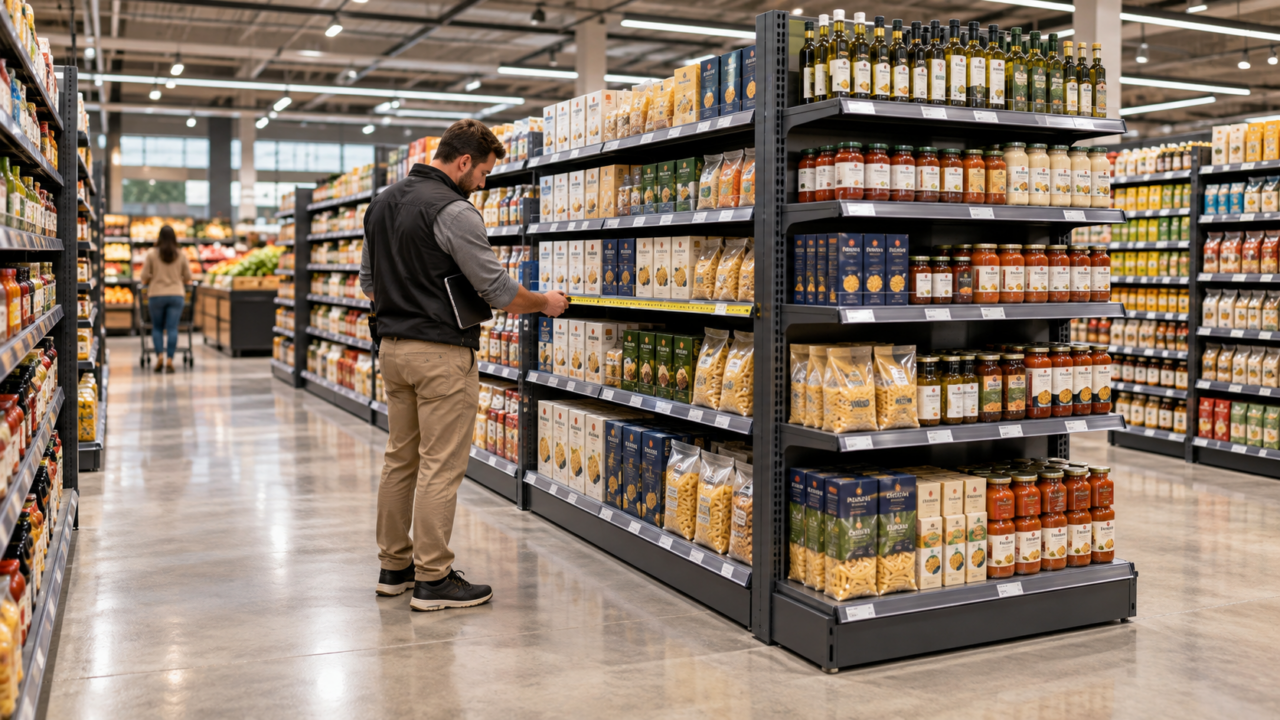
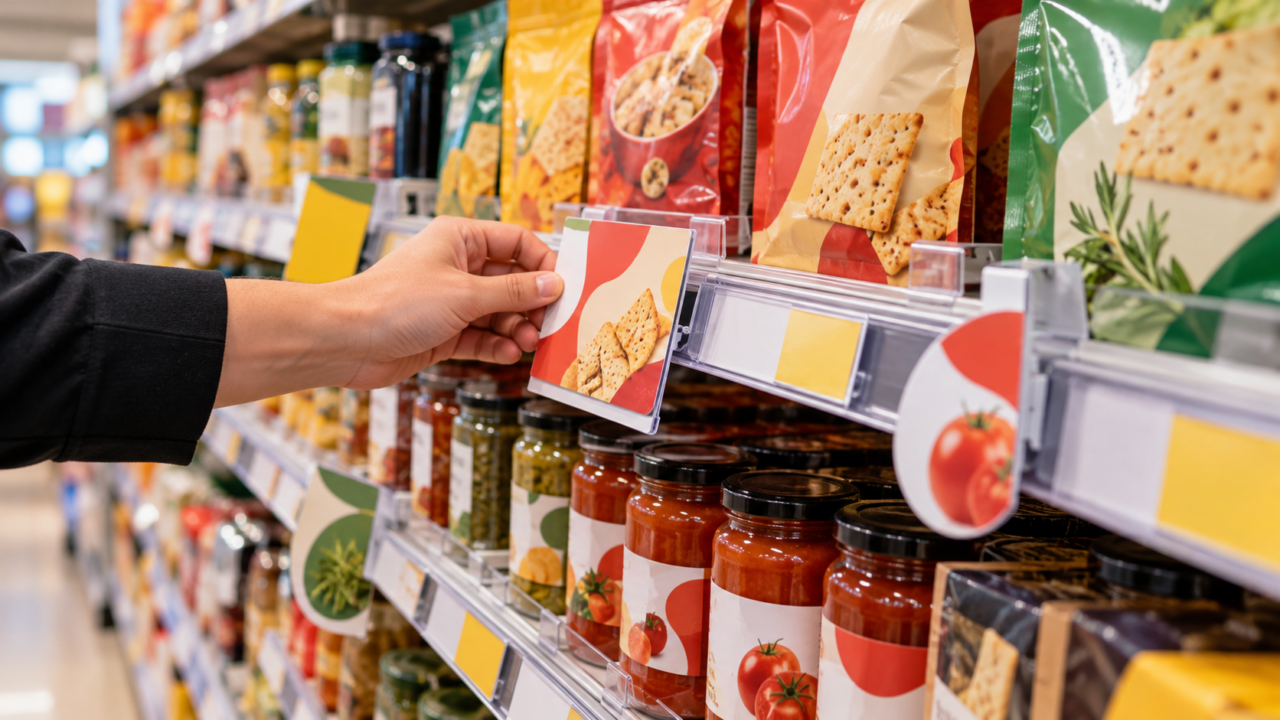
Merchandising optimization is about ensuring the store actually executes the brand’s plan. Planograms get designed by category management, then often get executed inconsistently — shelves are wrong, signage is missing, endcaps stay set up for last season’s campaign weeks past their refresh date.
Optimization here means:
- Photo-verified retail merchandising services on a defined cadence
- Compliance audits that catch out-of-plan execution within days, not quarters
- Coordinated store resets for seasonal pivots and new product launches
- Visual merchandising that drives attention to high-margin SKUs
3. Technology Optimization
Retail revenue optimization requires real-time visibility. You cannot optimize what you cannot measure. Modern retail technology stacks combine:
- Field management software for real-time execution data (see T-ROC Connect under field management software)
- Integrated operations platforms that unify sales, compliance, foot traffic, and inventory (see Retail360)
- Predictive analytics for staffing, forecasting, and replenishment
- Virtual ambassador technology for expert coverage without staffing every site (see VIBA)
4. Shopper Insight Optimization
The fourth lever is understanding what shoppers actually do — not what they say they do in surveys. Direct observation through mystery shopping, foot traffic analytics, and brand ambassador feedback produces the behavioral data that informs every other decision.
See shopper insights for how T-ROC structures behavioral data programs.
How Fortune 500 Retailers Approach Revenue Optimization
The largest retailers and brands typically use a combination of in-house teams and specialized partners. The in-house teams handle category management, pricing, and marketing strategy. Specialized partners like T-ROC handle the operational execution layer — the staffing, merchandising, mystery shopping, and store reset work that turns strategy into store-level reality.
This division makes sense because the operational execution layer is fundamentally a different business — it requires national field talent pools, training infrastructure, scheduling technology, payroll and HR compliance, and proven operational playbooks. Building that in-house for a single brand is rarely cost-effective.
Revenue Optimization Outcomes
A well-executed retail revenue optimization program typically delivers:
- 15-40% same-store sales lift in covered categories within 12 months
- Measurable conversion improvements at the store level (1-3 percentage points)
- Compliance score improvements (typically from 50-70% baseline to 85-95%)
- Reduced labor cost as a percent of sales
- Higher customer satisfaction and NPS
These outcomes compound over time. Stores that operate at optimal staffing and execution levels for 12+ months consistently outperform comparable stores in the same chain.
Where to Start
For brands and retailers new to systematic revenue optimization, the highest-ROI starting points are typically:
- Mystery shopping — establish a baseline of what’s actually happening in stores today
- Compliance audits — identify the largest gaps between plan and execution
- Pilot brand ambassador or merchandising program — measure the lift on a small subset of stores
- Scale what works — roll the proven approach to the full footprint
T-ROC Global has been operating retail revenue optimization programs for Fortune 100 brands and major retailers since 2008. Schedule a consultation to discuss your specific revenue optimization opportunities.