




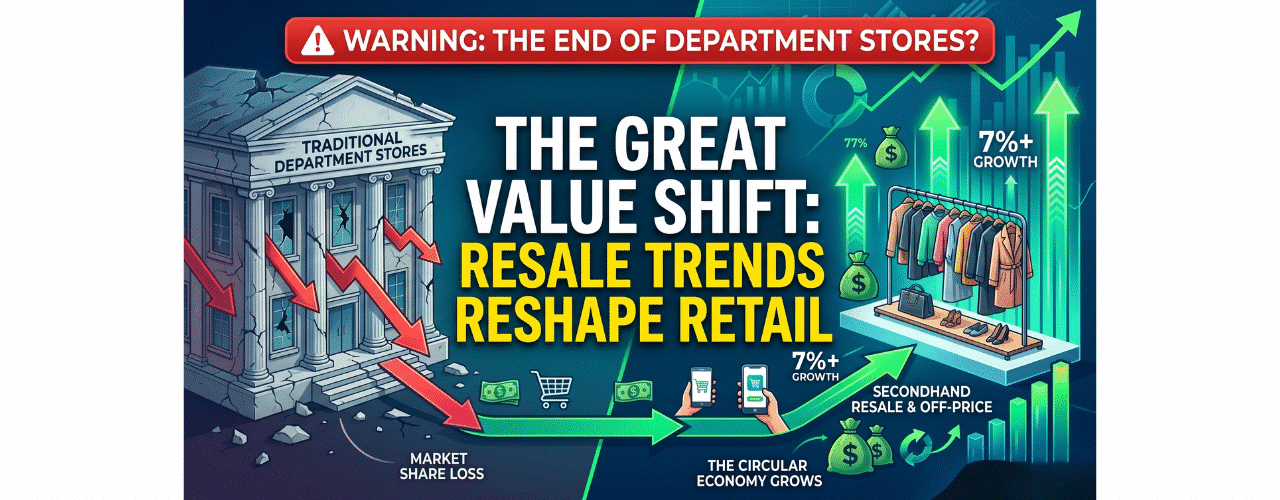
The retail landscape is undergoing a permanent structural re-alignment. For decades, traditional department stores have faced intense pressure, steadily relinquishing ground to mass merchants and agile discounters. Today, an escalating variable has entered the equation: the massive surge of the secondhand market.
Recent economic data reveals that structural resale trends are rapidly capturing market share from legacy retailers. According to a May 2026 report by Bank of America Securities analysts led by Lorraine Hutchinson, apparel resale has emerged as an aggressive challenger to the traditional department store model. Yet, this macroeconomic evolution is not impacting everyone equally.
While legacy formats flounder, the off-price retail segment remains fundamentally insulated. The current inflationary environment has trained modern shoppers to continuously seek creative avenues for value, sending waves of traffic simultaneously to off-price storefronts and digital secondhand marketplaces. Rather than cannibalizing each other, these two value-focused channels are working in tandem to pull market share away from traditional mid-tier apparel operators.
Deconstructing the Scale of the Secondhand Market
The velocity of the secondhand market’s expansion is no longer an indie subculture phenomenon; it is a major macroeconomic engine. Joint research from GlobalData and ThredUp underscores this momentum, revealing that the U.S. secondhand market grew nearly four times faster than the broader apparel market last year. Maintaining a consistent annual growth pace above 7%, domestic resale projections are on track to climb toward a staggering $79 billion by 2030.
This systemic growth is showing up clearly in official economic indicators. The U.S. Commerce Department classifies used merchandise venues within its “miscellaneous store retailers” segment. Driven by this booming circular economy, retail data from April 2026 showed this specific segment surging over 11% year-over-year to hit $15.7 billion in monthly revenue.
[Traditional Department Store Share] ──(Losses)──> [The Consumer Value Pool]
                                                          │
                                         ┌────────────────┴────────────────┐
                                         ▼                                 ▼
                             [Off-Price Retailers]               [Secondhand Resale]
                             • Higher pricing power              • Massive volume surge
                             • Comp store strength               • 7%+ annual industry growth
Interestingly, consumer demographics are shifting upward. While lower-income shoppers have historically anchored value-oriented tiers, financial tracking indicates that affluent, higher-income households actively drove a significant portion of the spending surge in the secondhand market. Assisted by early-year tax refunds, these shoppers are blending thrift practices with mainstream shopping habits to mitigate macro inflation.
The Resale Bottleneck: Operational Realities vs. Off-Price Domination
Despite the rapid transaction volume growth within secondhand platforms, traditional off-price and discount retailers still hold a distinct competitive edge. Bank of America’s longitudinal tracking notes that used apparel underperformed discount apparel in eight of the past twelve months. At major off-price chains, performance remains exceptionally robust, driven concurrently by high customer volumes and healthy average unit pricing (AUP).
Why are off-price giants retaining their dominant pricing power over rapidly growing resale ecosystems? The answer lies within two profound structural bottlenecks:
1. Severe Marketplace Fragmentation
The vast majority of digital resale platforms rely entirely on a decentralized model built around hundreds of thousands of independent, individual sellers. Because these sellers are locked in continuous, direct competition with one another, maintaining premium margins or raising prices becomes functionally impossible. Consequently, while overall household transactions in used apparel jumped nearly 40% year-over-year, the actual financial spend per transaction plummeted by 22%.
2. High-Friction Reverse Logistics
Traditional retail models thrive on identical, mass-produced multi-SKU inventory blocks. Resale operations, conversely, are uniquely difficult to scale. Every individual piece of inventory must be received, physically inspected for authenticity and quality defects, cataloged, photographed, and listed as a unique, standalone SKU. This labor-intensive intake process generates significant operational drag, particularly within digital e-commerce channels.
Strategic Playbooks: Capturing the Value-Seeking Consumer
For retail executives watching these resale trends develop, sitting on the sidelines is not an option. Legacy brands must adopt the operational agility of off-price chains while tapping into the viral appeal of the circular economy.
Streamlining Single-Unit Intake via Automation
To overcome the high overhead of single-item processing, forward-thinking brands are turning to advanced inventory tracking and data integration. Automating the intake pipeline using advanced sorting technology and artificial intelligence decreases the labor hours required to inspect, grade, and list unique secondhand or open-box garments, directly protecting gross profit margins.
Executing High-Density, Flexible Labor Deployments
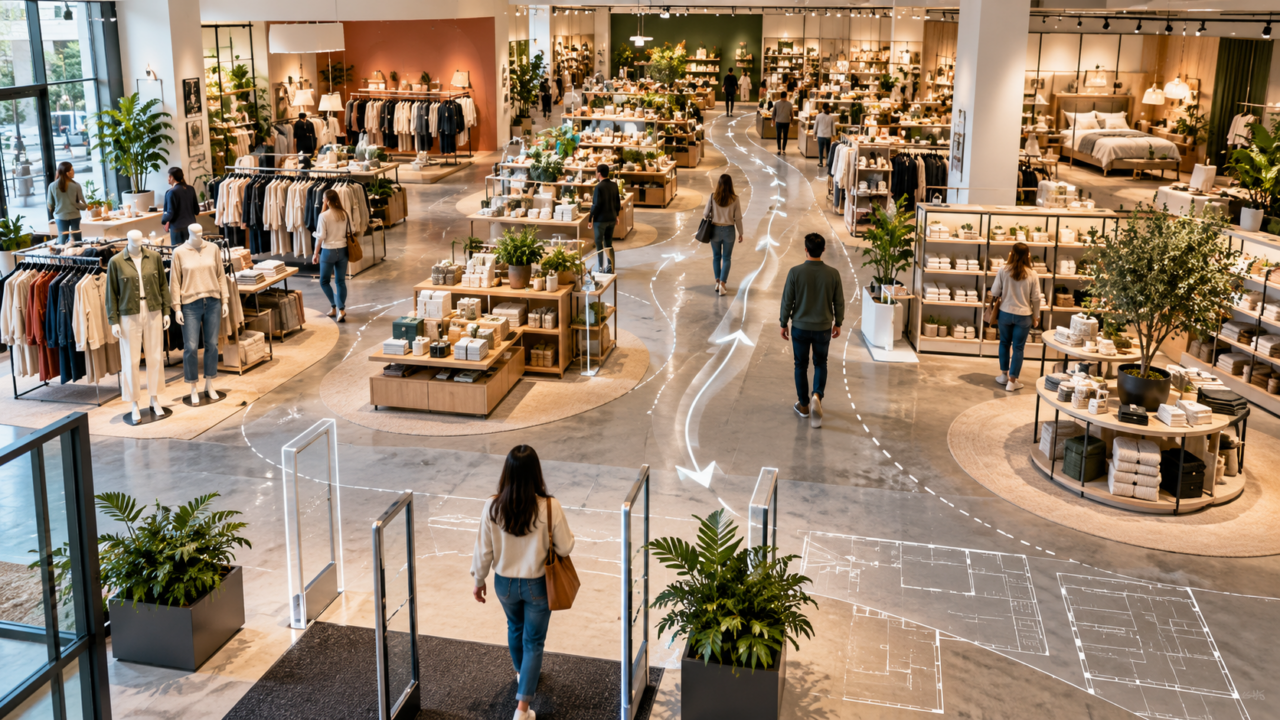
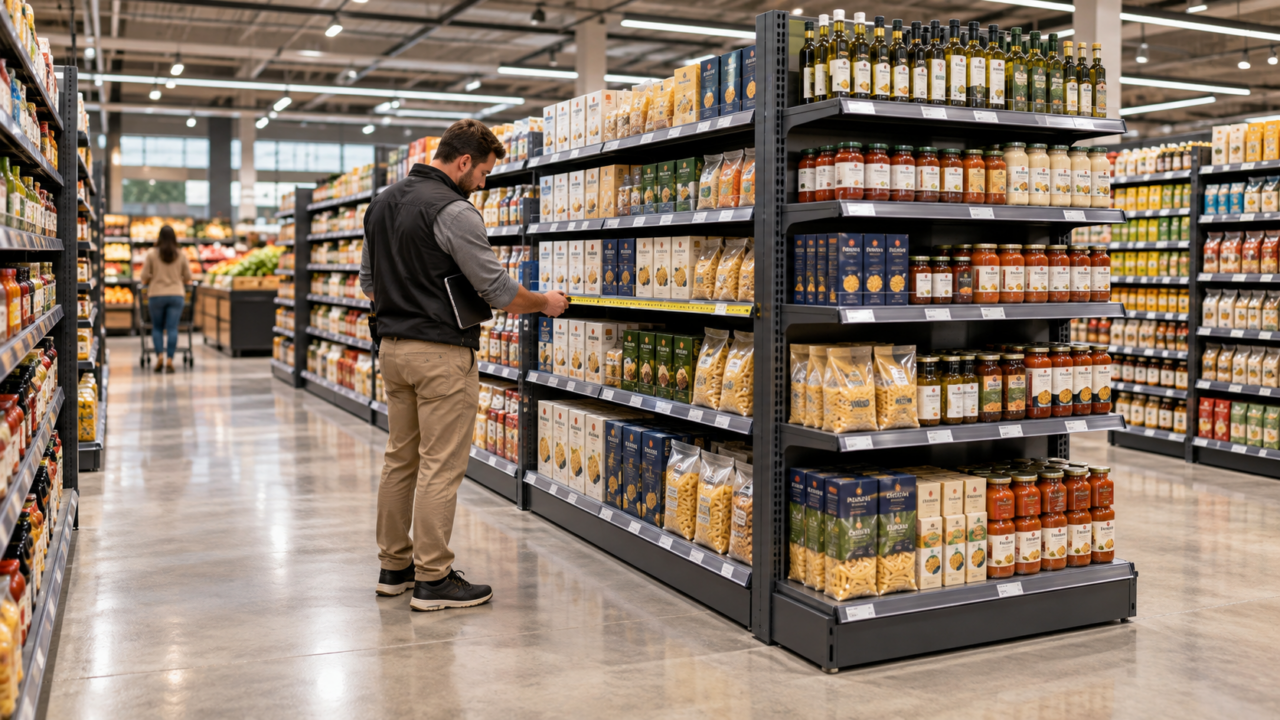
In-store execution remains the ultimate battleground for capturing consumer dollars. Value-focused shoppers demand organized, dynamic floor spaces. When stores suffer from disorganized racks and slow merchandising resets, conversion rates plummet.
Smart operators overcome this by partnering with providers that offer agile and scalable retail staffing solutions. Leveraging a flex-labor workforce allows retail locations to handle sudden inventory influxes and execute rapid floor transformations without bloating fixed, permanent labor costs. Supported by real-time visibility and predictive field insights, these teams ensure that high-margin inventory transitions from the intake dock to the sales floor instantaneously.
Maximizing Engagement Through Frictionless Assistance
Whether browsing a curated secondhand section or hunting for deals in a traditional discount environment, modern consumers expect immediate product answers. Brands can capture this intent directly at the shelf by deploying frictionless virtual customer assistance technology. By utilizing interactive, on-floor digital touchpoints like T-ROC’s VIBA, a single remote product specialist can instantly engage in-store shoppers across dozens of locations, answering questions and driving conversions without requiring additional physical headcount on the floor.
The Path Forward: Balancing Volume and Value
The current evolution of the retail sector proves that value is the ultimate consumer priority. Resale platforms have unlocked an immense wave of transactional volume, but operational friction continues to limit their individual transaction values. Meanwhile, traditional off-price chains continue to dominate through centralized distribution scale and superior pricing power.
For mainstream retailers, navigating these market changes requires a thorough modernization of floor operations and fulfillment logistics. By embracing data-driven field staffing and utilizing smart in-store technology, brands can lower structural costs, optimize single-SKU tracking, and build an experience that aligns perfectly with modern value-seeking consumer behaviors.
Frequently Asked Questions
What is driving the rapid growth of the secondhand and resale market?
Growth is driven by a structural shift toward value-seeking behavior and an expanding circular economy. Research from GlobalData and ThredUp shows the U.S. secondhand market grew nearly four times faster than the broader apparel market last year, holding above 7% annual growth and projected to approach $79 billion by 2030. Commerce Department data also put the used-merchandise segment at $15.7 billion in monthly revenue in April 2026.
How is resale reshaping retail market share?
Resale is taking share from traditional department stores and mid-tier apparel operators by attracting value-focused traffic. Off-price retailers and digital resale marketplaces are working in tandem to pull market share away from legacy formats rather than cannibalizing each other.
Are all types of retailers affected the same way?
No. Legacy department stores are losing ground while the off-price and discount segment remains relatively insulated. Bank of America tracking noted that used apparel underperformed discount apparel in eight of the past twelve months, and off-price chains retain strong customer volumes and average unit pricing.
Who is buying secondhand items?
Purchasing is broadening well beyond lower-income shoppers. Affluent, higher-income households account for a significant portion of the resale spending surge, often blending thrift practices with mainstream shopping and sometimes using tax refunds to stretch purchasing power amid inflation.
What operational challenges limit resale platforms compared with off-price retailers?
Two bottlenecks constrain resale ecosystems: severe marketplace fragmentation across many independent sellers and decentralized inventory, and the operational complexity that follows around sourcing, curation, quality control and scale. Those issues make it harder for resale channels to match the pricing power and reliability of major off-price chains.