

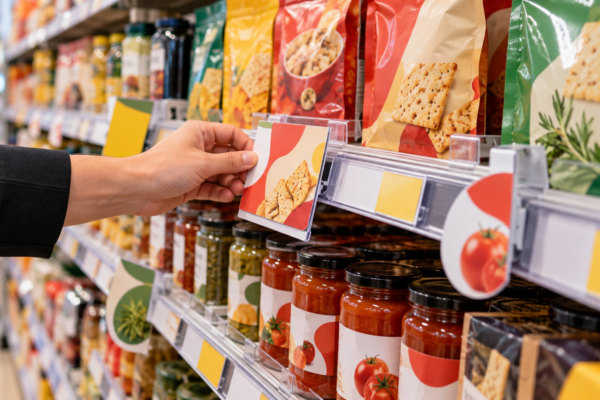


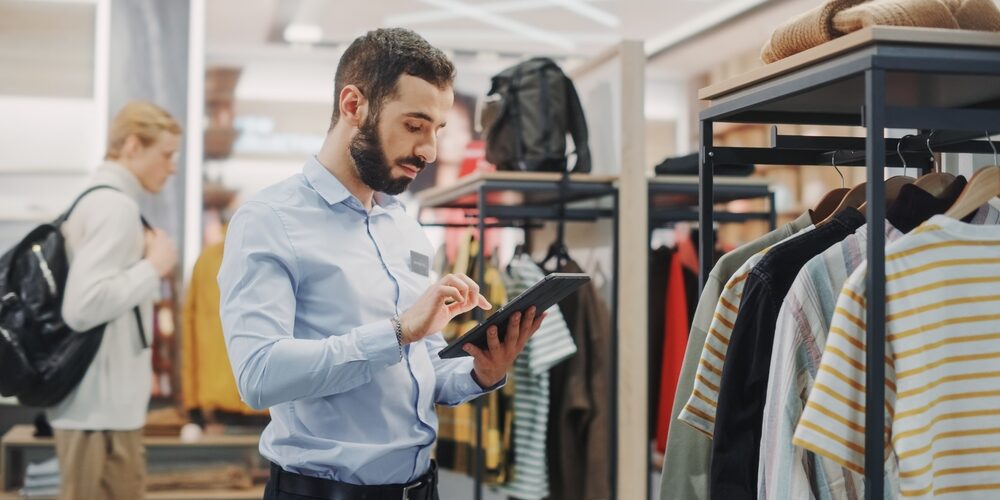
Visual merchandising is the art and science of presenting products in a visually appealing way to maximize sales. It involves creating attractive store displays and layouts that showcase merchandise in its best light, making it irresistible to target customers. This practice goes beyond simply arranging products on shelves; it’s about creating an immersive shopping experience that engages customers and encourages them to purchase.
Retail visual merchandising is a critical aspect of retail marketing that can significantly impact a store’s success. The following guide will explore the fundamentals of retail merchandising, its evolution, and its importance in today’s competitive sales landscape. We’ll delve into core principles, various types, and best practices that can help businesses create compelling visual displays to attract customers and boost sales.
The Psychology Behind Visual Marketing
Understanding consumer psychology is essential for effective merchandising. Visual merchandisers use various psychological principles to influence customer behavior and drive sales. Some key psychological factors include:
- Color psychology: Different colors evoke specific emotions and associations, which can be used to create desired moods and encourage purchases.
- Visual hierarchy: Arranging product displays in a way that guides the customer’s eye to key items or promotions.
- Sensory marketing: Engaging multiple senses to create a more immersive and memorable shopping journey.
- Social proof: Create product displays of popular or trending items to capitalize on current styles.
- Scarcity principle: Creating a sense of urgency by highlighting limited availability or exclusive offers.
Core Principles of Visual Merchandising
Retail stores must master and apply several core principles to implement efficient visual marketing that captivates customers and drives sales. Let’s explore these essential concepts, which can transform ordinary retail spaces into compelling shopping environments.
- Balance and Symmetry: Balance refers to the distribution of visual weight within a display. This can be achieved through symmetrical arrangements, where elements are mirrored on either side of a central point, or asymmetrical designs that create visual interest through contrasting elements.
- Contrast and Focal Points: Contrast helps draw attention to specific products or areas within a store. This can be achieved through color, size, shape, or texture. Focal points are key areas designed to catch the target customer’s eye and guide them through the space.
- Color Theory: Retailers use color to create mood, highlight products, and reinforce brand identity. Understanding color psychology and how different hues interact is essential for creating product displays that draw attention to the store environment.
- The Rule of Thirds: This principle suggests dividing a retail store into a 3×3 grid and placing key customer facing displays along the lines or at their intersections. This creates more balanced visual concepts.
- Storytelling Through Displays: Effective retail visual merchandising often involves creating a narrative or theme that resonates with customers. This storytelling approach can help create emotional connections and make products more relatable and desirable to the target market.
Types of Visual Merchandising
Retail visual merchandising encompasses a variety of display types, each designed to engage customers in unique ways. From captivating window displays to interactive in-store experiences, store management and retailers employ diverse strategies to showcase products and enhance the shopping journey. Let’s explore the main types of merchandising strategies and their roles in creating compelling store environments.
- Window Displays: Window displays are often a customer’s first impression of a store. They are a powerful tool for attracting attention, showcasing new products, and enticing passersby to enter the store.
- In-Store Displays: These displays guide customers through the store, highlight specific products or promotions, and create an overall shopping experience that aligns with the brand’s identity.
- Point-of-Purchase Displays (POS displays): Positioned near checkout areas, these displays encourage impulse purchases by showcasing small, often low-cost items that customers might add to their basket at the last minute.
- Interactive Displays: These engaging displays encourage customers to interact with products, often through technology or hands-on experiences, helping to create memorable brand interactions.
- Digital Merchandising: With the rise of e-commerce and digital signage, visual marketing has expanded into the digital realm, creating new opportunities for engaging customers both online and in-store.
The Visual Merchandising Process
Creating effective visual displays is a systematic process that requires careful planning and execution. A structured approach ensures that visual merchandising efforts align with brand objectives and resonate with target markets. Let’s break down the key steps involved in developing and implementing a successful retail visual merchandising strategy.
- Planning and Merchandising Strategy Development: This initial phase involves setting goals, identifying target audiences, and developing cohesive visual concepts that align with the brand’s marketing objectives.
- Budgeting: Effective resource allocation is crucial for successful visual marketing. This includes budgeting for materials, labor, and any necessary technology or equipment.
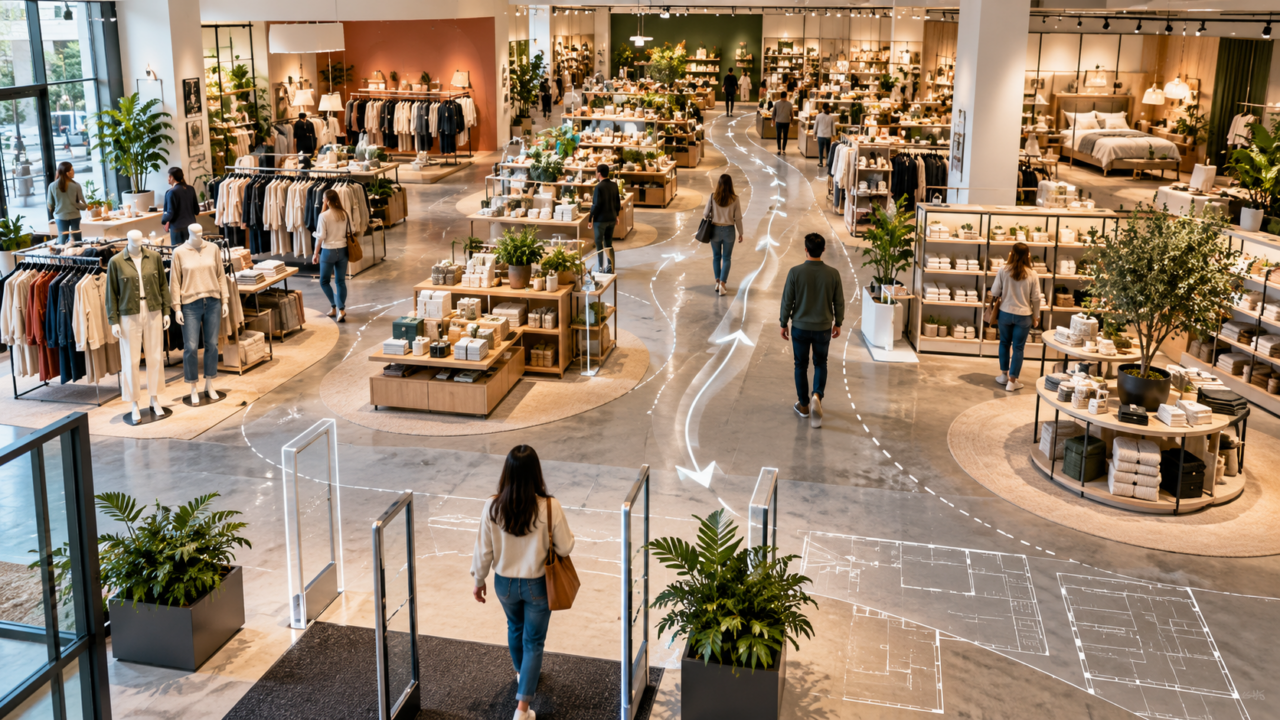
- Designing the Layout: It is essential to create a floor plan that optimizes traffic flow and product visibility. This stage involves deciding on fixture placement, store display locations, and layout.
- Implementation and Execution: This phase involves bringing the design to life, including setting up displays, arranging products, and ensuring all elements are in place according to the plan.
- Evaluation and Adjustment: Continuous assessment of display effectiveness is crucial. This involves analyzing sales data, customer feedback, and foot traffic patterns to make necessary improvements.
Key Elements of Effective Visual Marketing
Several critical components work together to create impactful visual displays. Each element, from lighting and signage to product arrangement and space management, is vital in capturing customer attention and driving sales. Understanding these key elements is essential for crafting visually appealing and commercially effective retail environments.
- Lighting Techniques and Their Impact: Proper lighting can enhance the appearance of products and create ambiance within the store. Different lighting techniques can be used to highlight specific areas or products.
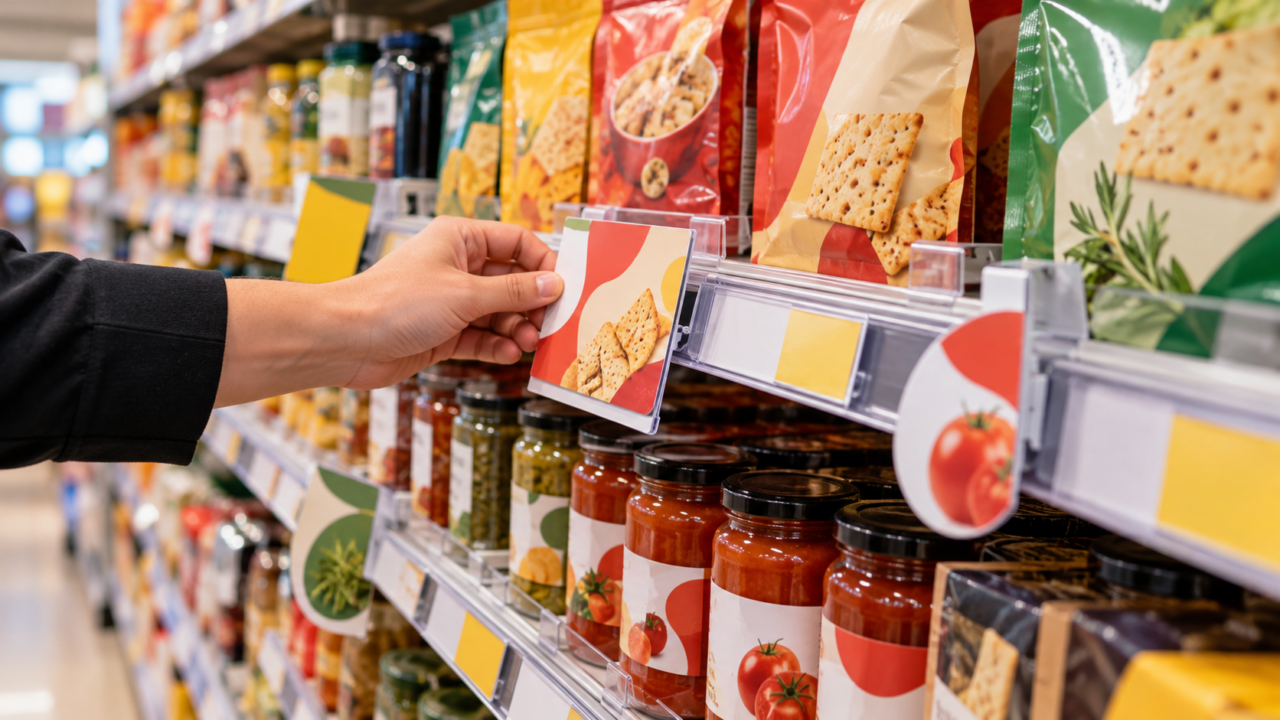
- Signage and Graphics: Clear, attractive signage helps guide customers, provide information about products, and reinforce branding throughout the store.
- Mannequins and Props: These tools help customers visualize products in use and can create aspirational displays that encourage purchases.
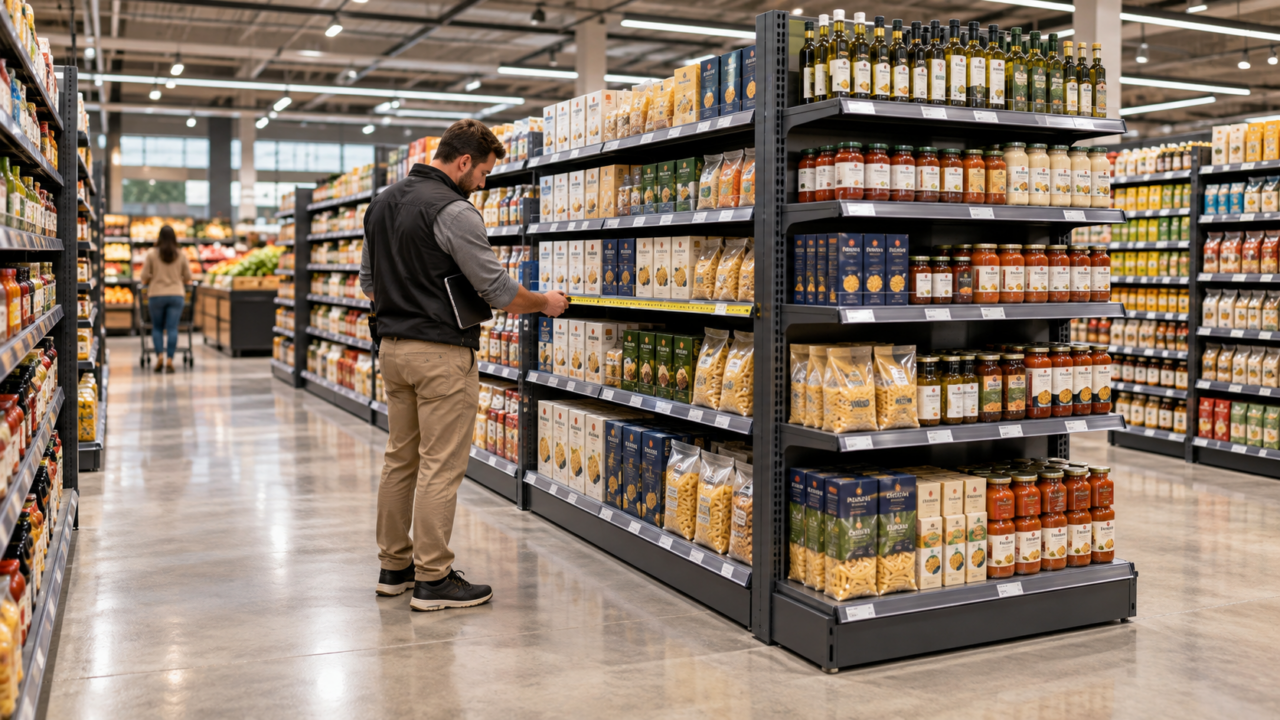
- Product Grouping and Organization: Thoughtful arrangement of product displays can increase sales by creating logical and visually appealing product groupings.
- Space Management and Flow: Effective use of space ensures a comfortable shopping experience and guides customers through the store in a way that maximizes exposure to products.
Merchandising Across Different Retail Sectors
While the core principles of retail visual merchandising remain consistent, their application varies across different retail industries. Each sector presents unique challenges and opportunities for creative product presentation. Let’s examine how merchandising strategies are tailored to meet the specific needs of various retail categories.
- Fashion and Apparel: In this sector, visual marketing often focuses on creating lifestyle-oriented displays that showcase current trends and help customers envision how clothing items can be styled.
- Electronics and Technology: Here, the emphasis is often on interactive displays that allow customers to experience products firsthand, along with clean, modern designs that reflect the nature of the technology.
- Food and Beverage: Visual marketing in this sector often involves creating appetizing product displays that appeal to the senses, with a focus on freshness and quality.
- Home Goods and Furnishings: Interior displays in this category often create room-like settings to help customers visualize products in their own homes.
- Beauty and Cosmetics: Store design in this sector often emphasizes color, texture, and aspirational lifestyle imagery to appeal to customers’ desire for self-improvement and luxury.
Seasonal and Thematic Merchandising
Keeping retail displays fresh and relevant is crucial for maintaining customer interest throughout the year. Seasonal and thematic retail visual merchandising allows retailers to create timely, engaging shopping experiences that capitalize on holidays, events, and changing consumer preferences. This approach helps drive foot traffic and boost sales during key periods.
- Holiday-Specific Displays: Creating customer facing displays that celebrate major holidays can drive seasonal sales and create a festive atmosphere in-store.
- Seasonal Transitions in Merchandising: Smoothly transitioning between seasons helps keep displays current and can drive sales of seasonal products.
- Event-Based Merchandising: Capitalizing on local or national events through themed displays can create timely and engaging shopping experiences.
- Creating Cohesive Themes Across Stores: For retailers with multiple locations, maintaining consistent themes across stores helps reinforce brand identity while allowing for local customization.
Technology in Visual Merchandising
The digital revolution has transformed visual marketing, introducing innovative tools and techniques. From augmented reality to data analytics, technology enhances how retailers design, implement, and optimize their visual displays. These advancements are creating more immersive, personalized shopping experiences while providing insights into customer behavior.
- Augmented Reality (AR): AR technology allows customers to visualize products in their own space, enhancing the shopping experience both in-store and online.
- Virtual Reality (VR) for Planogram Creation: VR tools enable retailers to create and test store layouts and displays virtually before implementing them in physical spaces.
- Digital Signage and Interactive Displays: These technologies provide dynamic, updateable content that can be tailored to specific times, audiences, or promotions.
- Data Analytics for Optimizing Merchandising Strategies: Advanced analytics help retailers understand customer behavior and preferences, allowing for more targeted and effective retail visual merchandising strategies.
Visual Merchandising for E-commerce
As online shopping continues to dominate the retail landscape, merchandising principles are being adapted for digital platforms. E-commerce merchandising focuses on creating compelling product presentations and user experiences in the virtual realm. This section explores how traditional merchandising concepts are being reimagined for the digital age.
- Product Photography Best Practices: High-quality, detailed product images are crucial for online merchandising, helping customers make informed purchasing decisions.
- Creating Compelling Product Pages: Well-designed product pages that showcase items effectively and provide information can significantly impact online sales.
- Virtual Showrooms and 3D Product Visualization: These technologies allow customers to explore products in a virtual environment, bridging the gap between online and in-store experiences.
- Consistency Between Online and In-Store Merchandising: Maintaining a cohesive visual brand strategy across all channels helps reinforce brand identity.
- Mobile-Friendly Merchandising: With mobile shopping on the rise, it is crucial to ensure that visual elements are optimized for smaller screens.
- Social Media as a Merchandising Tool: Platforms like Instagram and Pinterest have become powerful merchandising tools, allowing store management to showcase products and engage with customers in new ways.
- Creating a Consistent Brand Image Across Channels: Maintaining visual consistency across all channels reinforces brand identity and creates a cohesive customer experience.
Visual Merchandising and Brand Identity
Effective visual merchandising goes beyond product presentation; it’s a tool for communicating brand strategy and values. By aligning displays with a brand’s core aesthetics and ethos, retailers can create distinctive shopping experiences that resonate with their target audience. This section explores how visual merchandising reinforces brand identity and fosters customer loyalty.
- Aligning Displays with Brand Values and Aesthetics: Visual displays should reflect the brand’s core values and visual style, creating a cohesive experience.
- Creating a Unique Brand Experience Through Merchandising: Using merchandising to create product displays that are memorable can help differentiate a brand from competitors.
- Balancing Brand Consistency with Local Market Adaptation: While maintaining brand consistency, allowing for some local adaptation can help brands resonate with specific market segments.
- Collaborations and Pop-Up Experiences: Temporary collaborations and pop-up stores offer opportunities for unique visual marketing experiences that can generate buzz and attract new customers.
Measuring the Effectiveness of Visual Merchandising
To optimize merchandising strategies, measure their impact on customer behavior and sales performance. From key performance indicators to advanced analytics tools, retailers have various methods at their disposal to evaluate the effectiveness of their visual displays. This section outlines approaches for quantifying the success of retail visual merchandising efforts and making data-driven improvements.
- Key Performance Indicators (KPIs) for Merchandising: Tracking metrics such as sales per square foot, conversion rates, store POS reporting, and average transaction value can help assess the effectiveness of merchandising strategies.
- A/B Testing In-Store Displays: Comparing the performance of different product displays can provide insights into what resonates with customers.
- Customer Feedback and Surveys: Gathering direct feedback from customers can provide qualitative insights into the effectiveness of visual merchandising efforts.
- Heat Mapping and Traffic Flow Analysis: Tracking customer movement through a store with technology can optimize layout and display placement.
Sustainability in Visual Merchandising
As environmental consciousness grows among consumers, sustainability has become a key consideration. Retailers are finding innovative ways to create eco-friendly displays that appeal to environmentally conscious shoppers without compromising on visual appeal. This section explores how sustainability is being integrated into visual merchandising practices.
- Eco-Friendly Materials for Displays: Using sustainable materials for displays and fixtures can appeal to environmentally conscious consumers and reduce a store’s environmental impact.
- Upcycling and Repurposing: Creative reuse of materials can create unique displays while demonstrating a commitment to sustainability.
- Communicating Sustainability Through Displays: Visual merchandising can be used to highlight a brand’s sustainable practices and products, appealing to eco-conscious consumers.
- Balancing Sustainability with Visual Appeal: The challenge is to create product displays that are both environmentally friendly and that draw attention.
Visual Merchandising Best Practices
To maximize the effectiveness of visual concepts, consider these best practices:
- Keeping Displays Fresh and Updated: Regularly updating product displays keeps the shopping experience fresh and gives customers new reasons to visit.
- Effective Use of Negative Space: Thoughtful use of empty space can create a sense of luxury and help highlight key products.
- Creating Multi-Sensory Experiences: Engaging multiple senses can create a more immersive and memorable store environment.
- Accessibility Considerations: Ensuring that displays and store layouts are accessible to all customers is both ethically important and good for business.
Common Merchandising Mistakes to Avoid
Despite the best intentions, store management can fall into common pitfalls that undermine their visual merchandising efforts. Awareness of these potential mistakes is crucial for creating effective displays that truly resonate with customers. This section highlights frequent errors in visual merchandising and provides guidance on how to avoid them.
- Overcrowding Displays: Cluttered displays can overwhelm customers and make products less appealing.
- Neglecting Maintenance and Cleanliness: Poorly maintained product displays can negatively impact brand perception and customer experience.
- Inconsistent Branding: Displays that don’t align with brand strategy can confuse customers and dilute brand impact.
- Ignoring Customer Behavior and Preferences: Failing to consider how customers actually shop and interact with products can lead to ineffective displays.
Visual merchandising is an important element of a retailer’s merchandising strategy, and a powerful tool that can significantly impact a retailer’s success. By understanding and applying the principles outlined in this guide, visual merchandisers can create compelling visual displays that attract customers, enhance the shopping experience, and drive sales. As the retail landscape continues to evolve, staying up-to-date with the latest trends, examples, and technologies in visual merchandising will be crucial for maintaining a competitive edge.
Empowering Brands, Engaging Customers: The T-ROC Story
What sets T-ROC apart is our entrepreneurial spirit and fresh perspective on retail challenges. We’re constantly innovating and thinking outside the box to provide services that not only meet but exceed our clients’ expectations. Our team is driven by a passion for helping businesses improve their bottom line through strategic staffing, targeted training, and technological innovation.
At T-ROC, we’re committed to being more than just a service provider – we’re your partner in success. We understand the unique challenges faced by businesses in today’s fast-paced retail environment, and we’re dedicated to developing customized solutions that drive real results.
Whether you’re a marketing director looking to launch a new product, a CEO seeking to optimize your retail strategy, or a business owner aiming to improve customer engagement, T-ROC has the expertise and resources to help you achieve your goals.
Join us in revolutionizing the retail experience. Discover how T-ROC can help your business thrive in an ever-evolving marketplace.
Frequently Asked Questions
What is the main purpose of visual merchandising?
The main purpose of retail visual merchandising is to attract, engage, and motivate customers to make purchases. It involves creating visually appealing product displays and store layouts that showcase merchandise effectively, enhance the shopping experience, and ultimately drive sales. Visual merchandising aims to create an environment that presents products in their best light, tells a brand’s story, and creates an emotional connection with customers.
How does visual merchandising affect consumer behavior?
Visual merchandising shapes consumer behavior through a variety of psychological and practical mechanisms. Creating compelling first impressions draws customers into stores and immediately sets the tone for their shopping journey. Once inside, effective retail visual merchandising guides customers through the space, subtly directing their attention to specific products or promotions. Strategic product placement can significantly influence purchasing decisions, often leading to unplanned or impulse buys. Moreover, visual merchandising evokes emotions and desires that encourage purchases by creating aspirational displays or tapping into customers’ lifestyle preferences. It also enhances brand perception and loyalty by consistently communicating brand values and aesthetics through carefully curated displays.
How can I improve my visual marketing skills?
Improving your visual marketing skills is an ongoing process that combines learning, practice, and adaptation. Start by studying successful retail displays and analyzing their techniques, paying close attention to how they use space, color, and lighting to create impact. Stay updated on current trends in retail design and consumer behavior through industry publications and online resources. Regularly practice creating product displays to experiment with different concepts, even in small spaces. Don’t be afraid to experiment with different layouts and product arrangements, seeking feedback from colleagues and customers to refine your approach. Finally, continuously evaluate and refine your techniques based on performance metrics, always striving to improve and innovate.
Read the complete guide: Retail Merchandising & Visual Display →
T-ROC Editorial Team
The T-ROC editorial team brings 20+ years of retail industry expertise across brand ambassador programs, mystery shopping, retail merchandising, and managed technology solutions. Learn more about T-ROC.