



Every January, the Consumer Electronics Show transforms Las Vegas into a proving ground for the technologies that will reshape retail over the next twelve months. But for brands that sell through physical retail channels, CES 2026 retail execution is not about what happens on the show floor — it is about what happens in the aisle weeks and months later. The gap between a dazzling product launch at CES and consistent, profitable shelf presence in 4,000 stores is where most brands either win or quietly lose market share.
In 2026, that gap is wider and more consequential than ever. Product cycles are shorter, consumer expectations are shaped by real-time social media, and retailers are demanding flawless execution from Day One. Brands that treat CES as a marketing moment rather than an operational trigger are leaving revenue on the table. For a comprehensive look at how technology is reshaping in-store operations, see T-ROC’s retail technology guide.
This article breaks down the CES 2026 retail execution landscape: which technologies matter most for in-store performance, how leading brands translate innovation into aisle-level results, and why field teams remain the critical — and often underinvested — link in the chain.
Key CES 2026 Retail Technology Announcements
CES 2026 delivered a wave of announcements that have direct implications for how products are sold, displayed, and supported at retail. Unlike previous years where the headlines centered on concept devices and moonshot prototypes, this year’s show was defined by technologies that are production-ready and designed for deployment at scale.
AI-Powered Shelf Intelligence
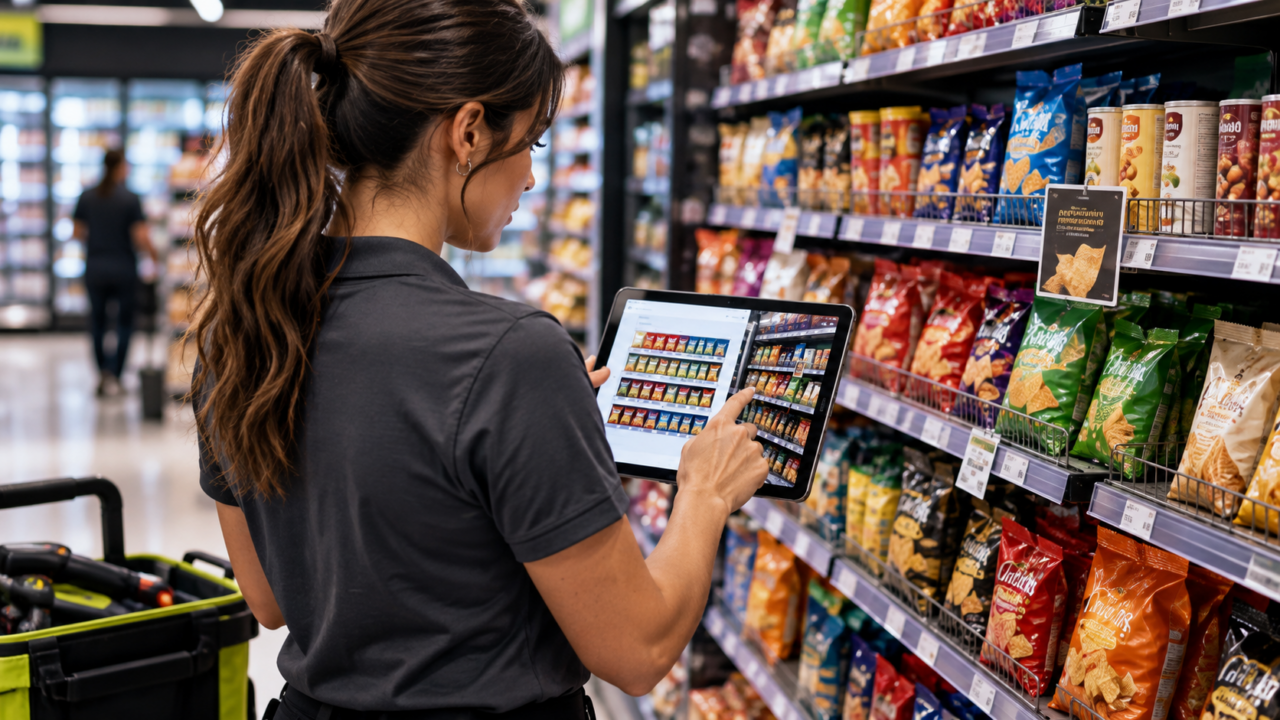
Multiple vendors unveiled computer vision systems capable of real-time shelf monitoring. These platforms use ceiling- or aisle-mounted cameras paired with edge computing to detect out-of-stocks, planogram deviations, and pricing errors within minutes rather than hours. For brands, this means the feedback loop between a compliance failure and a corrective action has collapsed from days to near-real-time — but only if there is a field team ready to act on the alert.
Connected Product Displays and Interactive Endcaps
Interactive display technology made a significant leap at CES 2026. New modular endcap systems integrate touchscreens, NFC sensors, and QR-triggered product demos into a single fixture that can be updated remotely. Brands in consumer electronics, home appliances, and personal care are already piloting these displays in partnership with national retailers. The operational implication is substantial: each connected display requires installation, calibration, content loading, and ongoing maintenance — tasks that fall squarely on field execution teams.
In-Store Analytics Dashboards
Several CES exhibitors introduced unified analytics platforms that combine foot traffic data, dwell-time heatmaps, and transaction data into a single dashboard accessible to brand teams. These tools give brand managers unprecedented visibility into how shoppers interact with their products at the shelf. However, the data is only valuable when paired with the operational capacity to respond. A heatmap that shows low engagement in a high-traffic zone is an insight; a field rep who repositions the display and retrains associates is the execution.
Robotics and Automated Inventory Scanning
Autonomous inventory-scanning robots were a recurring theme. Retailers including Walmart and Kroger have expanded pilot programs using shelf-scanning robots that audit inventory levels overnight. While these systems improve data accuracy, they do not resolve the underlying execution challenge: someone still needs to pull product from the backroom, build displays, and ensure the shopper experience matches the brand standard. Robotics augment human execution — they do not replace it.
For brands evaluating which CES 2026 technologies to invest in, the decision framework should center on one question: does this technology make our field execution faster, more accurate, or more scalable? If the answer is yes, it belongs in the operational roadmap. If it only generates data without a clear path to action, it will become shelfware within a quarter. T-ROC’s State of Retail Execution 2026 report explores this framework in detail.
How Brands Translate CES Innovation into In-Store Execution
The distance between a CES announcement and a functioning retail program is measured not in miles but in operational disciplines. Brands that consistently win at retail — the ones whose new products achieve full distribution velocity within 30 days of launch — share a common playbook that connects innovation to execution through deliberate, sequential steps.
Step 1: Pre-Show Retailer Alignment
The most effective brands begin their CES 2026 retail execution strategy months before the show. They align with retail buyers on launch timelines, display specifications, and promotional calendars. By the time the product is unveiled at CES, the retail infrastructure — shelf space, planogram slots, promotional windows — is already confirmed. Brands that wait until after CES to begin retailer conversations lose four to six weeks of critical lead time.
Step 2: Rapid Prototype-to-Planogram Translation
Within days of a CES announcement, winning brands deliver final packaging specs, display renderings, and training materials to their retail partners. This is not a creative exercise — it is a logistics and compliance exercise. Planogram updates, shelf tags, and UPC registrations all need to be completed before a single unit reaches a distribution center. Brands with mature retail operations capabilities compress this timeline dramatically.
Step 3: Field Team Briefing and Certification
No amount of technology can substitute for a well-briefed field team. Before a new product hits shelves, brand ambassadors and field reps need hands-on training with the product, clear guidelines on display standards, and a communication channel for escalating issues. This briefing must happen at scale — across hundreds of reps covering thousands of doors — and it must happen fast. Brands that invest in pre-launch certification programs consistently achieve higher compliance rates in the first two weeks of a launch, which is the window that determines long-term velocity.
Step 4: Launch Week Blitz Execution
The first seven days after a product reaches retail shelves are disproportionately important. Consumer awareness peaks during this window due to CES media coverage, influencer content, and retailer advertising. If the product is not on the shelf, the display is not built, or the associate cannot answer basic questions, the brand loses the highest-intent traffic it will see all quarter. Launch week blitz teams — dedicated field reps deployed at high-priority doors — are the single highest-ROI investment a brand can make during this period.
Step 5: Continuous Compliance Monitoring
Execution does not end after launch week. Planogram compliance degrades over time as store resets, seasonal shifts, and competitive activity erode initial placement. Brands need an ongoing audit cadence — weekly or biweekly store visits — to maintain the standards established during launch. The brands that sustain velocity beyond the first 30 days are invariably the ones that fund sustained field coverage, not just launch-week surges.
The Role of Field Teams in Launching New Consumer Electronics
Consumer electronics is arguably the most execution-dependent category in retail. Products are complex, displays are sophisticated, and the shopper’s purchase decision often hinges on a live demonstration or a knowledgeable associate interaction. This makes field teams not just important but essential to CES 2026 retail execution success.
Product Knowledge Transfer
When a new smart home device, wearable, or connected appliance reaches a Best Buy, Target, or Walmart shelf, the retail associate responsible for that department may be managing 200 or more SKUs across multiple brands. Expecting that associate to independently learn the features, benefits, and competitive positioning of a new CES product is unrealistic. Field teams — particularly brand ambassadors — fill this gap by conducting in-store training sessions, distributing quick-reference materials, and providing live demo support during peak traffic periods.
Display Build and Maintenance
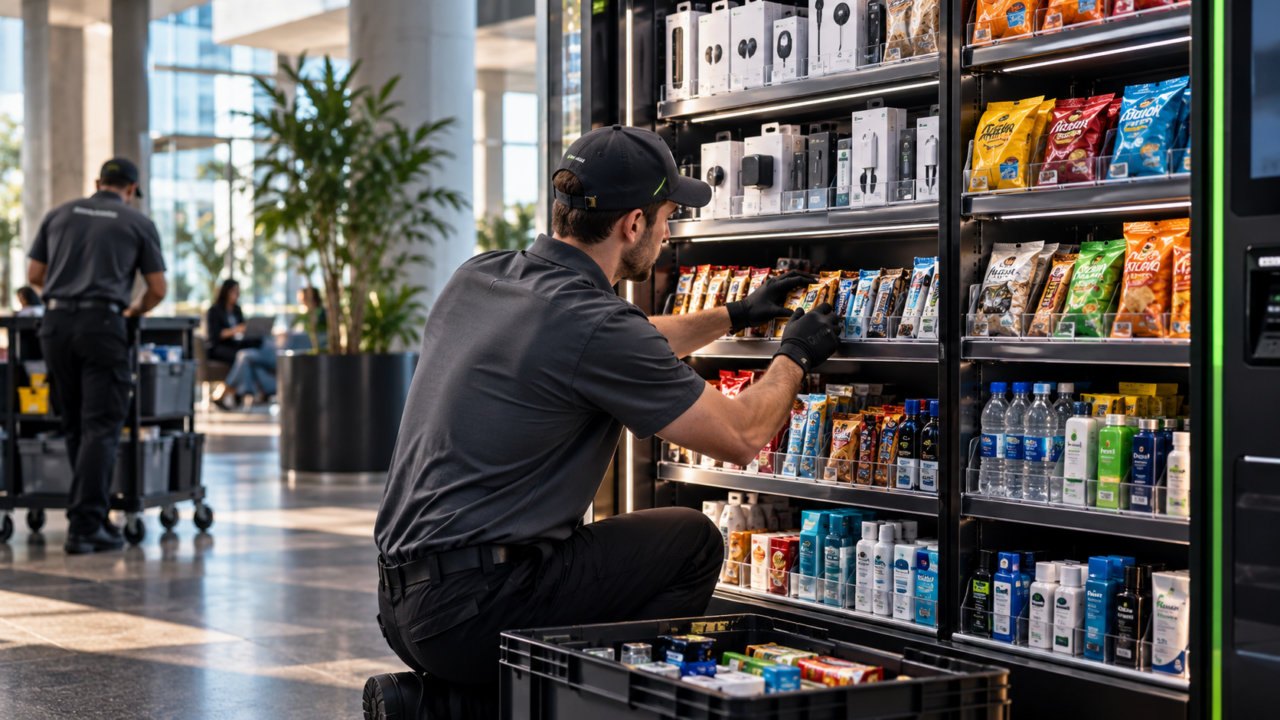
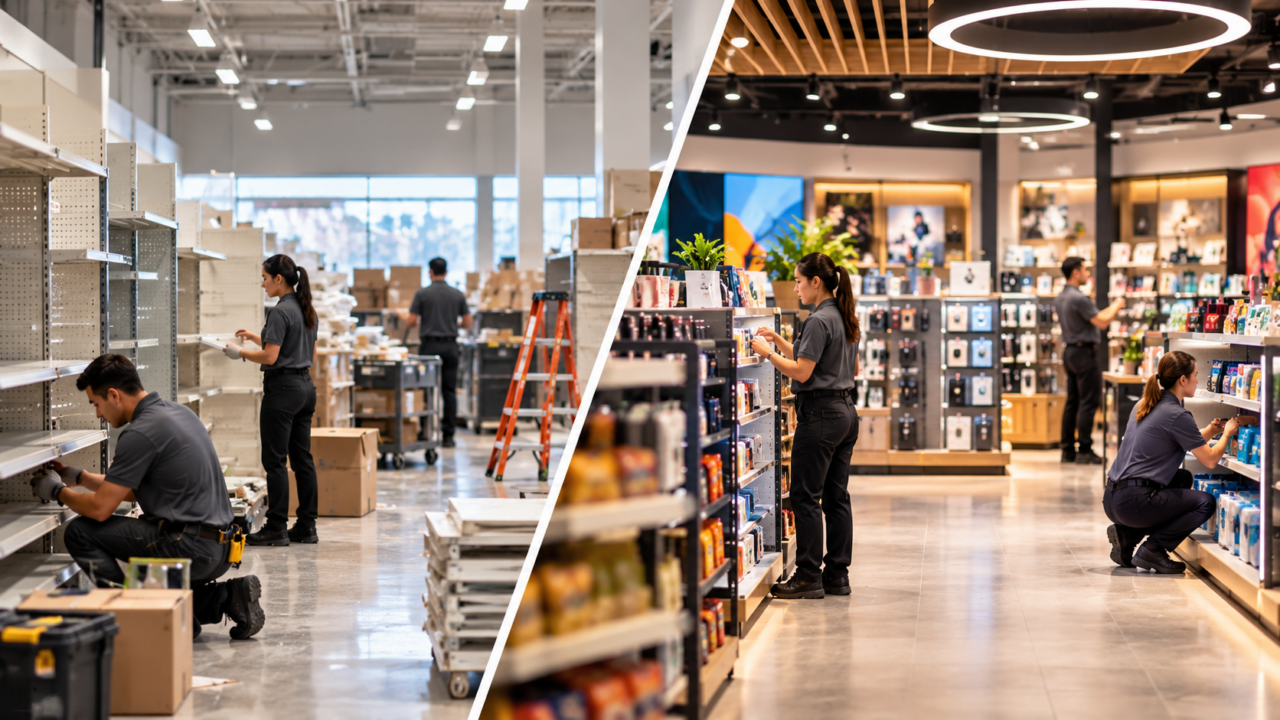
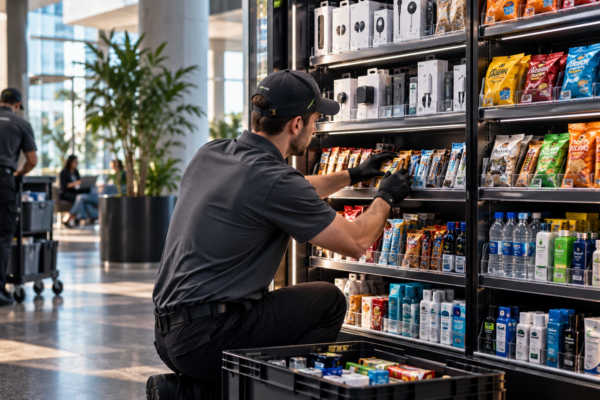
Consumer electronics displays are among the most complex fixtures in retail. Interactive demo units require power, network connectivity, security tethers, and software configuration. Endcaps and inline displays must conform to retailer-specific planogram requirements that vary by banner and sometimes by individual store. Field teams with technical training handle the initial build, and ongoing maintenance visits ensure that demo units remain functional, clean, and stocked with current firmware and content.
Competitive Monitoring
The consumer electronics aisle is a zero-sum environment. When a competitor launches a new product at CES, they are deploying field teams to capture incremental shelf space, negotiate better display positions, and train associates to recommend their product over yours. Brands without active field coverage in this window are ceding ground by default. Field reps provide real-time competitive intelligence — photos of competitor displays, reports on associate sentiment, and alerts about unauthorized price changes — that enables brand teams to respond quickly rather than reactively.
Post-Launch Performance Optimization
Field teams generate the ground-truth data that brand managers need to optimize their retail programs. Which stores are converting? Where are displays underperforming? Which associates are driving the most demos? This feedback loop — field observation informing headquarter strategy, which in turn refines field priorities — is the engine of sustained retail execution. Without field teams, brands are flying blind with aggregated sell-through data that arrives weeks late and lacks the contextual detail needed to take action.
The economics are straightforward. Brands that deploy dedicated field teams for CES-adjacent product launches consistently report 15-25% higher first-month sell-through compared to launches supported only by broker networks or retailer staff. In a category where product lifecycles are measured in quarters, that early velocity advantage compounds into meaningful market share gains over the full product lifecycle.
FAQ
What is CES 2026 retail execution?
CES 2026 retail execution refers to the end-to-end process of translating product announcements and technology innovations unveiled at the Consumer Electronics Show into consistent, compliant, and profitable in-store presence across retail locations. It encompasses retailer alignment, planogram updates, field team deployment, display builds, associate training, and ongoing compliance monitoring. Brands with strong CES retail execution capabilities convert show-floor buzz into measurable sell-through velocity at the shelf level.
How long does it take to get a CES product onto retail shelves?
For brands with mature retail operations, the timeline from CES announcement to in-store availability can be as short as two to four weeks for products that were pre-aligned with retail buyers before the show. For brands starting retailer conversations after CES, the timeline stretches to eight to twelve weeks or longer. The primary bottleneck is not manufacturing or shipping — it is the retail onboarding process: planogram approval, UPC registration, display fixture procurement, and field team briefing. Brands that compress this timeline gain a critical advantage during the post-CES consumer awareness window.
Why are field teams important for consumer electronics launches?
Consumer electronics products are complex, display-intensive, and dependent on associate knowledge for conversion. Field teams — including brand ambassadors, merchandisers, and technical reps — ensure that displays are built correctly, demo units are functional, associates understand the product’s value proposition, and planogram compliance is maintained over time. Without dedicated field coverage, brands rely on overextended retail associates who may be managing hundreds of competing SKUs, resulting in lower demo rates, higher display downtime, and reduced sell-through.
What technologies from CES 2026 will have the biggest impact on retail execution?
The CES 2026 technologies with the most immediate impact on retail execution are AI-powered shelf monitoring systems, connected interactive displays, unified in-store analytics platforms, and autonomous inventory-scanning robots. Each of these technologies improves the speed or accuracy of data collection at the store level. However, none of them eliminate the need for human execution. The brands that will benefit most are those that pair these technologies with skilled field teams who can act on the data in real time, closing the loop between insight and action.
How can brands measure the success of their CES retail execution strategy?
The most meaningful metrics for evaluating CES retail execution are first-week and first-month sell-through rates, planogram compliance percentage, display uptime, share of shelf versus plan, and speed to full distribution. Brands should also track field team activity metrics — store visits completed, displays built, associates trained, and issues escalated — to understand the operational inputs driving those outcomes. Comparing these metrics against prior product launches and against competitors’ performance in the same retail banners provides the context needed to assess whether the CES execution strategy is delivering a return on investment.