



Retail technology in 2026 is no longer a future story — it is reshaping in-store operations, customer experience, and competitive dynamics right now. The brands and retailers pulling ahead this year are the ones treating retail tech as an operational capability (not just a marketing headline), integrating platforms that deliver real-time visibility, predictive analytics, and AI-augmented customer interaction at scale.
Below are the retail technology trends actually moving the needle in 2026 — the ones with measurable adoption, real revenue impact, and a clear path from pilot to footprint-wide rollout. This is not a list of hype; each trend is drawn from what’s working across Fortune 100 retail partnerships managed through the T-ROC Retail360 platform.
1. AI-Augmented In-Store Execution
The single biggest 2026 shift: real-time AI guiding in-store associates through the customer interaction. Not chatbots replacing humans — AI copilots making trained associates more effective. Examples in production at leading retailers:
- Real-time product intelligence on the associate’s handheld — “this customer looked at X online; suggest Y as upgrade”
- Predictive restock alerts driven by store-level sales velocity
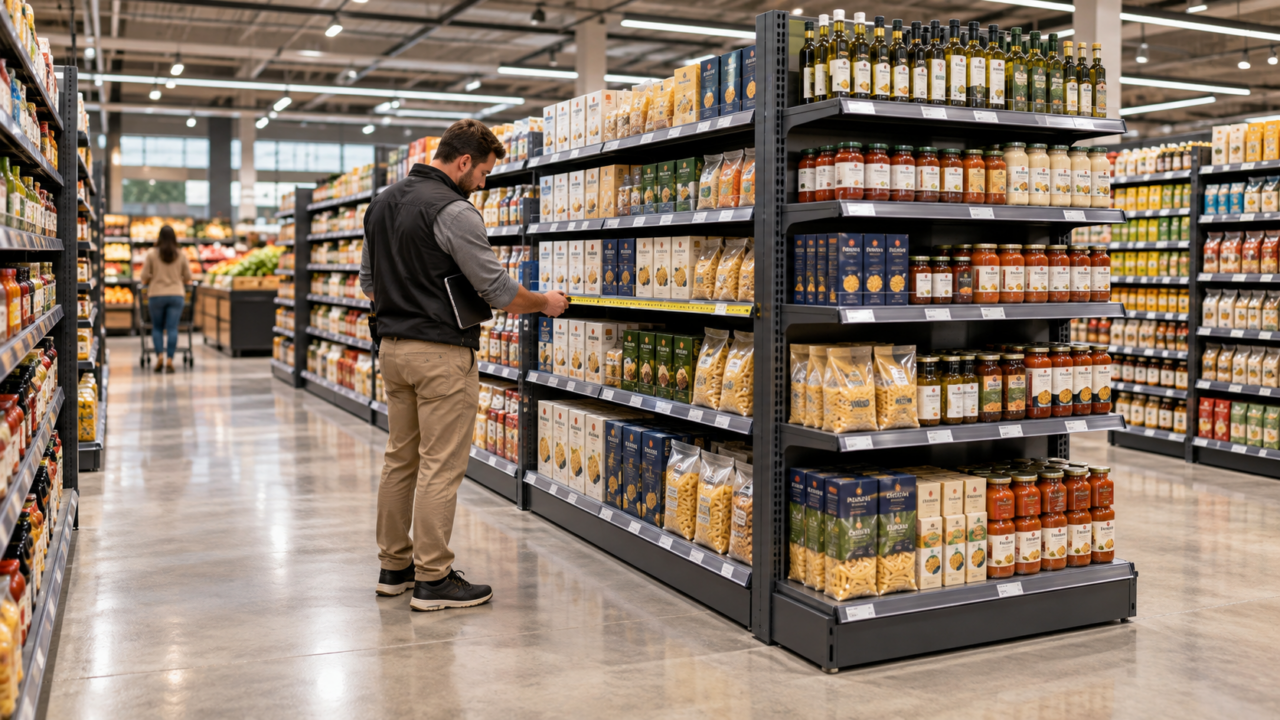
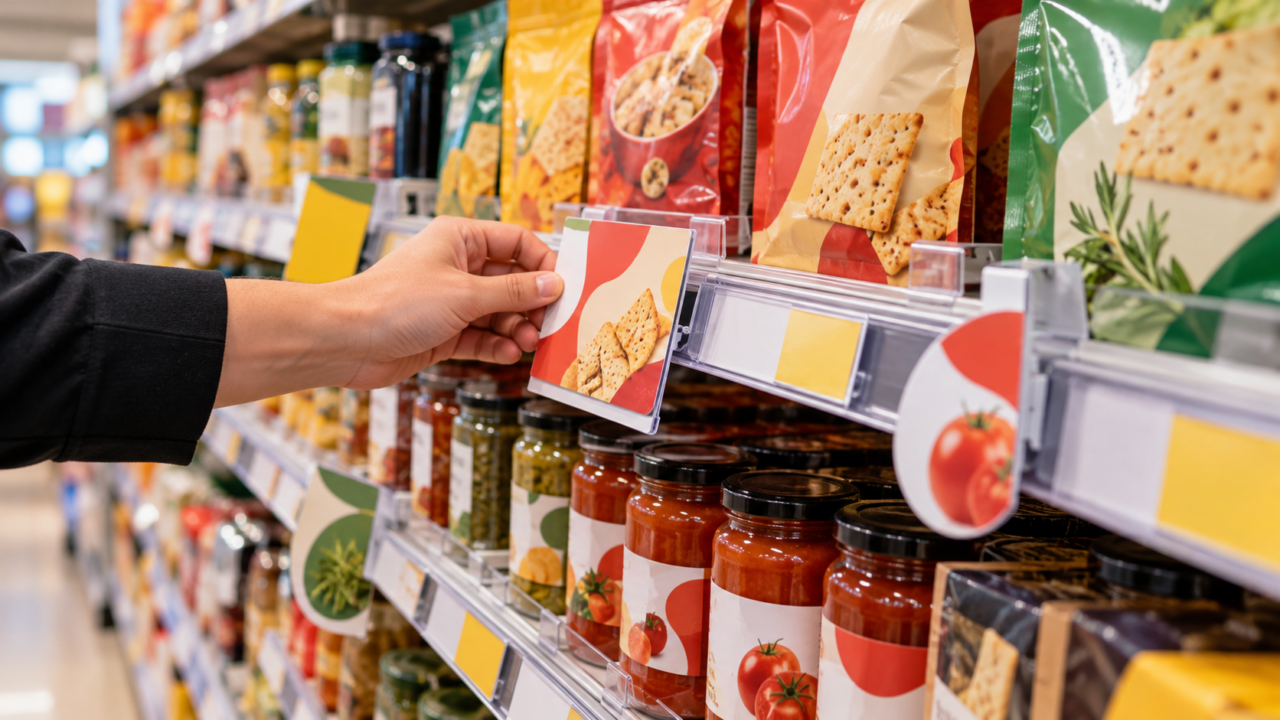
- Planogram compliance checking via computer vision from store cameras or associate mobile cameras
- Customer-interaction coaching — AI flags whether the associate opened with discovery questions or jumped to features
The retailers winning with AI in 2026 are the ones pairing it with human associates, not trying to replace them. Self-checkout and chatbot-only models continue to underperform on conversion and customer satisfaction for any non-commodity purchase.
2. Real-Time Retail Execution Platforms
Legacy retail reporting operated on daily or weekly lag. 2026 has made that untenable. Real-time retail execution platforms now deliver store-level visibility within minutes, enabling intervention during the sales day rather than post-mortem review weeks later. Capabilities that now matter:
- Live sales pace vs. forecast, aggregated to store, region, and national views
- Compliance status (planograms, displays, staffing coverage) continuously measured rather than audited quarterly
- Alert systems that surface underperforming stores before the week closes, not after
- Mobile-first interfaces for district managers and field leadership
Platforms like Retail360 that combine all of these into a unified view are replacing fragmented legacy reporting stacks across enterprise retail.
3. Computer Vision for Merchandising and Compliance
Computer vision has finally become cheap enough and reliable enough to deploy at retail scale. 2026 applications seeing broad adoption:
- Planogram compliance — automated detection of shelf adherence across hundreds of stores without sending a human auditor
- Out-of-stock detection — shelf gaps identified in real time from store camera feeds
- Customer traffic pattern analysis — heatmaps of store zones without tagging individuals
- Queue length monitoring — triggering staffing interventions before service collapses
What changed: the cost-per-camera-analyzed dropped 10x in the last three years, making fleet-wide computer vision economically viable for mid-market retailers, not just flagship flagships.
4. Virtual and Interactive Brand Ambassadors
Virtual brand ambassador technology (like T-ROC’s VIBA platform) adds on-demand customer engagement where full-time in-person staffing isn’t economical — remote retail locations, extended hours, lower-traffic stores. Key capabilities in 2026:
- Two-way video or interactive kiosk engagement with a remote brand specialist
- Product demonstration via shared-screen technology
- Language support across markets without requiring local bilingual hires
- Analytics on interaction quality, conversion, and common customer questions
Virtual ambassadors are not a replacement for in-person specialists at high-traffic locations — they’re a complement that extends coverage affordably to the long tail of a retail footprint.
5. Unified Commerce and Omnichannel Integration
The line between in-store and digital retail continues to blur. 2026 retail tech focuses on unifying the customer experience across channels:
- BOPIS 2.0 — buy online, pick up in-store with real-time inventory accuracy and 30-minute or faster fulfillment
- Endless aisle — in-store associates surfacing online-only SKUs to customers who came for a different product
- Unified customer profiles — in-store associate sees the customer’s online research, past purchases, and loyalty status
- Ship-from-store — using physical stores as distributed fulfillment nodes for online orders
Retailers without these capabilities in 2026 are effectively running two parallel businesses with overlapping costs — unified commerce is now table stakes for enterprise retail.
6. Structured Mystery Shopping and Experience Measurement
Not strictly new, but a 2026 trend nonetheless: mystery shopping has evolved from annual-quarterly audits into continuous experience measurement tied to operational coaching. The retailers making it work now treat every customer interaction as a data point. What’s changed:
- Mobile-first mystery shopping workflows enabling daily or weekly audits at scale
- Integration with associate-level performance dashboards — coaching feedback tied to specific observed behaviors
- Scoring against activation-specific playbooks (did the associate open with discovery questioning? Surface adjacent products? Complete the aftercare commitment?)
- AI-assisted analysis of mystery shop narratives to identify systemic issues faster than manual review
7. Associate-Facing Mobile Tools
The smartphone in the associate’s pocket is now the single most important retail tech endpoint. 2026 deployments focus on:
- Product lookup and comparison in seconds, across full assortment and competitive offerings
- Customer-specific intelligence — loyalty status, past interactions, online research activity
- Task management and daily priorities delivered through the same app the associate uses for product lookup
- Simple training micro-lessons delivered in 2-3 minute increments during slow periods
Retailers who’ve equipped associates with well-designed mobile tools consistently outperform peers still relying on desktop back-office terminals or paper runbooks.
8. Automated Retail (Smart Vending and Unattended Stores)
Automated retail has moved from airport novelty to legitimate expansion format. 2026 growth areas:
- Smart vending for consumer electronics, beauty, and convenience categories in high-traffic non-retail venues (offices, universities, transit hubs)
- Unattended micro-stores in multifamily residential buildings and corporate campuses
- AI-driven inventory management with remote replenishment signaling
- Cashless, contactless payment as default
This is not the end of traditional retail — it is a complementary channel for specific product categories and customer contexts.
What’s NOT Working in 2026 (Dispelling Hype)
- Pure-chatbot customer service for complex purchases — still underperforms human-assisted sales
- VR shopping experiences — continued adoption challenges, mostly a marketing demo rather than a revenue tool
- Fully autonomous store models (Amazon Go-style) outside specific high-traffic formats — unit economics remain challenging for mid-market retail
- Metaverse retail activations — consumer engagement data has consistently underwhelmed
The common thread: technology that tries to remove humans from high-consideration purchases continues to underdeliver. Technology that augments trained retail associates is what’s winning in 2026.
How T-ROC’s Retail360 Addresses These Trends
T-ROC Retail360 is the integrated retail execution platform that combines real-time visibility, AI-augmented insights, planogram compliance, associate-facing mobile tools, and mystery shopping integration into a single system — deployed alongside T-ROC’s specialist brand ambassador programs for Fortune 100 retail clients. The philosophy: technology that makes trained associates more effective, not technology that tries to replace them.
Frequently Asked Questions
What are the biggest retail technology trends in 2026?
AI-augmented in-store execution, real-time retail execution platforms, computer vision for merchandising and compliance, virtual brand ambassadors, unified omnichannel commerce, continuous experience measurement, associate-facing mobile tools, and automated retail (smart vending). The common thread: technology that augments trained humans, not replaces them.
Is in-store AI replacing retail associates in 2026?
No — the retailers winning with AI in 2026 are pairing it with human associates, not replacing them. AI copilots make trained associates more effective. Pure-AI customer service models continue to underperform on conversion and satisfaction for any non-commodity purchase.
What is a retail execution platform?
A retail execution platform gives retailers and brands real-time visibility into store-level performance, compliance, staffing, and customer experience. Platforms like Retail360 replace fragmented legacy reporting stacks with a unified view that enables intervention during the sales day rather than post-mortem review weeks later.
Are VR and metaverse retail experiences worth investing in for 2026?
Consumer engagement data has consistently underwhelmed for both VR retail experiences and metaverse activations. These remain marketing demos more than revenue tools. 2026 retail tech investment is better placed on AI-augmented associate tools, real-time execution platforms, and computer vision applications.
What retail categories benefit most from AI and automation in 2026?
Commodity categories (basic grocery, convenience items) benefit most from pure automation. Complex categories (consumer electronics, appliances, beauty, wireless) benefit most from AI-augmented human associates — the hybrid model consistently outperforms either pure-human or pure-AI alternatives.
How do retailers stay ahead of the retail technology curve in 2026?
Three principles: (1) invest in real-time measurement and execution platforms before new AI features — the data foundation enables everything else; (2) pair any AI investment with human-associate training and workflow redesign, not as a replacement; (3) measure actual customer and sales outcomes, not just technology adoption metrics.
Planning retail technology investments for 2026 and beyond? Get in touch with the T-ROC team to discuss how integrated retail execution technology can strengthen your in-store performance.
See also: Mystery Shopping Services: Complete Guide
See also: Field Marketing Agency: Complete Services Guide
See also: Retail Compliance Audit: How to Run One
See also: In-Store Demo Services Complete Guide