


The holiday season is the single most consequential stretch on the retail calendar. For brands competing for shelf space, foot traffic, and consumer attention between November and January, every operational advantage matters. Automated retail has emerged as the technology layer that separates brands that capture holiday demand from those that watch it walk out the door. The competitive edge no longer belongs to the retailer with the most associates on the floor — it belongs to the one with the smartest systems behind the scenes.
Holiday shoppers are more informed, more impatient, and more willing to switch brands than at any other time of year. They expect real-time product availability, seamless checkout, and consistent in-store experiences across every location. Meeting those expectations during a period when foot traffic can surge 300 to 500 percent above normal requires more than seasonal hiring. It requires infrastructure that scales on demand. That is exactly what automated retail delivers, and it is why retailers who invest in these systems gain a competitive edge during the holidays that compounds year over year.
For a comprehensive overview of how automation technologies are reshaping modern retail execution, the automated retail guide covers the full spectrum of tools and deployment strategies available today.
Holiday Kiosk Deployment Strategy
Self-service kiosks are the most visible expression of automated retail during the holidays, and their effectiveness depends entirely on how strategically they are deployed. A kiosk placed in the wrong location or loaded with the wrong content is dead weight. A kiosk positioned at the right high-traffic intersection, stocked with current promotions, and integrated with live inventory data becomes a revenue-generating touchpoint that operates continuously without breaks, training gaps, or fatigue.
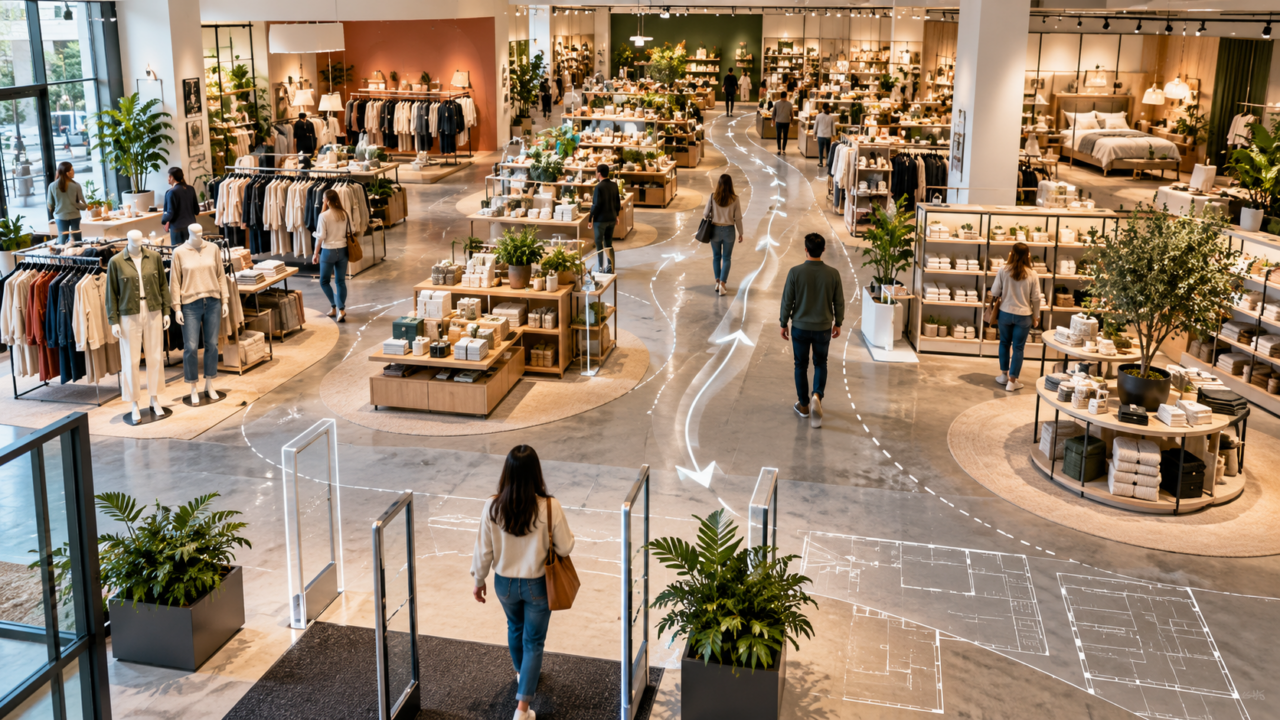
The most successful holiday kiosk deployment strategies share several principles. First, placement must be driven by traffic flow analysis, not convenience. Kiosks belong at natural decision points — store entrances where shoppers are forming intent, department transitions where category browsing begins, and checkout zones where impulse additions happen. Second, content must be holiday-specific and updated in real time. Shoppers expect to see current promotions, doorbusters, gift guides, and accurate availability at every kiosk interaction. Stale content erodes trust instantly.
Third, kiosks must integrate seamlessly with the retailer’s inventory management and point-of-sale systems. A kiosk that shows a product as available when it has been sold out for two hours creates a worse experience than no kiosk at all. Real-time inventory feeds ensure that every product shown is genuinely purchasable, and geolocation capabilities can direct shoppers to the nearest location that has the item in stock if the current store is depleted.
Deployment timelines matter as much as placement. Retailers who begin kiosk setup and testing 90 days before the holiday rush arrive at peak season with proven, optimized systems. Those who scramble to deploy in November are running untested technology during the highest-stakes period of the year. The infrastructure preparation phase — network capacity testing, content loading, payment integration verification, and staff training on escalation workflows — cannot be compressed without introducing operational risk.
Finally, kiosks must always offer a clear path to human assistance. The goal of automated retail is not to eliminate human interaction but to handle routine transactions at scale so that associates are free for the conversations that drive conversion and loyalty. A shopper who needs product advice, gift recommendations, or help with a return should be able to transition from a kiosk to a trained associate without friction. This hybrid model consistently outperforms both fully automated and fully manual approaches during peak season.
Real-Time Inventory Management During Peak
Nothing destroys holiday retail performance faster than stockouts. A shopper who encounters an empty shelf does not wait — they go to a competitor, order online, or abandon the purchase entirely. During the holiday season, when purchase intent is at its highest and switching costs are at their lowest, every out-of-stock event represents not just a lost sale but a potentially lost customer. Real-time inventory management is the automated system that prevents these losses at scale.
Traditional inventory management relies on periodic manual counts, end-of-day POS reconciliation, and reactive replenishment. During normal traffic periods, this cadence is often sufficient. During the holidays, it is catastrophically slow. A display that was fully stocked at 8:00 AM can be stripped bare by 8:45 AM on a peak shopping day. By the time a manual count identifies the gap and a replenishment request reaches the stockroom, hours of sales have been lost.
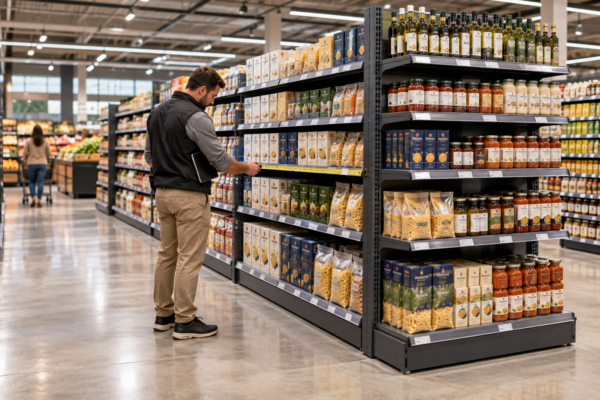
Real-time inventory monitoring uses a combination of RFID tags, weight-based shelf sensors, computer vision, and continuous POS data integration to maintain an accurate, minute-by-minute picture of stock levels across every shelf, endcap, and promotional display. When inventory drops below a configurable threshold, the system generates an automatic replenishment alert — typically before the shelf is visually empty. This proactive approach to restocking compresses the response window from hours to minutes.
The benefits extend beyond preventing stockouts. Real-time inventory data enables dynamic merchandising decisions during peak periods. If a promoted product is selling through faster than projected, the system can trigger adjustments — reallocating stock from lower-performing locations, updating kiosk displays to feature alternative products, or alerting field teams to reset promotional endcaps with available inventory. This responsiveness is impossible with manual processes during high-volume periods.
For retailers building a holistic approach to peak-season performance, our holiday retail strategy guide provides a comprehensive framework that integrates inventory management with broader operational planning.
How Automated Retail Reduces Holiday Staffing Pressure
Seasonal hiring is one of the most persistent challenges in holiday retail. Finding, onboarding, and training temporary associates in a compressed timeline is expensive, unreliable, and increasingly difficult as labor markets tighten. Turnover among seasonal hires often exceeds 50 percent, and the associates who remain frequently lack the product knowledge and brand familiarity needed to deliver the experience that drives repeat business. Automated retail does not eliminate the need for holiday staff, but it fundamentally changes the staffing equation.
When self-service kiosks handle routine transactions — product lookups, price checks, availability inquiries, simple purchases, and loyalty enrollments — the volume of interactions that require a human associate drops significantly. Retailers who deploy kiosk networks alongside staffed registers consistently report that they need 20 to 30 percent fewer temporary hires to maintain the same service levels during peak periods. The associates who are hired can be deployed to higher-value activities: complex consultative selling, product demonstrations, customer service escalations, and visual merchandising maintenance.
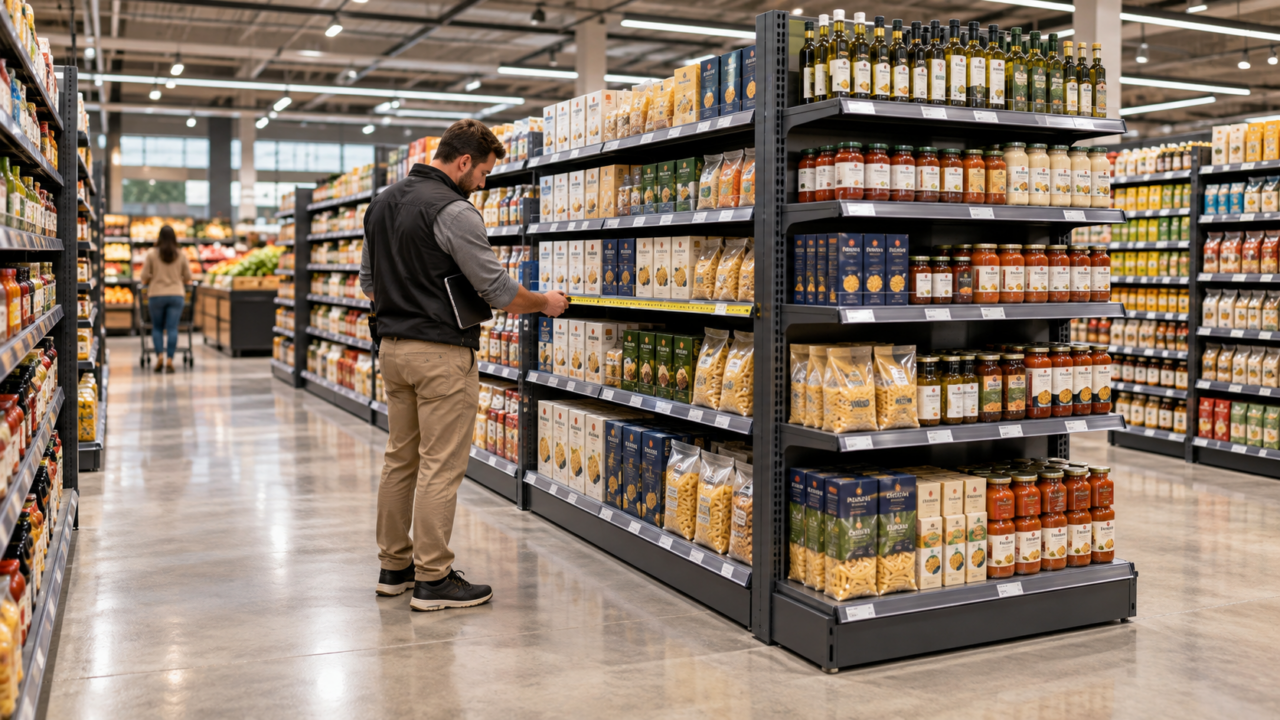
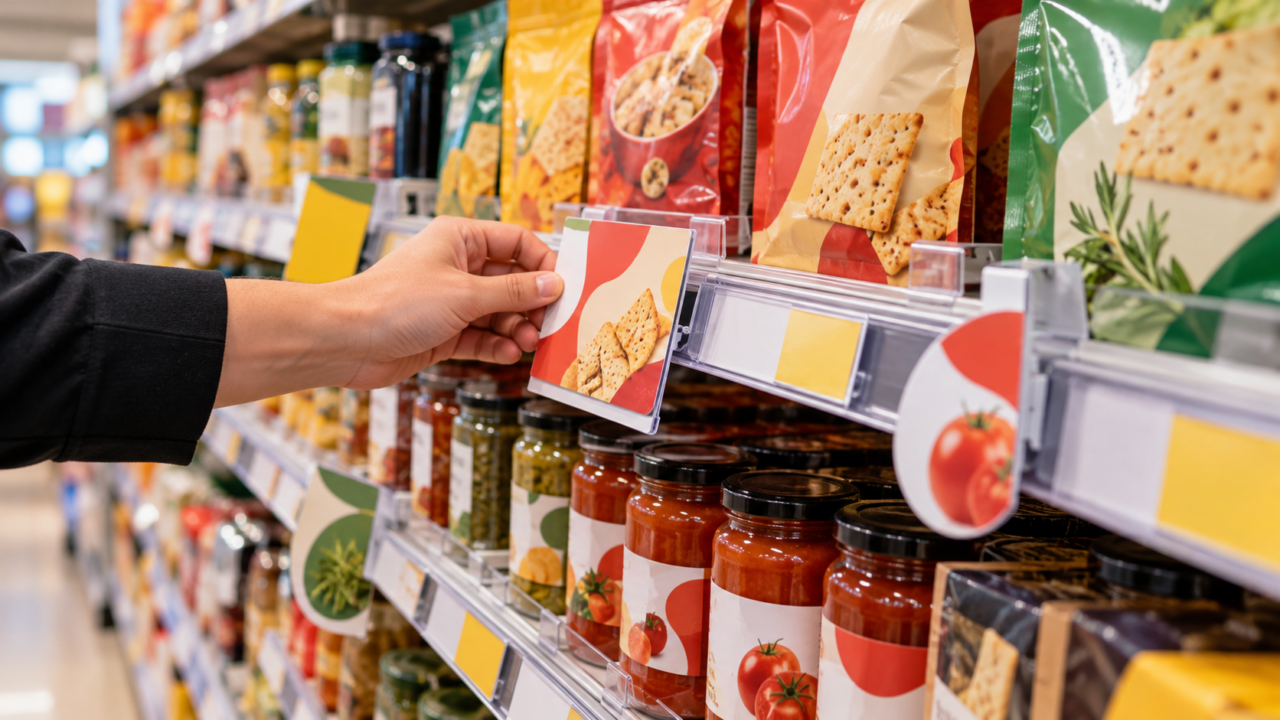
Automated compliance monitoring further reduces staffing pressure by eliminating the need for dedicated walk-the-floor auditors during peak hours. Camera-based planogram verification, digital signage monitoring, and automated price-check systems provide continuous oversight that would require an impractical number of human auditors to replicate. When an issue is detected — a misplaced product, incorrect signage, a depleted display — the system routes an alert directly to the nearest available associate with specific instructions for resolution.
The financial impact is substantial. Reducing seasonal hiring needs by even 20 percent across a multi-location retail operation translates to significant savings in recruiting costs, training hours, uniform expenses, and HR overhead. More importantly, it reduces the operational chaos that comes with managing a large temporary workforce during the most demanding period of the year. Associates who are less overwhelmed deliver better customer experiences, which directly impacts conversion rates and average transaction values.
Automated retail also provides a buffer against the unpredictability of seasonal labor availability. In years when hiring conditions are tight — as they have been in recent holiday seasons — retailers with strong automation infrastructure are less exposed to labor shortfalls. Their operations can absorb higher traffic volumes with smaller teams because the technology handles the transactional load that would otherwise require additional headcount.
The Compounding Competitive Advantage
The retailers and brands that invest in automated retail before the holiday season gain advantages that extend far beyond a single Q4. Every holiday season generates enormous volumes of operational data — transaction patterns, inventory velocity, shopper behavior at kiosks, compliance trends, and staffing efficiency metrics. Retailers with automated systems capture this data systematically, while those relying on manual processes lose most of it to the chaos of peak operations.
This data becomes the foundation for continuous improvement. A retailer that knows exactly which kiosk locations generated the highest engagement, which products sold through fastest at which locations, where replenishment bottlenecks occurred, and how different staffing models performed under pressure can make dramatically better decisions for the following season. Each year’s holiday performance informs the next year’s strategy, creating a compounding cycle that widens the gap between automated retailers and their traditional competitors.
There is also a shopper expectation dimension. Consumers who experience seamless, tech-enabled shopping at one retailer during the holidays develop expectations that carry forward into the new year. Real-time availability, self-service options, and efficient checkout become baseline requirements rather than pleasant surprises. Retailers who meet these expectations earn loyalty. Those who do not lose traffic — not just during the holidays but throughout the following year.
The retail technology guide provides a deeper look at how technology investments in retail create long-term competitive differentiation beyond seasonal peaks.
Frequently Asked Questions
What is automated retail and how does it apply to holiday seasons?
Automated retail refers to the integration of self-service kiosks, real-time inventory monitoring systems, automated compliance tools, and data-driven analytics into retail operations. During the holiday season, these technologies handle the surge in transaction volume, inventory movement, and operational complexity that would otherwise overwhelm manual processes. Automated systems scale elastically — handling peak-day traffic with the same speed and accuracy as a slow Tuesday — which makes them especially valuable during the compressed, high-stakes holiday shopping window.
How early should retailers deploy automated systems before the holiday season?
Retailers should begin deployment planning and infrastructure preparation at least 90 days before the holiday rush. This timeline allows for technology audits, network capacity testing, content loading, payment integration verification, staff training on kiosk escalation workflows, and full dry runs under simulated peak conditions. Ideally, automated systems should be deployed and refined during Q2 or Q3 so they arrive at the holiday season already optimized through real-world usage during back-to-school and other pre-holiday traffic periods.
Does automated retail replace holiday seasonal staff?
Automated retail reduces dependence on seasonal staff but does not eliminate the need for human team members. By handling routine transactions, inventory monitoring, and compliance checks, automation typically reduces temporary hiring needs by 20 to 30 percent. The seasonal associates who are hired can then focus on higher-value activities like consultative selling, product demonstrations, and customer service escalations — roles where human skills create the most impact on conversion and customer satisfaction.
What types of kiosks work best for holiday retail environments?
The most effective holiday retail kiosks are full-service touchpoints that handle product discovery, availability checks, price lookups, payment processing, loyalty enrollment, and gift card transactions. They should feature intuitive interfaces that require no instruction, integrate with live inventory data for accurate availability, and offer a clear path to human assistance when the shopper needs it. Placement at high-traffic decision points — store entrances, department transitions, and checkout zones — maximizes their impact during peak periods.
How does real-time inventory management prevent holiday stockouts?
Real-time inventory management uses RFID sensors, weight-based shelf tracking, computer vision, and continuous POS data integration to monitor stock levels across every shelf and display in the store. When inventory drops below a preset threshold, the system generates an automatic replenishment alert before the shelf appears empty to shoppers. This proactive approach compresses the response time from hours to minutes, which during peak holiday traffic can mean the difference between a brief low-stock moment and a prolonged out-of-stock event that sends shoppers to competitors.