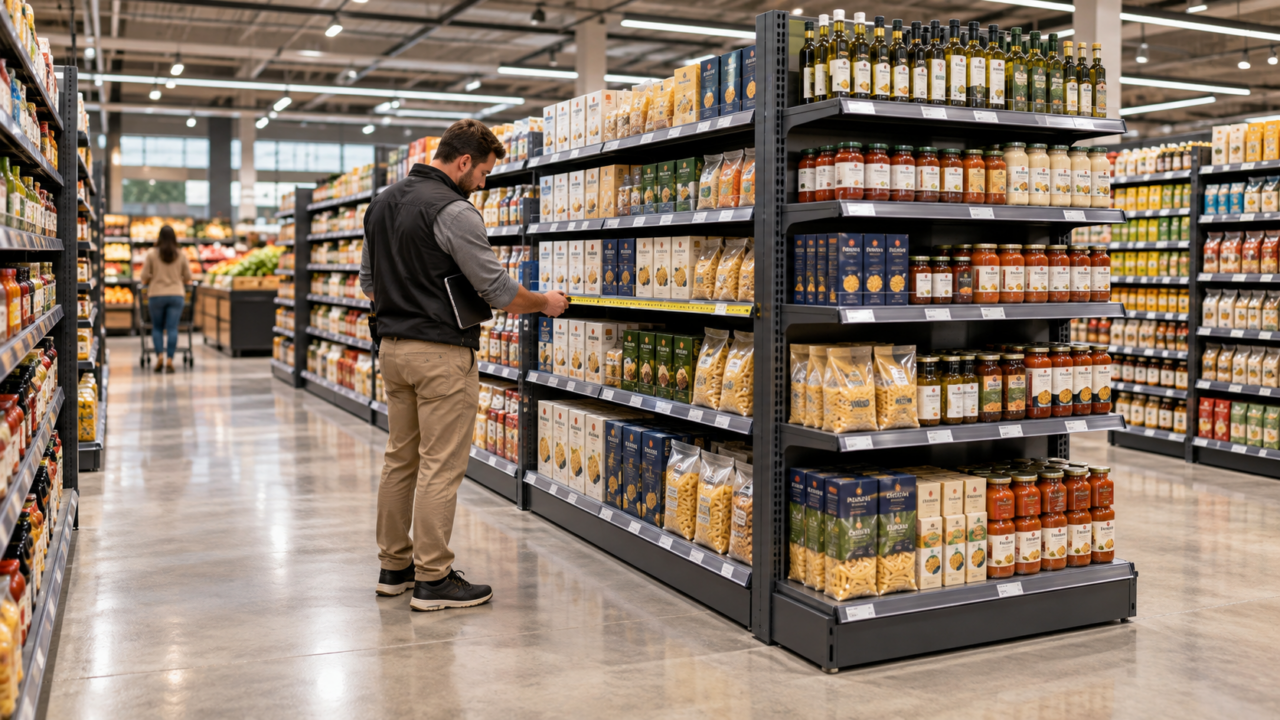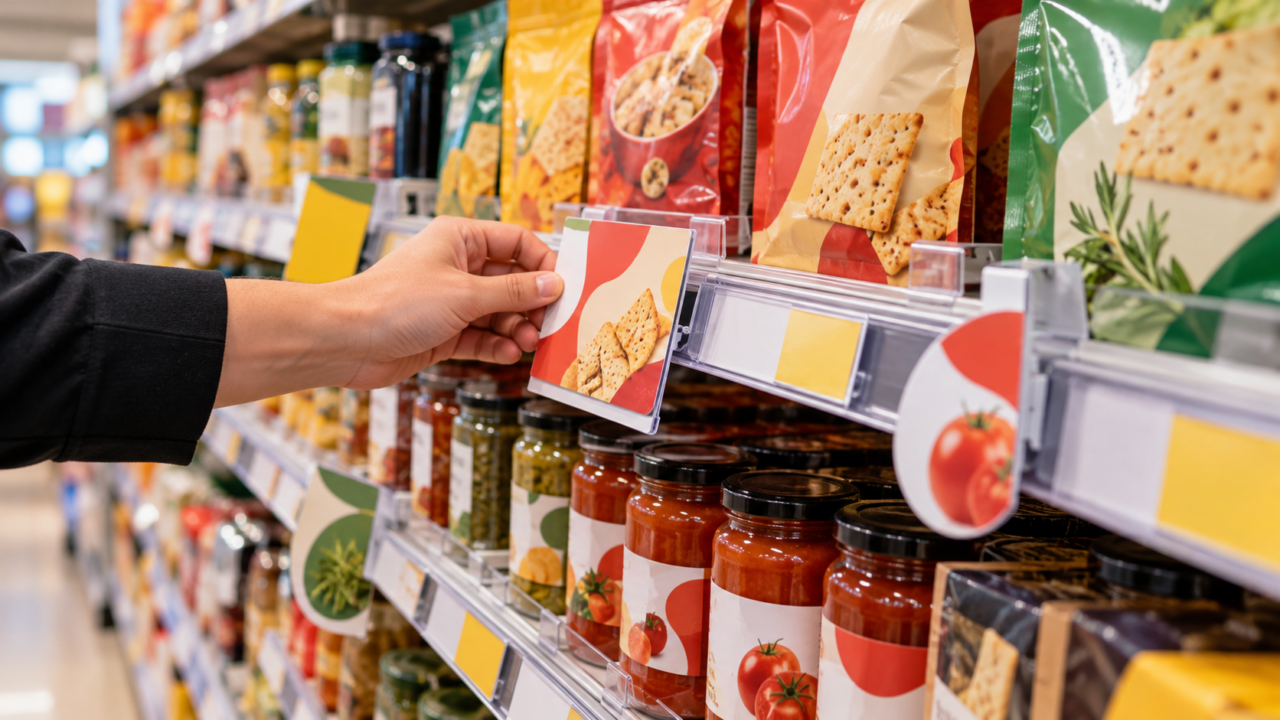





Retail employee training programs are the operating layer that turns hourly retail labor into specialist sales talent capable of delivering 2-3x conversion improvements over generic staffing. For Fortune 100 retailers and brand programs, training isn’t a cost center — it’s a directly measurable revenue lever. Well-designed training programs typically produce 20-40% category sales lift within 6 months of launch.
This is the 2026 guide to retail employee training programs — the major program types, what’s in a great curriculum, costs, ROI benchmarks, and how T-ROC delivers training as part of integrated retail services.
Why Retail Employee Training Drives Direct Revenue
- Category-trained associates convert 2-3x higher than generic retail labor
- Trained associates increase basket size 15-25% through adjacent product surfacing
- Behavioral training improves ARPU 5-15% in wireless retail through proper financing/feature pitch
- Trained associates retain customers — 90-day repeat visit rates run 15-25% higher
- Trained associates build referral revenue — tenured trained associates generate 3.2x more referral-driven revenue than recently-hired untrained associates
The 6 Major Retail Training Program Types
1. Initial Onboarding Training
40-80 hours typical for category specialists. Covers product knowledge, brand standards, sales process, compliance basics. Compressed to 20-30 hours for general retail roles.
2. Carrier/Manufacturer Certification Training
Required for wireless retail (carrier programs), authorized service providers (Apple, Samsung), specialty categories. Typically 16-40 hours of certification-specific content.
3. Ongoing Reinforcement Training
Monthly 2-4 hour modules covering new products, competitive positioning, role-play scenarios, behavioral coaching based on mystery shop findings. The lever that prevents skill decay.
4. Compliance Training
Required protocols (FCC compliance for wireless, age verification for restricted products, financial services disclosures). Updated as regulations change.
5. Surge / Seasonal Training
Compressed training cycles for Q4 surge associates. Targets specific holiday-period needs without full year-round depth.
6. Manager / Field Leadership Training
For district managers and area supervisors. Covers performance management, coaching technique, team leadership, P&L management.
Anatomy of a Great Retail Training Curriculum
Effective curricula combine:
- Product depth — not feature lists, but use-case-driven understanding
- Customer signals — recognizing buyer types, body language, conversational cues
- Discovery questioning frameworks — moving past scripts to genuine consultation
- Adjacent product surfacing — recognizing the moment to introduce accessories or services
- Objection handling — practiced responses to top 10 objections per category
- Compliance protocols — regulated category requirements
- Closing technique — but only AFTER the discovery + recommendation work is done
- Post-purchase follow-through — the activity that builds referral revenue
Curricula focused only on product knowledge produce associates who know products but can’t sell them.
Training Program Costs
| Program Component | Typical Cost |
|---|---|
| Curriculum design (one-time, per category) | $25K-$100K |
| Per-associate onboarding training | $500-$2,000 per associate (loaded) |
| Monthly ongoing training (per associate) | $50-$200 per associate per month |
| LMS / training platform license | $5K-$50K annually |
| Mystery shopping for training validation | $200K-$700K annually for 200+ stores |
ROI benchmark: trained-associate stores achieve 20-40% higher conversion and 15-25% higher average basket size versus untrained-associate stores. Training investment typically pays back 3-6x within 12 months.
How to Evaluate Retail Training Providers
- Category specialization — wireless training ≠ beauty training ≠ grocery training
- Behavioral focus — curriculum that tests behavioral skills, not just product knowledge
- Carrier/manufacturer certifications — for regulated or technical categories
- Reinforcement cadence — does the program continue past onboarding?
- Mystery shop integration — training tied to behavioral measurement closes the coaching loop
- Tracking and reporting — individual associate progression visibility
- Skin in the game — does the provider operate retail itself? T-ROC tests training methodologies in its own owned wireless retail stores
How T-ROC Delivers Retail Training Programs
T-ROC operates training as part of integrated retail staffing services via T-ROC University:
- Category-specific curricula (wireless, CE, appliances, connected home)
- Carrier certifications maintained continuously
- Monthly behavioral reinforcement modules
- Tested on T-ROC’s own owned wireless retail stores before client deployment
- Integrated with mystery shopping for behavioral validation
- Real-time progress tracking through Retail360
Frequently Asked Questions
How much retail training do effective associates need?
Initial onboarding: 40-80 hours for category specialists, 20-30 hours for general retail. Ongoing reinforcement: 2-4 hours per month minimum. Programs that skip ongoing training see skill decay within 6 months.
What’s the ROI of retail training programs?
Trained-associate stores typically achieve 20-40% higher conversion and 15-25% higher basket size. Training investment pays back 3-6x within 12 months when measured against baseline.
Should we build training in-house or outsource?
Building in-house makes sense for retailers with stable, large-scale operations. Outsourcing is faster, cheaper, and higher-quality for variable-scale brand programs and specialty categories where curriculum needs to be refreshed continuously.
What’s the difference between training and coaching?
Training delivers initial knowledge and skills. Coaching reinforces behavior continuously based on observed performance. Both are required — training without coaching decays; coaching without baseline training has nothing to reinforce.
Does T-ROC offer retail employee training programs?
Yes. T-ROC University delivers category-specific curricula, carrier certifications, monthly reinforcement modules, and mystery-shop-validated behavioral training as part of integrated retail services for Fortune 100 brands.
Ready to discuss retail employee training programs? Get in touch with the T-ROC team.