

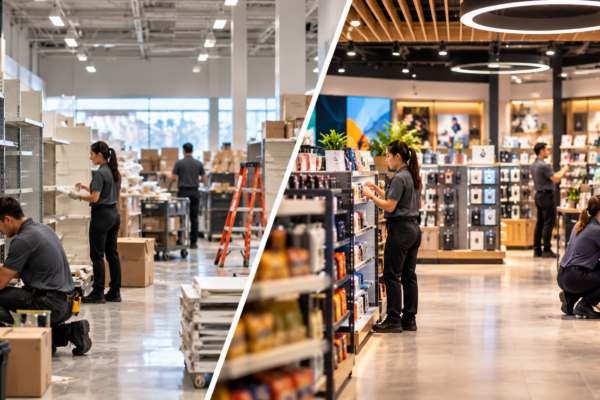


New product launch retail strategy is the difference between a launch that captures category share and one that ships product into stores where it sits unmoved. For Fortune 100 brands, the in-store execution layer of a product launch determines whether the marketing investment behind the launch actually converts to sales. Done well, structured launch programs deliver 30-50% conversion rate lifts in the launch window. Done poorly, the product launches and dies on the shelf.
This is the 2026 playbook for new product launches at retail — pre-launch operational sequence, day-of activation, post-launch optimization, and how T-ROC delivers launch programs for Fortune 100 brands.
The 5-Phase Product Launch Operating Sequence
Phase 1: Pre-Launch Planning (T-12 to T-6 weeks)
- Retailer coordination and signoff (timing, fixtures, signage)
- Planogram lockdown — all product placement decisions finalized
- Talent recruiting + initial training
- Marketing material production (POP, signage, demo units)
- Inventory positioning at retailer DCs
Phase 2: Pre-Launch Activation (T-6 to T-2 weeks)
- In-depth product training for ambassador team
- Category certification (carrier programs, manufacturer training)
- Mock launch dry-runs at flagship locations
- Mystery shop calibration runs
Phase 3: Launch Window (T-2 weeks to Day 0)
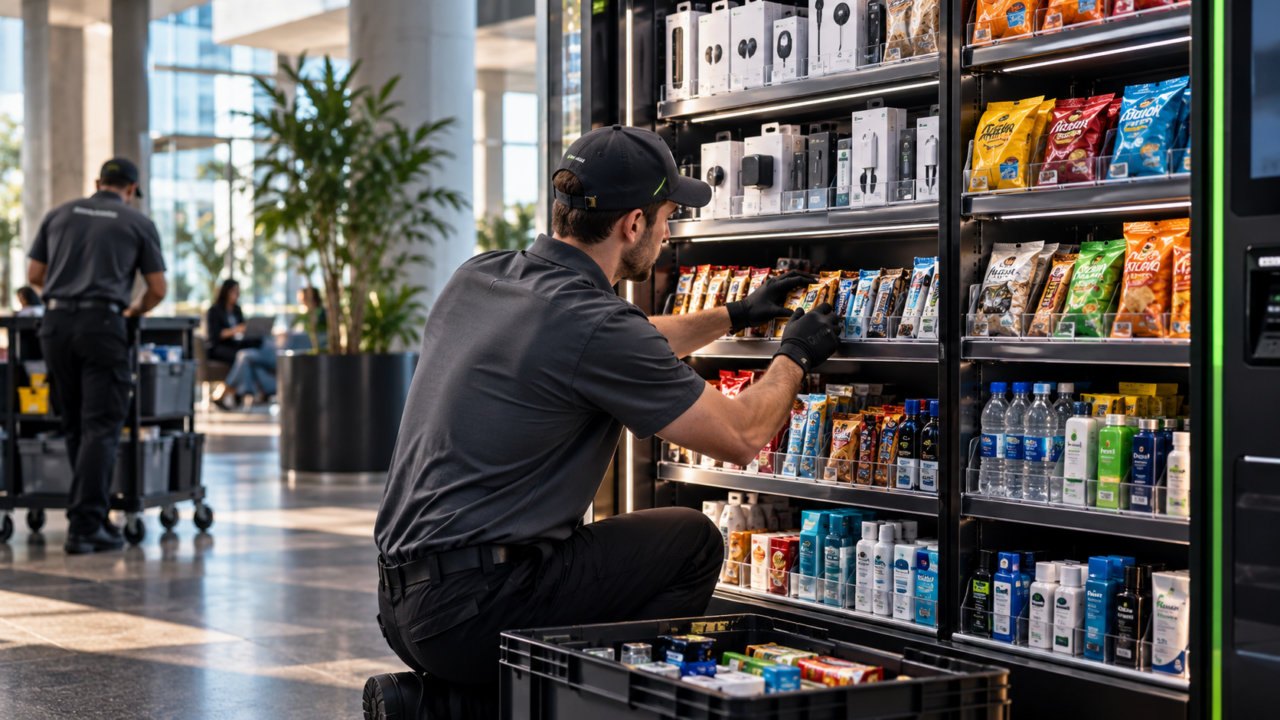
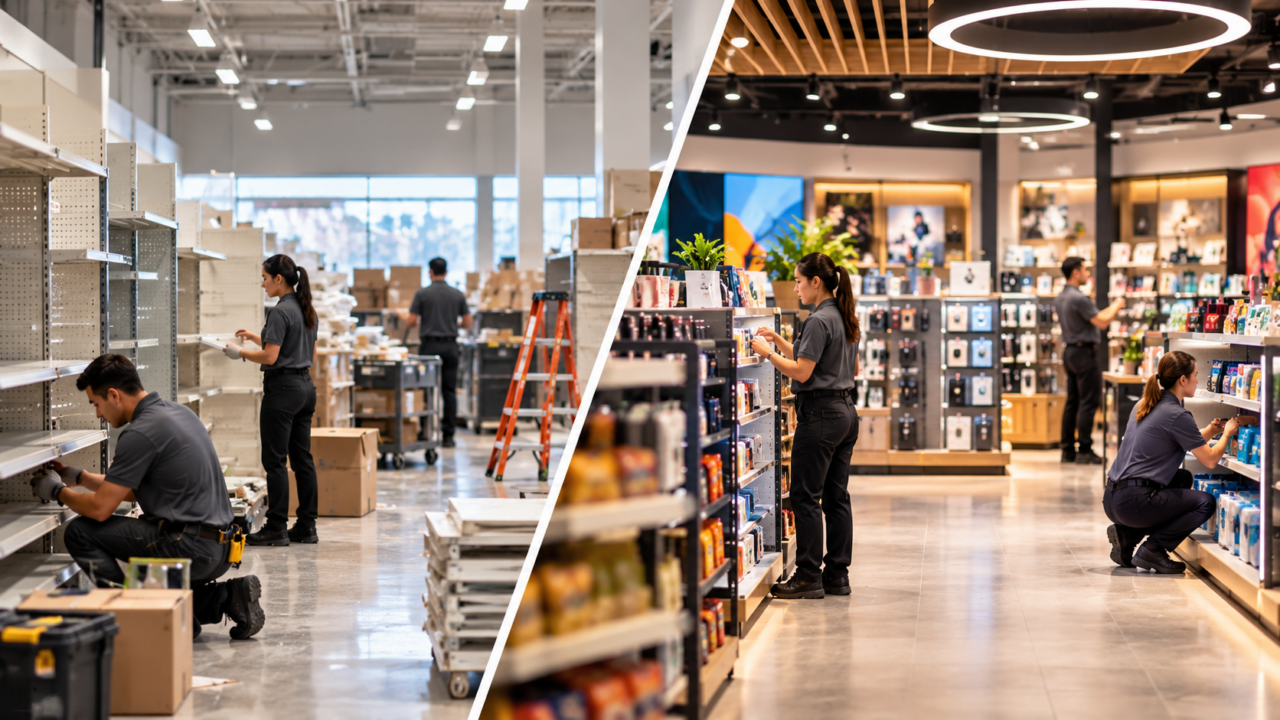
- Reset / display install across footprint
- Day-1 activation: in-store demos, ambassadors live
- Day-1 mystery shop verification (catch immediate gaps)
- Real-time visibility through Retail360
Phase 4: Post-Launch Optimization (Day 1-30)
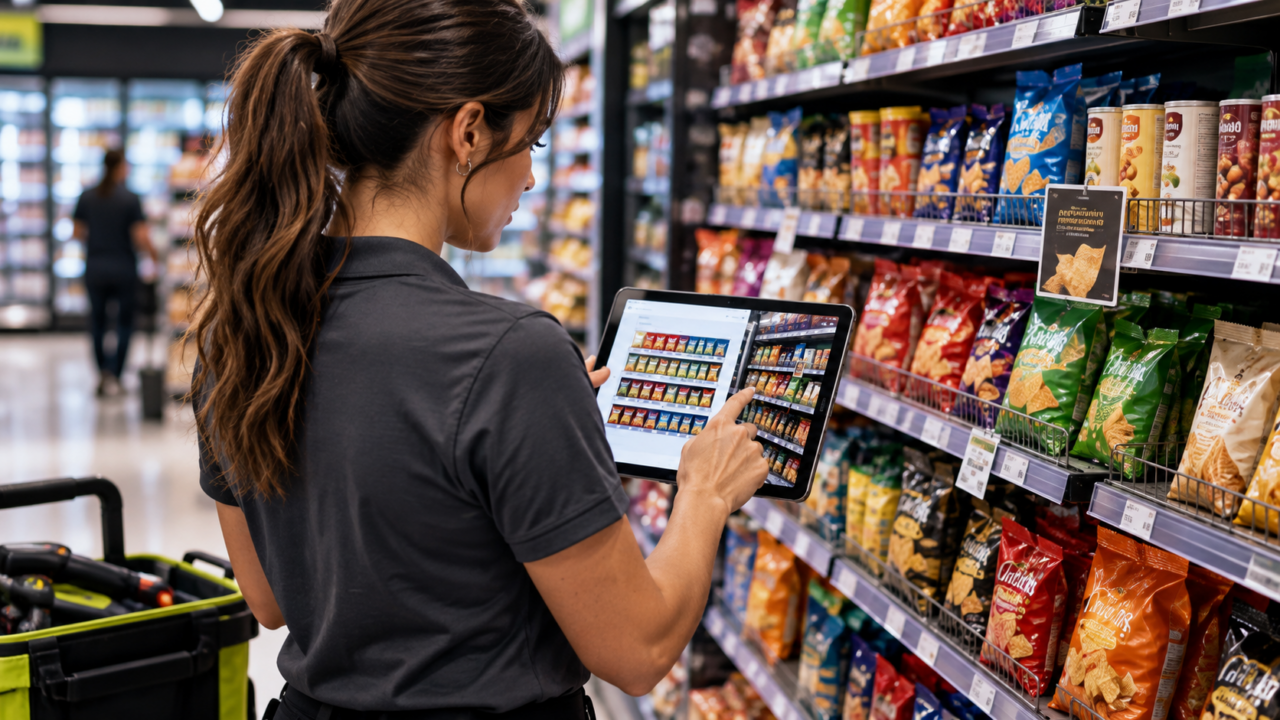
- Daily category sales tracking vs. baseline
- Weekly mystery shop scoring
- Coaching cycles based on observed gaps
- Marketing/promotional adjustments based on early data
Phase 5: Sustained Program (Day 30+)
- Ongoing brand ambassador presence
- Quarterly mystery shop cadence
- Lifetime value and repeat-purchase tracking
Common Product Launch Failures
- Late retailer coordination — fixture/signage/shelf changes scrambled at the last minute
- Generic staffing — using general retail labor instead of category-trained ambassadors
- Skipping pre-launch verification — launching without mystery shop calibration produces inconsistency
- No real-time visibility — operators don’t know what’s happening across the footprint
- Marketing without execution — heavy ad spend driving customers to stores where execution falls apart
- One-time launch instead of sustained presence — first month bumps but then category share doesn’t hold
Launch Program Costs
| Program Component | Typical Cost |
|---|---|
| National brand ambassador staffing (200-500 stores) | $1M-$5M for 90-day launch window |
| In-store demo program (50-200 stores) | $500K-$2M for launch quarter |
| Mystery shop verification (4-6 visits/store/quarter) | $200K-$700K annually |
| Field leadership + program management | 10-15% of total program cost |
| Retail technology (Retail360 integration) | Included with managed programs |
ROI benchmark: well-executed launch programs return 4-8x program cost within 12 months when measured against baseline category sales lift.
How T-ROC Delivers Product Launch Programs
T-ROC has executed launch programs for Fortune 100 consumer electronics, wireless, and appliance brands — including major device launches with T-Mobile, AT&T, Samsung, and Hisense. The model:
- Specialist talent pools maintained year-round (no recruiting scramble)
- T-ROC University curriculum updated for each launch (carrier promo structures, product technical training)
- Field leadership coordinating execution across regions
- Built-in mystery shopping verification
- Real-time Retail360 visibility for brand and operator teams
- Owned-store testing — every launch playbook validated against T-ROC’s own retail operations first
Frequently Asked Questions
How early should we start planning a product launch program?
12 weeks before Day 0 minimum for major Fortune 100 launches. Smaller programs can compress to 6-8 weeks but execution quality suffers. Pre-vetted talent pools shrink minimum timeline.
What does a national product launch program cost?
Fully-managed programs covering 200-500 stores typically run $1.5M-$8M for a 90-day launch window. Includes ambassador staffing, demos, mystery shopping, technology, field leadership.
Should we use generic staffing or specialist brand ambassadors for launches?
Specialist ambassadors. Conversion gap is consistently 2-3x. Specialist programs cost more per hour but return dramatically higher per-store revenue lift.
How do we measure if a launch program is actually working?
Day-1 mystery shop verification + weekly category sales tracking + ongoing behavioral measurement. Real-time platforms like Retail360 surface issues within days, not weeks.
Does T-ROC do product launch programs?
Yes. T-ROC delivers integrated launch programs across consumer electronics, wireless, appliances, and connected home for Fortune 100 brands. Multi-decade experience including major device launches with carriers and manufacturers.
Ready to plan a product launch retail strategy? Get in touch with the T-ROC team.