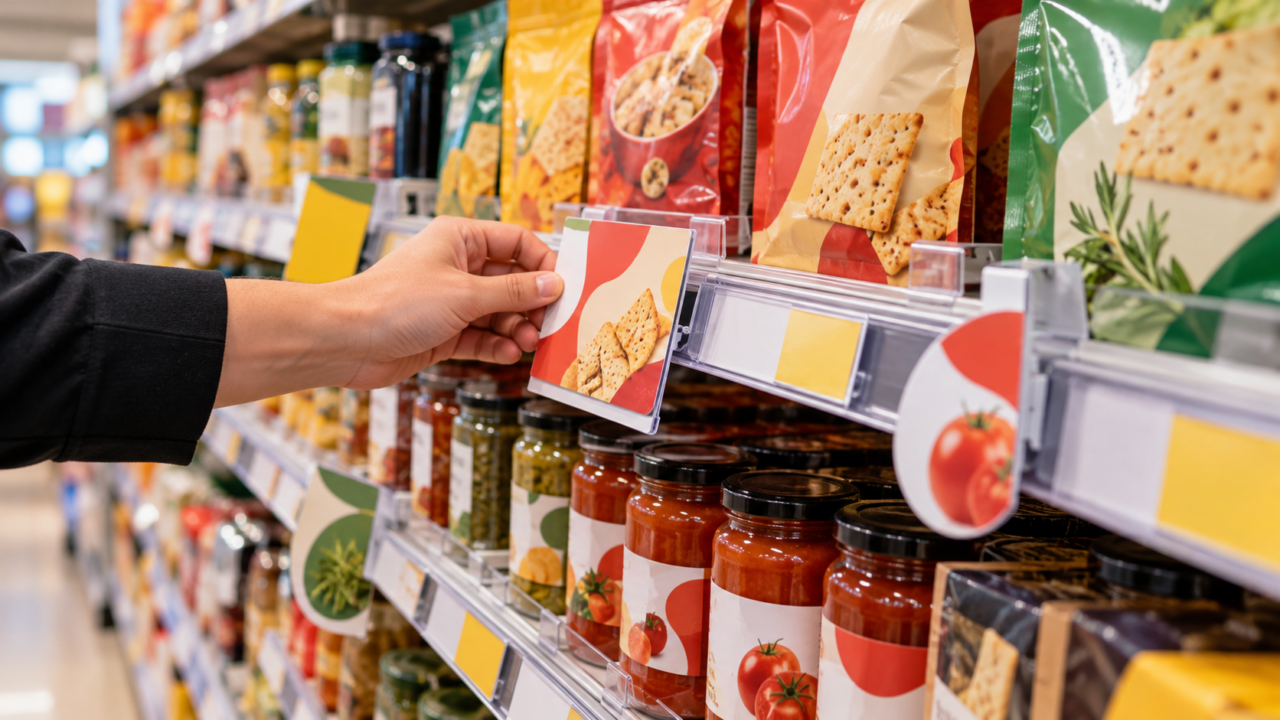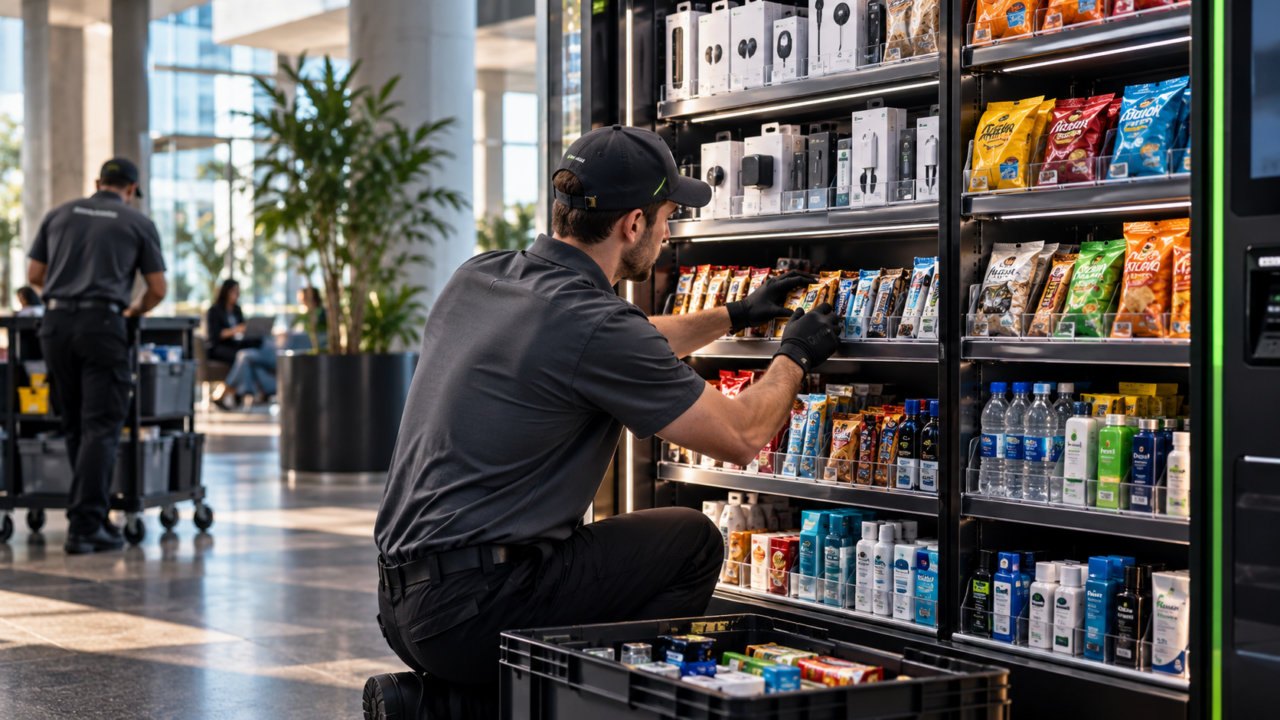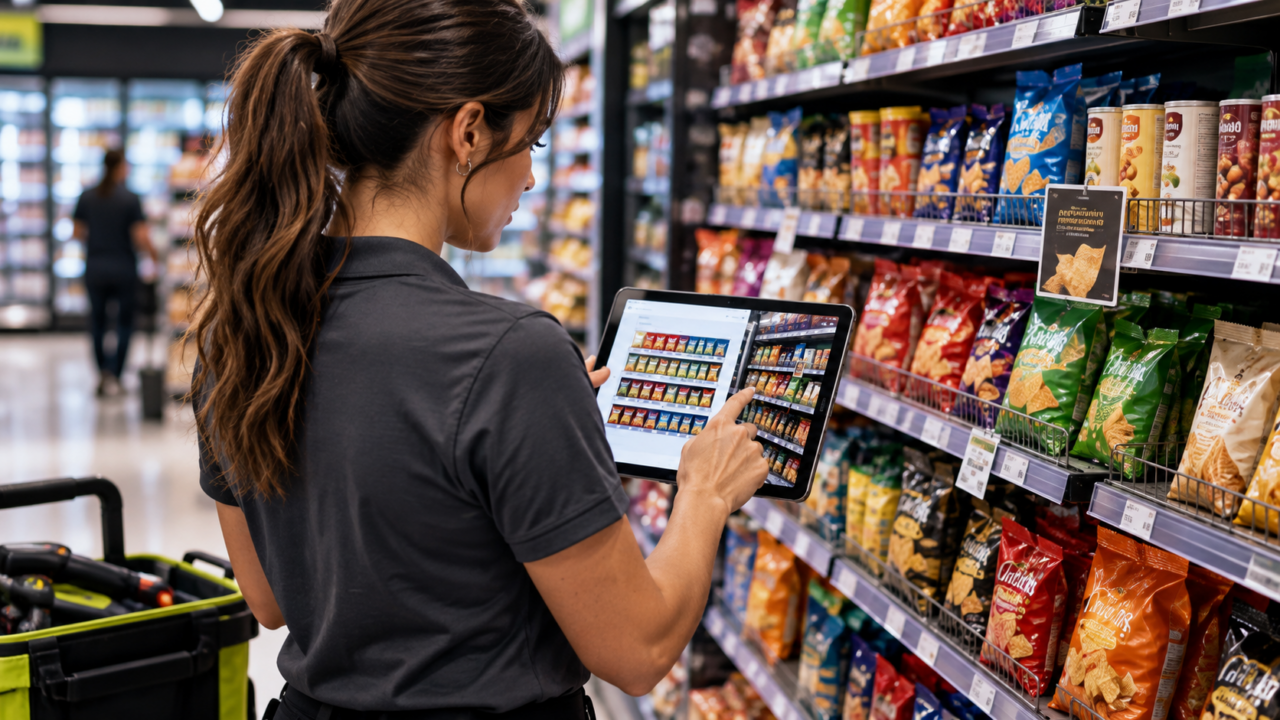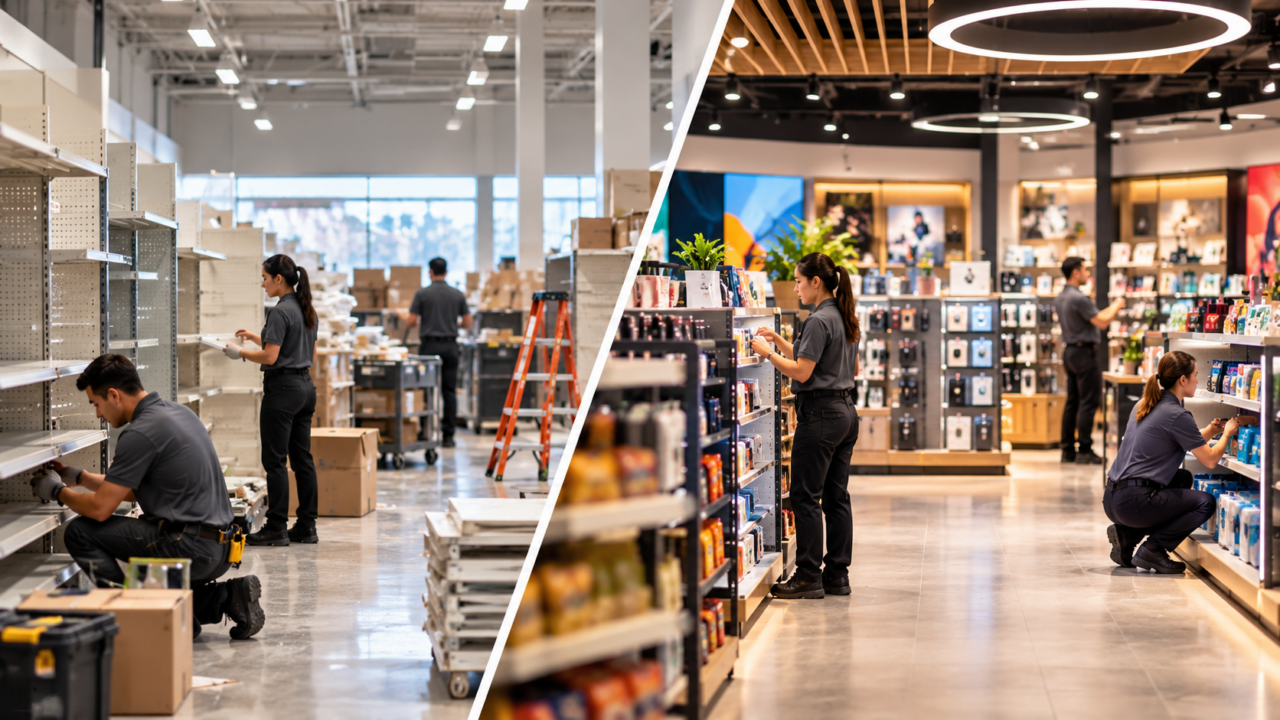





Every product on a retail shelf tells a story — but only if it is in the right place, at the right time, with the right presentation. That is the core promise of retail merchandising consulting: transforming how products show up in stores so they drive measurable sales results rather than collecting dust in poorly planned displays. Whether you are a brand trying to win shelf space at a national chain or a retailer looking to boost category performance, working with specialized merchandising consultants can be the difference between incremental growth and a genuine competitive advantage.
The retail landscape has changed dramatically over the past decade. Shoppers split their attention between physical stores and digital channels, supply chain disruptions have made inventory planning more complex, and labor shortages have left many stores unable to execute even basic planogram resets on time. In this environment, the expertise that a dedicated retail merchandising services partner brings to the table is not a luxury — it is a necessity for brands and retailers that want to protect and grow their in-store revenue.
This guide covers what retail merchandising consultants actually do, when it makes sense to hire external expertise versus building in-house teams, how to evaluate potential partners, the return on investment you should expect, and answers to the most common questions about the discipline. If you are new to the topic, our overview of what is retail merchandising provides a solid foundation before diving into the consulting side.
What Retail Merchandising Consultants Do
Retail merchandising consultants are specialists who analyze, plan, and execute the in-store product experience from end to end. Their scope extends far beyond simply placing products on shelves. A qualified consulting partner delivers expertise across several interconnected disciplines.
Planogram Strategy and Compliance
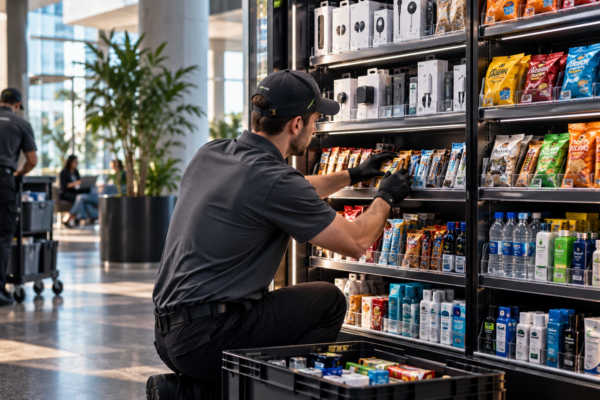
Consultants design data-driven planograms that optimize shelf layouts based on sales velocity, margin contribution, and shopper behavior. They then deploy field teams to ensure every store in a retail network executes the planogram accurately. Compliance audits — often supported by photo verification and real-time reporting — ensure that what was planned on paper actually shows up on the shelf.
Category and Assortment Analysis
Strong merchandising consulting begins with understanding category dynamics: which products drive traffic, which generate margin, which are redundant, and which gaps exist in the assortment. Consultants use point-of-sale data, market research, and competitive intelligence to recommend assortment changes that improve category performance without inflating inventory costs.
Seasonal and Promotional Execution
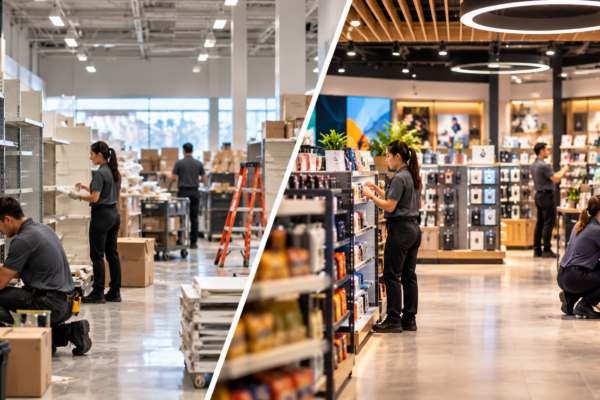
Product launches, seasonal transitions, and promotional resets are high-stakes moments in retail. A back-to-school endcap that goes up a week late loses a significant share of its potential revenue. Merchandising consultants manage the logistics of these transitions — coordinating materials, scheduling field teams, and verifying execution — so that every promotional window is captured fully.
Visual Merchandising and Display Optimization
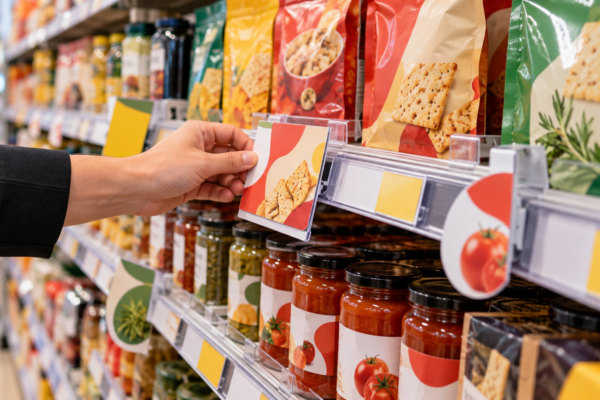
The way a product is presented affects how shoppers perceive its value. Consultants evaluate lighting, signage, fixture placement, and adjacency strategies to create displays that attract attention and encourage purchase. This is especially critical for high-margin categories where presentation directly influences conversion rates.
Data Collection and Reporting
Modern retail merchandising consulting is data-intensive. Consultants capture shelf conditions, out-of-stock rates, competitive pricing, and display compliance during every store visit. That data flows into dashboards that give brands and retailers visibility into what is happening across hundreds or thousands of locations — turning field intelligence into actionable decisions. For a comprehensive look at how these activities fit into a broader strategy, see our retail merchandising guide.
When to Hire a Consultant vs. Build In-House
One of the most common questions brands face is whether to invest in an internal merchandising team or engage an external consulting partner. The answer depends on scale, complexity, and strategic priorities.
In-House Makes Sense When:
- You have a narrow retail footprint. If your products are sold in fewer than 50 locations within a single region, a small internal team can manage execution without the overhead of a third-party contract.
- Merchandising is a core competency. Some retailers — particularly specialty and luxury brands — view visual merchandising as inseparable from their brand identity and prefer to keep every detail under direct control.
- You need daily presence. If your category requires continuous replenishment or real-time adjustments (such as fresh food or fast-fashion), embedded store-level staff may be more practical than visiting field teams.
A Consultant Makes Sense When:
- You need national or multi-regional coverage. Scaling a field team from 50 to 500 stores requires recruiting, training, and managing staff across dozens of markets. Consulting partners already have that infrastructure in place.
- Your needs are project-based or seasonal. Product launches, resets, and promotional campaigns create spikes in labor demand. An external partner converts fixed headcount costs into variable project costs that flex with your calendar.
- You lack specialized expertise. Planogram optimization, category management, and compliance analytics require skills and tools that most brands do not maintain internally. A consulting partner brings those capabilities from day one.
- Speed matters. When a competitor launches an aggressive shelf strategy or a retailer mandates a rapid reset, an external partner with an existing workforce can mobilize faster than an internal team that needs to hire and train.
Many organizations find that a hybrid model works best: a lean internal team that owns strategy and vendor relationships, supported by a consulting partner that handles execution at scale. This approach combines institutional knowledge with operational reach.
How to Evaluate Merchandising Consulting Partners
Not all retail merchandising consulting providers are created equal. The gap between a strategic partner and a basic labor provider can mean the difference between measurable sales lifts and wasted spend. Here are the criteria that matter most when evaluating potential partners.
Retail Network and Geographic Coverage
Ask where the provider has existing field teams and active retailer relationships. A partner with established coverage in your target retailers can mobilize faster and navigate store-level logistics more effectively than one that needs to build from scratch. Verify that coverage extends to rural and secondary markets if your distribution requires it.
Technology and Reporting Infrastructure
Modern merchandising consulting depends on technology. Evaluate whether the partner uses mobile data collection tools, real-time dashboards, photo verification, and automated compliance scoring. The ability to see what is happening across your entire retail footprint in near-real time is no longer optional — it is the baseline for effective execution management.
Industry and Category Experience
A provider with deep experience in consumer electronics will approach shelf strategy differently than one specializing in health and beauty. Look for partners who understand the specific dynamics of your category — sell-through patterns, retailer expectations, competitive pressures, and seasonal rhythms.
Workforce Quality and Training
The consultants and field representatives who enter stores are the face of your brand. Ask about hiring standards, training programs, background checks, and retention rates. High turnover in the field workforce is a red flag that usually translates to inconsistent execution quality.
Flexibility and Scalability
Your merchandising needs will change. Evaluate whether the partner can scale up for a major product launch and scale down during slower periods without long ramp-up times or rigid contract minimums. The best partners operate as an extension of your team that adapts to your business rhythm.
References and Proven Results
Ask for case studies and measurable outcomes — not just client logos. A credible partner should be able to demonstrate specific results: compliance rate improvements, sales lift percentages, speed-to-shelf metrics, and client retention data. Our retail operations guide explores how operational excellence translates into these business outcomes.
The ROI of Professional Retail Merchandising
Investing in professional retail merchandising consulting delivers returns across multiple dimensions. While the specific numbers vary by category and retailer, the patterns are consistent enough to build a reliable business case.
Increased Sales Through Better Shelf Compliance
Industry research consistently shows that planogram compliance rates above 90 percent correlate with meaningful sales lifts — typically in the range of 5 to 15 percent for the affected categories. When products are in the right location, with the correct facings, supported by proper signage, shoppers find what they are looking for and purchase more. Every out-of-compliance shelf is a missed sale.
Reduced Out-of-Stock Losses
Out-of-stock conditions are one of the most expensive problems in retail, estimated to cost the industry billions of dollars annually. Merchandising consultants who conduct regular store visits catch out-of-stock situations faster than automated systems alone, because they can identify root causes — backroom inventory that was not pulled, incorrect shelf tags, planogram errors — and resolve them on the spot.
Faster Speed to Shelf
In competitive categories, the brand that gets its new product on the shelf first captures early demand and establishes shopper habits. Professional merchandising partners compress the timeline from product shipment to shelf availability by pre-staging materials, coordinating with distribution centers, and deploying field teams in parallel across a retail network.
Improved Retailer Relationships
Retailers value brands that make their stores look better and run more efficiently. A brand that consistently delivers clean, compliant, well-maintained displays earns goodwill with store managers and category buyers. That goodwill translates into better shelf placement during resets, priority access during promotional windows, and stronger negotiating positions during annual line reviews.
Labor Cost Optimization
Hiring, training, and managing a national field merchandising team is expensive — especially when factoring in benefits, travel, equipment, and management overhead. A consulting partner spreads those costs across multiple clients, delivering the same coverage at a lower per-store cost. For brands with seasonal or project-based needs, the savings are even more pronounced because they pay only for the labor they use.
When these factors are combined, the typical return on a well-executed merchandising consulting engagement ranges from three to seven times the investment, depending on category size and the baseline condition of the brand’s retail presence before the engagement begins.
Frequently Asked Questions About Retail Merchandising Consulting
What is the difference between retail merchandising consulting and retail merchandising services?
Retail merchandising consulting focuses on strategy, analysis, and recommendations — identifying what should change and why. Retail merchandising services encompass the hands-on execution: stocking shelves, building displays, conducting resets, and maintaining planogram compliance. Many providers, including T-ROC, offer both consulting and execution as an integrated solution so that strategy translates directly into in-store results without handoff delays.
How long does it take to see results from a merchandising consulting engagement?
Most brands see measurable improvements within 30 to 90 days of launching a merchandising consulting program. Early wins typically include improved shelf compliance rates and reduced out-of-stock occurrences. Broader metrics — category sales lift, market share gains, and retailer satisfaction improvements — generally become visible within one to two full selling cycles as the consultant’s recommendations are implemented and refined.
How much does retail merchandising consulting cost?
Costs vary widely based on scope, geographic coverage, visit frequency, and the level of strategic analysis involved. Project-based engagements for a specific product launch or reset may run from a few thousand to tens of thousands of dollars. Ongoing programs with weekly store visits across a national footprint represent a larger investment but typically deliver a stronger ROI because of consistent execution and continuous optimization. The most accurate way to budget is to request a scoped proposal based on your specific store count, visit frequency, and service requirements.
Can a small brand benefit from retail merchandising consulting?
Yes. In fact, smaller brands often see outsized returns because they are starting from a lower baseline of in-store execution. A brand with 100 retail placements that improves compliance from 60 percent to 90 percent will likely see a larger percentage sales lift than a major brand that moves from 85 percent to 92 percent. Consulting partners that offer flexible engagement models — such as shared field teams or region-specific programs — make professional merchandising accessible to brands that cannot justify a dedicated national team.
What industries benefit most from retail merchandising consulting?
Any industry that sells physical products through retail channels can benefit, but the impact is greatest in categories where presentation, placement, and availability directly influence purchase decisions. Consumer electronics, home improvement, health and beauty, sporting goods, wireless and telecommunications, and seasonal categories like lawn and garden consistently see strong returns from professional merchandising programs. The common thread is that these categories involve considered purchases where the in-store experience meaningfully affects whether shoppers buy — and which brand they choose.