



Economic indicators in mid-2026 show that consumer resilience faces a critical inflection point. As basic household necessities claim a larger share of the average paycheck, retail executives, brand managers, and e-commerce leaders must prepare for structural shifts in market demand.
Understanding the root causes of the current market shift is essential for designing resilient field operations and safeguarding retail margins.
The Reality Behind the Retail Consumer Spending Pullback
The sustained willingness of shoppers to absorb higher prices appears to have reached its limit. According to the Consumer Price Index data released by the Bureau of Labor Statistics, inflation reached 3.8% in April. Crucially, this mark represents the first time in three years that inflation has officially outpaced wage growth.
As Heather Long, Chief Economist at Navy Federal Credit Union, summarized: “American consumers are getting squeezed, and the squeeze is real — this isn’t just the vibes being bad”.
Inside the April Inflation Numbers
The pressure on consumer wallets stems from broad-based hikes across essential commodity categories:
-
Energy Costs: The energy index grew by 3.8% in April, compounding a steep 10.9% increase recorded in March.
-
Fuel and Utilities: Unadjusted gas prices jumped over 11% year-over-year, while the electricity index grew by more than 2%.
-
Core Basics: Five out of six top grocery food indexes saw price increases alongside rising rents, medical costs, and home furnishings.
With macro uncertainties like regional geopolitical conflicts adding volatility to oil prices, household budgets are under pressure for the foreseeable future. Consumers can delay a summer vacation or skip a flight, but they cannot opt out of utility bills, fuel, or basic groceries.
April Economic Indicators Snapshot:
├── Inflation Rate: 3.8%
├── Year-over-Year Gas Prices: +11%
├── Electricity Index: +2%
└── Key Grocery Indexes Rising: 5 out of 6
The Depletion of the Consumer Cushion
Previously, larger-than-normal tax refunds provided an average cash injection of $350 per person. However, tracking data shows that roughly half of those funds were immediately consumed by elevated fuel costs. The remaining surplus is projected to evaporate completely before the end of the summer season.
While lower-income demographics have navigated these budget challenges for consecutive quarters, middle-income households are now experiencing the pinch. This structural shift alters the baseline for discretionary spending across the country.
Strategic Retail Execution in a Squeezed Economy
Earlier this year, the National Retail Federation predicted a 4.4% retail sales growth based on long-term consumer spending patterns. However, with real dollars now lagging behind prices, brands must pivot from expecting passive baseline growth to actively capturing highly selective consumer dollars.
When a widespread retail consumer spending pullback takes hold, market leaders protect their market share through precise, localized optimization strategies.
1. Pivot to Value-Driven In-Store Merchandising
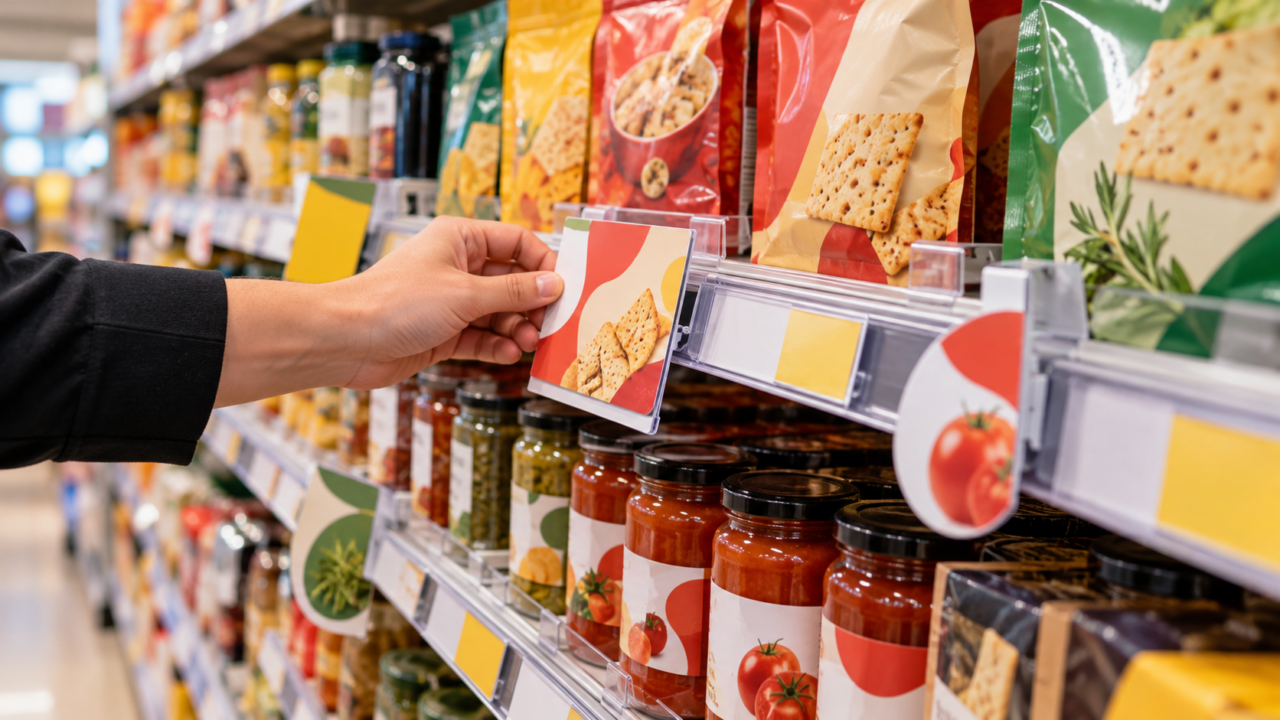
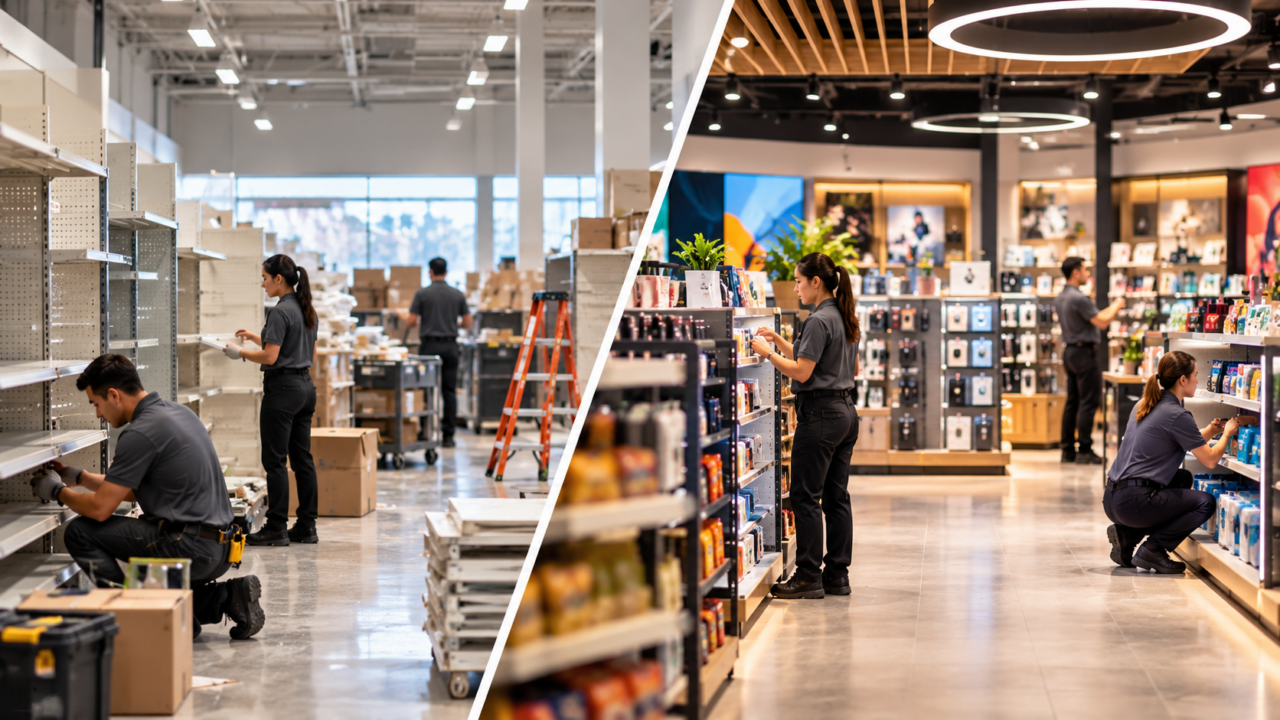
When budgets tighten, consumers switch brands or opt for smaller, lower-cost splurges rather than high-ticket items. Brands must ensure that their value-tier products and entry-level items are perfectly stocked, clearly priced, and positioned via smart store resets. Real-time retail execution metrics are vital to verify that high-velocity, budget-friendly SKUs remain on shelves without gaps.
2. Deploy Automated Retail Footprints
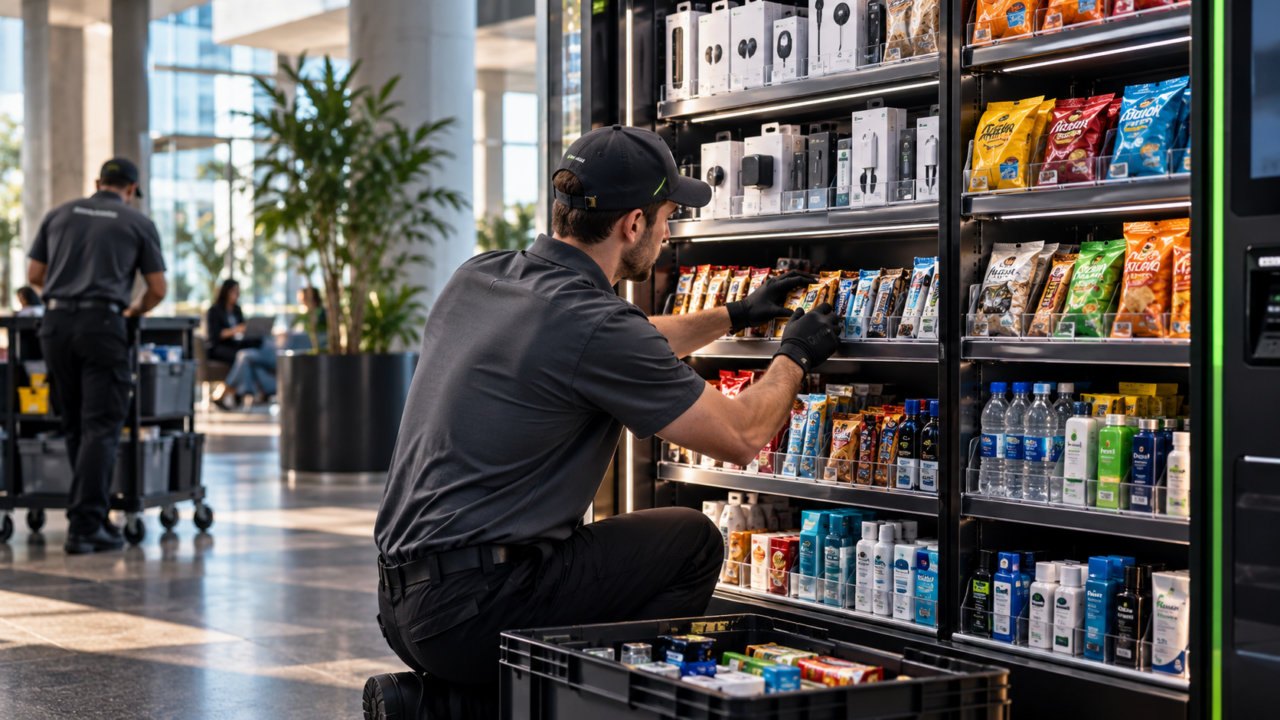
To maintain expansion plans without escalating overhead costs, intelligent brands are shifting toward automated retail programs. Smart kiosks and automated retail solutions allow companies to deploy micro-stores directly into high-traffic environments. This strategy minimizes real estate footprints, lowers labor overhead, and maintains continuous uptime precisely where targeted purchasing intent remains high.
3. Leverage Precise Regional Field Execution
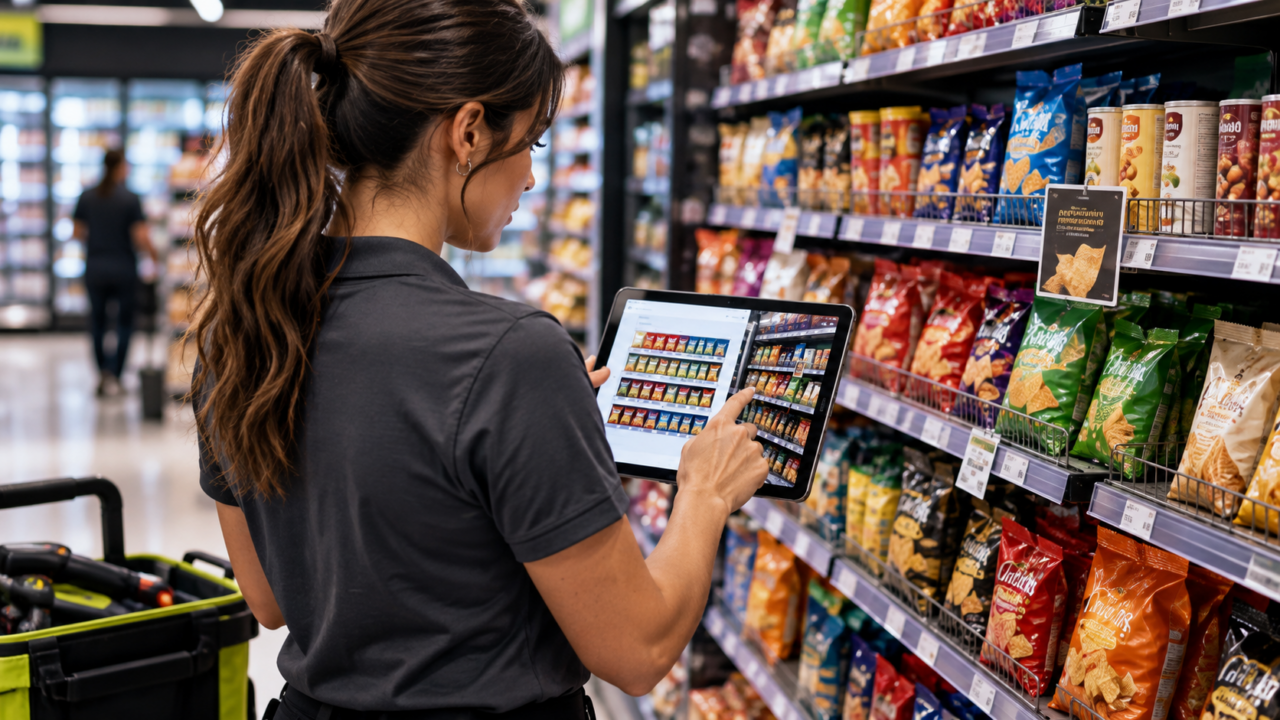
Because inflation impacts geographic regions differently based on local energy costs and rent baselines, standardized national promotions lose effectiveness. Success requires dynamic field labor solutions that deploy merchandising support based on active local demand. Focused shelf audits and targeted inventory corrections reduce waste, keep supply chains agile, and ensure maximum compliance at the point of sale.
Insulating Brand Performance for the Rest of 2026
The middle-class consumer is no longer operating purely on economic anxiety; they are adjusting out of financial necessity. The brands that survive this transition are those that strip out operational friction, protect their shelf visibility, and offer clear, undeniable value at the physical and digital shelf. By focusing heavily on precise execution and structural efficiency, retail operations can maintain healthy conversion metrics even when macroeconomic winds shift.
Frequently Asked Questions
What is causing the 2026 retail consumer spending pullback?
The pullback is driven by inflation outpacing wage growth (CPI 3.8% in April), which has erased spare household cash. Broad-based price increases, especially in energy, groceries, rent and medical costs, plus the rapid depletion of one-time tax-refund cushions, have pushed consumers to cut discretionary spending.
Which household expenses are putting the most pressure on consumers?
Energy and fuel (year-over-year gas prices up 11% and a 3.8% energy index increase in April), rising grocery indexes with 5 of the 6 top grocery categories up, higher electricity costs, rent, medical expenses and home furnishings are the primary drivers squeezing household budgets.
Who is most impacted by this spending shift?
Lower-income households have been affected for several quarters, but the squeeze is now reaching middle-income households as well. Larger-than-normal tax refunds temporarily helped, but much of that cash was consumed by fuel and is expected to be exhausted by summer, reducing discretionary spending across more demographics.
What actions should retailers and brands take to protect sales and margins?
Brands should pivot to value-driven merchandising by ensuring entry-level and budget SKUs are well stocked, clearly priced and prominently positioned; use real-time retail execution metrics to prevent out-of-stocks; deploy automated retail footprints such as smart kiosks and micro-stores to expand with lower overhead; and implement localized optimization to capture highly selective consumer dollars.