





Retail merchandising services are the people, processes, and technology that deliver in-store execution at scale — planogram compliance, display resets, product placement, in-store demos, signage installation, and the compliance auditing that proves everything happened correctly. For Fortune 100 brands and major retailers, retail merchandising services are the operational layer that turns retail strategy into measurable revenue — making them the difference between a well-planned category program that actually delivers and one that dies in the field.
This guide covers what retail merchandising services include, how providers price their work, how to evaluate partners, the most common execution pitfalls, and how T-ROC delivers merchandising across nationwide retail footprints for consumer electronics, wireless, appliances, grocery, and connected home categories.
What Retail Merchandising Services Include
“Retail merchandising services” is a broad umbrella — the strongest providers deliver all of these capability layers as an integrated offering rather than picking a few to specialize in:
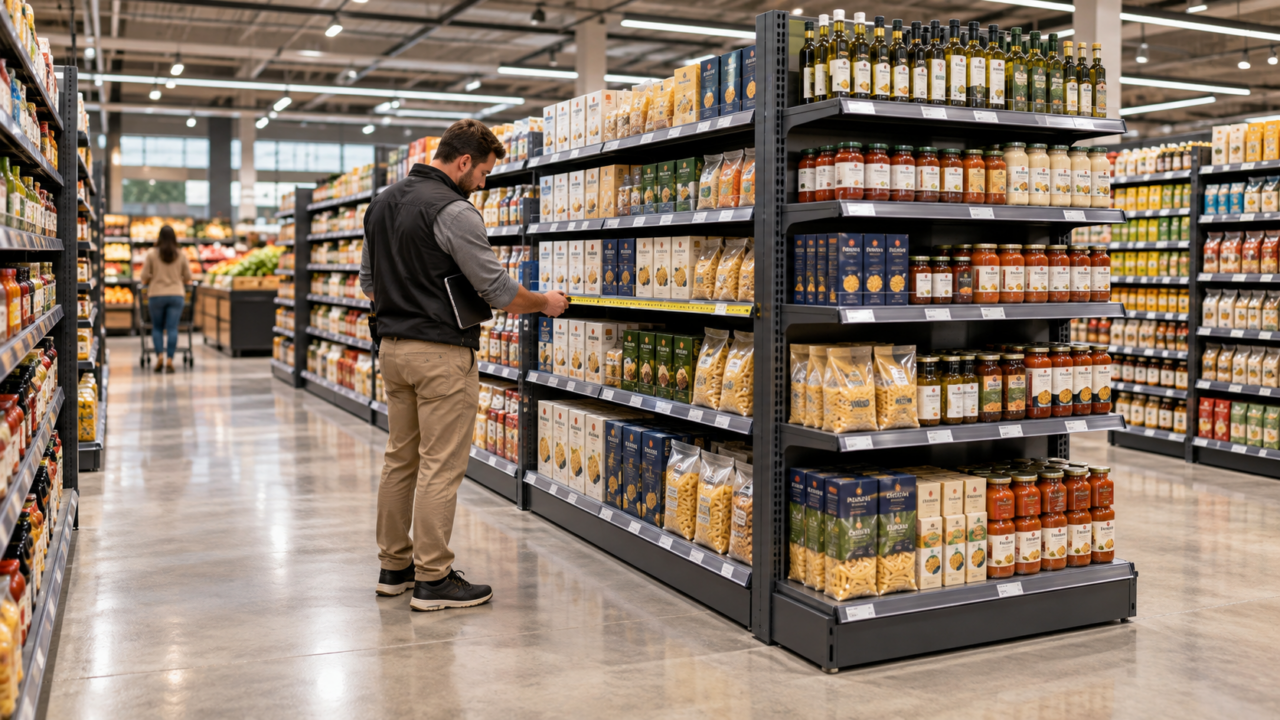
- Planogram execution and resets — deploying trained field teams to execute new planograms across hundreds or thousands of store locations on a coordinated timeline
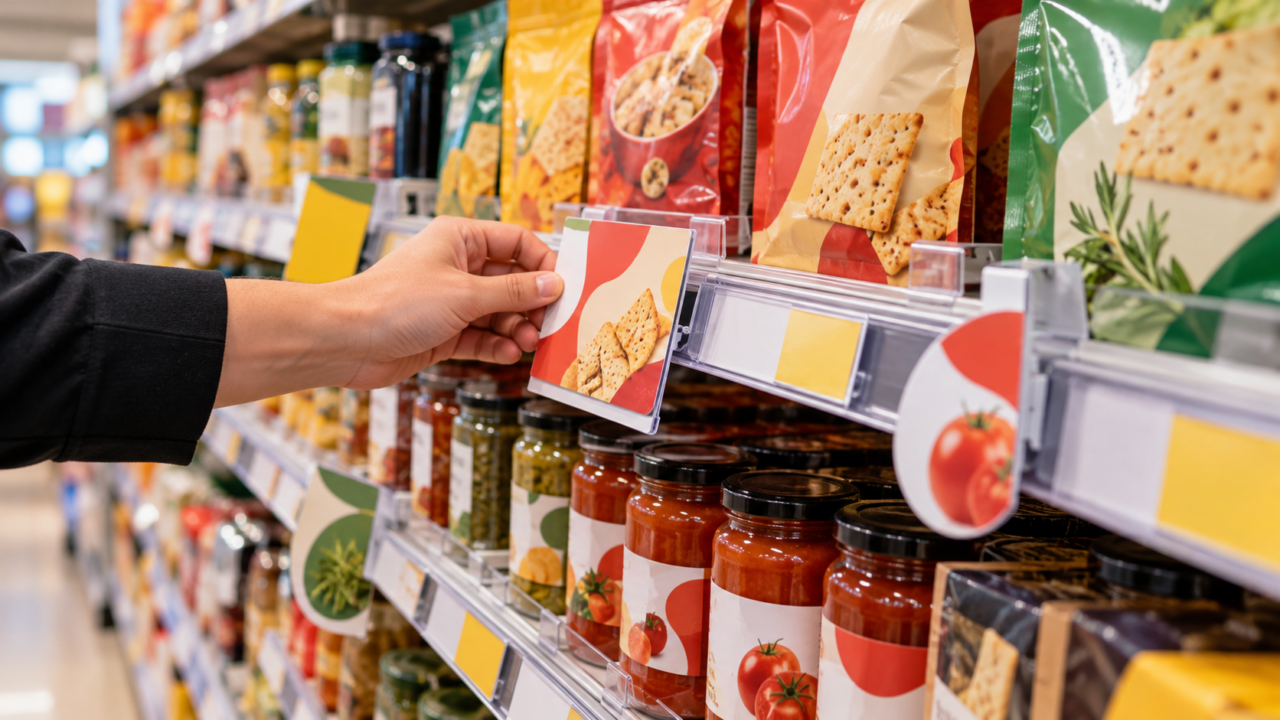
- Display build and install — physical setup of in-store displays, endcaps, secondary placements, and branded fixtures
- Product placement audits — verifying that products appear where they are supposed to, at the correct facings, with the correct pricing signage
- In-store demos and activations — trained brand ambassadors running live product demonstrations at scale
- Compliance measurement — mystery shopping and field audit programs that document execution quality and flag gaps
- Break-fix services — responding to broken displays, damaged fixtures, or failed technology quickly enough to prevent lost sales
- Reporting and visibility technology — real-time dashboards like T-ROC Retail360 that give brand and retailer teams store-level execution data as the program runs
The gap between a basic merchandising vendor and a full-service retail merchandising services partner shows up in layers 5-7. Without measurement, visibility, and break-fix response, execution quality drifts and no one catches it until quarterly reporting.
Why Retail Merchandising Services Matter for Revenue
Retail merchandising services play an integral role in the commercial outcome of any retail program. Effective execution directly influences:
- Product visibility — whether the customer sees the product at the moment of decision
- Store layout effectiveness — whether the aisle flow and shelf arrangement guide the customer to higher-margin items
- Purchasing behavior — whether secondary placements, displays, and signage trigger impulse purchases
- Brand consistency — whether the brand experience is the same in every store, or varies unpredictably
When merchandising execution is strong, category sales lift is measurable — typically 15-40% above baseline when comparing stores on a merchandising program to comparable stores without. When execution is weak, brands are essentially paying for a program that doesn’t happen consistently enough to move the numbers.
Types of Retail Merchandising Services
Product Merchandising
Product merchandising focuses on the product itself — attractive displays, tasteful arrangements, and strategic shelf placement to attract customer attention. Best for manufacturers running category-level programs across multiple retailers.
Visual Merchandising
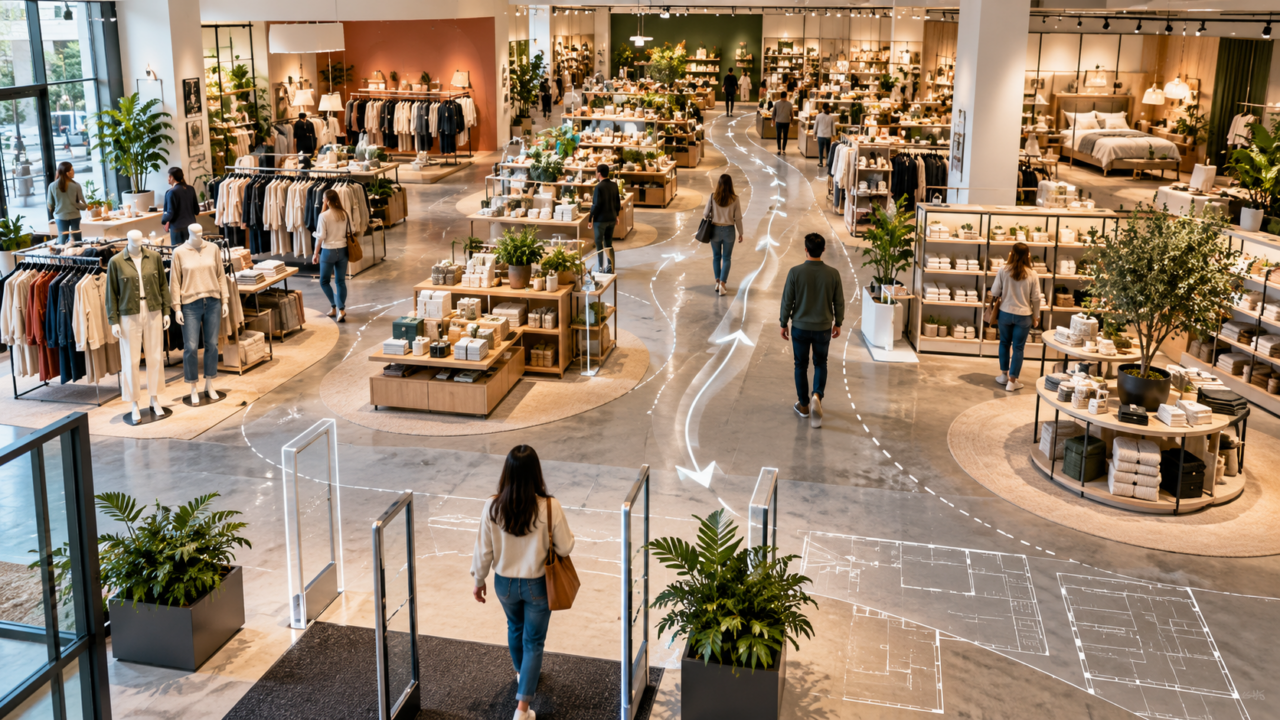
Visual merchandising covers the visual elements of the store environment — layouts, window displays, signage, lighting, and mannequin/fixture arrangements. Best for brands where the in-store experience itself is a brand differentiator (beauty, apparel, luxury).
Digital Merchandising
Digital merchandising covers online product listings, e-commerce category pages, search-result optimization, and digital shelf analytics. Increasingly important as retail becomes omnichannel, though distinct from the in-store field execution that’s the focus of this guide.
Planogram Resets and Programs
Coordinated execution of new planograms across a retail footprint on a defined timeline. Best for brands launching new product lines, seasonal reset cycles, or category-level repositioning programs.
In-Store Demo and Activation Programs
Trained brand ambassadors running product demonstrations inside retail stores. Best for sensory products (food, beauty, audio, gaming) where trial dramatically lifts conversion.
Benefits of Outsourcing Retail Merchandising Services
1. Scale Without Fixed Overhead
A 500-store reset in 14 days requires hundreds of trained field associates moving simultaneously. Building that capacity in-house is economically impossible for most brands. Merchandising services providers maintain national talent pools that can be activated for specific programs and demobilized afterward — variable cost instead of fixed overhead.
2. Specialist Category Expertise
Consumer electronics merchandising is different from grocery merchandising. Category-trained field teams execute 2-3x faster and with measurably higher accuracy than generalist retail staffing because they understand product sensitivities, installation sequences, and retailer-specific compliance rules.
3. Built-In Measurement and Proof
Strong merchandising services include measurement by default — mystery shopping, compliance scoring, before/after photos, and real-time dashboard reporting. Brands get proof the program actually happened, not just an invoice claiming it did.
4. Coordinated National Execution
Running the same reset across 500 stores on the same weekend requires project management capability that most brands don’t want to build internally. A specialist provider handles scheduling, logistics, rework, and exception management so the brand team can focus on program strategy.
5. Technology Advantage
Best-in-class providers invest in retail execution platforms (like T-ROC Retail360) that deliver real-time visibility — brands see store-level execution status during the program, not in a quarterly report after the fact. This technology is part of the engagement rather than a separate license.
In-House vs Outsourced Retail Merchandising: Side-by-Side
| Dimension | In-House Merchandising Team | Outsourced Merchandising Services |
|---|---|---|
| Time to full deployment | 3-6 months | 2-6 weeks |
| Cost structure | Fixed (salaries, benefits, training) | Variable (per-project or retainer) |
| Scalability for surges | Slow and expensive | Rapid and flexible |
| National footprint coverage | Limited unless huge team | Nationwide by design |
| Category specialization | Usually generalist | Specialist pools per category |
| Measurement included | Self-reported | Third-party mystery shopping |
| Technology platform | Build or license separately | Included with engagement |
| Accountability | Internal | Contractual, metric-tied |
How Much Do Retail Merchandising Services Cost?
Pricing depends on program scope, footprint size, category complexity, and measurement rigor. Common pricing structures:
- Per-visit or per-store rate — typical for ongoing merchandising programs with scheduled store visits. Ranges from $50-$150 per visit depending on complexity.
- Project-based fee — used for planogram resets, new product launches, and seasonal programs with a defined scope. Ranges from $50K to several million based on store count and program complexity.
- Managed service retainer — monthly fee covering ongoing merchandising, field teams, measurement, and reporting for a defined footprint.
- Hybrid or performance-based — base fee plus bonuses tied to compliance scores, category sales lift, or other measurable outcomes.
For budgeting reference: a national reset across 500 stores with planogram compliance, display build, and photo documentation typically runs $150K-$400K depending on complexity. A fully-managed ongoing merchandising program covering a national footprint with weekly store visits runs from $1M to several million annually. The correct ROI benchmark: category sales lift should exceed program cost by 3-5x within the measurement window.
How to Evaluate Retail Merchandising Services Providers
- Category expertise. Does the provider have tenure in your category? Consumer electronics, wireless, appliances, grocery, beauty — each has distinct execution requirements.
- Nationwide coverage. If your program runs in all 50 states, your provider needs to as well. Regional-only providers cannot execute consistent nationwide resets.
- Technology platform. Does the provider bring proprietary retail execution technology, or rely on your systems? Bring-your-own-platform providers deliver better visibility.
- Measurement discipline. Is third-party measurement (mystery shopping, compliance audits, photo documentation) included in the engagement or a separate upsell? Built-in measurement is a sign of operational maturity.
- Break-fix capability. When a display fails mid-program, how fast does the provider respond? 24-72 hour response is common among strong providers.
- Enterprise client tenure. How long have their Fortune 500 clients been engaged? Multi-year tenure with enterprise brands signals quality; frequent client turnover is a warning sign.
- Skin in the game. Does the provider operate any retail locations of its own? T-ROC uniquely operates wireless and consumer electronics retail stores — meaning the merchandising model is proven against T-ROC’s own P&L before being applied for clients.
Common Retail Merchandising Execution Pitfalls
- Using generalist staffing for specialist categories. A wireless merchandiser and a beauty merchandiser are not interchangeable. Category-specific training drives execution speed and accuracy.
- No measurement of execution quality. If no one checks compliance, brands end up paying for resets that weren’t done correctly or at all.
- Reactive break-fix. When a display fails and takes two weeks to repair, that’s 14 days of lost sales — often dwarfing the fix cost.
- Fragmented regional providers. Patchworking regional merchandisers creates inconsistent execution quality across the retail footprint.
- Opaque reporting cadence. Quarterly reports arrive too late to intervene. Real-time execution dashboards close the visibility gap.
Measuring the Effectiveness of Retail Merchandising Services
Standard outcome metrics every retail merchandising program should track:
- Compliance score — percentage of planned execution that actually happened correctly (target: 95%+)
- Category sales lift — same-store-year-over-year comparison during and after program execution
- Attach rate on adjacent products — did the merchandising drive additional units into the basket?
- Time-to-execution — how quickly did the program complete across the footprint?
- Exception and rework rate — what percentage of stores required return visits to correct errors?
- Customer satisfaction at the aisle — captured via mystery shopping or post-visit surveys
Future Trends in Retail Merchandising Services
Three trends are reshaping retail merchandising in 2026 and beyond:
- Computer vision for planogram compliance — automated detection of shelf adherence without sending human auditors, now cost-effective at footprint scale
- AI-augmented field associates — merchandisers equipped with real-time product intelligence, installation guidance, and task management delivered via mobile apps
- Unified omnichannel merchandising — the blurring line between in-store and digital merchandising, with brands expecting consistent execution across physical shelves and digital shelves alike
Providers that have invested in these capabilities are pulling ahead of the traditional merchandising agency model. Brands evaluating providers in 2026 should specifically ask about computer vision adoption, mobile-first associate tools, and unified commerce capabilities.
Frequently Asked Questions
What are retail merchandising services?
Retail merchandising services are the people, processes, and technology that execute in-store merchandising programs at scale — including planogram resets, display builds, product placement audits, in-store demos, and compliance measurement across national retail footprints. Strong providers integrate all these capabilities with real-time visibility technology.
How much do retail merchandising services cost?
Pricing varies by scope. Per-visit rates typically run $50-$150 depending on complexity. Project-based resets across 500 stores range from $150K to $400K. Fully-managed ongoing programs run $1M to several million annually. ROI benchmark: category sales lift should exceed program cost by 3-5x within the measurement window.
Should I outsource retail merchandising or build in-house?
Outsource when you need national coverage, variable capacity for surges, category specialization, or built-in measurement — which is most enterprise retail programs. Build in-house only for small regional programs with stable staffing needs and no need for specialized category expertise.
What’s the difference between merchandising services and staffing agencies?
Staffing agencies provide people. Merchandising services providers deliver people plus training curriculum, category expertise, measurement infrastructure, retail technology, and project management as an integrated operating system. The gap shows up in execution quality within 90 days.
How do I know if my retail merchandising program is actually working?
Six metrics to track: compliance score (target 95%+), category sales lift vs. baseline, adjacent-product attach rate, time-to-execution, exception and rework rate, and customer-visible quality via mystery shopping. If your provider can’t deliver all six in real-time reporting, you’re operating blind.
What categories benefit most from specialized merchandising services?
Consumer electronics, wireless, appliances, connected home, beauty, and any category with complex installation, category-expert sell-through, or rapid product refresh cycles. Commodity categories benefit less because the per-associate expertise premium doesn’t translate into measurable lift.
Can retail merchandising services scale for holiday or seasonal programs?
Yes — this is one of the core advantages of outsourced merchandising. Providers maintain vetted talent pools that activate for holiday resets, back-to-school, and product launches, then demobilize afterward. This flex capacity is economically impossible to build in-house.
Does T-ROC provide retail merchandising services?
Yes. T-ROC (The Revenue Optimization Companies) delivers full-service retail merchandising across consumer electronics, wireless, appliances, and connected home categories for Fortune 100 brands and major retailers. T-ROC uniquely combines specialist field teams, mystery shopping measurement, and the Retail360 AI execution platform — and operates its own retail stores, meaning T-ROC’s merchandising model is proven against its own P&L before being deployed for clients.
Related T-ROC Services
Read the complete guide: Retail Merchandising & Visual Display →
T-ROC Editorial Team
The T-ROC editorial team brings 20+ years of retail industry expertise across brand ambassador programs, mystery shopping, retail merchandising, and managed technology solutions. Learn more about T-ROC.