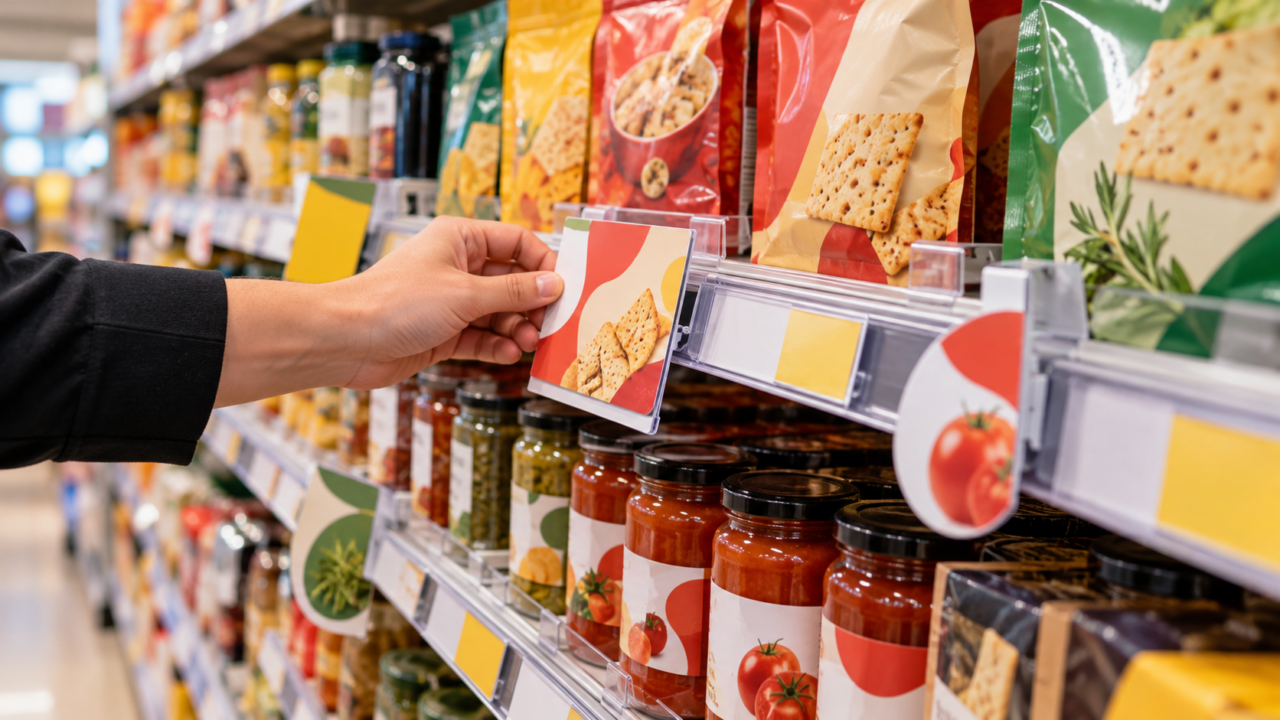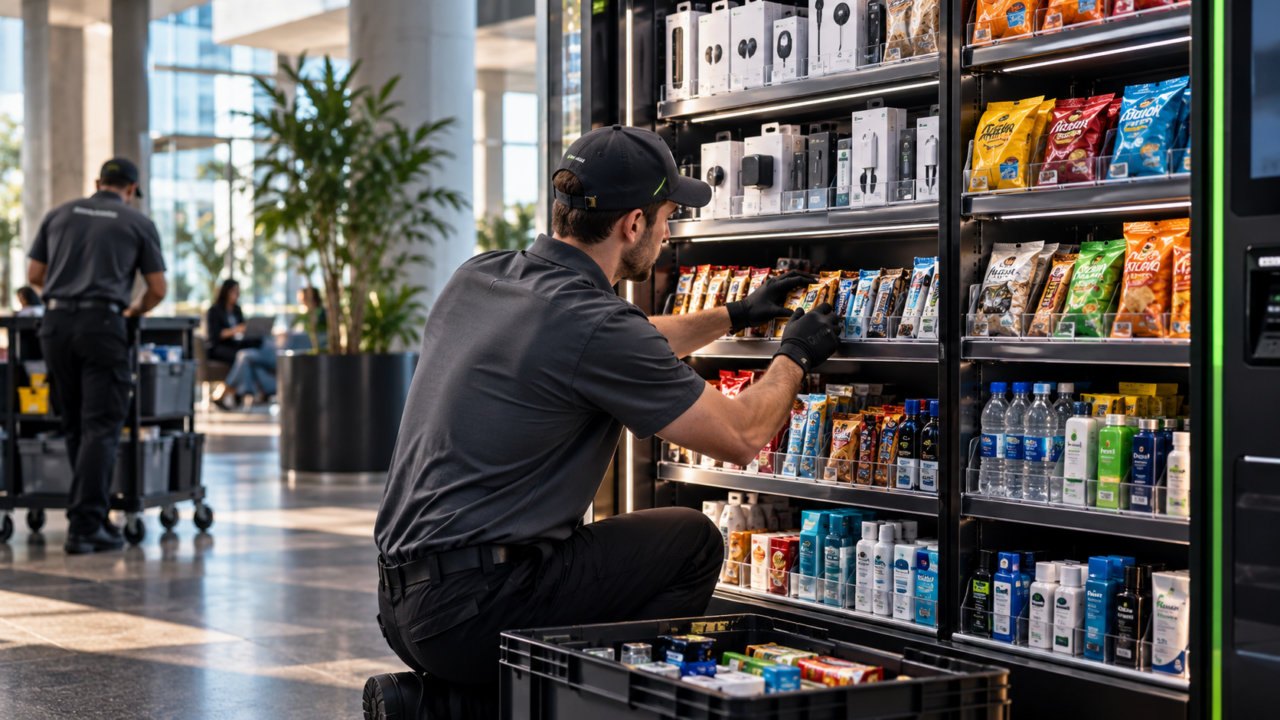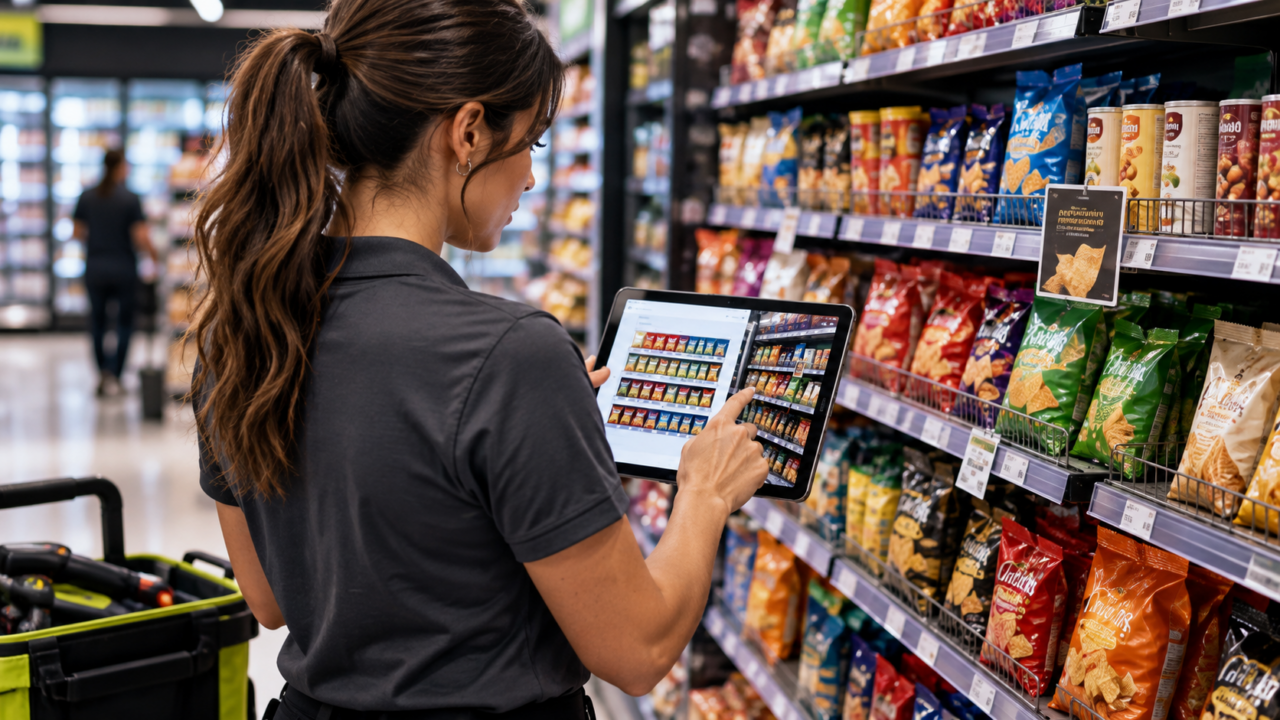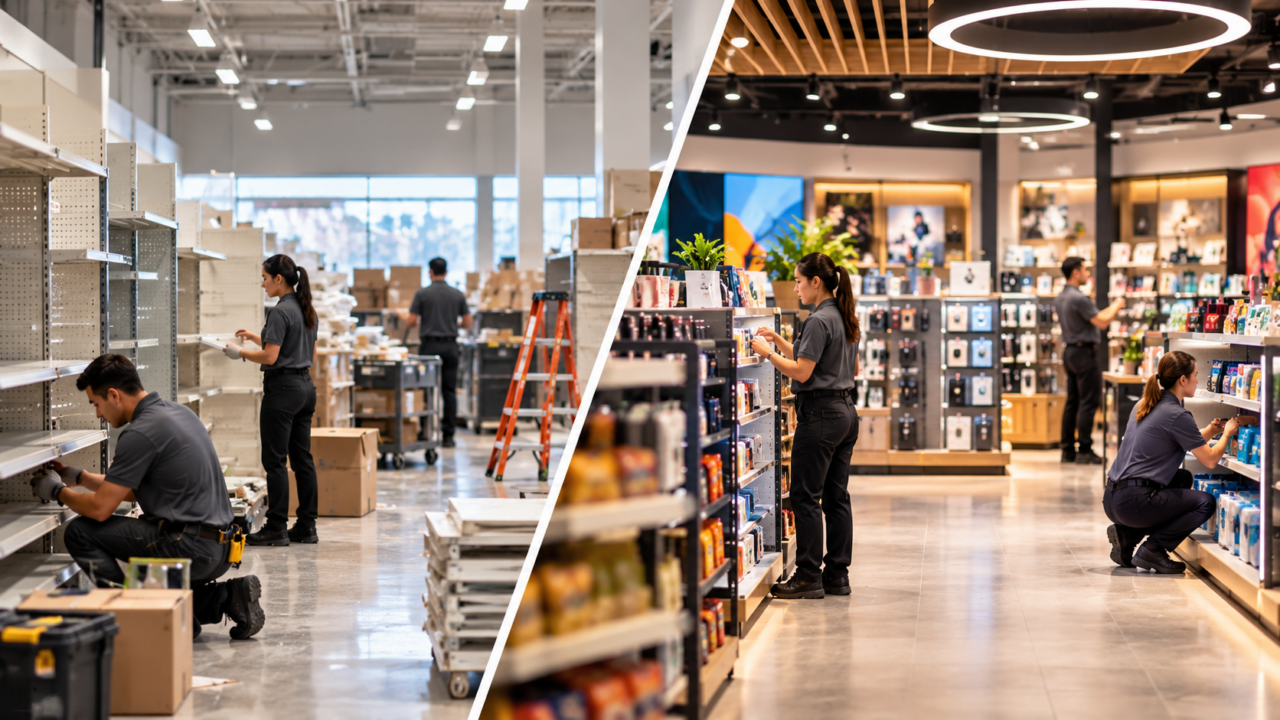




Retail merchandising is no longer just about stocking shelves and arranging displays. The discipline has expanded into a data-driven, technology-enabled practice that shapes how shoppers find products, make decisions, and return for repeat purchases. Understanding what is retail merchandising in its modern form means recognizing that every touchpoint—from a planogram to a digital kiosk—is a revenue lever.
The trends reshaping this space in 2026 are not theoretical. They are live in stores right now, backed by measurable outcomes. This guide breaks down each one, explains who executes them on the ground, and shows how to know whether your strategy is working.
For a deeper foundation, see our retail merchandising guide before diving in.
AI-Driven Retail Merchandising: Optimizing the Shopping Journey
Artificial intelligence is changing what retailers can know about their stores—and how fast they can act on it. Instead of waiting for weekly sales reports to adjust shelf layouts, brands can now respond to demand signals in hours.
Here is what AI-powered merchandising looks like in practice:
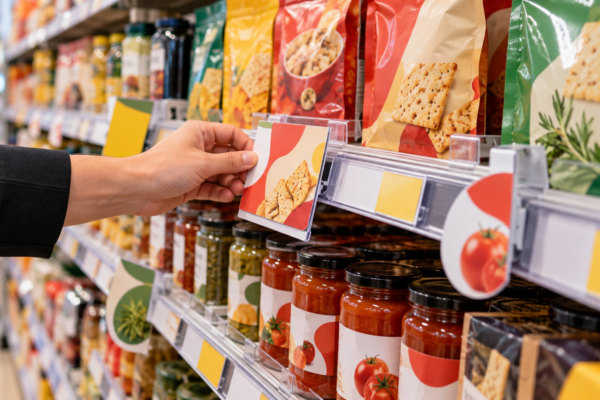
- Dynamic planograms that adjust shelf layouts automatically based on consumer demand, foot traffic patterns, and real-time product velocity.
- Computer vision that monitors stock levels on the shelf, flags out-of-stocks before they cost a sale, and flags compliance gaps without requiring a manual audit.
- Heat mapping analytics that track where shoppers walk and linger, allowing brands to place high-margin products in the highest-attention zones.
- Predictive inventory models that use seasonality, regional sales history, and promotional calendars to position the right product quantities before demand spikes.
Retailers using AI-assisted planograms have reported shelf compliance improvements of 15–20%, which translates directly into fewer lost sales and stronger sell-through rates. The technology is not a replacement for human judgment—it is a force multiplier for field teams who execute the work on the ground.
Blending Digital and Physical Retail: The Omnichannel Approach
Seventy-three percent of consumers are now omnichannel shoppers. They research online, visit the store to see the product, and sometimes complete the purchase on their phone while standing in the aisle. A merchandising strategy that treats digital and physical as separate channels leaves money on the table.
Effective omnichannel merchandising closes that gap through three operational priorities:
- Real-time inventory syncing so that product availability shown online reflects what is actually on the shelf. Nothing erodes trust faster than showing a product as available and then finding an empty peg in the store.
- Mobile-first tools at shelf including QR codes that pull up spec sheets, comparison tools, and customer reviews. This is not a gimmick—it converts the undecided shopper without requiring staff intervention.
- Smart kiosks that let shoppers browse extended assortments not carried in the physical location, place orders for home delivery, and access loyalty account information.
A well-executed retail merchandising strategy treats these tools as infrastructure, not add-ons. The stores that win are the ones where digital and physical inventory, signage, and messaging are aligned.
Experiential Retail: Making Shopping Memorable
The stores gaining share in 2026 are not the ones with the widest assortment. They are the ones that give shoppers a reason to show up, stay longer, and come back. Experiential merchandising builds that reason into the store layout itself.
Tactics that are working right now:
- Demo zones where shoppers can try products before they buy. In categories like consumer electronics, personal care, and sporting goods, the try-before-you-buy moment is often the final conversion trigger.
- Sensory merchandising that engages more than just sight—scent near food and home goods sections, sound design that matches the brand’s energy, tactile product packaging that rewards picking it up.
- Pop-up concepts and themed seasonal sections that create a time-limited reason to visit. Limited-edition in-store experiences drive foot traffic and earn social sharing that no paid media budget can replicate.
Personalization at Scale
Mass merchandising still dominates most retail floors, but the brands pulling ahead are layering personalization on top of it. The goal is not to customize every shelf for every shopper—that is not operationally realistic. The goal is to make the right offer feel like it was placed there for the individual standing in front of it.
Practical approaches that scale:
- AI-powered product recommendations served through in-store screens, app notifications, or associate tablets that surface what this specific customer has bought before and what complements it.
- Digital signage with location-specific messaging so that a store in Miami and a store in Minneapolis can surface regionally relevant promotions without a separate creative workflow for each market.
- Loyalty-driven promotions tied to individual purchase history, surfaced at the moment of decision through an app notification or a printed shelf talker with a personalized offer code.
Sustainability in Merchandising
Eco-conscious shopper behavior is no longer a niche segment. A 2024 NielsenIQ survey found that 69% of consumers say sustainability is at least somewhat important to their purchase decisions. Brands that ignore this in their merchandising are leaving an influence lever untouched.
What sustainability-forward merchandising looks like in practice:
- Recyclable and compostable packaging displays that signal environmental responsibility at the shelf.
- In-store signage that tells the sustainability story behind the product—material sourcing, carbon offset programs, take-back initiatives.
- Fixture materials that reflect the brand’s sustainability commitments: reclaimed wood, recycled metal, modular systems designed for reuse across seasonal resets.
This is not just brand positioning. Shoppers in the 18–34 demographic actively filter purchase decisions through a sustainability lens. Merchandising that surfaces that story converts better with this cohort.
The Rise of Interactive and Digital Displays in 2026
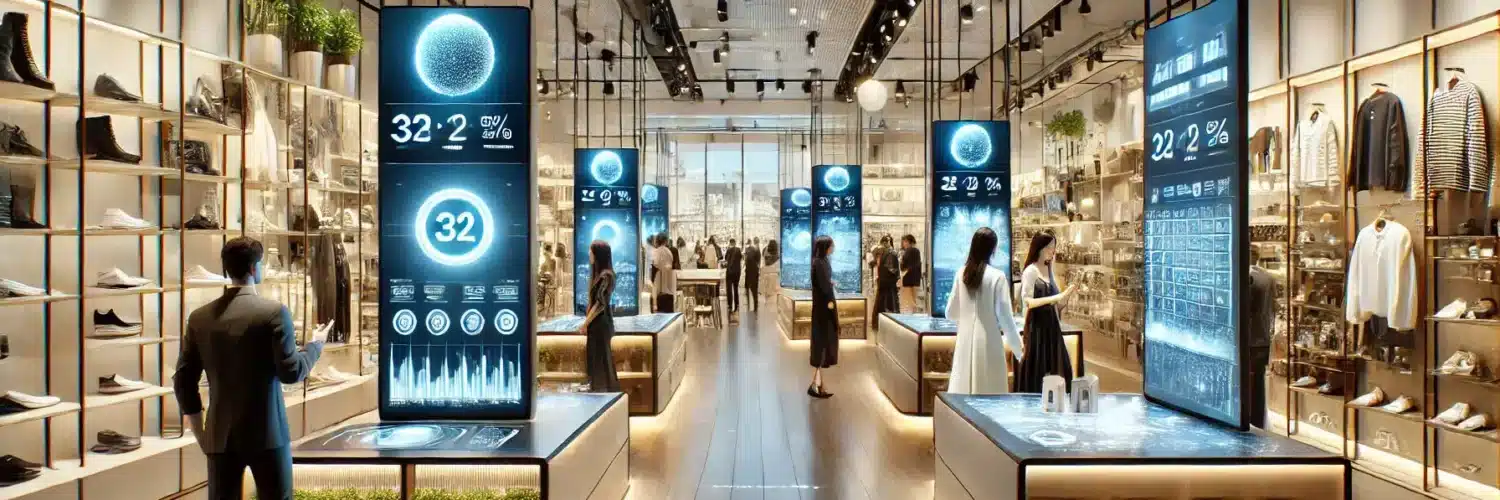
Digital display technology has crossed a cost threshold that makes broad retail deployment viable. LED video walls, interactive touchscreens, and digital shelf labels are no longer reserved for flagship stores. They are showing up in mid-market and value-format retail—and they are measurably changing shopper behavior.
Numbers worth knowing:
- Digital signage increases average purchase amounts by up to 29.5% in some retail categories, according to research from the Digital Signage Federation.
- Interactive displays increase product engagement time by an average of 30% compared to static merchandising, based on in-store study data from major CPG brands.
- Electronic shelf labels (ESLs) reduce price-change labor costs by 50–80% while enabling real-time promotional pricing without manual tag replacement.
Examples of what is working in 2026:
- AI-powered interactive mirrors in apparel and beauty that let shoppers virtually try on products, compare shades, and save looks to their phone. Major beauty retailers have reported double-digit increases in units-per-transaction in sections with these displays.
- Shoppable video walls at end caps that run brand content and surface product specs. Shoppers who stop to watch for more than 10 seconds convert at higher rates than those who pass by static displays.
- Sensor-triggered digital shelf talkers that activate when a shopper picks up a product, surfacing a comparison, a complementary item, or a loyalty offer.
See our full breakdown of how interactive retail displays are reshaping customer engagement for implementation detail and vendor comparisons.
The shift toward digital displays also creates a new execution challenge: the hardware has to work, the content has to be current, and the compliance has to be auditable. That is where field teams become the difference-maker.
Merchandising Workforce Trends: Who Executes the Strategy
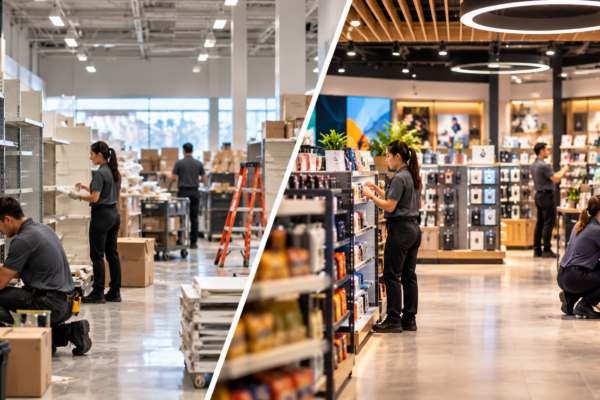
Every strategy on this list eventually requires someone to show up at a store and do physical work. Planograms do not execute themselves. Digital displays need to be configured, activated, and maintained. Seasonal resets require trained hands and a tight timeline.
This is the operational reality that many merchandising strategies underestimate—and where brands either gain or lose the advantage they built in the planning room.
Three workforce models are shaping how brands execute in 2026:
Dedicated In-House Field Teams
Best suited for brands with high store counts in concentrated geographies and consistent weekly service needs. In-house teams provide maximum brand knowledge and control but carry fixed labor costs regardless of activity levels.
Outsourced Merchandising Teams
The most common model for brands that need nationwide coverage without the overhead of a large permanent headcount. Outsourced teams through partners like T-ROC bring trained merchandisers, management infrastructure, and reporting systems that most brands cannot build cost-effectively on their own.
Outsourced field teams are particularly effective for:
- New product launches requiring rapid, coordinated execution across hundreds of stores.
- Seasonal resets with concentrated timelines and high compliance requirements.
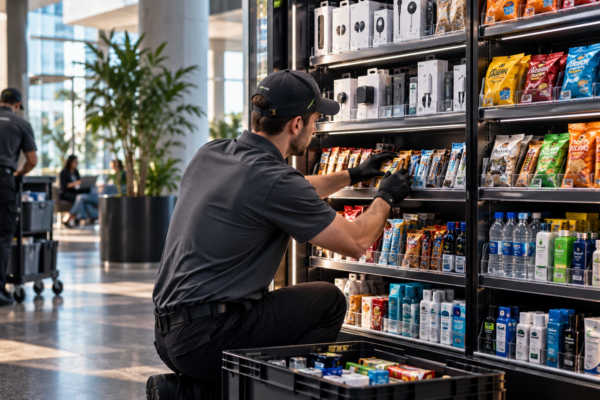
- Ongoing shelf maintenance in accounts that require frequent visits but do not justify a dedicated headcount.
Hybrid Models
Many brands use a combination: an in-house team handles strategic accounts and training, while an outsourced partner covers the broader store base. This model optimizes for coverage and cost simultaneously.
The talent dimension is also shifting. Modern merchandising roles increasingly require comfort with mobile audit tools, digital display configuration, and real-time data entry. Recruiting and training for this skill set is part of the operational investment brands need to plan for in 2026. Check the broader retail trends 2026 outlook for how workforce strategy fits into the full picture.
Measuring the Impact of Your Merchandising Strategy
A merchandising strategy that cannot be measured cannot be improved. Most brands track top-line sales—but sales are a lagging indicator. By the time poor merchandising shows up in the revenue line, weeks of opportunity have already been lost. Leading indicators give you the ability to course-correct faster.
KPIs That Matter
- Sell-through rate: the percentage of inventory sold during a defined period versus what was stocked. A declining sell-through rate on a specific SKU is often a merchandising signal before it becomes a sales signal—location on shelf, adjacency, or signage may need adjustment.
- Shelf compliance rate: what percentage of stores have the planogram implemented correctly at any given time. Industry benchmarks hover around 60–70%; leading brands push above 85% through consistent field audits and corrective action workflows.
- Out-of-stock rate: how often shoppers encounter an empty shelf where your product should be. Every out-of-stock is a lost sale—often a permanently lost sale if the shopper substitutes a competitor’s product and re-orders it habitually.
- Display compliance: whether promotional displays, end caps, and secondary placements are set up correctly, on time, and with the right materials. This is especially important during promotional periods when the incremental revenue opportunity is highest.
- Conversion rate by fixture or zone: using transaction data combined with foot traffic data to understand which areas of the store are converting at what rate. This is the input that should drive planogram and assortment decisions.
Building an Audit Infrastructure
Measurement requires a data collection mechanism. For most brands, that means a mobile audit tool used by field reps during store visits—capturing photos, compliance scores, and corrective actions against a standardized checklist. The output should flow into a dashboard that leadership can review weekly, not just at the end of a quarter.
Brands that invest in audit infrastructure consistently outperform those that rely on anecdotal field reports. The data closes the loop between strategy and execution—and it creates accountability at every level of the merchandising organization.
Frequently Asked Questions
What are the most important retail merchandising trends to prioritize in 2026?
The highest-ROI investments right now are AI-driven planogram optimization, interactive and digital displays, and outsourced field execution with audit infrastructure. These three together address the full cycle: planning, in-store presentation, and measurement. Brands that get all three working together outperform on both sell-through and compliance metrics.
How does omnichannel merchandising differ from traditional retail merchandising?
Traditional merchandising focuses on the physical store in isolation—shelf placement, display design, and in-store signage. Omnichannel merchandising treats the physical store as one node in a connected journey. Inventory data, pricing, and promotions have to be synchronized across digital and physical touchpoints so the shopper has a consistent experience regardless of where they engage. This requires tighter integration between retail operations, e-commerce, and marketing systems than most traditional merchandising setups support.
What KPIs should brands use to measure merchandising effectiveness?
Start with sell-through rate, shelf compliance rate, and out-of-stock rate. These three give you a complete picture of whether your products are in the right place, in the right quantity, and executing correctly against the planogram. Layer in conversion rate by zone once you have the traffic data infrastructure to support it. Brands measuring all five consistently tend to identify and fix compliance gaps 3–4 weeks faster than those relying on periodic manual audits.
When does it make sense to outsource retail merchandising execution?
Outsourcing makes sense when you need coverage across a large, geographically dispersed store base, when your service frequency does not justify permanent headcount, or when you need to scale up rapidly for a launch or seasonal reset. The break-even point varies by brand size and geography, but most mid-market brands find outsourced execution more cost-effective than in-house once they account for recruiting, training, management, and benefits overhead.
How is AI changing retail merchandising strategy?
AI is compressing the feedback loop between what is happening in the store and what decisions get made in response. Planograms that used to update quarterly can now update weekly based on live sales and foot traffic data. Out-of-stocks that used to be caught by a rep during a scheduled visit can now be flagged in real time by computer vision. Promotional placement decisions that used to rely on buyer intuition can now be validated against predictive models. The technology does not replace merchandising expertise—it makes that expertise faster and more precise.
T-ROC Editorial Team
The T-ROC editorial team brings 20+ years of retail industry expertise across brand ambassador programs, mystery shopping, retail merchandising, and managed technology solutions. Learn more about T-ROC.