

What is Customer Experience in Retail? (Definition, Drivers & How to Improve It)
Published by T-ROC Global | Last updated: April 7, 2026
Retail has always been a people business, but the bar for what constitutes a good shopping experience has never been higher. Consumers today move fluidly between physical stores, e-commerce sites, and social channels — and they judge a brand on the weakest link in that chain. For operations directors and brand managers responsible for retail performance, customer experience in retail is no longer a soft metric: it is a direct driver of revenue, loyalty, and market share.
Retail Customer Experience Definition
Retail customer experience (retail CX) is the sum of every perception, emotion, and interaction a customer has with a retail brand — from first awareness through post-purchase support — across all in-store, digital, and assisted-selling channels.
Unlike a single transaction, retail CX is cumulative. A shopper who discovers a product through an Instagram ad, researches it on the brand’s website, visits a store to touch and feel it, and calls customer service after delivery has had a multi-touchpoint experience. Each moment either builds trust or erodes it.
- Customer service — reactive support when a customer has a need or problem. CX is broader and proactive.
- User experience (UX) — the quality of interaction with a specific digital interface. CX encompasses UX but also covers physical and human touchpoints.
Why Customer Experience Matters in Retail
- 86% of buyers say they will pay more for a better customer experience (PwC).
- 49% of consumers report making impulse purchases after receiving a more personalized in-store experience (Segment).
- CX leaders outperform laggards by nearly 80% in revenue growth over five years (Forrester).
- Acquiring a new customer costs 5–7x more than retaining an existing one — and CX is the primary retention driver (Bain).
Key Drivers of Retail Customer Experience
Associate Behavior and Product Knowledge
Store associates are the most influential variable in physical retail CX. A knowledgeable, engaged associate can turn a browsing shopper into a loyal customer; an indifferent one sends that shopper to a competitor. Training quality, associate engagement, and clear performance standards directly determine the quality of human-to-human interactions on the floor.
Store Environment and Merchandising
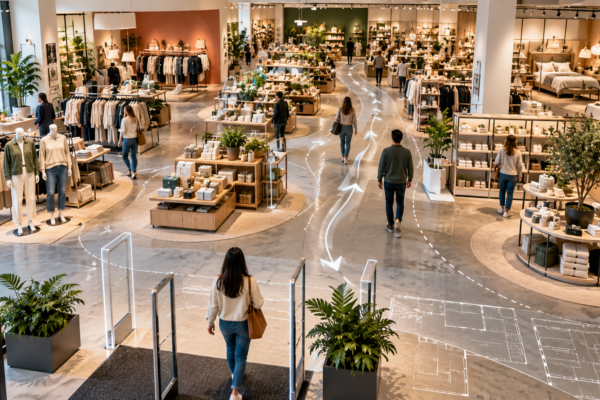
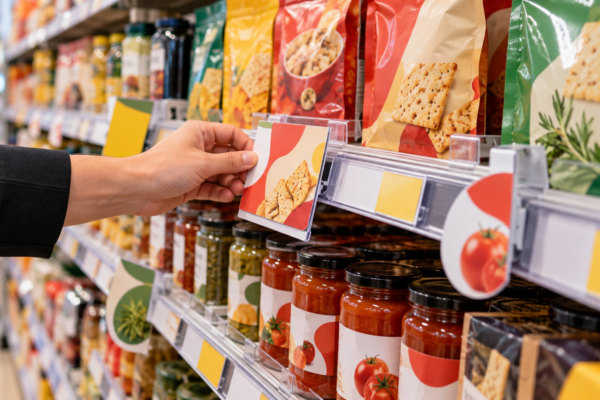
Physical environment — store layout, cleanliness, signage, lighting, and fixture condition — shapes the subconscious perception customers form within the first few seconds of entry. Planogram compliance and accurate product placement ensure promotional investments translate into actual shopper engagement.
Product Availability and Inventory Accuracy
Nothing degrades retail CX faster than an out-of-stock on a promoted item or a phantom inventory discrepancy. Operational disciplines around cycle counts, replenishment triggers, and back-stock organization directly affect whether a shopper leaves with what they came for.
Checkout and Friction Reduction
Long checkout queues and payment friction remain top-cited complaints in retail satisfaction surveys. The final moments of a purchase have outsized influence on how the entire visit is remembered.
Post-Purchase Experience
The experience does not end at the register. Returns processing, delivery execution, and follow-up communications all contribute to the overall CX score and directly influence whether a customer returns.
How to Measure Retail Customer Experience
- Net Promoter Score (NPS). Measures likelihood to recommend on a 0–10 scale. Leading indicator of loyalty, but must be paired with qualitative follow-up to be actionable.
- Mystery Shopping. Mystery shopping provides objective, structured evaluation of specific CX standards at the store level — what actually happened, not just how a customer felt about it.
- Customer Satisfaction Score (CSAT). Measures satisfaction with a specific interaction on a 1–5 scale. When deployed at checkout or via post-visit email, captures timely, touchpoint-specific feedback.
- Return Rate and Complaint Volume. Elevated return rates on specific SKUs or in specific stores frequently indicate unmet expectations not surfaced in surveys.
How to Improve Customer Experience in Retail
- Define CX standards at the store level. Translate brand values into observable, auditable behaviors — specific greetings, demonstration steps, resolution protocols — and train to those standards.
- Build a closed-loop feedback system. Route mystery shopping and CSAT findings directly to store managers within 48 hours with specific coaching recommendations. Feedback without action is wasted investment.
- Invest in associate training and accountability. Structured onboarding, periodic product knowledge updates, and performance-linked recognition drive measurable engagement improvements.
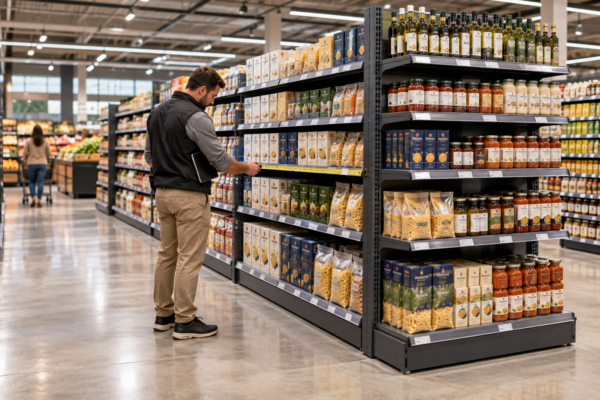
- Eliminate inventory and planogram gaps. Regular store walks to correct out-of-stocks and maintain display integrity are a prerequisite for a positive shopper experience.
- Align digital and physical touchpoints. Inconsistency between the website, app, and store is a primary driver of customer frustration and lost sales.
- Use data to prioritize, not just report. Segment CX data by store, region, and associate team to identify the highest-leverage intervention points.
For a deeper operational playbook, see T-ROC’s Retail Customer Experience Guide.
Role of Brand Ambassadors in Retail Customer Experience
For brands that sell through third-party retailers, the in-store associate is often a retail employee with dozens of competing brands to represent. This is where brand ambassador programs become a strategic CX lever.
A dedicated brand ambassador carries deep product expertise and a singular brand focus. Their presence directly addresses two of the most common CX failure points: insufficient product knowledge and lack of proactive customer engagement. When deployed strategically at high-volume doors during peak traffic periods, brand ambassadors deliver measurable lifts in unit sales, attach rates, and customer satisfaction scores.
Retail Customer Experience FAQ
What is the difference between customer experience and customer service in retail?
Customer service is reactive support when a customer has a question or problem. Customer experience is the broader, proactive totality of every interaction a customer has with a brand — marketing, merchandising, store environment, associate behavior, checkout, and post-purchase follow-up. A retailer can have excellent customer service and still deliver a poor overall experience if the store is disorganized or digital touchpoints are inconsistent.
What is a good NPS score for a retail brand?
An NPS above 50 is considered excellent in retail; scores between 30 and 50 are good; scores below 0 indicate significant problems requiring immediate attention. More important than the absolute score is the directional trend — consistent quarter-over-quarter improvement builds durable competitive advantage.
How often should retail brands conduct mystery shopping audits?
High-volume flagship doors and locations with known performance issues should be audited monthly. Mid-tier locations benefit from quarterly audits with targeted follow-up when scores fall below standard. New store openings and major promotional windows warrant additional unannounced visits. The goal is a reliable data signal to guide coaching and operational decisions, not surveillance.
Ready to Elevate Your Retail Customer Experience?
T-ROC Global helps leading brands design, deploy, and measure CX programs that drive measurable results at the store level — from brand ambassador teams to mystery shopping and field merchandising.