



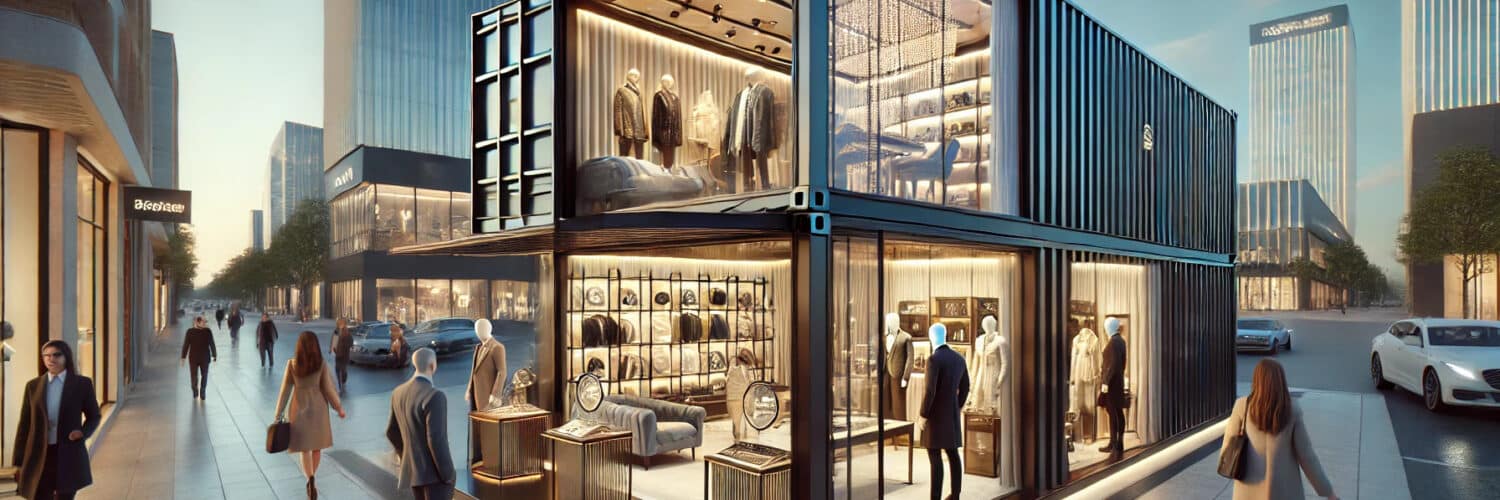
Luxury pop-up stores have evolved from temporary curiosities into one of the most powerful formats in high-end retail. What began as limited-run boutiques designed to test markets and generate buzz has become a permanent fixture in the strategies of heritage fashion houses, premium beauty brands, and emerging luxury labels alike. In a retail landscape where exclusivity and experience drive purchasing decisions, the pop-up format offers something a permanent flagship cannot: urgency, novelty, and the thrill of discovery. For a deeper look at how immersive formats are reshaping physical retail, T-ROC’s experiential retail guide covers the full spectrum of activation strategies.
The numbers tell a compelling story. The global pop-up retail market has grown steadily, and luxury brands now account for a disproportionate share of that growth. Chanel, Louis Vuitton, Dior, and Hermès have all deployed pop-up activations in the past 18 months — not as afterthoughts but as centerpiece campaigns tied to product launches, seasonal collections, and cultural moments. These are not stripped-down sample sales. They are meticulously designed environments that rival or exceed the production value of permanent boutiques.
Why Luxury Brands Are Betting on Pop-Up Formats
The appeal of luxury pop-up stores for high-end brands rests on three strategic advantages that permanent retail cannot easily replicate.
Scarcity drives desire. Luxury has always been built on controlled access. A pop-up that exists for two weeks in a single city creates a sense of urgency that aligns perfectly with luxury brand psychology. Shoppers who might delay a visit to a permanent boutique will rearrange their schedules for a pop-up because the window is closing. This urgency translates directly into higher conversion rates and larger average transaction values compared to permanent locations.
Cultural relevance through location. A pop-up allows a brand to insert itself into a cultural conversation by choosing a location that signals something specific — an art district, a music festival, a design week venue. Hermès does not need a permanent store in the Marais to tell a Parisian story; a two-week installation in a converted atelier communicates the same values with more editorial impact. The location becomes part of the brand narrative, something a flagship on Fifth Avenue cannot achieve with the same freshness.
Test-and-learn at lower risk. For luxury brands evaluating new markets — a secondary city, an emerging affluent demographic, a new product category — the pop-up format offers real-world demand data without a multi-year lease commitment. A six-week luxury pop-up store in Austin or Nashville generates foot traffic data, customer profiles, and revenue benchmarks that inform a permanent location decision with far more confidence than market research alone.
Designing the Luxury Pop-Up Experience
The physical design of a luxury pop-up must accomplish something paradoxical: it must feel both temporary and exquisite. Shoppers expect the craft and attention to detail associated with luxury, but they also want the pop-up to feel distinct from a standard boutique — more intimate, more curated, more like a private invitation than a retail transaction.
The most effective luxury pop-ups achieve this through three design principles. First, material honesty — using raw, beautiful materials (reclaimed wood, hand-poured concrete, natural stone) that communicate quality without the polished uniformity of a permanent store. Second, spatial storytelling — organizing the space as a narrative journey rather than a merchandise grid, guiding visitors through rooms or zones that each communicate a chapter of the brand story. Third, sensory immersion — custom scent, curated sound design, and lighting calibrated to the brand’s emotional register. Visitors should feel the brand before they see a single product. To understand why this immersive approach works, explore the fundamentals in T-ROC’s overview of what is experiential retail.
Technology plays an increasingly important role, but in luxury it must remain invisible. QR codes taped to walls feel discount. NFC chips embedded in product pedestals that trigger a personal narrative on the visitor’s phone feel premium. The distinction matters enormously. In luxury pop-ups, every digital touchpoint should feel like a concierge service, not a self-checkout kiosk.
Case Studies: Luxury Pop-Up Stores That Set the Standard
Several recent activations illustrate how leading brands are executing the luxury pop-up format at its highest level.
Chanel’s “Le Grand Numéro” in Paris transformed a historic venue into a multi-room carnival-themed experience tied to a fragrance launch. Each room featured a different sensory activation — one dedicated to scent layering, another to visual storytelling through projection art, a third to personalized engraving. The pop-up ran for three weeks and generated over 15,000 visits, with an estimated earned media value exceeding 10 million euros. The key insight: every room had a shareable moment engineered for social amplification, but none felt forced or inauthentic.
Jacquemus’s “Le Bleu” summer pop-up on the Amalfi Coast turned a cliffside villa into a shoppable brand world. The collection was displayed in domestic settings — draped over chairs, folded on beds, hanging in open wardrobes — creating the feeling of visiting a friend’s impossibly stylish home. No cash wraps, no security tags visible, no traditional retail fixtures. The result was a conversion rate more than double the brand’s permanent retail average, driven by the intimacy of the format.
Tiffany & Co.’s “Style Studio” pop-ups in select cities offered appointment-only styling consultations in gallery-like spaces, blending personal shopping with an art exhibition aesthetic. By limiting access to appointment holders, Tiffany created exclusivity within an already exclusive format — a pop-up within a pop-up model that drove exceptionally high average order values.
Location Strategy for Luxury Pop-Ups
The success of any luxury pop-up store begins with where it lives. Location is not just logistics — it is brand communication. The address tells the customer who the brand is, who it considers its peers, and what kind of experience to expect before they walk through the door.
High-traffic luxury districts remain the default choice for good reason. SoHo in New York, the Marais in Paris, Ginza in Tokyo, and Sloane Street in London offer built-in foot traffic from affluent shoppers already in a purchasing mindset. The adjacency to established luxury retailers provides credibility by association. For emerging brands, a pop-up on the same block as Celine or Bottega Veneta is a positioning statement that would take years and millions in advertising to replicate.
Hotel lobbies and resort properties represent a growing frontier for luxury pop-ups. Five-star hotels offer a captive audience of high-net-worth travelers with leisure time and disposable income. Brands like Loewe and Brunello Cucinelli have deployed hotel lobby pop-ups that feel like natural extensions of the property’s aesthetic. The hotel benefits from the cultural cachet; the brand benefits from access to a pre-qualified audience in a relaxed, receptive state of mind.
Art galleries and cultural institutions offer a third strategic option that signals intellectual sophistication. A luxury pop-up inside a gallery or museum — or adjacent to a major exhibition — positions the brand as a patron of culture rather than a merchant. This approach works exceptionally well for brands whose identity is rooted in craftsmanship, heritage, or artistic collaboration. The gallery context elevates the product from commodity to artifact, justifying premium pricing through environmental framing. Brands looking to execute these activations at scale should explore T-ROC’s experiential retail services for end-to-end pop-up production and staffing.
Staffing Luxury Experiential Retail: Training Brand Ambassadors for High-End
A beautifully designed luxury pop-up with poorly trained staff is a missed opportunity — or worse, a brand liability. In luxury experiential retail, the human interaction is the experience. Every conversation, every gesture, every moment of attention communicates the brand’s values. Getting this right requires a fundamentally different approach to staffing than standard retail.
Product knowledge is table stakes, not the goal. Brand ambassadors in a luxury pop-up must know the collection inside and out — materials, provenance, design inspiration, care instructions. But knowledge alone does not create a luxury interaction. The goal is fluency: the ability to weave product information into a natural conversation that responds to what the customer cares about, not a scripted recitation of features. Training should include scenario-based role play that develops conversational agility, not just information retention.
Hospitality training matters more than sales training. The best luxury pop-up staff are trained in the hospitality tradition — anticipating needs, reading body language, knowing when to engage and when to provide space. A customer browsing quietly does not need an approach pitch; they need to feel welcome and unhurried. A customer who makes eye contact and picks up a product needs a knowledgeable companion, not a closer. This distinction — between selling and hosting — separates luxury experiential retail from every other format. For a comprehensive look at building high-performing field teams, T-ROC’s brand ambassador guide covers recruitment, training frameworks, and performance measurement.
Cultural and local fluency rounds out the profile. Luxury pop-ups often attract international clientele and local tastemakers simultaneously. Staff should be briefed on the cultural context of the location — local dining recommendations, nearby galleries, neighborhood history — so they can engage in the kind of informed conversation that builds genuine rapport. The brand ambassador who can recommend the best gallery opening happening that evening creates a relationship, not just a transaction.
The Economics of Luxury Pop-Up Stores
Understanding the financial model behind luxury pop-up stores is essential for brands considering the format. The cost structure differs significantly from permanent retail, and the revenue model extends well beyond direct sales.
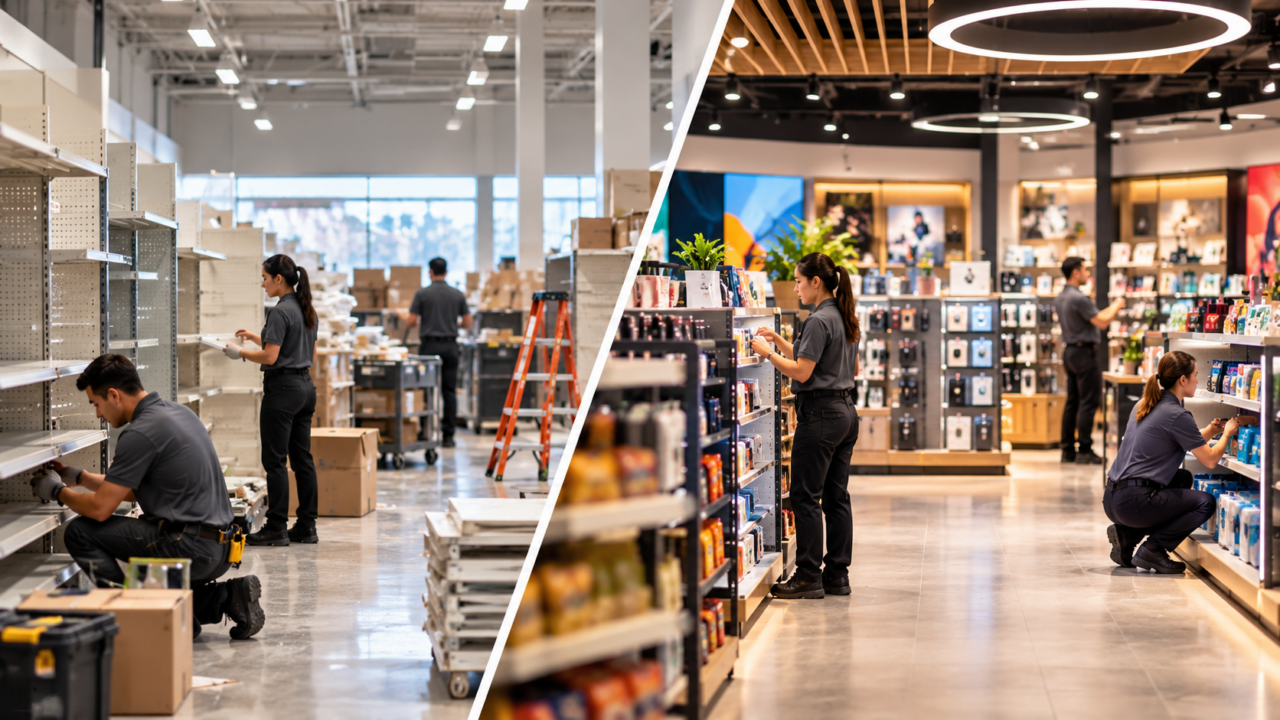
On the cost side, a luxury pop-up typically involves venue rental, custom buildout and design, staffing, logistics and inventory management, marketing and PR activation, and teardown and restoration. A high-quality luxury pop-up in a prime location for a four-to-six-week run typically costs between $150,000 and $750,000 — significantly less than the annual operating cost of a permanent boutique in the same area, which can exceed $2 million when factoring in lease, staffing, and overhead.
On the revenue side, direct sales are only one component. The full value equation includes earned media coverage (often worth multiples of the buildout cost for well-executed activations), customer data acquisition (email addresses, purchase preferences, and demographic profiles from a highly qualified audience), market intelligence (demand signals for specific products, price sensitivity data, and geographic opportunity assessment), and brand equity reinforcement (associating the brand with cultural moments and premium environments).
When brands evaluate luxury pop-ups on direct sales alone, the ROI often appears modest. When they account for the full value stack — media, data, intelligence, and equity — the format consistently outperforms traditional retail marketing on a cost-per-impression and cost-per-acquisition basis.
The Future of High-End Retail Is Experiential
The trajectory is clear. Permanent luxury retail is not disappearing, but it is being augmented — and in some cases challenged — by pop-up formats that offer brands more agility, more cultural relevance, and more direct connection with their highest-value customers. The brands that will lead luxury retail in the years ahead are those that treat the pop-up not as a promotional tactic but as a core strategic capability.
This means investing in repeatable pop-up design systems that can be adapted to different locations and cultural contexts without starting from scratch each time. It means building a bench of trained luxury brand ambassadors who can activate on short notice. It means developing measurement frameworks that capture the full value of experiential activations — not just the register receipts. And it means choosing partners with the operational expertise to execute at the quality level luxury demands.
The era of luxury retail as a static, location-bound experience is giving way to something more dynamic, more responsive, and ultimately more aligned with how today’s affluent consumers want to discover and engage with brands. Luxury pop-up stores are not the future of high-end retail — they are the present. The only question is whether your brand is positioned to capitalize on what comes next.
Frequently Asked Questions About Luxury Pop-Up Stores
What makes a luxury pop-up store different from a regular pop-up?
A luxury pop-up store is distinguished by its design quality, sensory immersion, staffing caliber, and brand storytelling — not just the price point of the products inside. While a standard pop-up might prioritize volume and visibility, a luxury pop-up prioritizes exclusivity, craftsmanship, and an emotional experience that reinforces the brand’s premium positioning. Materials, lighting, scent, sound, and the training level of staff are all elevated to match the expectations of high-net-worth consumers.
How long should a luxury pop-up store run?
Most luxury pop-ups run between two and eight weeks. Shorter durations (two to three weeks) maximize urgency and exclusivity, which can drive higher conversion rates. Longer durations (six to eight weeks) allow for deeper customer engagement, event programming, and more robust data collection. The ideal duration depends on the brand’s primary objective — if it is buzz and media coverage, shorter is better; if it is market testing and customer acquisition, longer provides more actionable data.
What is the typical cost of launching a luxury pop-up store?
A luxury pop-up in a premium location typically costs between $150,000 and $750,000 for a four-to-six-week activation. This includes venue rental, custom design and buildout, staffing, logistics, marketing, and teardown. Costs vary significantly based on city, venue type, and the level of custom fabrication involved. Brands should budget for earned media amplification and post-event analysis in addition to the physical activation, as these investments maximize the long-term return.
Where are the best locations for luxury pop-up stores?
The strongest locations for luxury pop-ups fall into three categories: established luxury shopping districts (SoHo, the Marais, Ginza, Sloane Street) that provide affluent foot traffic and brand adjacency; five-star hotel lobbies and resort properties that offer access to high-net-worth travelers in a receptive mindset; and art galleries or cultural institutions that position the brand within an intellectual and creative context. The best choice depends on the brand’s identity and the specific audience it wants to reach.
How do you measure the success of a luxury pop-up store?
Success should be measured across four dimensions: direct revenue (sales during the activation period), media value (earned media coverage, social mentions, and influencer content generated), customer acquisition (email captures, loyalty sign-ups, and CRM records from qualified prospects), and market intelligence (product demand signals, geographic opportunity data, and customer demographic insights). Evaluating only direct sales undervalues the format significantly. The most sophisticated brands use a blended ROI model that weights all four dimensions based on their strategic priorities.