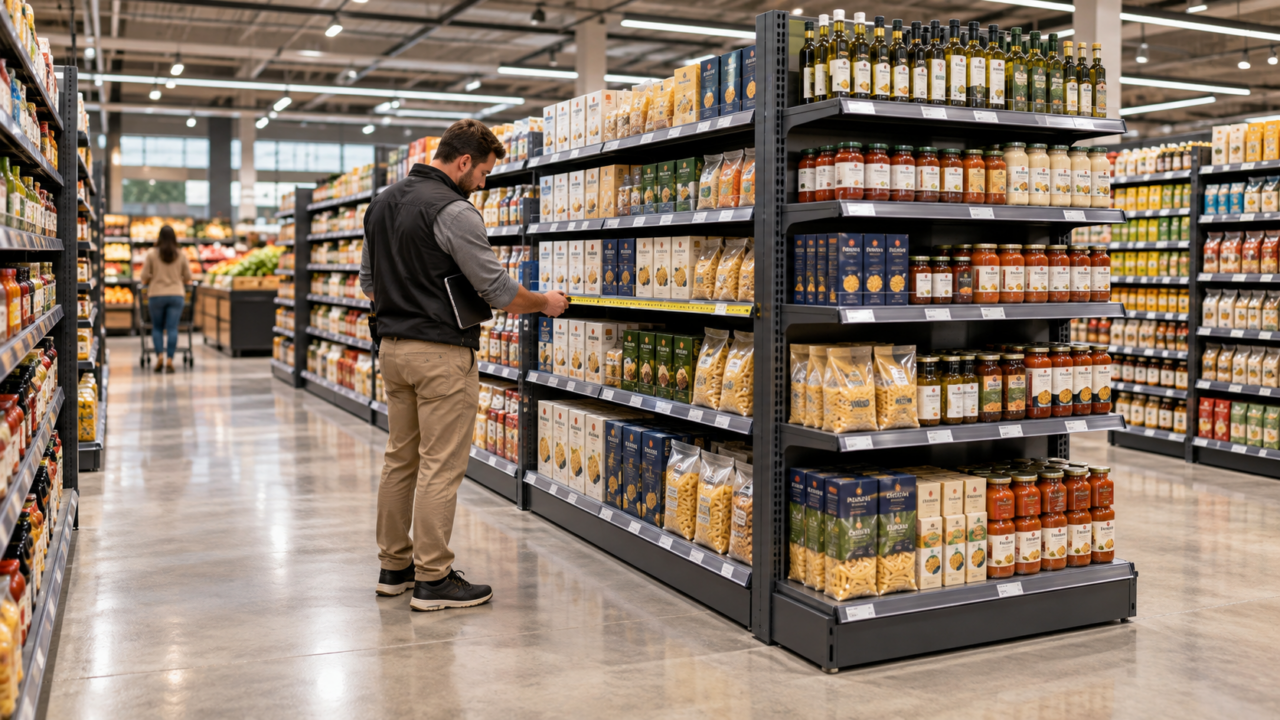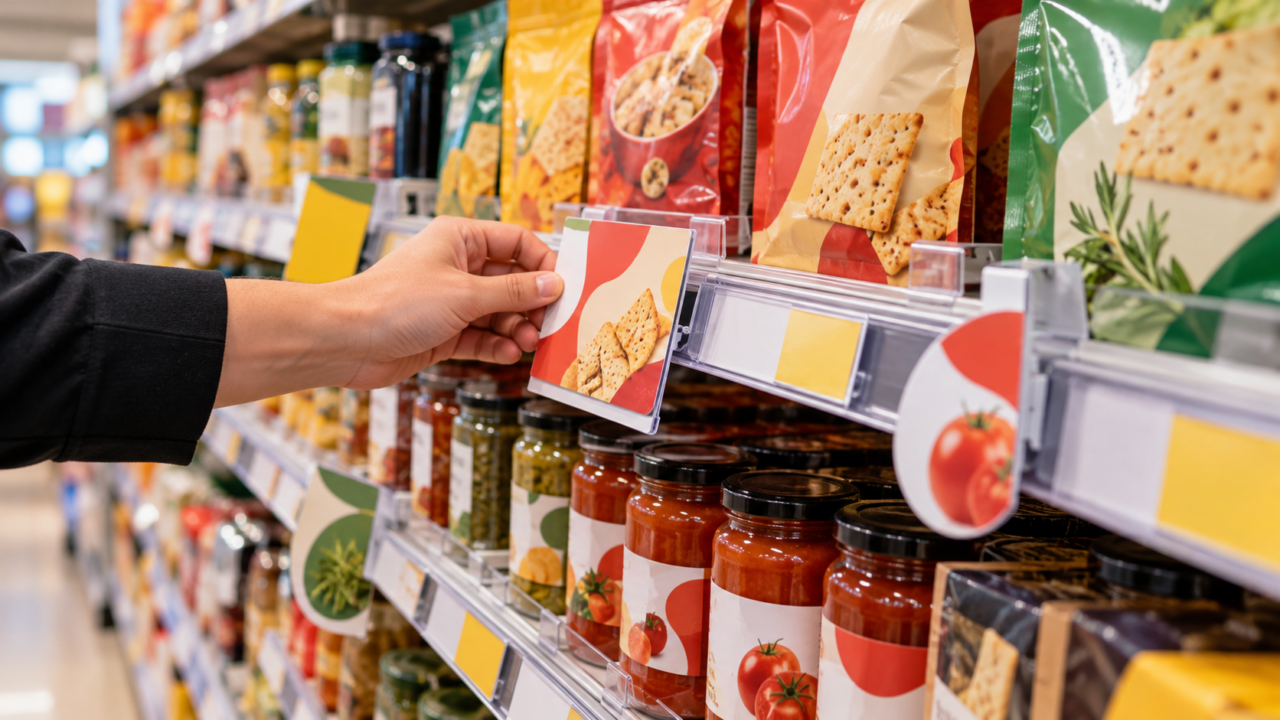



In-store brand activation is the practice of bringing a brand to life inside a retail environment through people, displays, demonstrations, and experiences that move shoppers from awareness to purchase. Done well, an in-store brand activation can lift category conversion by 20-40%, extend a digital marketing campaign into the moment of purchase, and create the organic word-of-mouth that outperforms any paid media channel.
This guide covers what in-store brand activation actually is (beyond the marketing buzzword), the formats that work, how to measure ROI, common failure modes, and how to scale activation across national retail footprints without sacrificing quality.
What “In-Store Brand Activation” Really Means
The marketing industry uses “brand activation” loosely. For in-store retail specifically, three elements distinguish real activation from decoration:
- Human interaction. An activation puts a trained brand representative (a brand ambassador or product specialist) in front of the shopper, not just signage.
- Product demonstration or experience. The shopper gets to touch, try, taste, or experience the product — not just read about it on a package.
- Clear call-to-action tied to purchase. A great activation doesn’t end at “fun experience” — it moves the shopper toward the purchase decision, often with a promotional tie-in or bundled offer.
Without all three, the activation is really just in-store merchandising with extra decoration. Real activations combine all three into a coherent moment.
Formats of In-Store Brand Activation
Product Demonstration Stations
A trained demonstrator runs hands-on product demos — cooking, testing, applying, gaming, streaming. Best for sensory products (food, beauty, audio, gaming) where trial dramatically lifts conversion. Typical conversion lift: 30-60% for trial-triggered purchases.
Pop-Up Experiences and Roadshows
Experiential retail pop-up events bring a full branded environment into a retail space or public venue for a defined window. Best for product launches, brand repositioning, or high-consideration categories where customers need immersive context.
In-Aisle Brand Ambassador Engagement
Specialist ambassadors deployed in the relevant retail aisle to engage shoppers organically — answering questions, surfacing features, demonstrating use cases. Best for ongoing category sell-through in wireless, consumer electronics, and appliances.
Seasonal and Event-Based Activations
Time-limited activations tied to holidays, sports events, or retail calendar moments (Black Friday, Super Bowl, Back-to-School). Best for products with seasonal relevance where the moment-in-time creates urgency.
Integrated Omnichannel Activations
In-store moments that tie to digital — QR codes to content, sweepstakes entries, loyalty enrollment, social sharing incentives. Best for brands capturing first-party data and building ongoing customer relationships beyond the single transaction.
What Drives ROI in In-Store Brand Activation
After tens of thousands of measured retail activations across T-ROC’s Fortune 100 client base, five factors consistently predict ROI:
- Category-trained activators. Generic promotional staff deliver 1x baseline. Category-expert activators deliver 2-4x lift. Specialist brand ambassador programs are where this expertise lives.
- Clear, tested script for the activation moment. Freestyle conversations vary wildly. Tested activation frameworks (how to open, what to demo, how to close) produce consistent outcomes.
- Promotional tie-in the shopper can act on immediately. “Buy today and get X” works. “Check our website later” dies on the floor.
- Real measurement, not vanity metrics. Foot traffic and impressions are not outcomes. Measure attach rate, purchase rate, average basket, and 90-day return visits.
- Integration with the permanent retail environment. An activation that conflicts with the store’s standard merchandising confuses shoppers. Alignment wins.
Measuring In-Store Brand Activation
Good measurement requires multiple data sources:
- Store-level sales lift — compare same-store-year-over-year on category revenue during and after activation
- Attach rate and basket composition — did the activation pull adjacent products into the basket?
- Conversion rate — of shoppers who engaged with the activation, what % purchased?
- Return visits — 90-day repeat visit rate by customers who engaged with the activation
- Mystery shop quality scores — mystery shopping programs scored on activation-specific behaviors reveal whether the activator is executing the intended playbook
- Customer-reported experience — post-interaction surveys or net promoter scoring
The mistake most brands make: reporting only impressions and engagement counts. Those are inputs, not outcomes. Real ROI requires connecting the activation to actual sales behavior within a tight window.
Common Failure Modes
- Activation too far from the product. An activation in one aisle that pitches a product in a different aisle loses most shoppers in transit.
- Activator not trained on the actual product. Brand ambassadors reading from a script without understanding the product lose credibility in the first 30 seconds.
- No purchase path on-site. “Visit our website” calls-to-action convert at a tiny fraction compared to “buy today, here” offers.
- One-off activation with no follow-up. Single-event activations rarely sustain — integrated programs running for weeks or months compound much better than one-week pop-ups.
- Inconsistency across retail footprint. Running an activation in 50 stores with 50 different playbooks produces 50 different outcomes. Consistency compounds value.
Scaling Activations Across a National Retail Footprint
Running one great activation in a flagship store is straightforward. Running hundreds of consistent, measurable activations across a national footprint requires an operating system:
- Standardized activation playbook — every activator runs the same opening, demo flow, and close (adapted for local context, not reinvented)
- Category-specific recruiting — brand ambassadors hired for depth in the relevant category, not generalist event staff
- Ongoing training reinforcement — monthly scenario-based training keeps the playbook fresh and the delivery sharp
- Real-time measurement and feedback loops — Retail360 or equivalent platforms give brand and operator teams visibility into activation execution as it happens, not weeks later
- Structured quality assurance — mystery shopping and field audits catch execution drift before it compounds
These five elements together turn in-store brand activation from a marketing spend into a repeatable revenue engine.
Frequently Asked Questions
What is in-store brand activation?
In-store brand activation is the practice of bringing a brand to life inside a retail environment through trained brand representatives, product demonstrations, immersive displays, and clear purchase-triggering offers. The goal is to move shoppers from awareness to purchase in a single store visit.
How does in-store brand activation differ from in-store marketing?
In-store marketing includes signage, displays, and promotional materials — largely passive. In-store brand activation adds human interaction, product demonstration, and a clear purchase call-to-action. Activation requires trained people; marketing alone does not.
What’s the ROI of in-store brand activation?
Well-executed activations typically lift category conversion 20-40% during the activation window and drive measurable 90-day repeat visit increases. ROI varies by category and execution quality — the best-in-class programs return 3-6x their cost within 12 months when measured against baseline category sales.
How do you scale in-store brand activations across multiple stores?
Five-part operating system: standardized activation playbook, category-specialist recruiting, ongoing training reinforcement, real-time measurement via retail execution platforms, and structured quality assurance via mystery shopping and field audits. Without all five, execution quality diverges wildly across locations.
What products benefit most from in-store brand activation?
Products where sensory experience, demonstration, or complex feature sets drive conversion — consumer electronics, appliances, beauty, food and beverage, audio, gaming, and connected home. Commodity products with low consideration cost benefit less.
Can in-store brand activation work alongside digital marketing?
Yes — and the strongest programs integrate both. In-store activations can capture first-party data via QR codes, sweepstakes entries, and loyalty enrollments, extending the in-person moment into ongoing digital engagement. Activation amplifies digital campaigns rather than competing with them.
Ready to plan a measurable in-store brand activation for your next product launch, seasonal campaign, or ongoing retail program? Get in touch with the T-ROC team to discuss your objectives and retail footprint.
See also: Mystery Shopping Services: Complete Guide
See also: Field Marketing Agency: Complete Services Guide
See also: In-Store Demo Services Complete Guide