


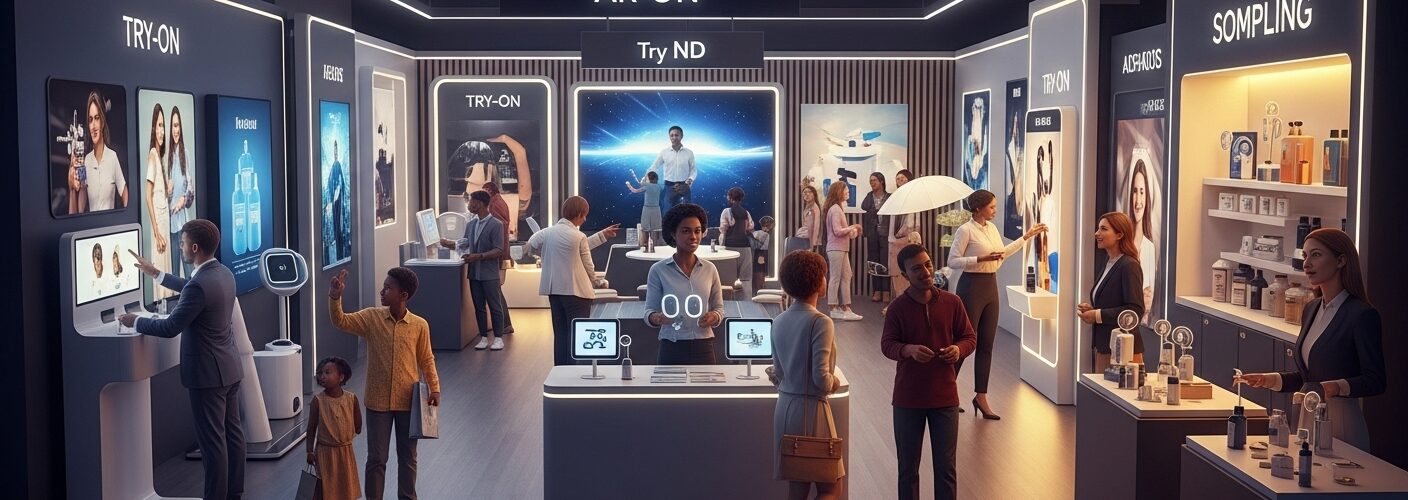
Why Experiential Retail Pop-Up Events Are Redefining Brand Engagement
The retail landscape has undergone a fundamental shift. Consumers no longer respond to passive marketing — they want to touch, try, and experience products before committing to a purchase. Experiential retail pop-up events answer that demand by creating immersive, time-limited brand activations that draw shoppers in, hold their attention, and convert curiosity into sales. Unlike permanent storefronts that blend into the background of a shopping district, pop-up events generate urgency, exclusivity, and emotional resonance that traditional retail simply cannot replicate.
For brands competing in crowded categories, experiential pop-ups offer something that digital advertising and e-commerce alone cannot deliver: a physical, sensory connection between the consumer and the product. When a shopper picks up a product, watches a live demonstration, and has a one-on-one conversation with a knowledgeable brand ambassador services representative, the path from interest to purchase shortens dramatically. The result is a measurable lift in conversion, average order value, and long-term brand loyalty.
Pop-up events also serve as powerful market-testing vehicles. Brands can validate new products, gauge consumer sentiment in specific geographies, and collect first-party data — all without the overhead of a permanent retail lease. This flexibility makes experiential pop-ups accessible to emerging brands with limited budgets and established enterprises looking to launch new product lines with controlled risk. For a comprehensive overview of how these activations fit into a broader strategy, T-ROC’s experiential retail guide covers the full spectrum of event formats and planning frameworks.
What Makes an Experiential Pop-Up Event Different From a Standard Retail Activation
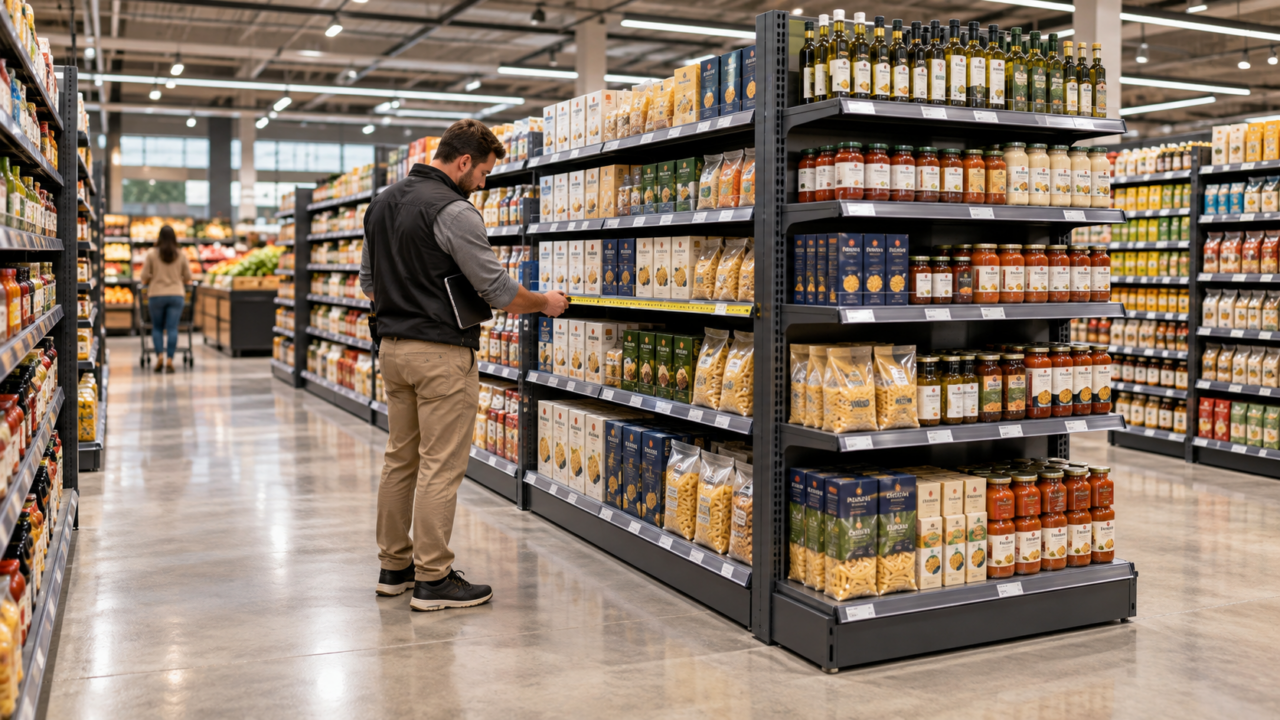
Not every pop-up qualifies as experiential. A folding table with product samples in a grocery store aisle is a sampling event, not an experience. The distinction matters because the ROI profiles are fundamentally different. True experiential retail pop-up events share several defining characteristics that separate them from conventional activations.
Immersive environment design. Experiential pop-ups create a self-contained world that reflects the brand’s identity. Lighting, music, scent, spatial layout, and visual merchandising work together to transport the visitor into a curated experience. Whether the pop-up occupies a vacant storefront, a shipping container, or a custom-built pavilion at a festival, the environment tells a story that reinforces the brand’s positioning and creates a memorable impression.
Interactive engagement. Passive observation is not experiential. The best pop-up events invite visitors to participate — building a custom product, competing in a challenge, exploring a guided journey through the brand’s history, or testing a product in a simulated real-world scenario. This hands-on interaction creates emotional ownership: once a consumer has invested time and attention in an experience, they are far more likely to convert and to share the experience with their network.
Trained human touchpoints. Technology can enhance a pop-up, but people make it memorable. Brand ambassadors, product specialists, and event staff who can read the room, adapt to individual visitors, and deliver personalized recommendations are the engine that converts foot traffic into transactions. The human element is what transforms a clever installation into a genuine brand relationship. Learn more about how trained teams amplify event outcomes in our customer experience guide.
Scarcity and urgency. The temporary nature of a pop-up is a feature, not a limitation. Limited-time availability drives foot traffic, creates social media buzz, and motivates purchase decisions that might otherwise be deferred. Brands that lean into this scarcity — with event-exclusive products, limited-edition packaging, or first-to-buy incentives — amplify the conversion power of the format.
Types of Experiential Retail Pop-Up Events That Drive Results
Experiential pop-ups take many forms, and the right format depends on the brand’s objectives, target audience, and budget. The most effective programs match the event type to the desired outcome.
Product launch pop-ups. When introducing a new product to market, a dedicated pop-up creates a controlled environment where every detail of the consumer’s first impression can be orchestrated. Product launch pop-ups typically feature live demonstrations, hands-on trial stations, and exclusive first-purchase incentives. They are especially effective in consumer electronics, beauty, and premium food and beverage categories where sensory experience drives purchase intent.
Roadshow pop-ups. Roadshows bring the brand experience to the consumer rather than waiting for the consumer to find the brand. A mobile pop-up that tours high-traffic venues — wholesale clubs, sporting events, music festivals, college campuses — can reach target demographics in their natural environment while generating local media coverage and social sharing at each stop. For a deep dive on touring formats, the roadshows and pop-up events guide covers logistics, staffing, and vendor management in detail.
Seasonal and holiday pop-ups. Timed to coincide with peak shopping periods, seasonal pop-ups capitalize on elevated foot traffic and gift-buying intent. These events work well in malls, outdoor shopping centers, and event venues where holiday shoppers are already in a spending mindset. The key is to launch early enough to build awareness and extend the activation through the peak spending window.
Co-branded experience pop-ups. Partnering with a complementary brand doubles the audience reach and splits the cost. A premium cookware brand partnering with a gourmet food company, or a fitness apparel brand teaming up with a wellness technology company, creates a richer experience than either brand could deliver alone while cross-pollinating customer bases.
How to Design a Pop-Up Event That Converts
A visually stunning pop-up that fails to convert visitors into buyers is an expensive art installation, not a retail activation. Designing for conversion requires deliberate decisions about layout, staffing, and engagement stations that guide visitors through a natural purchase journey.
Layout and Traffic Flow
The physical layout of a pop-up should mirror the psychological journey from awareness to purchase. The entrance zone captures attention and draws visitors in with a visually arresting element — a hero display, a large-format screen, or an interactive installation. The engagement zone, positioned in the middle of the space, is where visitors interact with the product through demonstrations, trials, or guided experiences. The conversion zone, near the exit, houses the point of sale, exclusive offers, and staff trained to close.
Traffic flow should feel intuitive, not forced. Use visual cues — lighting changes, floor markings, product progression — to guide visitors through each zone without creating bottlenecks. For pop-ups with limited square footage, vertical merchandising and modular fixtures maximize product exposure without overcrowding the space. Leave enough room for visitors to linger at demo stations without blocking the path for others.
Staffing for Success
Staffing is the single most controllable variable in pop-up conversion rates. Understaffed events leave visitors waiting, disengaged, and likely to walk away. Overstaffed events feel pressured and uncomfortable. The right ratio depends on the event format, but a general benchmark is one trained ambassador per 8 to 12 visitors during peak periods.
Staff roles should be clearly defined. Greeters at the entrance set the tone and manage flow. Product specialists at demo stations deliver the core experience. Closers near the checkout handle transactions, upsells, and data capture. Each role requires different skills and different training, and the best programs rehearse the full event flow with the team before doors open. T-ROC’s brand ambassador services teams are trained specifically for experiential activations, bringing product knowledge, selling skills, and event-day adaptability to every deployment.
Demo Stations and Interactive Elements
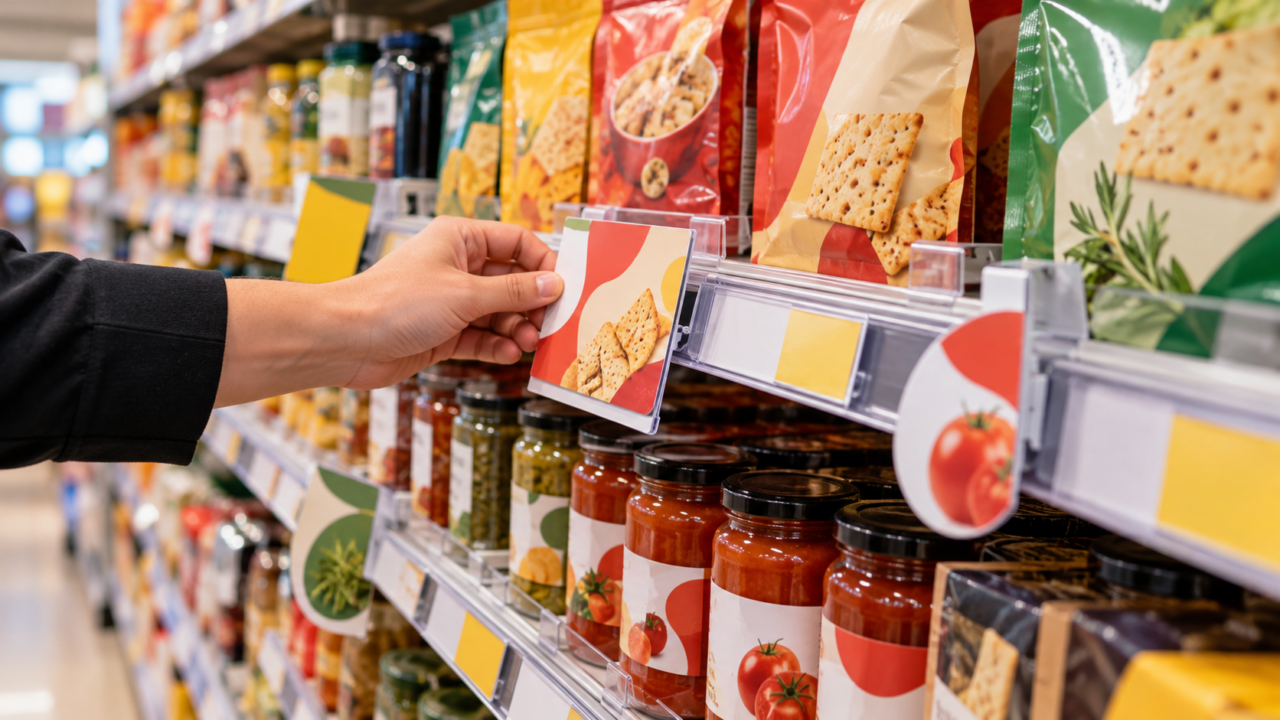
Demo stations are where conversion happens. A well-designed demo station allows visitors to experience the product’s core value proposition in under three minutes — long enough to create engagement, short enough to maintain throughput during busy periods. Each station should include clear signage explaining what the visitor will experience, all necessary product and accessory inventory, a clean and reset-ready setup between visitors, and a natural transition point that leads toward the purchase area.
Interactive elements beyond product demos — photo opportunities, social media sharing stations, personalization kiosks, or gamified challenges — extend dwell time and create shareable content that amplifies the event’s reach beyond the physical space. The key is ensuring that every interactive element reinforces the brand message rather than distracting from it.
Measuring Event Success: KPIs and Post-Event Analysis
An experiential retail pop-up event without a measurement framework is a branding exercise at best and a budget sinkhole at worst. Establishing KPIs before the event launches ensures that every team member knows what success looks like and that post-event analysis delivers actionable insights rather than anecdotal impressions.
Core KPIs for Pop-Up Events
Foot traffic and engagement rate. Total visitors through the door matters, but engagement rate — the percentage of visitors who interact with a demo station, speak with a brand ambassador, or spend more than a threshold amount of time in the space — is a more meaningful indicator of event quality. A pop-up that attracts 2,000 visitors with a 60 percent engagement rate outperforms one that draws 5,000 visitors where 90 percent walk through without stopping.
Conversion rate. The percentage of engaged visitors who make a purchase. This metric isolates the effectiveness of the in-event experience from the marketing that drove traffic. Industry benchmarks for well-executed experiential pop-ups range from 15 to 35 percent conversion among engaged visitors, depending on price point and product category.
Average transaction value. Higher average transaction values indicate that staff are successfully educating visitors about the full product ecosystem and driving bundle or accessory purchases. Tracking this KPI by staff member and by time of day reveals optimization opportunities for future events.
Cost per acquisition. Total event cost divided by the number of new customers acquired. This metric enables direct comparison with other acquisition channels — digital advertising, trade promotions, retail media — and builds the financial case for continued investment in experiential formats.
Social media impressions and earned media. Experiential pop-ups that are designed to be shareable generate marketing value that extends far beyond the physical event. Track hashtag usage, tagged posts, story mentions, and any press coverage to quantify the earned media multiplier.
Post-Event Analysis Framework
Within 48 hours of event close, the team should conduct a structured debrief covering three areas. First, performance against targets — did the event hit its KPI goals, and where were the gaps? Second, qualitative feedback — what did brand ambassadors hear from visitors, what objections were most common, and what product questions came up repeatedly? Third, operational learnings — what worked in the layout, staffing model, and logistics, and what should change for the next activation?
This debrief data feeds directly into the planning process for subsequent events, creating a continuous improvement loop that makes each pop-up more effective than the last. Brands that treat every event as a learning opportunity — not just a sales opportunity — build a compounding advantage in experiential retail execution.
Building Long-Term Brand Equity Through Pop-Up Experiences
The immediate sales generated during an experiential retail pop-up event are only part of the return. The long-term value lies in the brand impressions created, the customer data collected, and the retail relationships strengthened through successful activations.
Consumers who have a positive experiential interaction with a brand are significantly more likely to purchase that brand in the future — even in a different retail channel. The memory of a hands-on demo, a helpful conversation with a product specialist, or an enjoyable event experience creates a mental shortcut that favors the brand when the consumer encounters it again online, in a store, or in an advertisement. This halo effect is one of the most compelling yet underappreciated benefits of experiential retail.
Pop-up events also generate first-party data that fuels downstream marketing. Email addresses collected at the event, survey responses gathered at demo stations, and purchase data from on-site transactions all feed into CRM systems that enable personalized follow-up campaigns. A consumer who tried a product at a pop-up and did not purchase is a warm lead that can be nurtured through targeted email sequences, retargeting ads, or exclusive online offers — converting the event interaction into a sale days or weeks later.
For retail partners, a brand that consistently delivers well-executed pop-up events demonstrates commitment to driving category growth. This investment in the in-store experience builds goodwill that translates into better shelf placement, preferred promotional calendar slots, and stronger negotiating positions during joint business planning. The pop-up becomes a proof point that the brand is willing to invest in the partnership, not just ship product and hope for the best.
Frequently Asked Questions About Experiential Retail Pop-Up Events
What is an experiential retail pop-up event?
An experiential retail pop-up event is a temporary, immersive brand activation designed to let consumers interact with products through hands-on demonstrations, guided experiences, and one-on-one conversations with trained brand representatives. Unlike a standard retail display, an experiential pop-up creates a curated environment that engages multiple senses and builds an emotional connection between the consumer and the brand. These events can take place in vacant storefronts, shopping centers, festivals, wholesale clubs, or custom-built mobile units.
How much does it cost to run a pop-up event?
Costs vary widely depending on the event’s scale, duration, location, and staffing requirements. A single-day activation at a retail location with a small team of brand ambassadors may cost a few thousand dollars, while a multi-city roadshow with custom-built environments and a large crew can run into six figures. The most important cost consideration is not the total spend but the cost per acquisition and the return on investment. Well-planned pop-ups typically deliver a cost per acquisition that is competitive with or better than digital advertising channels, with the added benefit of deeper brand engagement and higher-quality customer data.
How long should a pop-up event last?
Most experiential retail pop-up events run between one day and two weeks, depending on the objective. Single-day activations work well for product launches and event-based promotions where foot traffic is concentrated. Multi-day or weekend-long pop-ups are ideal for high-traffic retail locations where extended exposure maximizes reach. Extended pop-ups lasting one to two weeks suit brands that are testing a new market or building sustained awareness in a specific geography. The guiding principle is to run long enough to reach your target audience and generate sufficient data, but not so long that the scarcity effect fades.
What types of brands benefit most from pop-up events?
Any brand with a product that benefits from hands-on trial or demonstration is a strong candidate. Consumer electronics, beauty and skincare, food and beverage, home appliances, fitness equipment, and premium lifestyle brands consistently see the highest returns from experiential pop-ups. However, the format also works for service-oriented brands and B2B companies looking to create memorable touchpoints with decision-makers at trade events or industry conferences. The common thread is a product or service that is more compelling when experienced in person than when viewed on a screen.
How do I staff an experiential pop-up event?
Staffing is the most critical success factor for any experiential pop-up. The team should include trained brand ambassadors who understand the product deeply enough to answer any question, demonstrate features confidently, and handle objections without reading from a script. For larger events, defined roles — greeters, demo specialists, closers, and data capture coordinators — ensure that every visitor receives attention at every stage of the journey. Partnering with a professional staffing provider like T-ROC ensures access to experienced event teams who can be trained on your specific product and brand messaging, deployed at scale across multiple locations, and managed with real-time performance tracking.
See also: In-Store Brand Activation: Strategies That Drive Retail Sales