



Geopolitical volatility has introduced a sharp economic headwind directly to the retail sector. As global energy markets feel the sting of international conflicts, corporate financial leaders are sounding alarms over a major operational vulnerability: transportation and distribution logistics.
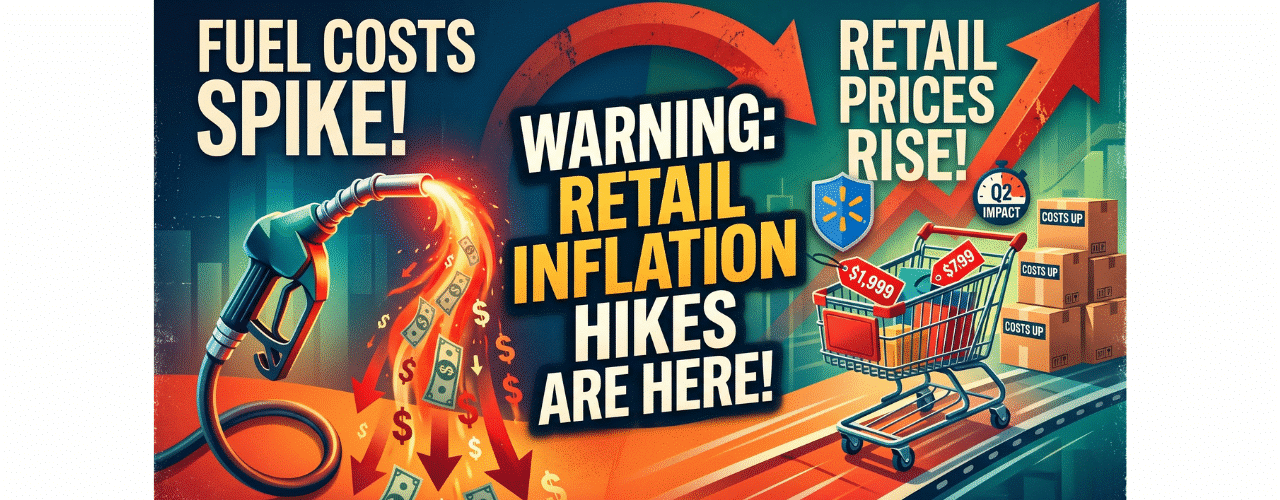
In late May 2026, Walmart Chief Financial Officer John David Rainey announced that the retail giant took a staggering $175 million hit to its quarterly operating income due to higher-than-planned fuel costs. While the massive retailer maintained its full-year guidance, leadership explicitly warned that if these elevated fuel prices persist, businesses and consumers alike must brace for heightened retail inflation throughout the second half of the year.
When a corporate titan with unparalleled logistics leverage faces margin erosion from energy shocks, it sends a clear signal to mid-market retailers, e-commerce brands, and consumer packaged goods (CPG) suppliers. Protecting product margins in an era of persistent energy instability requires moving past old solutions and building structural operational agility.
Why Fuel Shocks Accelerate Retail Inflation
For retailers, fuel costs are never an isolated line item. They function as an operational amplifier, compounding expenses across every layer of the modern supply chain. When crude oil and diesel prices spike, the economic pain ripples through three distinct stages:
1. Inbound Freight and Manufacturing Overheads
The cost of moving raw goods and finished inventory from global manufacturing plants to regional distribution hubs increases immediately. Ocean carriers and domestic line-haul trucking companies rapidly apply fuel surcharges, directly inflating the cost of goods sold (COGS).
2. Final-Mile Logistics Complexity
E-commerce operations are uniquely sensitive to transportation hikes. The final mile is inherently inefficient, involving multi-stop residential routes. With e-commerce sales continuing to grow rapidly—evidenced by Walmart’s 26% digital surge—unoptimized final-mile delivery can quickly wipe out product profitability.
3. In-Store Merchandising and Stocking Overheads
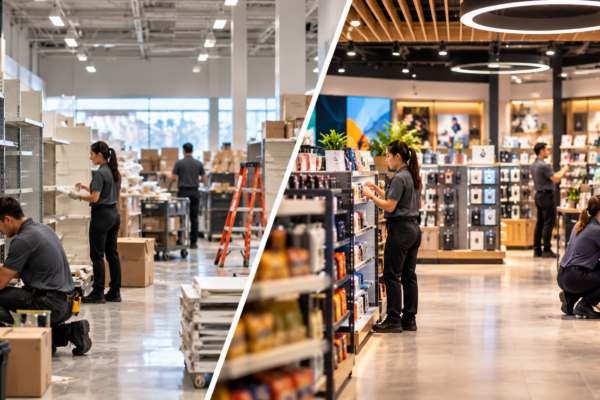
Getting products onto retail shelves requires continuous, synchronized store-level replenishment. Higher freight delivery fees combine with the rising costs of traditional, in-house store resets and inventory maintenance, driving up fixed operational costs.
[Geopolitical Fuel Shock]
         ↓
[Elevated Inbound Line-Haul Surcharges]
         ↓
[Inflated Final-Mile Local Delivery Costs]
         ↓
[Erosion of Gross Profit Margins]
         ↓
[Compulsory Retail Inflation / Price Hikes]
The Shift in Consumer Behavior: The Ten-Gallon Warning Mark
Macroeconomic pressures at the gas pump do more than increase supply chain costs; they rapidly alter customer psychology. Modern retail data reveals that lower-income households are showing clear signs of financial stress, while higher-income consumer segments are adjusting their shopping habits.
A key indicator emerged in Walmart’s corporate data: for the first time since 2022, the average volume of fuel purchased per station visit dropped below 10 gallons.
“We have a large fuel business, and we see that in the most recent period the number of gallons that customers fill up with when they come to our fuel stations fell below 10 for the first time since 2022,” noted Walmart CFO John David Rainey. “That’s an indication of stress.”
When shoppers lack the liquid capital to completely fill their gas tanks, their discretionary retail spending changes. Lower-income cohorts become intensely budget-conscious, prioritizing essential groceries and ignoring non-food categories.
Concurrently, higher-income households are shopping downmarket. Rather than restricting their off-price shopping to basic essentials, affluent buyers are increasingly crossing the aisle to purchase non-food goods at mass merchants to protect their households from broader market inflation.
Strategic Blueprints to Protect Margins Without Threatening Volume
Faced with rising supply chain expenses and a deeply cautious consumer base, retail brands cannot rely entirely on raising shelf prices. Passing 100% of the cost burden down to consumers damages brand loyalty and drives shoppers to lower-cost competitors.
Instead, forward-thinking brands are turning to strategic, tech-driven optimization to protect their bottom lines.
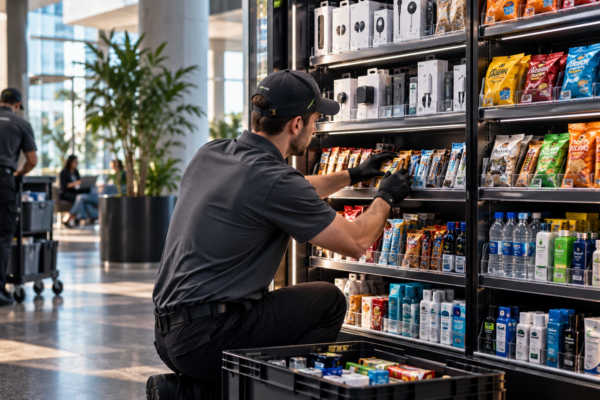
Modernizing In-Store Labor and Field Merchandising
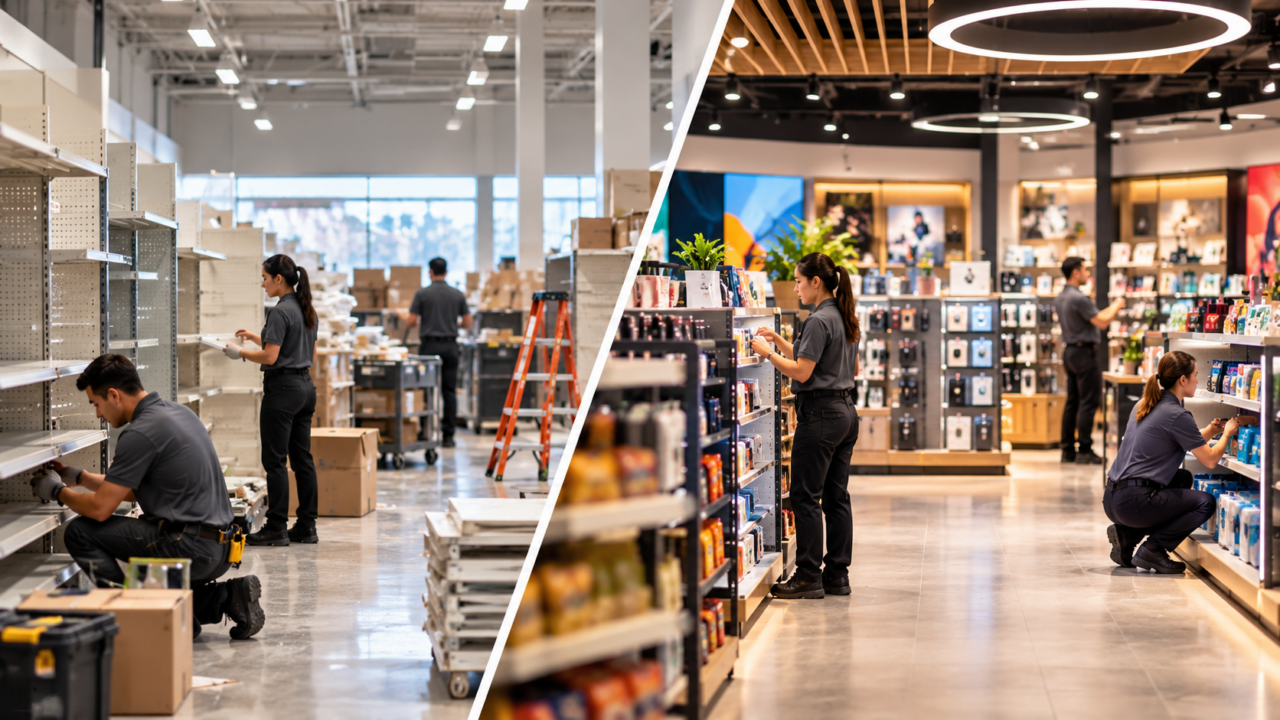
Traditional field merchandising frameworks often feature unoptimized travel routing, manual compliance checks, and inflexible labor models. When fuel prices spike, keeping an inefficient, under-trained field team on the road destroys profitability.
Retailers are mitigating this by shifting toward flexible, outsourced retail staffing options. Partnering with dedicated field management providers ensures that on-the-ground teams are deployed using high-density, smart routing.
Furthermore, leading brands are maximizing floor traffic conversion through virtual brand ambassadors. By placing interactive, on-display touchpoints and QR systems inside brick-and-mortar footprints, a single remote brand expert can guide multiple shoppers across several regions simultaneously. This approach reduces regional travel costs while maintaining a high-touch, personalized consumer experience.
Leveraging Real-Time Inventory Automation
Bloated inventories absorb critical working capital and add extra warehouse management costs. If products sit in distribution centers too long during a high-fuel cycle, their ultimate distribution margin collapses.
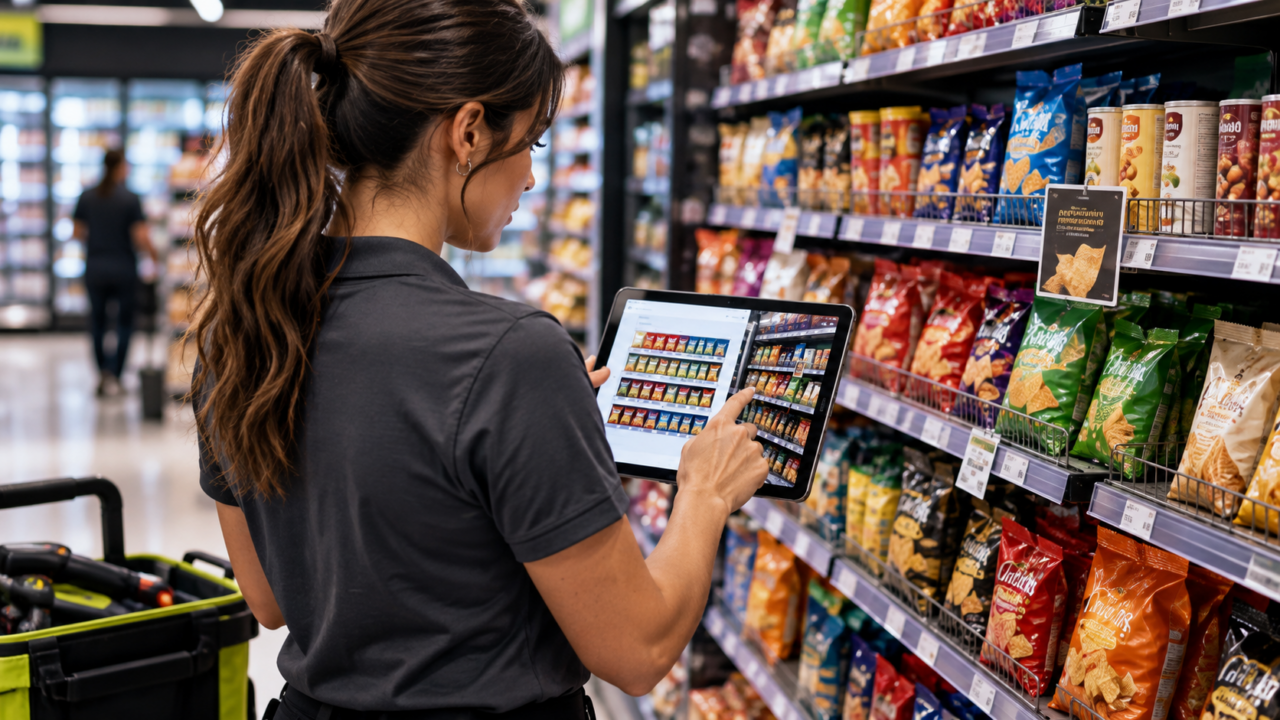
Smart operators utilize comprehensive inventory management and RFID solutions to gain real-time visibility into stock levels across their entire network. Having precise data prevents emergency freight shipments—which incur massive expedited fuel surcharges—and guarantees that inbound delivery trucks are always filled to maximum spatial capacity.
Shifting to High-Efficiency Automated Retail Footprints
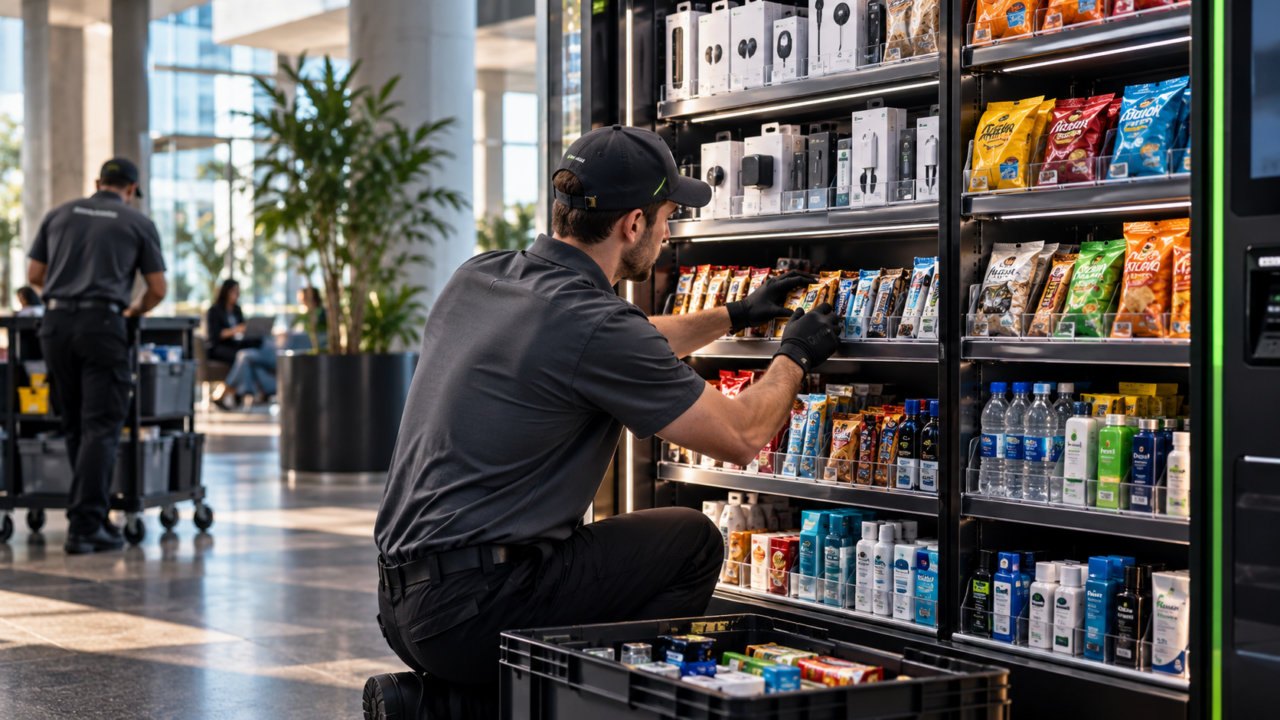
Expanding a retail brand through traditional brick-and-mortar storefronts carries massive fixed capital expenses and high long-term real estate costs. To counter this, agile retailers are actively deploying automated retail modules and interactive self-service kiosks.
These micro-footprints require zero on-site staff, occupy minimal square footage, and handle automated micro-fulfillment. By decentralizing product availability into high-traffic transport hubs, corporate campuses, or residential developments, brands can place inventory closer to the end consumer, eliminating the need for expensive final-mile home delivery routes.
Balancing the Equation with Technology
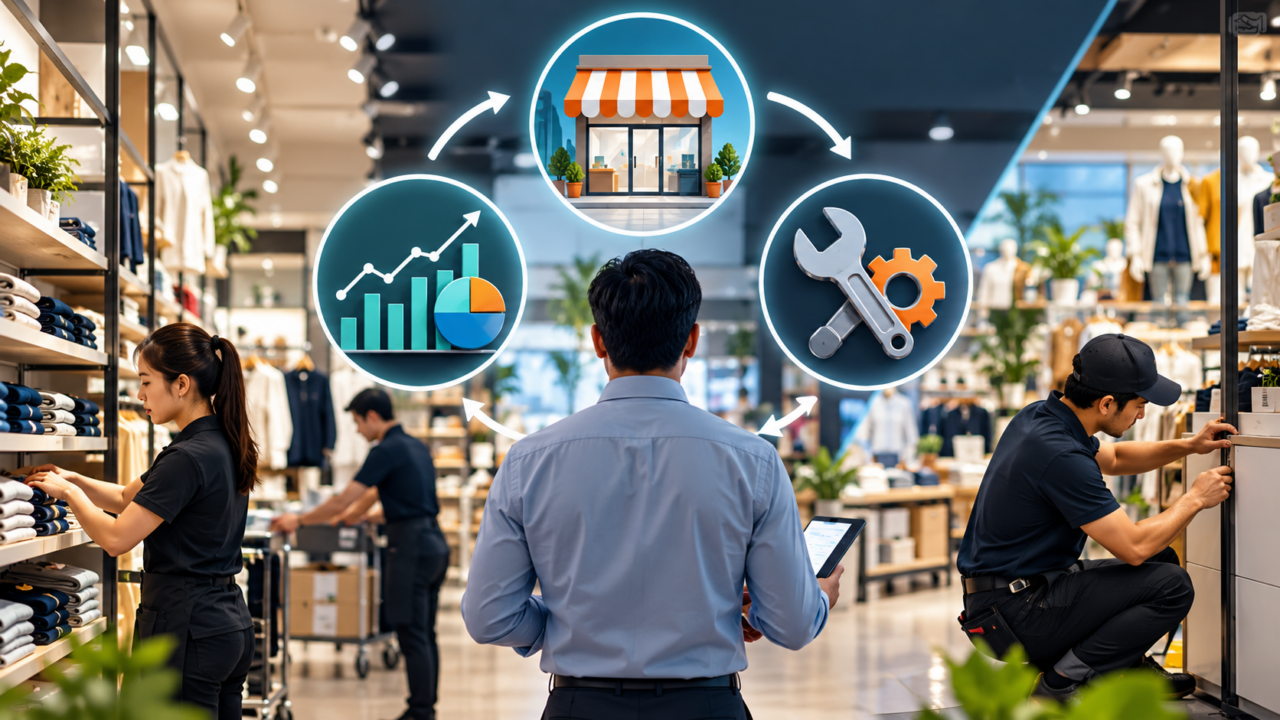
Navigating macroeconomic disruption requires a balanced approach that combines human operational excellence with digital infrastructure. While industry giants rely on massive scale to roll back prices on thousands of individual SKUs, mid-market retailers must focus heavily on precision execution.
By integrating real-time digital data and insights into daily workflows, brand executives can identify exactly where fuel surcharges are eroding product margins. Whether the solution involves streamlining distribution logistics, transforming floor staff efficiency, or rolling out automated self-service kiosks, the goal remains identical: building an adaptable operation capable of withstanding external economic shocks.
Frequently Asked Questions
How do surging fuel costs drive retail inflation?
Fuel spikes act as an operational amplifier across the supply chain. Higher inbound freight and manufacturing costs raise cost of goods sold, final-mile delivery becomes more expensive and less efficient, and in-store merchandising and stocking costs climb. Those compounded costs erode gross margins and force retailers to raise prices, producing broader retail inflation.
Is there a real-world example of fuel costs hitting retail profits?
Yes. The Walmart CFO reported a $175 million hit to quarterly operating income from higher-than-planned fuel costs, and warned that persistent elevated fuel prices could lead to increased retail inflation in the second half of the year. That sent a clear signal across mid-market retailers, e-commerce brands and CPG suppliers.
Which parts of the retail supply chain are most exposed to fuel shocks?
The most exposed areas are inbound freight and manufacturing overheads, where ocean carriers and line-haul trucks add fuel surcharges; final-mile logistics, which is inherently inefficient for e-commerce; and store-level merchandising and replenishment, where higher delivery and stocking costs raise fixed operational expenses.
How do higher fuel prices change consumer behavior?
Rising pump prices alter household spending. Walmart data showed average gallons per fuel station visit falling below 10, an indicator of financial stress. Lower-income shoppers tighten budgets and prioritize essentials, while higher-income shoppers increasingly shop down and shift to lower-cost options, reducing discretionary retail demand.
What strategies can retailers use to protect margins against fuel-driven inflation?
Retailers can build structural operational agility: optimize routing and final-mile networks, outsource or partner for efficient last-mile delivery, improve inventory and store replenishment cadence, consider fuel hedging or surcharge policies, and redesign pricing strategies to reduce margin erosion while staying competitive.