




Retail marketplaces are no longer side projects. They now sit at the center of enterprise planning for some of the most recognizable brands in the country.
At NRF 2026, leaders from Best Buy, Target, and Nordstrom shared a consistent message. Marketplaces work best when they serve the customer first and the enterprise as a whole.
This shift carries lessons for every retailer weighing marketplace expansion.
Marketplaces as an Enterprise Strategy
Each brand made a clear point. Their marketplace efforts were never treated as standalone digital experiments.
At Target, marketplace supports what the brand already stands for. Product curation. Trend discovery. Brand trust. Marketplace data helps teams spot emerging demand while keeping the experience familiar.
Nordstrom followed a similar path. Marketplace was introduced to serve more customers on more occasions, without becoming an endless aisle of everything. Categories were added with intent. Price gaps were addressed with care.
Best Buy centered its strategy on product availability. The goal was simple. Let customers find more of what they already expect from the brand, in one place.
The common thread? Marketplace was built into the enterprise plan, not bolted on after.
How Retail Marketplaces Expand Assortment Without Store Bloat
Physical stores have limits. Square footage is one of them.
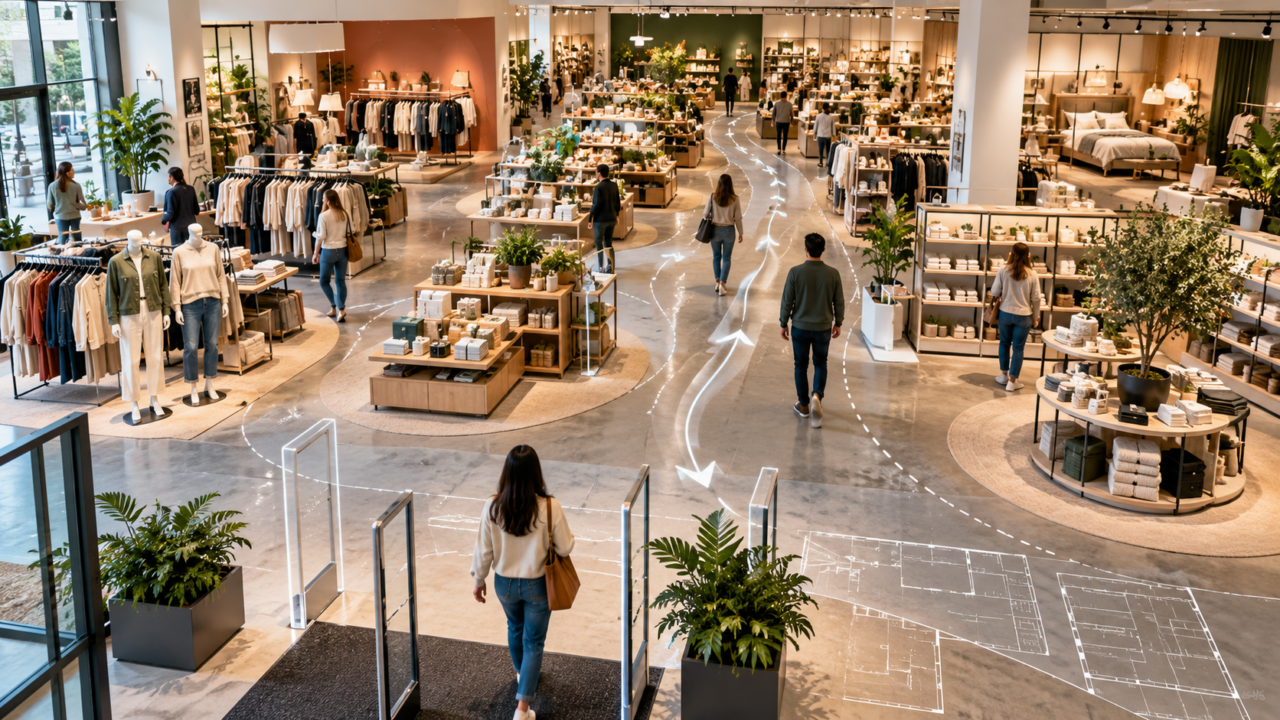
Target moved bulky furniture and large items online through its marketplace. That decision freed stores to focus on discovery-driven categories like décor. The result was a cleaner floor and a better experience.
Best Buy used marketplace to fill product gaps customers already assumed existed. Accessories. Refurbished items. Seasonal goods. Even sports-themed electronics tied to major events.
This approach keeps stores focused while the digital shelf does the heavy lifting.
Retail Marketplaces Strategy and Customer Trust
Trust is the real currency of a retail marketplace.
Customers are far more likely to try third-party products when the retailer acts as curator. That means clear standards. Tight seller controls. Consistent service expectations.
Nordstrom was deliberate about this balance. Marketplace became a low-risk way to test new brands and categories without changing what shoppers expect from the name on the door.
When marketplaces feel native to the brand, customers stay confident. When they feel disconnected, trust erodes fast.
Using Marketplaces to Test, Learn, and Adapt
Marketplaces also create room to experiment.
Nordstrom described marketplace as a space to move faster. New categories. New price points. New brands. All without long-term commitments.
Best Buy saw rapid SKU growth soon after launch. More sellers. More choice. More relevance for different shopping moments.
This flexibility matters. Retail demand shifts quickly. Marketplaces give teams signals earlier and reduce risk when testing ideas.
Why Execution Still Matters
None of this works without execution.
Marketplace expansion increases complexity. More sellers. More products. More customer expectations. That puts pressure on merchandising, operations, and store teams.
Retailers that win with marketplaces connect digital growth with field visibility. They ensure the online promise matches what shoppers see, hear, and experience across channels.
That alignment is where enterprise strategy either holds together or falls apart.
The Takeaway for Retail Leaders
Marketplaces are no longer optional. But success depends on how they are positioned.
The strongest retail marketplaces strategy is not about becoming bigger. It is about becoming more useful.
Curation beats volume. Enterprise alignment beats siloed teams. Customer trust beats short-term SKU growth.
Best Buy, Target, and Nordstrom are showing what happens when marketplaces serve the brand, not the other way around.
Frequently Asked Questions
What is a retail marketplace strategy?
A retail marketplace strategy lets third-party sellers list products alongside a retailer’s own assortment, treated as part of enterprise planning rather than a standalone digital experiment. Best Buy, Target and Nordstrom each tied marketplace activity to a core business priority: product availability, curation and trend discovery, and serving more customers at different price points.
How does a marketplace expand assortment without more store space?
Bulky or long-tail products move onto the digital shelf while physical stores stay focused on categories that benefit from discovery. Target moved large furniture online so stores could emphasise décor. Best Buy used marketplace listings to fill gaps in accessories, refurbished items, seasonal goods and sports-themed electronics without allocating floor space.
Why does customer trust matter in a retail marketplace?
Trust is the currency that makes third-party products acceptable to shoppers. Customers buy from unfamiliar sellers when the retailer acts as a curator through clear standards, seller controls and consistent service expectations. Nordstrom used its marketplace deliberately to test brands while protecting shopper expectations. A marketplace that feels disconnected from the brand erodes trust quickly.
How can a retailer use a marketplace to test new categories?
A marketplace lets a retailer trial categories, price points and brands without long-term commitments or physical shelf space. Nordstrom treated it as a way to move faster, and Best Buy saw rapid SKU growth after launch. The result is earlier demand signals and lower risk than committing store space to an unproven category.
What operational pressure does marketplace growth put on stores?
More sellers, products and customer expectations increase complexity across merchandising, operations and store teams. Digital growth has to be matched with field visibility so the online promise holds up in what shoppers actually see and experience in store. That alignment is what determines whether the wider enterprise strategy works.
T-ROC Editorial Team
The T-ROC editorial team brings 20+ years of retail industry expertise across brand ambassador programs, mystery shopping, retail merchandising, and managed technology solutions. Learn more about T-ROC.