



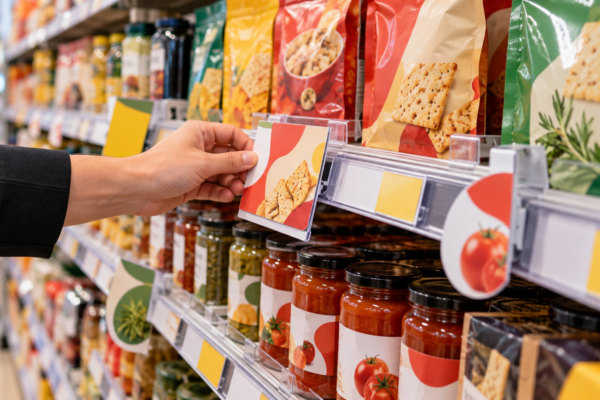
What Is Retail Execution? Definition, Process & Best Practices
Retail execution is the process of implementing merchandising, marketing, and operational plans at the store level. It ensures products are stocked, correctly displayed, accurately priced, and promoted according to brand standards — bridging the gap between corporate strategy and in-store shopper experience.
What Is Retail Execution?
Retail execution refers to the coordinated activities that translate a brand’s sales and marketing strategies into tangible in-store outcomes. Every time a field representative stocks a shelf, sets up an endcap display, or verifies pricing compliance, they are performing retail execution.
The concept is straightforward: no matter how brilliant a merchandising plan looks in a corporate boardroom, it only drives revenue when it is implemented correctly at the point of purchase. Studies consistently show that a significant portion of purchasing decisions are made in-store, making flawless execution a direct revenue driver.
Retail execution spans multiple disciplines including supply chain coordination, visual merchandising, promotional compliance, and real-time data collection. Brands that invest in strong retail execution programs typically see higher on-shelf availability, better planogram compliance, and measurably stronger sell-through rates.
For companies like T-ROC Global, retail execution is a core service — deploying trained field teams to ensure that every store location reflects the brand’s intended shopper experience. Learn more in our retail operations guide.
Key Components of Retail Execution
Retail execution is not a single task — it is an integrated system of interrelated activities. The main components include:
- Planogram Compliance: Ensuring shelf layouts match corporate directives for product placement, facing, and adjacency.
- On-Shelf Availability (OSA): Monitoring and replenishing stock so shoppers always find the products they are looking for.
- Promotional Execution: Setting up displays, signage, and pricing tied to marketing campaigns within the specified window.
- Pricing Accuracy: Verifying that shelf tags, POS systems, and promotional pricing align with planned price points.
- Competitive Intelligence: Observing competitor activity, share of shelf, and market conditions at the store level.
- Data Collection & Reporting: Capturing photos, audit scores, and compliance data that feed back into corporate planning.
Our retail merchandising guide dives deeper into how these components connect to broader merchandising strategy.
The Retail Execution Process: Step by Step
While specifics vary by brand and retail channel, a typical retail execution cycle follows this sequence:
- Planning: Headquarters defines merchandising standards, promotional calendars, planograms, and KPI targets.
- Task Assignment: Field managers distribute work orders, route plans, and priorities to regional teams or individual reps.
- Store Visits: Field reps travel to assigned locations, conduct shelf audits, stock products, build displays, and correct compliance gaps.
- Data Capture: Reps use mobile tools to photograph shelves, log conditions, record out-of-stocks, and complete audit checklists.
- Analysis & Reporting: Collected data is aggregated into dashboards, surfacing compliance rates, trends, and areas needing attention.
- Optimization: Insights inform the next planning cycle — adjusting routes, reallocating resources, and refining merchandising standards.
Technology plays an increasingly critical role throughout this cycle, with retail execution platforms enabling real-time visibility into store conditions.
Retail Execution vs. Related Concepts
| Concept | Scope | Primary Focus |
|---|---|---|
| Retail Execution | Shelf-level implementation | Merchandising, displays, compliance |
| Retail Operations | Entire store function | HR, logistics, finance, facilities |
| Retail Merchandising | Product presentation strategy | Assortment, pricing, visual display |
| Field Marketing | Consumer engagement | Brand ambassadors, demos, events |
| Retail Compliance | Standards adherence | Audits, regulations, planogram accuracy |
Benefits of Strong Retail Execution
Brands and retailers that prioritize retail execution gain measurable competitive advantages:
- Revenue Growth: Products that are available and visible sell more. Reducing out-of-stocks alone can lift category sales by 2–8%.
- Brand Consistency: Shoppers encounter the same brand experience across hundreds or thousands of locations, reinforcing trust and recognition.
- Promotional ROI: Marketing dollars go further when displays are built on time, in the right stores, with the correct signage.
- Data-Driven Decisions: Real-time field data enables faster course corrections and smarter resource allocation.
- Retailer Relationships: Manufacturers who execute well earn preferred placement, expanded distribution, and stronger partnerships with retail buyers.
- Reduced Waste: Better shelf management reduces spoilage, markdowns, and dead inventory.
T-ROC’s automated retail solutions integrate technology with field teams to amplify these benefits at scale.
Best Practices for Retail Execution
Organizations looking to improve their retail execution should consider these proven strategies:
1. Invest in Mobile Technology
Equip field teams with mobile apps for real-time task management, photo capture, and data submission. Paper-based audits introduce delays and errors.
2. Set Clear, Measurable KPIs
Define specific targets for on-shelf availability, planogram compliance, visit frequency, and promotional execution accuracy. What gets measured gets managed.
3. Optimize Visit Routes
Use route-planning algorithms to minimize travel time and maximize productive store visits per day. Efficient routing directly impacts cost-per-visit.
4. Train Continuously
Product knowledge, merchandising standards, and retailer-specific guidelines change frequently. Ongoing training keeps field teams aligned with current expectations.
5. Close the Feedback Loop
Field insights should flow back to headquarters quickly. When reps identify recurring issues — out-of-stocks, competitor threats, broken fixtures — the organization must respond and adapt.
6. Partner with Specialists
Many brands outsource retail execution to experienced partners like T-ROC Global who maintain trained, scalable field teams with the technology infrastructure to deliver consistent results.
Frequently Asked Questions
What is retail execution?
Retail execution is the process of turning merchandising and marketing strategies into in-store reality. It encompasses everything from shelf stocking and planogram compliance to pricing accuracy and promotional display setup.
Why is retail execution important?
Poor retail execution costs manufacturers and retailers billions annually in lost sales. Effective execution ensures products are available, visible, and priced correctly, directly impacting revenue, customer satisfaction, and brand perception.
What is retail execution software?
Retail execution software is a digital platform that helps brands and retailers plan, manage, and monitor in-store activities such as merchandising, audits, promotions, and field team tasks in real time.
What is the difference between retail execution and retail operations?
Retail operations is the broader discipline covering all store-level functions including HR, finance, logistics, and facilities. Retail execution is a subset focused specifically on implementing merchandising, marketing, and compliance plans at the shelf level.
How do you measure retail execution success?
Key metrics include on-shelf availability, planogram compliance rate, share of shelf, promotional execution accuracy, out-of-stock rate, and speed to shelf for new products. Many brands track these with retail execution software and in-store audits.
Improve Your Retail Execution with T-ROC
T-ROC Global deploys expert field teams and technology solutions to ensure flawless retail execution across every store, every day.