

What is Retail Compliance?
A complete guide to retail compliance: definition, key types, measurement strategies, and how brands enforce standards at scale.
Every time a customer walks into a store, they expect a predictable, consistent experience — products in the right place, prices properly labeled, associates ready to help, and the environment clean and safe. When that experience breaks down, the consequences ripple outward: lost sales, brand damage, regulatory fines, and frustrated customers who may not return.
That consistency doesn’t happen by accident. It is the direct result of retail compliance — and for multi-location brands and their field service partners, it is one of the most operationally critical disciplines in the industry.
Retail compliance is the consistent adherence by retail locations to a brand’s operational standards, legal requirements, merchandising guidelines, labor policies, and safety regulations — ensuring every customer-facing touchpoint meets defined expectations across every store, every day.
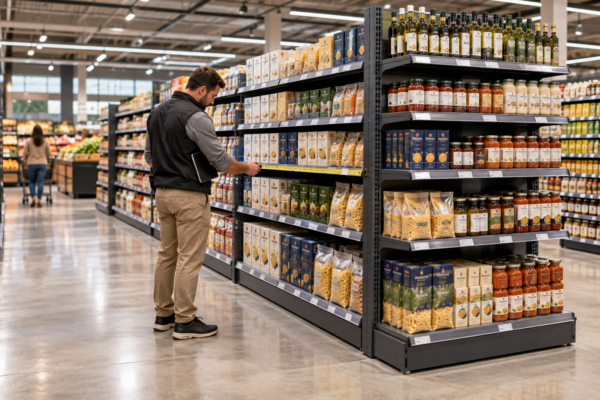
In practice, retail compliance spans a broad set of activities: verifying that a planogram is executed correctly, confirming that associates are following brand service standards, ensuring safety signage is posted as required, and validating that promotional materials are displayed on time. It is both a discipline and an ongoing measurement process.
Why Retail Compliance Matters
For brands that sell through hundreds or thousands of retail doors, compliance is a revenue and reputation issue, not just an operational checkbox.
When compliance breaks down at the store level, the effects are immediate and measurable:
- Lost sales: Out-of-stock products, mis-stocked shelves, and incorrect pricing all directly reduce conversion at the point of purchase.
- Brand erosion: A poorly merchandised display or an under-trained associate creates a negative customer perception that is difficult to reverse.
- Legal exposure: Labor law violations, safety hazards, or improper signage can result in regulatory fines, lawsuits, or store shutdowns.
- Retailer relationship risk: Vendors and brand partners who fail to meet compliance benchmarks risk losing shelf space, promotional support, or retailer confidence.
of retail purchase decisions are made in-store
Which means the shelf, the associate, and the environment are the brand. Compliance failures at the store level are brand failures in the eyes of the customer.
Types of Retail Compliance
Merchandising Compliance
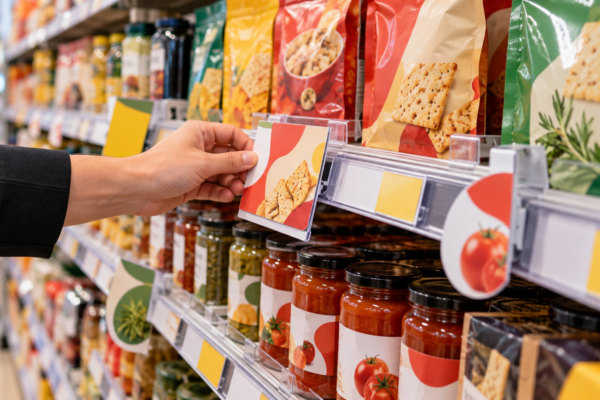
Ensures products are stocked, priced, and positioned according to planograms and promotional guidelines. Includes shelf tags, endcap execution, and POS material placement. Learn more in our retail merchandising guide.
Safety Compliance
Covers OSHA regulations, fire codes, emergency signage, aisle clearance, hazard labeling, and employee safety training. Non-compliance can result in significant regulatory fines and liability.
Labor & HR Compliance
Encompasses wage and hour laws, scheduling regulations, break policies, anti-discrimination requirements, and proper classification of workers. See our retail staffing guide for best practices.
Brand Standards Compliance
Ensures store associates follow brand service protocols, wear approved uniforms, deliver scripted product demonstrations, and represent brand values consistently — especially important for brand ambassador programs.
How to Measure Retail Compliance
- Store audits and field visits — Structured, scored evaluations conducted by field merchandising teams or third-party auditors using standardized checklists.
- Mystery shopping programs — Anonymous evaluators posing as shoppers assess the customer experience, service quality, and brand standards. Read our complete mystery shopping guide.
- Photo-based reporting — Field teams submit photographic evidence of shelf conditions, displays, and in-store environments through mobile platforms.
- POS and inventory data analysis — Patterns in sales velocity, out-of-stock rates, and inventory discrepancies can surface compliance issues at scale.
- Self-assessment and manager reporting — Store managers submit compliance reports against defined checklists via digital workflow tools.
The Role of Mystery Shopping in Retail Compliance
While store audits measure the presence or absence of physical compliance elements, mystery shopping measures the quality of the customer experience delivered by associates. A mystery shopper is invisible — their observations reflect the store’s everyday reality.
For brands that rely on associates to deliver a differentiated in-store experience, mystery shopping programs provide the compliance signal that no other method can replicate.
The Role of Field Teams in Driving Compliance
Measuring compliance is only half the equation. The other half is remediation — ensuring that compliance gaps are corrected quickly and root causes are addressed. Dedicated field merchandising and retail service teams execute the physical work of compliance: building displays, correcting planograms, training associates, and conducting cycle counts.
For brands managing compliance across hundreds or thousands of doors, retail merchandising services provided by a specialized partner offer significant advantages: scale coverage, reporting infrastructure, trained auditors, and rapid response capacity.
Building a Retail Compliance Program: Key Principles
- Define standards precisely. Compliance can only be measured against clearly documented standards. Vague guidance produces inconsistent execution and inconsistent audits.
- Prioritize by impact. Tier your standards — identifying which failures are revenue-critical, brand-critical, or regulatory — and build audit frequency accordingly.
- Close the loop fast. Compliance data has a short shelf life. A compliance gap identified today needs corrective action within days, not the next quarterly audit cycle.
- Make compliance visible. Sharing compliance scores with store managers and regional teams creates accountability and drives improvement.
- Integrate compliance and training. Many compliance failures are training gaps. Linking audit results to targeted associate training creates a continuous improvement loop.
Ready to Improve Compliance Across Your Locations?
T-ROC Global helps leading brands measure and improve retail compliance through mystery shopping programs, field merchandising teams, and retail staffing solutions.