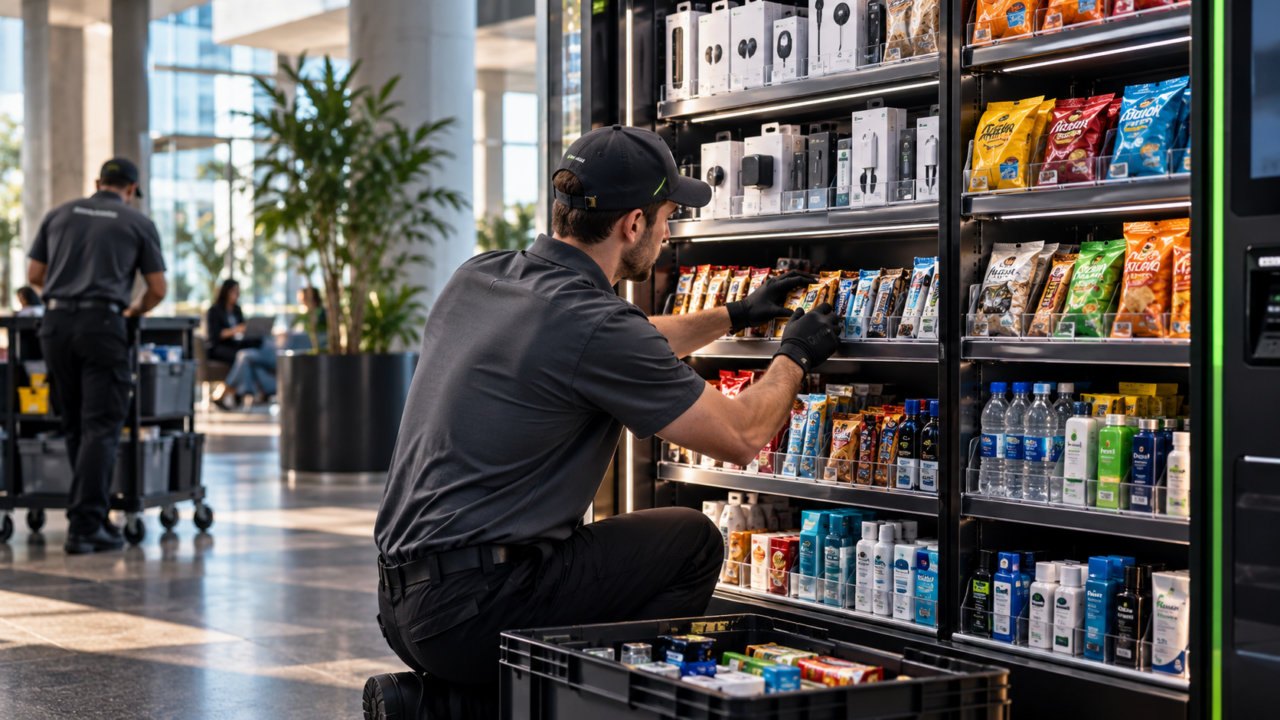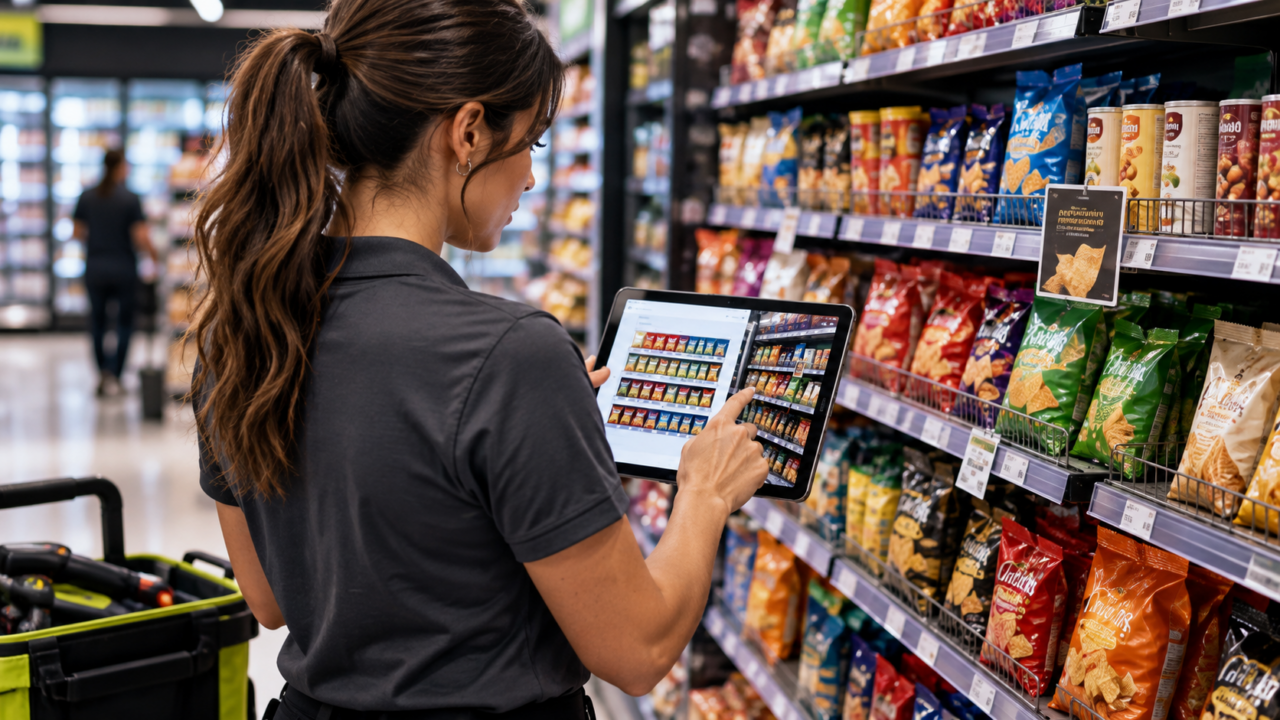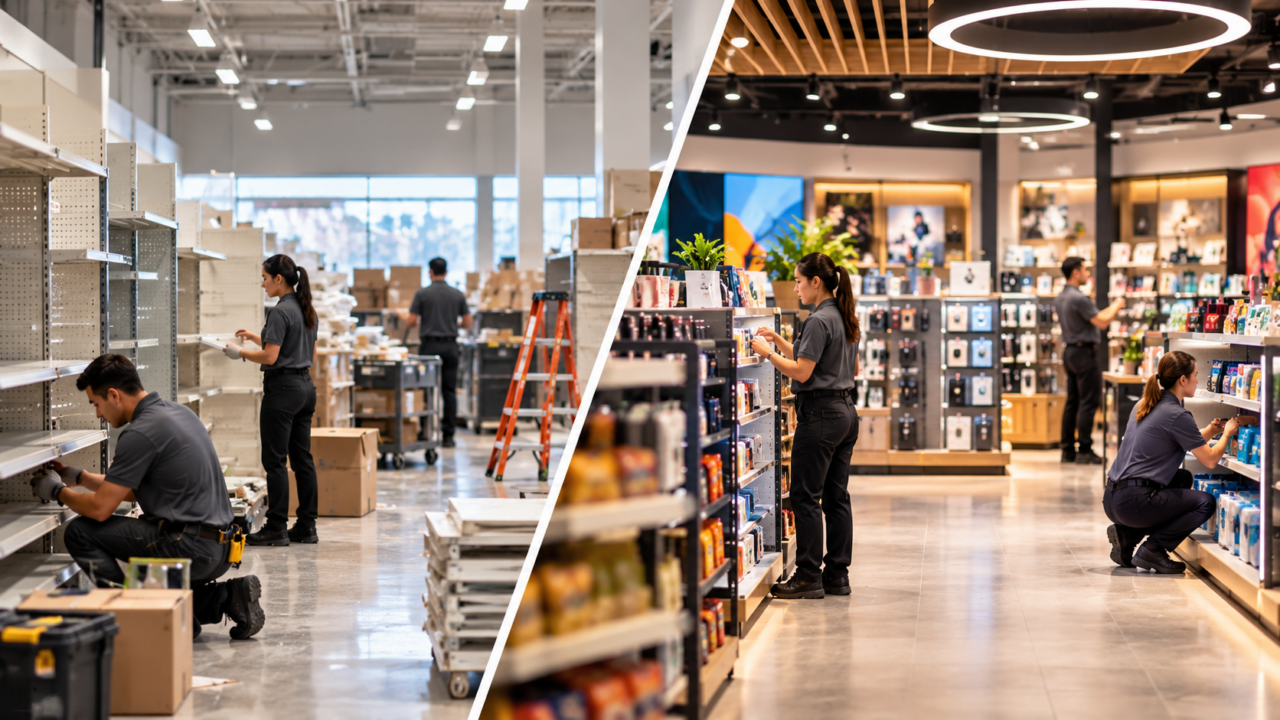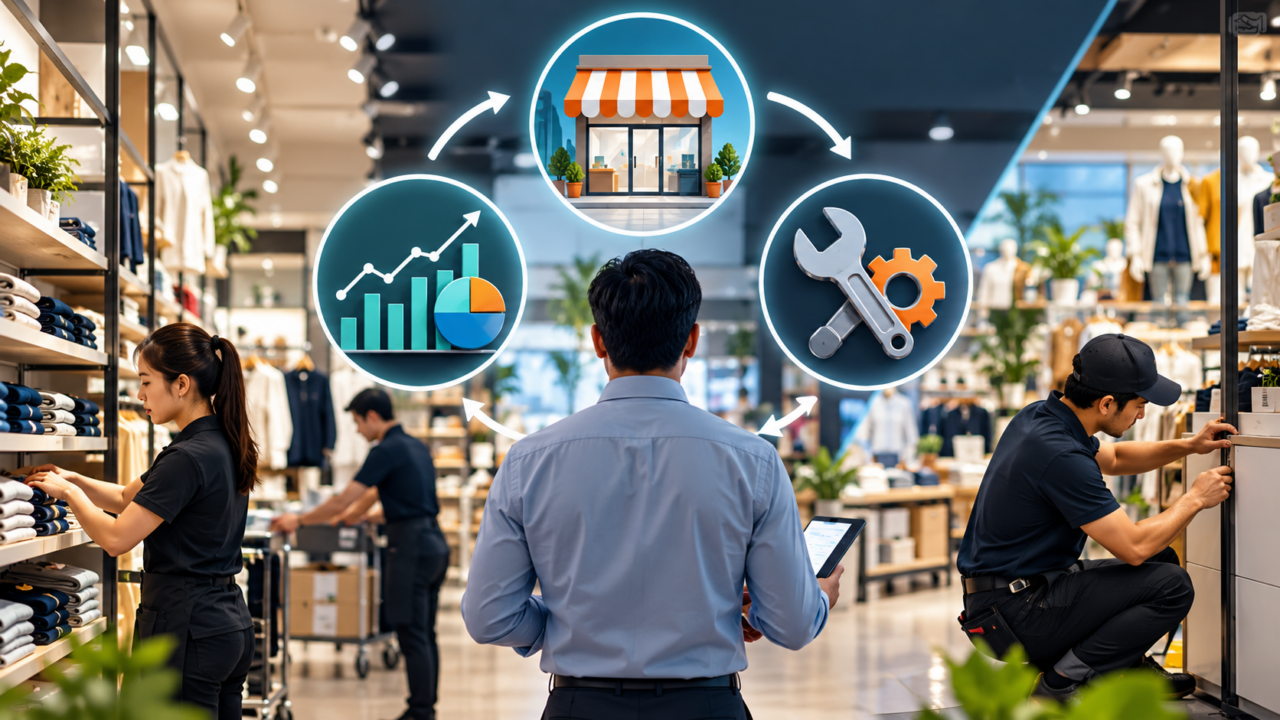




Let’s Talk About the Power of People
If you’ve been in the retail world for more than five minutes, you know that brand ambassadors in retail aren’t just a trend—they’re a game changer. While everyone’s fighting for attention online, the brands that are winning are doing something different. They’re going human. Because the real advantage in today’s crowded market? It isn’t a deeper discount or a flashier ad. It’s a genuine human connection.
Understanding what a brand ambassador actually is—and how to deploy them effectively—is the foundation of any successful field program. For a full primer, check out our definition of what is a brand ambassador and how the role has evolved in modern retail.
Why Brand Ambassadors in Retail Matter Right Now
We’re not here to knock digital. But let’s be honest: consumers are tuning out traditional marketing. What they’re not ignoring is people. According to Nielsen, 92% of consumers trust recommendations from real people over branded content. That’s why brand ambassadors in retail are being used by the smartest brands—not just for awareness, but for trust-building.
A UserTesting study found most consumers would pay up to 25% more to stick with brands they love. Why? Because they feel a connection. Brand ambassadors make that connection happen in real-time—on the floor, in the aisle, at the moment of decision.
The shift isn’t temporary. Shoppers have more choices than ever, and attention spans are shorter. What cuts through the noise is a knowledgeable, relatable human being who genuinely believes in what they’re representing. That’s what a well-trained brand ambassador delivers—every shift, every store, every interaction.
What Brand Ambassadors Actually Do (It’s More Than You Think)
This isn’t about handing out samples in a t-shirt. Brand ambassadors in retail are trained, empowered, and strategically placed to:
- Educate without the hard sell
- Listen and recommend based on customer needs
- Deliver a branded experience that feels personal
- Capture real-time feedback and performance data
- Build long-term loyalty at the point of purchase
They’re not “extra help.” They’re front-line brand advocates. And when you build a program right, they don’t just sell—they build loyalty. For a deeper look at what a comprehensive program looks like from end to end, our brand ambassador services guide covers everything from staffing models to field execution frameworks.
Real Impact: What the Data Says
Ambassadors are driving measurable business outcomes. Brands that deploy retail ambassador programs the right way consistently report:
- Higher in-store conversion rates
- Stronger customer satisfaction scores
- Increased repeat visits and basket size
- Richer customer feedback that informs merchandising and CX decisions
These aren’t soft wins. They show up in the numbers—and they compound over time as ambassador teams become embedded in the store culture and develop genuine relationships with store associates and shoppers alike.
Industries Where Brand Ambassadors Deliver the Highest ROI
Brand ambassador programs work across virtually every category, but some verticals see outsized returns. Here’s where the impact tends to be most dramatic:
Consumer Electronics
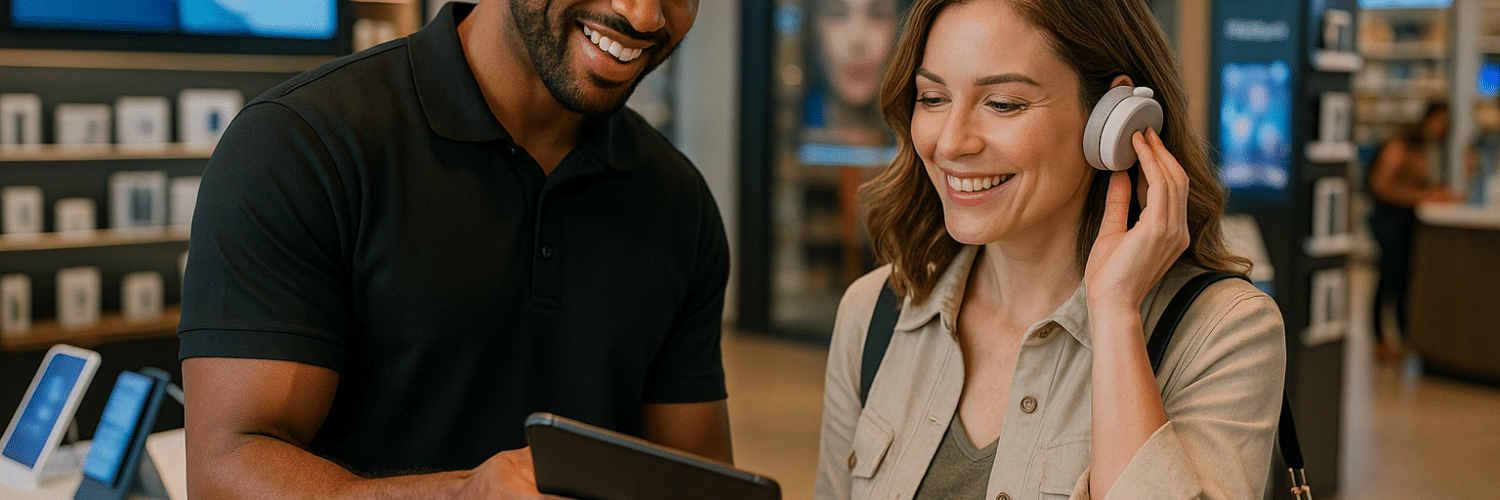
Electronics purchases are high-consideration. Shoppers walk into a store confused and walk out—often without buying—because no one helped them understand the difference between two products. A trained brand ambassador changes that equation entirely. They answer technical questions, demonstrate features, and guide shoppers toward the right fit. The result: higher attach rates on accessories and protection plans, lower return rates, and stronger brand preference at shelf.
Telecom and Wireless
Wireless retail is one of the highest-pressure, most complex selling environments in retail. Plans, devices, trade-ins, financing—it’s a lot to navigate. Brand ambassadors embedded in carrier doors or big-box wireless departments simplify the experience and increase upgrade and add-on conversion significantly. In telecom especially, the cost of a lost sale is high, and a well-placed ambassador can turn hesitation into commitment.
CPG and Consumer Packaged Goods
In grocery and mass retail, brand ambassadors at point of purchase or in demonstration roles drive trial and repeat purchase. For new product launches, they’re invaluable—they can educate shoppers, distribute samples, and capture feedback in real time. For established brands, they reinforce shelf presence and counter competitive switching.
Pet Products
Pet owners are passionate and loyal—and they’re looking for guidance they can trust. Brand ambassadors in pet specialty and pet departments within mass retailers build credibility by speaking to specific breeds, dietary needs, and lifestyle considerations. The emotional dimension of pet purchasing makes the human connection especially powerful here.
Home Goods and Appliances
Home purchases are often deferred decisions—shoppers research online but close in-store. A knowledgeable ambassador at the right moment bridges the gap between online research and in-store purchase. They can address the final objections, demonstrate product benefits, and frame the value proposition in a way a shelf talker never could.
How to Build a Brand Ambassador Program: Key Steps
Building a scalable, effective brand ambassador program requires more than hiring enthusiastic people. It demands structure, systems, and strategic intent. Our full guide on how to build a brand ambassador program walks through this in detail, but here are the core pillars:
1. Define the Ambassador Profile
Start with the outcome, then work backward to the person. What does success look like in the role? What product knowledge is required? What personality traits drive conversion in your category? Smart hiring means screening for fit, not just availability. This is where many programs fail early—they hire warm bodies instead of brand advocates.
2. Build a Training Infrastructure
Training isn’t a one-time event. Effective ambassador programs use layered onboarding (product, brand story, customer experience techniques) combined with ongoing learning to keep ambassadors sharp as products and promotions evolve. Digital training tools, in-field coaching, and regular refreshes are all part of a robust training model.
3. Design Your Coverage Model
Where do your ambassadors go, and when? Coverage should be driven by traffic patterns, promotional calendars, and sales velocity data—not guesswork. High-volume doors and high-consideration SKUs should anchor your deployment. From there, you can model frequency and hours to maximize ROI per market.
4. Establish Reporting and Accountability
Without data, you’re flying blind. Every ambassador interaction should generate a data point—visits logged, conversations tracked, sales influenced, issues flagged. Technology platforms that capture field activity in real time enable managers to course-correct quickly and give brand teams the visibility they need to make confident decisions.
Measuring Brand Ambassador Performance
If you can’t measure it, you can’t scale it. Effective ambassador programs are built around a clear performance framework. For a comprehensive breakdown, see our guide to measuring brand ambassador program success. Here are the KPIs that matter most:
Conversion Lift
The foundational metric. What percentage of shoppers who engaged with an ambassador actually purchased? Compare ambassador-covered doors against control doors to isolate the lift. Even a modest lift in conversion—say, 8–12%—can represent significant incremental revenue at scale.
UPAH (Units Per Ambassador Hour)
UPAH measures sales productivity per hour worked. It normalizes for scheduling variability and lets you compare ambassador performance across markets, retailers, and time periods. Tracking UPAH trends over time reveals training gaps and identifies top performers worth replicating.
Attach Rate
For electronics and telecom, attach rate—the percentage of primary purchases that include accessories or protection plans—is a critical revenue driver. Ambassadors trained on value-based upselling consistently outperform baseline attach rates. Tracking this metric ties the ambassador program directly to margin improvement.
Return Rate Reduction
Returns are expensive. When ambassadors ensure customers buy the right product the first time—through proper needs assessment and product education—return rates drop. This is a downstream metric that often flies under the radar, but it can represent tens of thousands of dollars in recovered margin annually for a mid-sized brand.
Net Promoter Score and Customer Satisfaction
Quantitative metrics matter, but so does the qualitative experience. Ambassador interactions should lift NPS scores in covered stores. Tracking customer satisfaction at the store level before and after ambassador deployment gives you a fuller picture of program impact.
Virtual Brand Ambassadors: Extending Coverage Beyond the Store Floor
Physical presence has limits—budget, geography, and labor availability all constrain how far a traditional field program can reach. That’s where virtual brand ambassador platforms come in. Our virtual brand ambassador solution extends the reach of your program without adding headcount at every door.
Virtual ambassadors operate via screens or interactive kiosks placed at strategic points in the store. A live or on-demand video connection puts a knowledgeable brand expert in front of the shopper—answering questions, demonstrating products, and guiding purchase decisions—from a centralized location.
The use cases are compelling:
- Small-format doors where a dedicated FTE isn’t cost-justified
- Overnight or off-peak hours when live staffing isn’t practical
- New product launches requiring rapid national coverage
- Specialty categories where deep expertise is hard to hire at scale
Virtual and physical ambassador programs aren’t either/or—they’re complementary. The strongest programs use both, matching the coverage model to the door type, traffic pattern, and budget envelope.
T-ROC’s Approach: Building Brand Ambassador Programs That Scale
We’ve been helping brands do this for over 20 years. At T-ROC, we don’t just throw people in the field—we create scalable, data-driven ambassador strategies that actually reflect your brand.
- Smart hiring based on personality, cultural fit, and category aptitude—not just resumes
- In-depth training with a focus on product knowledge and customer experience
- Tech-enabled field tools that drive accountability and surface real-time performance data
- Virtual ambassador capabilities for doors where live staffing isn’t the right fit
- Dedicated program management and field leadership
And because every retail brand is different, we don’t do one-size-fits-all. We design programs for your category, your retail partners, and your specific business goals. Whether you’re launching a new product, defending shelf space, or trying to win at a new set of doors, we build the program around what you actually need—not a templated playbook.
The result is a brand ambassador program that doesn’t just cover stores—it moves the metrics that matter.
Frequently Asked Questions: Brand Ambassadors in Retail
What is the difference between a brand ambassador and a sales rep?
A traditional sales rep typically focuses on sell-in—getting product on shelves and securing shelf placement with retail buyers. A brand ambassador focuses on sell-through—working directly with consumers on the store floor to drive purchase decisions, answer questions, and build brand affinity. Both roles are valuable, but they operate at different points in the retail execution chain.
How many brand ambassadors do I need to cover my retail footprint?
Coverage requirements depend on door count, traffic patterns, category complexity, and budget. A common starting point is to identify your highest-volume or highest-opportunity doors and build a frequency model from there. T-ROC’s team can help you model coverage scenarios and project ROI before you commit to headcount. There’s no universal answer, but there is a right answer for your specific program.
How long does it take to see ROI from a brand ambassador program?
Most well-designed programs show measurable lift within 30–60 days of deployment. Initial metrics like conversion rate and UPAH tend to improve quickly as ambassadors get up to speed. Downstream metrics like return rate reduction and repeat purchase may take 90–120 days to fully manifest in the data. The key is establishing a solid baseline before launch so you can isolate the program’s impact.
Can brand ambassador programs work for smaller brands with limited budgets?
Yes—in fact, focused programs often deliver stronger ROI than sprawling ones. A smaller brand with a targeted coverage model (20 high-priority doors, right SKUs, right frequency) will typically outperform a larger program deployed too thin across hundreds of doors. Start focused, prove the model, and expand from there. Virtual ambassador solutions can also extend reach cost-effectively for brands that can’t yet justify full-time field staffing across their entire footprint.
What technology do brand ambassadors use in the field?
Modern brand ambassador programs are technology-enabled. Ambassadors typically use mobile apps to log store visits, capture sales data, report on competitive conditions, and flag execution issues. On the back end, brand managers and field supervisors access dashboards that aggregate this data in real time. T-ROC’s proprietary technology stack is designed specifically for retail field execution, giving brands the visibility they need to manage performance at scale.
T-ROC Editorial Team
The T-ROC editorial team brings 20+ years of retail industry expertise across brand ambassador programs, mystery shopping, retail merchandising, and managed technology solutions. Learn more about T-ROC.