



Retail is evolving fast. Customers expect instant access to new products, immersive brand experiences, and the flexibility to shop anywhere, anytime. Traditional stores struggle to meet these demands, but pop-up retail is filling the gap.
Pop-up stores aren’t just for startups testing a new product idea. Major brands—from luxury fashion houses to consumer tech giants—are embracing temporary retail spaces to test products, enter new markets, and engage with customers in dynamic ways.
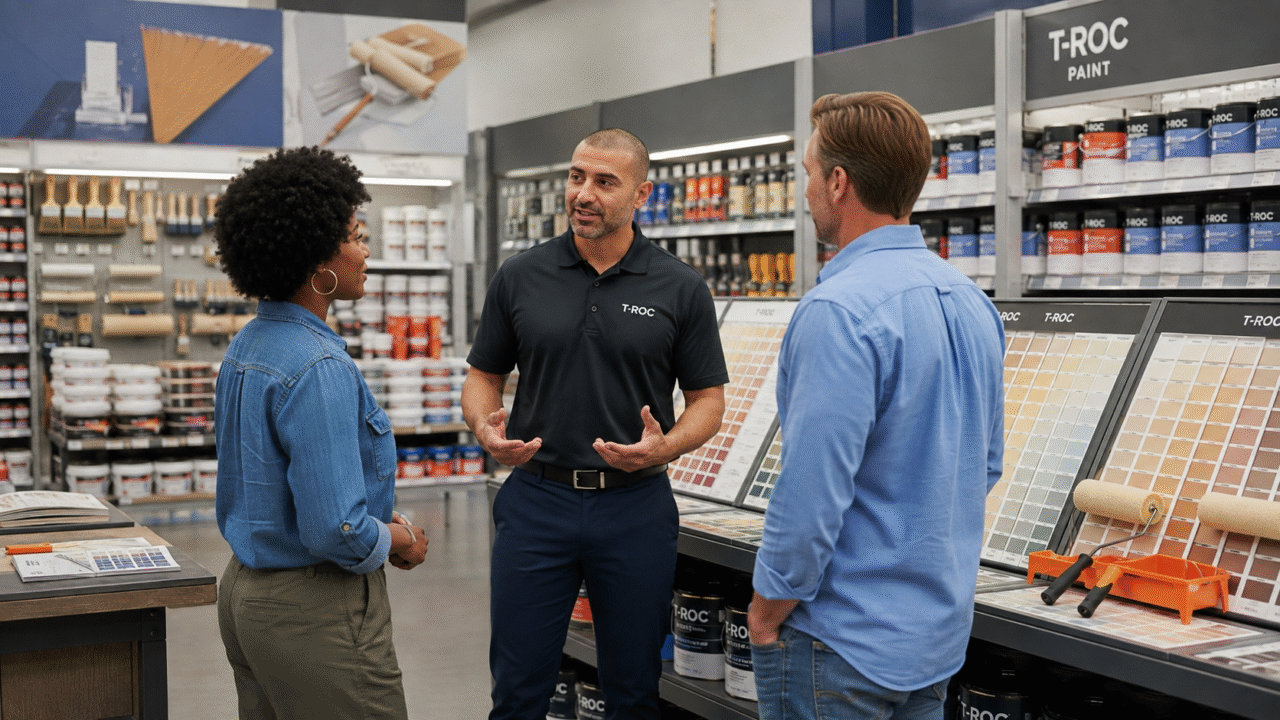
At T-ROC, we help brands maximize the power of experiential retail, executing data-driven pop-up activations that drive sales, engagement, and real-world insights. Whether it’s a roadshow at a wholesale club or a strategic pop-up activation in a high-traffic location, our expertise ensures brands get the most out of their temporary retail investments.
Let’s dive into how pop-up stores are changing the retail landscape and how brands can use them as a low-risk, high-reward strategy for growth.
Pop-Up Stores: The Best Way to Test New Products
Launching a new product is risky. Brands invest millions in manufacturing, marketing, and distribution, only to find that most new products fail due to lack of real-world market validation.
Pop-up stores offer a smarter alternative—providing brands with an opportunity to:
- Gauge customer interest and demand before mass production.
- Test different pricing strategies to see what drives conversions.
- Collect real-time feedback to refine product features and packaging.
Retail leaders are using pop-up retail as a testing lab before rolling out new products at scale. Studies show that temporary stores generate higher consumer engagement and allow brands to pivot quickly based on consumer response.
T-ROC specializes in experiential activations that help brands launch and test products in real-world retail environments. Discover how our pop-up events drive lasting brand impressions.
Why Pop-Up Stores Are Key to Market Expansion
Expanding into a new city, region, or country is expensive. Retailers often invest in long-term leases, staffing, and logistics, only to find out they misjudged the demand in that market.
Pop-up stores solve this problem by offering a low-risk way to test market expansion.
Before committing to a permanent storefront, brands use pop-ups to assess:
- Foot traffic and location viability.
- Consumer purchasing behavior and regional preferences.
- Competitive positioning in new retail landscapes.
Major brands like Nike, Apple, and Chanel have used pop-ups to evaluate demand in new markets before making permanent investments. Retail industry experts agree that pop-ups help brands refine their market entry strategies without the overhead of traditional stores.
For brands looking to expand strategically, T-ROC’s merchandising services ensure pop-ups are optimized for success and built to scale.
Pop-Up Stores Drive High-Impact Brand Engagement
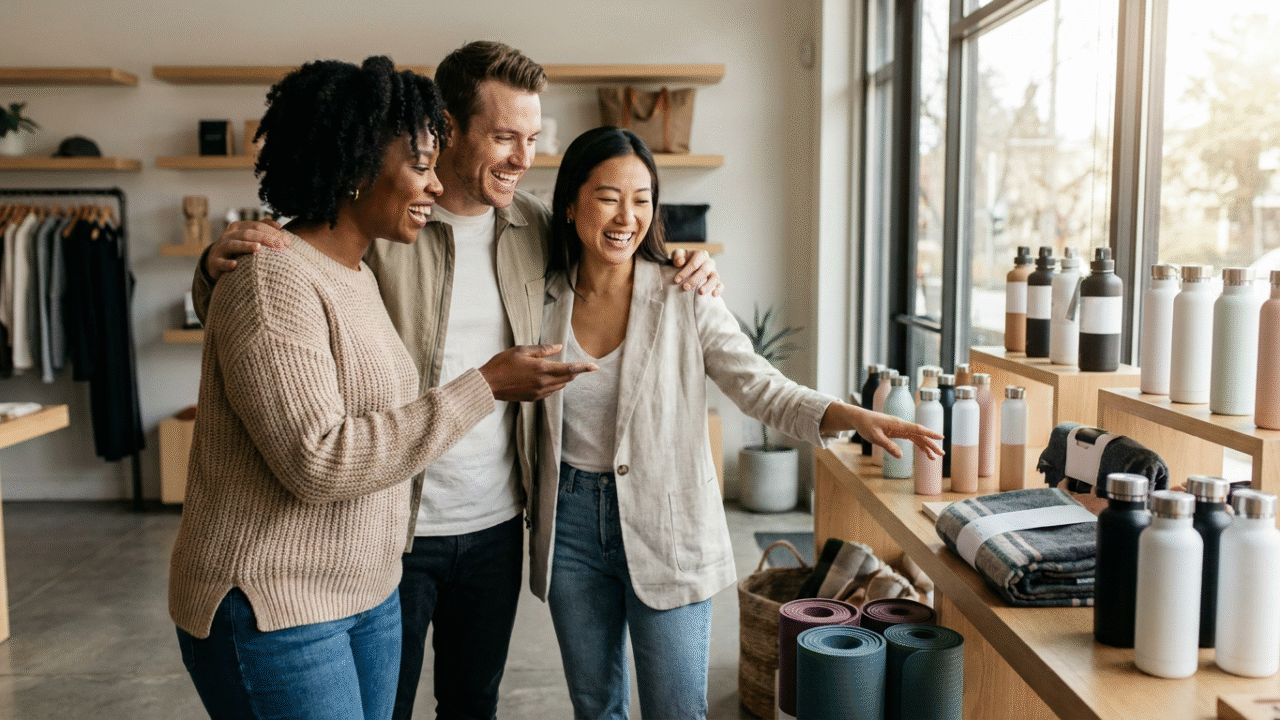
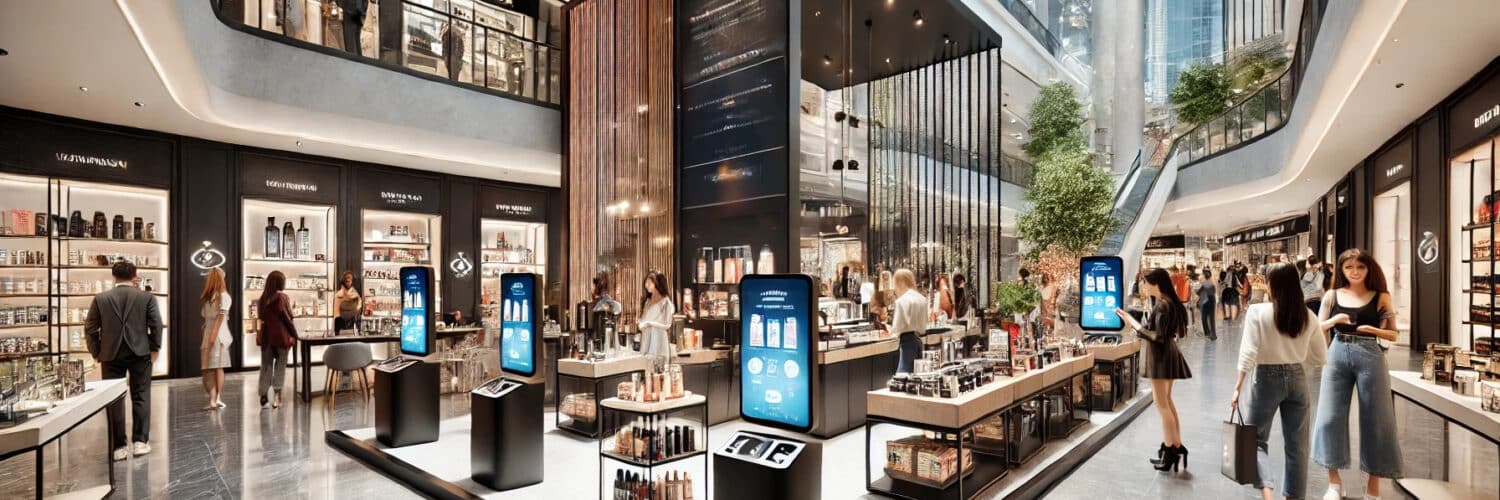
Pop-ups aren’t just about selling—they’re about creating a unique, immersive brand experience. Consumers crave exclusivity and excitement, and pop-ups capitalize on this by offering:
- Limited-time product drops and exclusive launches.
- Interactive retail experiences with AR and gamification.
- Social media-friendly setups that encourage user-generated content.
A well-executed pop-up isn’t just a store—it’s a brand activation that creates buzz, drives word-of-mouth marketing, and strengthens customer loyalty.
Retail leaders believe that experiential retail is the future, and pop-up stores are one of the most effective ways to create brand moments that resonate with consumers.
Want to see how pop-ups can transform your brand’s engagement strategy? Learn about T-ROC’s retail roadshow activations that drive direct customer interactions.
How to Measure the Success of a Pop-Up Store
Success isn’t just about foot traffic. To truly leverage pop-up retail, brands must track key performance indicators like:
- Conversion rates (How many visitors make a purchase?)
- Average transaction value (What’s the spend per customer?)
- Engagement levels (Are visitors interacting with products and experiences?)
- Social media impact (How many posts, shares, and mentions did the pop-up generate?)
Retailers are also using A/B testing within pop-ups to experiment with different store layouts, pricing models, and promotions before scaling them to permanent locations.
According to market research, pop-up stores offer higher flexibility and agility, allowing brands to pivot quickly based on consumer response.
The Future of Pop-Up Retail: Where It’s Heading
Pop-up stores are no longer just a temporary retail trend—they’re becoming a key pillar in omnichannel strategies. The future of pop-up retail will include:
- AI-powered personalization to tailor product offerings to each shopper.
- Integration with e-commerce for hybrid online-offline shopping experiences.
- Sustainable, modular store designs for faster deployment in new markets.
As brands shift toward data-driven, experiential retail, pop-ups are becoming essential to long-term retail strategies.
T-ROC: The Partner for Pop-Up Retail Success
Retail is evolving, and brands that embrace pop-up strategies will gain a competitive edge. At T-ROC, we specialize in:
- Retail activations that test products in high-impact locations.
- Data-driven insights to refine market entry strategies.
- Engaging, immersive pop-up experiences that strengthen customer loyalty.
Want to build a pop-up store strategy that delivers real results? Contact us today and let’s bring your retail vision to life.
T-ROC Editorial Team
The T-ROC editorial team brings 20+ years of retail industry expertise across brand ambassador programs, mystery shopping, retail merchandising, and managed technology solutions. Learn more about T-ROC.