




For decades, the physical store was a place of transaction. Today, it is a place of destination. As digital shopping becomes more efficient, physical retail has responded by becoming more experiential.
Modern consumers no longer visit stores just to buy products; they visit for the brand story, the community, and the sensory engagement they can’t get through a screen. Immersive retail experiences are no longer a futuristic concept—they are the current standard for brands looking to remain relevant in a “phygital” world.
What Are Immersive Retail Experiences?
Immersive retail refers to the integration of technology, sensory elements, and interactive storytelling to create a multi-dimensional shopping environment. It blurs the line between the digital and physical worlds (often called “phygital” retail), allowing customers to interact with products in ways that feel both personal and high-tech.
From Augmented Reality (AR) try-ons to gamified loyalty programs and sensory-driven store layouts, these experiences aim to move the customer from a passive observer to an active participant.
The Tech Powering the Interactive Revolution
To implement a successful interactive strategy, brands are leveraging a specific suite of technologies:
1. Augmented Reality (AR) and Virtual Reality (VR)
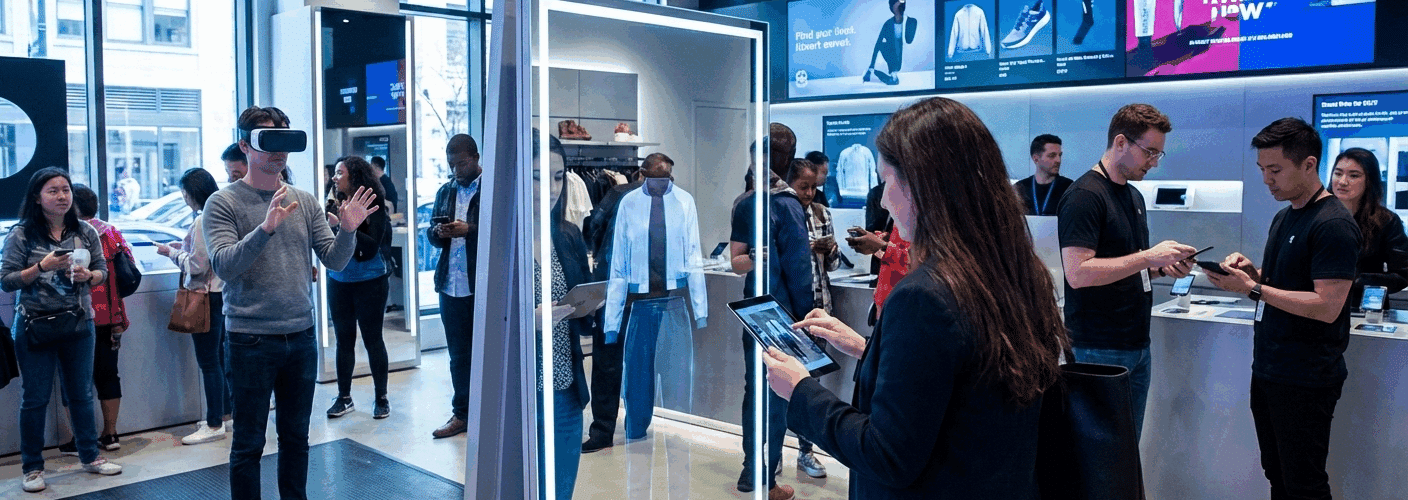
AR allows shoppers to visualize products in their own space or on their own bodies without physical contact. VR, on the other hand, can transport a shopper to a brand-specific world—like a virtual “mountain trek” to test outdoor gear—creating an emotional connection that a simple shelf display cannot match.
2. Interactive Kiosks and Digital Signage
Smart displays do more than show ads. They provide real-time inventory checks, personalized product recommendations based on what a customer is holding (via RFID tags), and even the ability to “ship to home” directly from the showroom floor.
3. Haptic and Sensory Integration
Immersive retail isn’t just about screens. Leading brands use scent marketing, curated acoustics, and tactile displays to evoke specific moods. When a customer’s senses are fully engaged, their brand recall increases significantly.
Why Engagement Leads to ROI
It is a common misconception that immersive tech is just “flash” with no substance. The data suggests otherwise:
-
Increased Dwell Time: Interactive elements encourage shoppers to stay in the store longer. Every additional minute spent in-store correlates with a higher likelihood of purchase.
-
Reduced Return Rates: When a customer uses AR to see how a sofa fits in their living room or how a shade of lipstick looks on their skin, they make more confident—and final—purchasing decisions.
-
Data Collection: Every interaction with a digital kiosk or AR app provides valuable data on customer preferences, allowing for more targeted marketing and inventory management.
Bridging the Execution Gap
The challenge for most retailers isn’t the idea of immersion—it’s the execution. A high-tech display is only effective if it works perfectly every time.
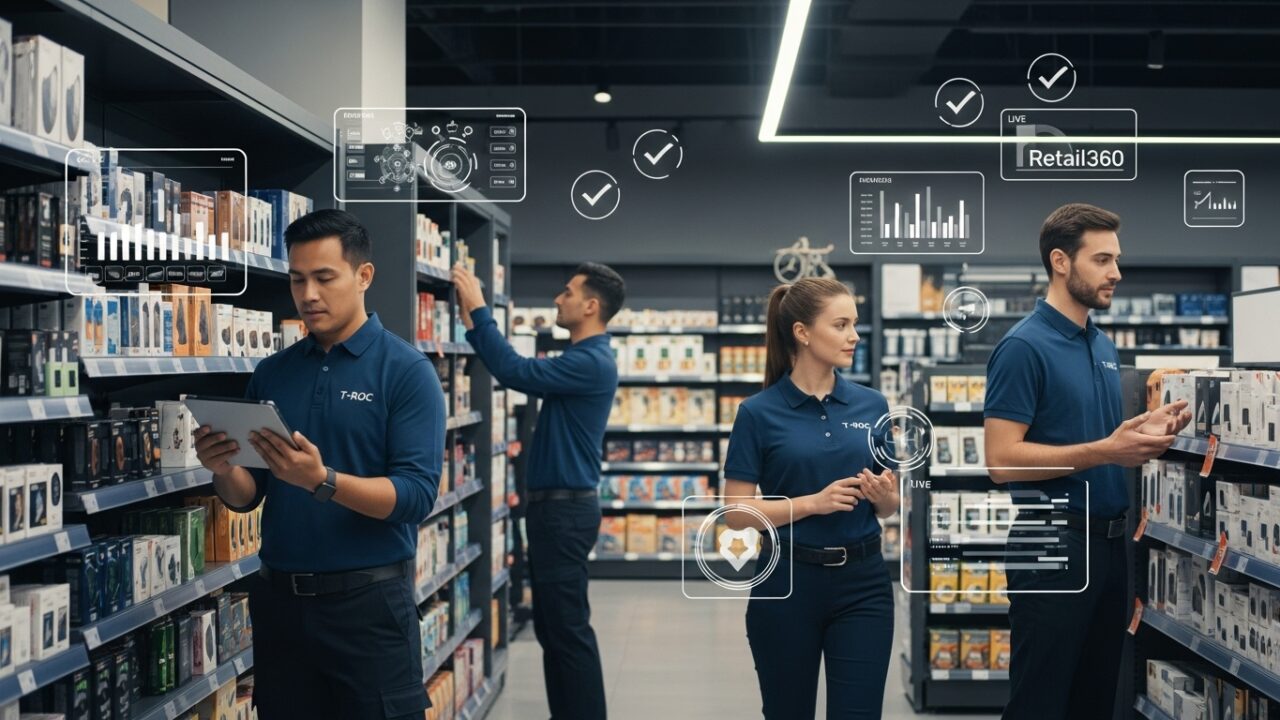
This is where the human element remains vital. Success requires a synergy between innovative technology and the field teams who maintain it. From ensuring that interactive kiosks are functional to having brand ambassadors who can guide customers through a VR experience, the “human touch” is what makes technology feel accessible rather than intimidating.
The Future: Personalization at Scale
As AI continues to evolve, immersive retail experiences will become even more personalized. Imagine a store that recognizes a loyalty member as they walk in, adjusting the digital signage to show products based on their past browsing history.
Retail is no longer about the “average” customer; it’s about the individual. By investing in immersive technology, brands aren’t just selling products—they are building relationships.
T-ROC Editorial Team
The T-ROC editorial team brings 20+ years of retail industry expertise across brand ambassador programs, mystery shopping, retail merchandising, and managed technology solutions. Learn more about T-ROC.