



Physical retail is undergoing a structural paradigm shift. Brands and brick-and-mortar operators no longer have to choose between the high margins of e-commerce and the tactile conversion power of a physical storefront. Instead, smart infrastructure is bridging the gap. As consumer behavior trends permanently toward frictionless, on-demand convenience, automated retail technology—ranging from high-end smart vending machines to interactive retail kiosks and unstaffed micro-markets—has shifted from a novel experiment to a core operational strategy.
Let’s dive deep into the tangible automated retail benefits that allow brands to optimize capital expenditure, capture missed sales, and radically improve their data collection at the point of sale.
1. Radical Footprint Expansion with Minimal Capital Expenditure
Securing a traditional commercial lease inside a high-traffic environment is a massive financial hurdle. Between upfront security deposits, interior build-outs, design compliance, and long-term lease liabilities, standing up a new retail location can take months and cost hundreds of thousands of dollars.
One of the most immediate automated retail benefits is the ability to bypass these financial barriers entirely. An interactive retail kiosk takes up a fraction of the square footage of a traditional store—often less than 30 square feet—allowing brands to insert themselves directly into premium real estate like:
-
International airport terminals and transit hubs
-
Luxury hotel lobbies and resort properties
-
High-end shopping center corridors and promenades
-
Corporate campuses and high-density residential complexes
By trading massive square footage for targeted positioning, brands can expand their physical market share across dozens of high-value locations for a fraction of the cost of a single traditional storefront.
2. 24/7 Revenue Generation Without Escalating Labor Costs
Traditional storefronts are structurally bound by localized labor availability and operational hours. If a brick-and-mortar store closes its doors at 9:00 PM, any foot traffic passing by after hours represents completely lost revenue opportunity.
Unattended retail solutions solve this structural vulnerability. Automated storefronts operate continuously without requiring breaks, shift management, or overnight wage premiums. This structural advantage is particularly evident in high-velocity transit environments where flight schedules, train arrivals, and consumer schedules run around the clock.
By leveraging automated systems, brands can capture late-night or early-morning impulse purchases seamlessly. The elimination of constant on-site staffing needs drastically reduces ongoing operational overhead, paving a faster path to store-level profitability.
3. Granular, First-Party Data Capture at the Point of Sale
In a standard brick-and-mortar environment, a brand’s understanding of customer behavior is often limited to a final checkout scan. Unless a consumer explicitly opts into a loyalty program, critical behavioral data points are lost.
Smart retail systems function essentially as physical web browsers. Every single interaction is logged as digital telemetry. Because these machines are driven by integrated software, operators can easily capture:
-
Dwell Time & Engagement: Exactly how long a consumer stands in front of the screen before executing or abandoning a transaction.
-
UX Interaction Paths: Which products are selected, compared, clicked for deeper specifications, or dropped from the digital cart.
-
Real-Time A/B Testing Outcomes: The immediate performance impact of real-time price adjustments, promotional banners, or bundled product recommendations.
This rich layer of first-party data allows merchandising teams to dynamically optimize product assortment and digital messaging on the fly.
4. Intelligent Merchandising and Hyper-Optimized Supply Chains
Managing physical inventory efficiently remains an expensive challenge for brick-and-mortar retail operators. In fact, a recent Boston Consulting Group (BCG) study analyzing future merchandising priorities across 350 top retailers highlighted that optimizing inventory health via data-driven solutions is now a top operational directive for modern brands looking to preserve margin.
Automated merchandising platforms inherently solve this dilemma through continuous cloud connectivity. Unlike traditional stores that rely on slow, manual cycle counts or daily end-of-day batches, smart vending installations provide absolute inventory precision down to the exact second.
This cloud-connected foundation unlocks massive logistics and supply chain advantages. When a specific item hits a pre-set threshold, the system automatically dispatches a precise replenishment ticket. This ensures units are only shipped when absolutely necessary, eliminating costly phantom stockouts and maximizing overall logistics efficiency.
5. Elevated Brand Equity and Frictionless Consumer Experiences
Modern consumers prioritize speed and autonomy. Unattended retail environments align precisely with this preference by removing traditional checkout friction, such as long queues, manual payment processing delays, and transactional inefficiencies.
Furthermore, these interactive environments double as highly visible, high-impact brand touchpoints. Equipped with brilliant, large-scale digital displays and premium structural enclosures, smart kiosks function as interactive billboards. They broadcast high-definition video content, run interactive brand storytelling campaigns, and project a modern, tech-forward brand identity to every single consumer passing by.
Integrating Automation with Expert Human Oversight
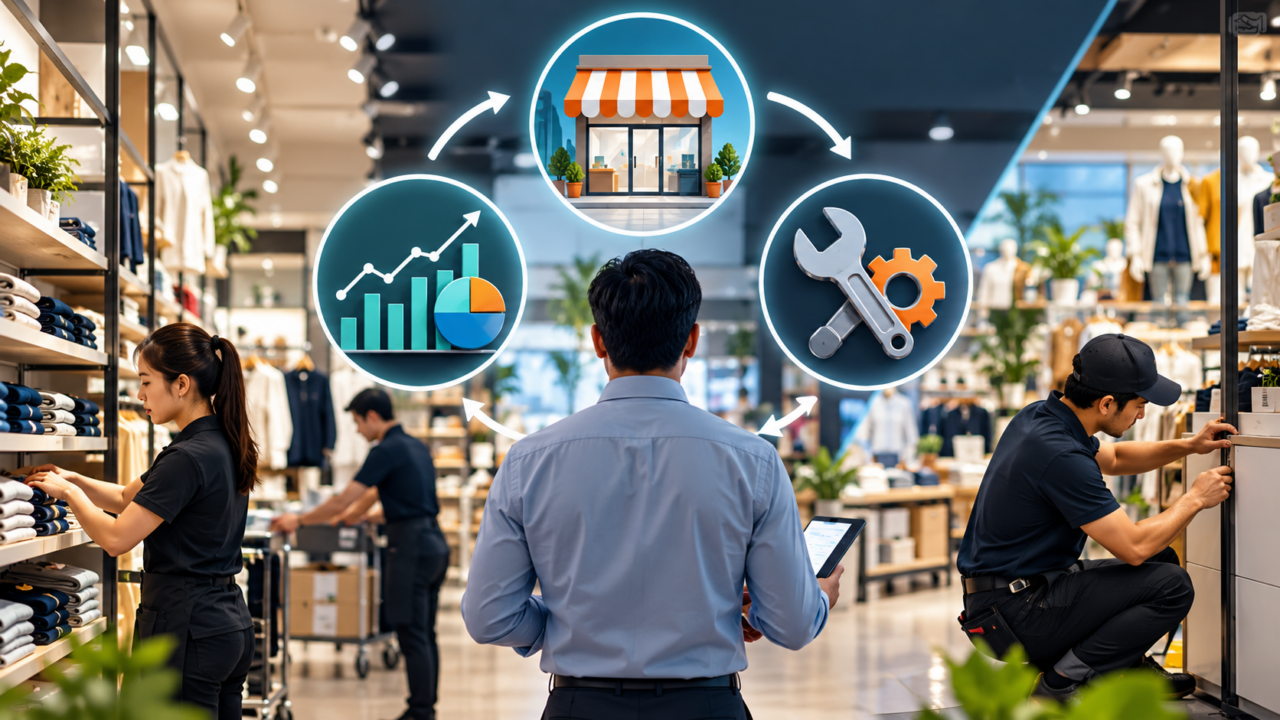
While the operational and financial advantages of automation are immense, the most successful retail strategies do not rely on technology in complete isolation. True operational scale occurs when automated retail benefits are tightly integrated with professional, human-led retail deployment and field support execution.
Behind every successful fleet of high-performing automated kiosks is a robust network of technology specialists and field operators. Maximizing system uptime and protecting your initial hardware investments requires consistent, expert execution across several operational pillars:
-
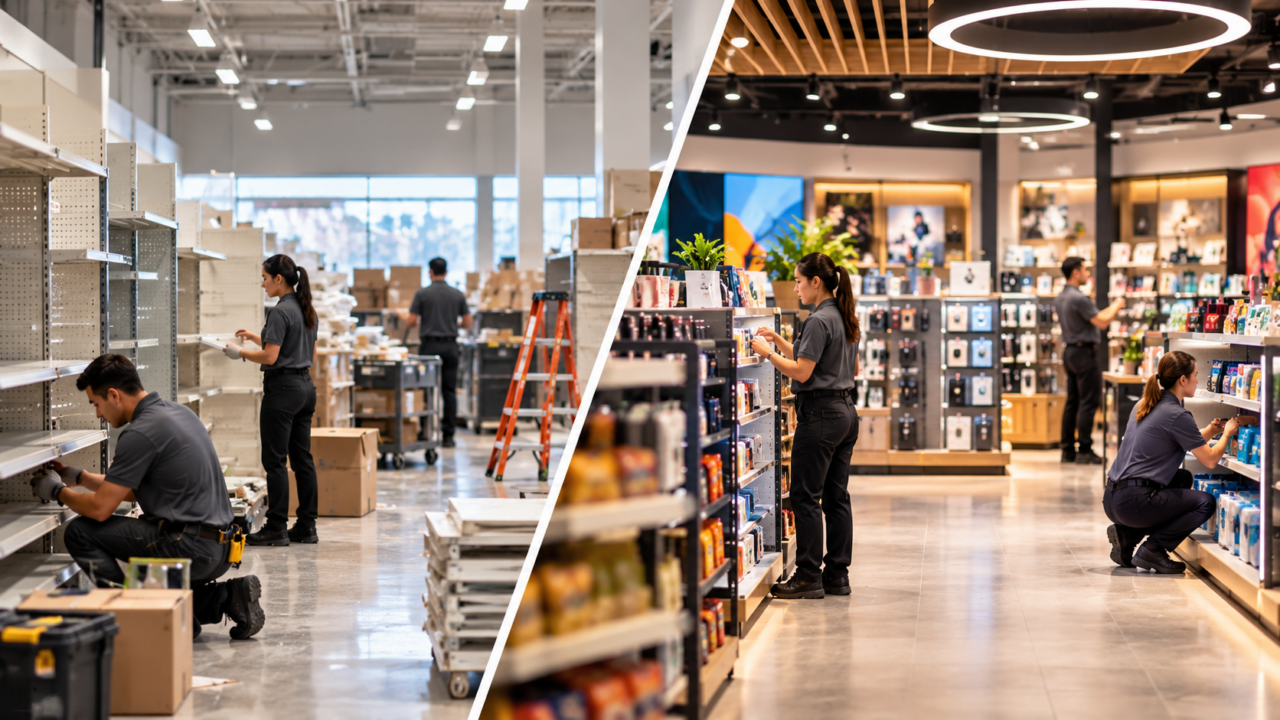
Precision Hardware Integration: Ensuring field units are configured, securely networked, and perfectly calibrated to the unique environmental constraints of each location.
-
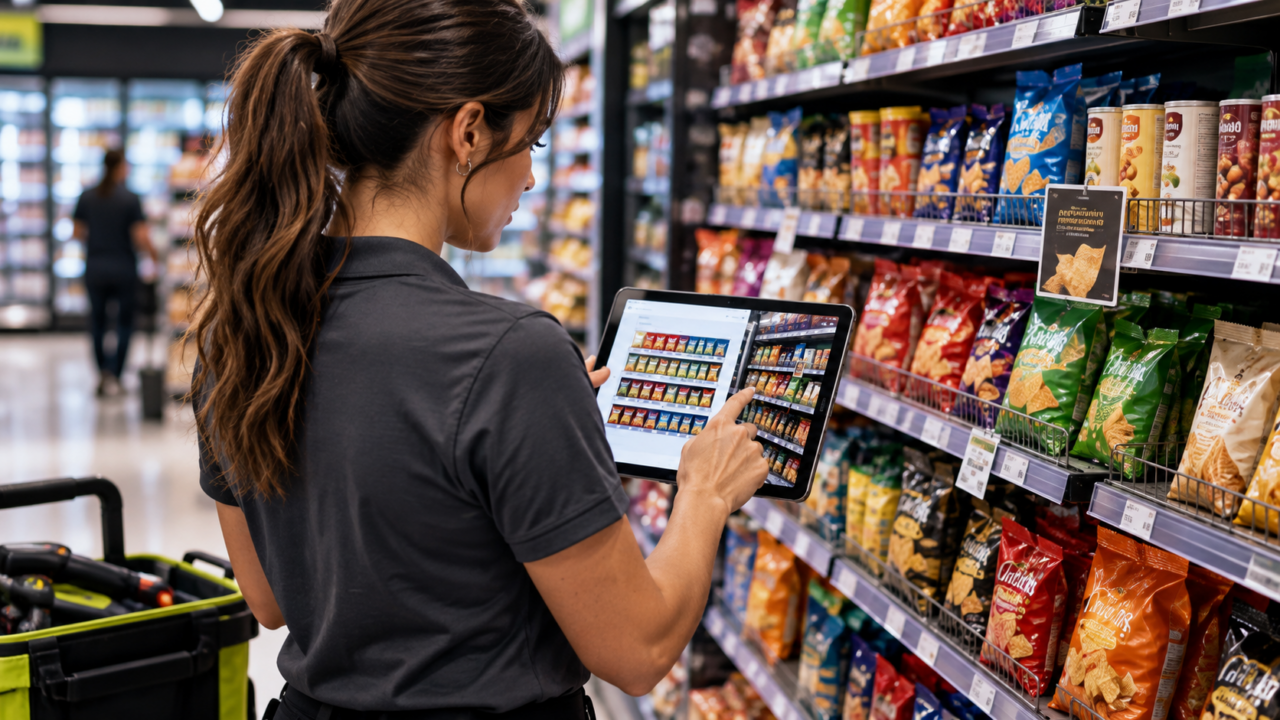
Data-Driven Field Auditing: Deploying field specialists to run physical machine validation, inspect mechanical integrity, and verify that actual on-shelf placement mirrors live digital data.
-
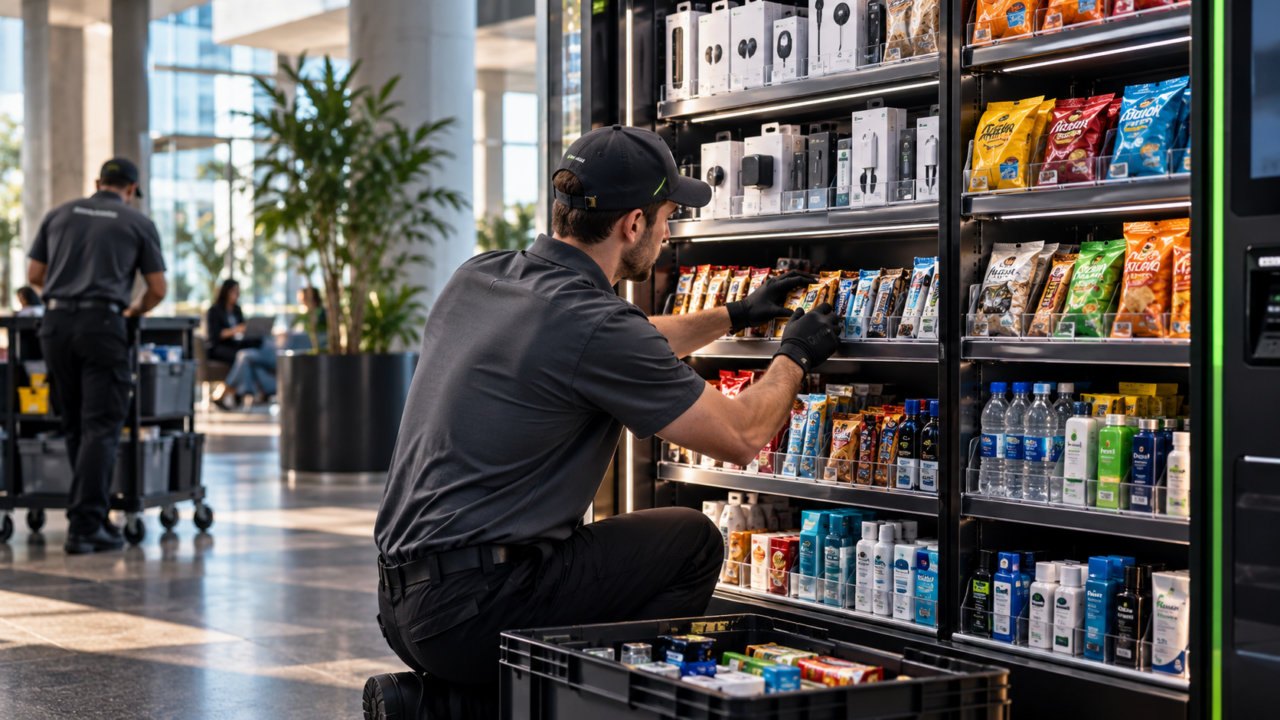
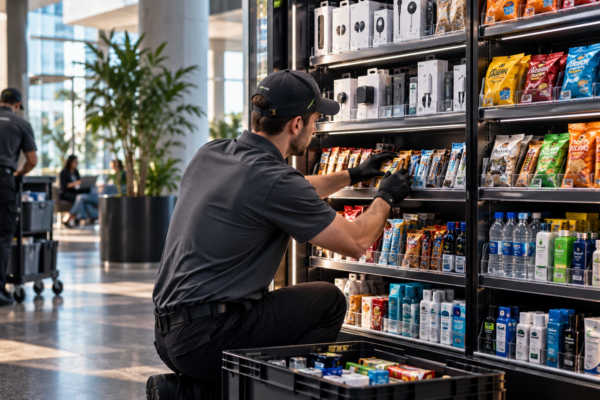
Agile On-Demand Talent: Utilizing scalable, highly trained field merchandising networks to execute physical product restocking, minimize system downtime, and resolve hardware issues before they impact the bottom line.
By blending the rapid scalability of intelligent, automated retail machines with the strategic agility of a trusted managed services partner, brands can build an elite, highly adaptive, and incredibly profitable modern physical commerce network.
Frequently Asked Questions
What is automated retail and why are brands adopting it?
Automated retail refers to smart vending machines, interactive kiosks and unstaffed micro-markets that combine physical merchandising with integrated software. Brands adopt it to capture the tactile advantages of brick-and-mortar while gaining the margins, scalability and data capabilities usually associated with e-commerce.
How does automated retail reduce capital expenditure and expand a retail footprint?
Automated retail units often require under 30 square feet and minimal build-out, letting brands bypass large lease deposits and lengthy store fit-outs. That makes it possible to place units in premium real estate such as airports, hotel lobbies, shopping promenades and campuses at a fraction of the cost of a traditional storefront.
Can automated retail operate 24/7 and lower labor costs?
Yes. Unattended retail systems run continuously without shift staffing, breaks or overnight wage premiums, allowing brands to capture late-night and early-morning impulse purchases while reducing ongoing operational overhead.
What types of customer data do smart retail systems capture?
Smart retail acts like a physical web browser, logging first-party telemetry such as dwell time, on-screen interactions and navigation paths, product selections or abandonments, and real-time A/B test outcomes. That data helps optimize merchandising and digital messaging quickly.
Where are the best locations for automated retail and how quickly can brands scale?
High-velocity, high-value locations such as international terminals, transit hubs, luxury hotels, shopping center corridors, corporate campuses and dense residential properties are ideal. Because deployments are compact and require less capital, brands can scale across dozens of sites far faster than opening traditional stores.