


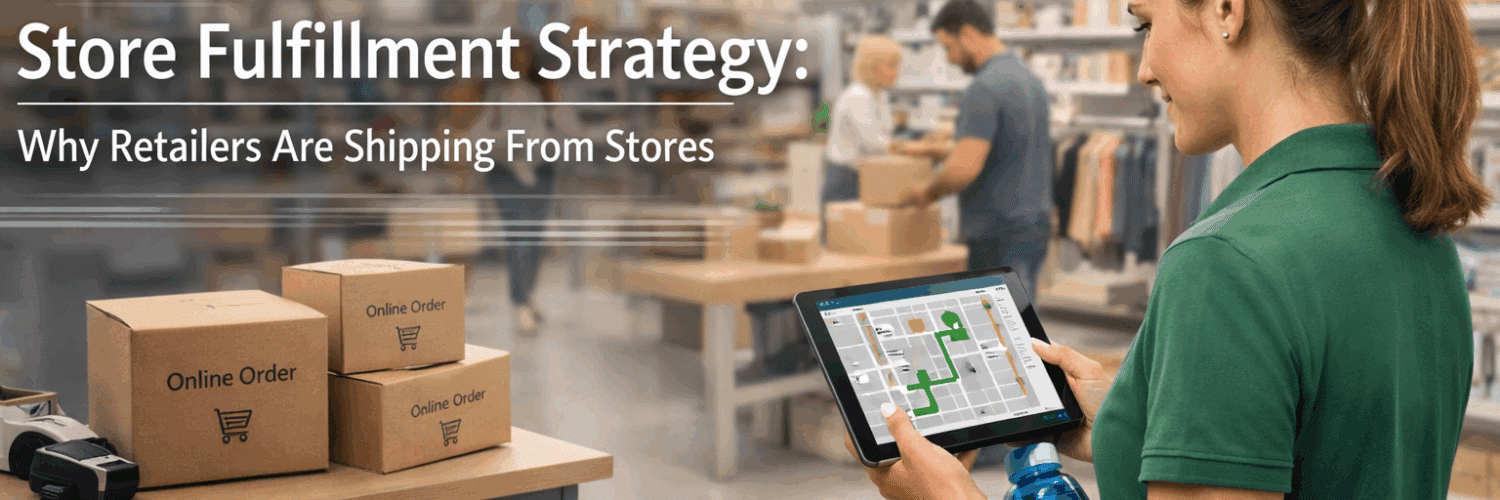
Retailers spent years pouring money into large distribution centers. Bigger buildings. More automation. Longer delivery routes.
Then something obvious happened.
The stores were already there.
A modern store fulfillment strategy flips the model. Instead of routing every online order through a warehouse, retailers ship directly from nearby stores. The payoff is speed, cost savings, and better use of existing assets.
That shift is no longer theoretical. It is operational reality for the largest retailers in the country.
Why Store Fulfillment Makes Financial Sense
Shipping from stores removes layers of cost that warehouses create.
No new real estate.
No added regional leases.
Shorter shipping distances.
When inventory already sits closer to the customer, delivery becomes cheaper and faster by default. Retailers reduce last-mile expense while meeting customer expectations shaped by same-day and next-day delivery.
This is why store fulfillment strategy has moved from pilot programs into daily operations.
How Leading Retailers Are Executing Store Fulfillment
The strongest examples come from retailers with dense store networks.
Dick’s Sporting Goods now ships 80% of online orders from stores, up from 70% just a few years ago. Stores act as local fulfillment engines, not just selling floors.
Target takes it further. Nearly all digital orders are fulfilled by stores, according to the company’s own disclosures. Walmart fulfills more than half of online orders from stores, leaning into proximity as a competitive advantage.
The pattern is clear. Scale matters. But execution matters more.
Omnichannel Works Only When Operations Keep Up
Omnichannel often sounds clean on a slide.
In practice, it lives or dies in the store.
When online demand spikes, stores inherit those promises. Associates pick orders. They pack boxes. They ship on deadlines set by ecommerce teams miles away.
This is where many strategies break.
If staffing is light, picking slows down.
If labor schedules miss demand, orders slip.
If inventory data lags, cancellations rise.
A store fulfillment strategy forces tight coordination between ecommerce, operations, and labor planning. Without it, the experience falls apart fast.
The Store Is Not a Warehouse — And That’s the Risk
There is a real tension inside stores.
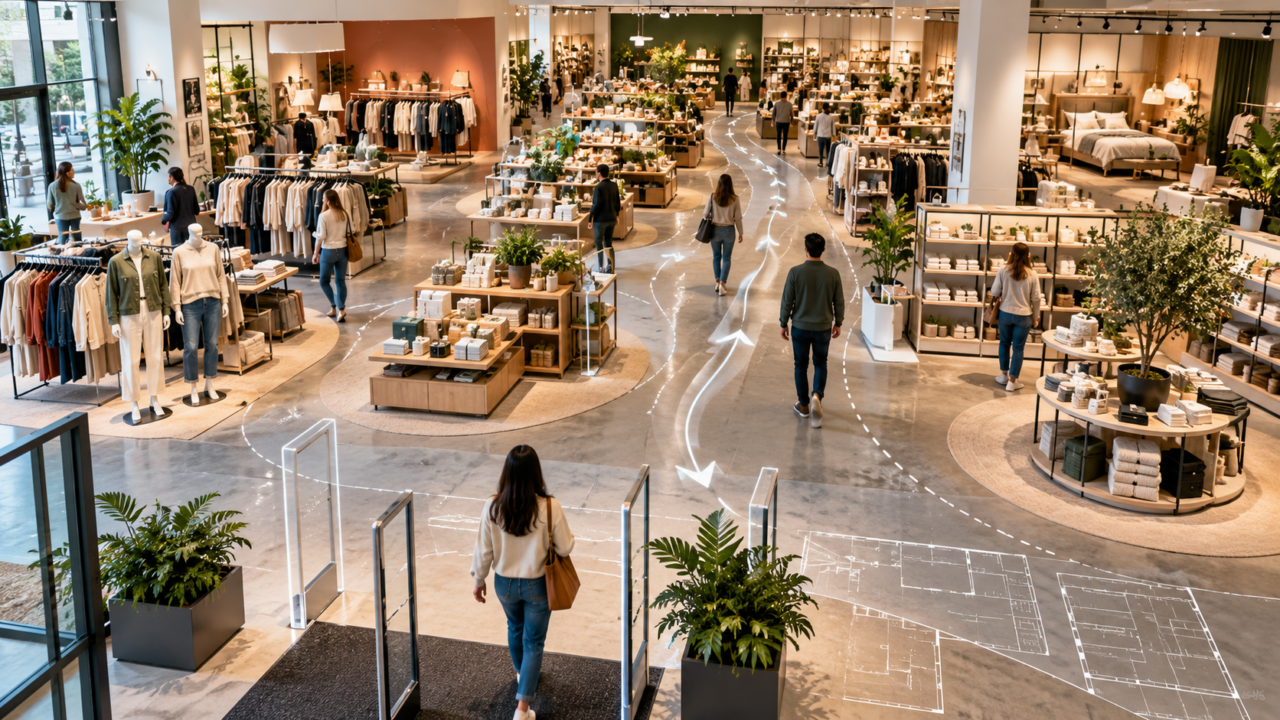
Customers browse aisles while associates pick orders. Shelves serve shoppers and shipping boxes at the same time. Too much friction, and the store starts to feel like a backroom with customers in the way.
Retailers that succeed here design around the conflict.
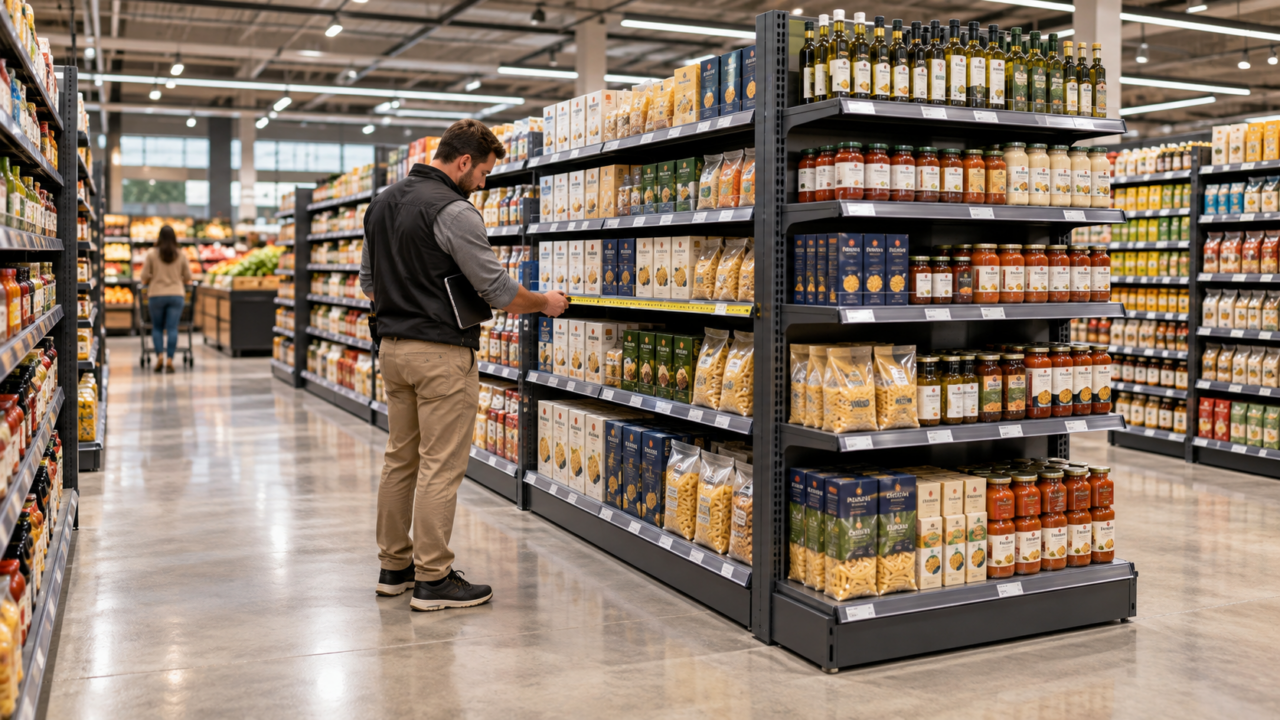
At Dick’s, associates follow mapped picking routes that limit disruption. Technology guides them through efficient paths instead of wandering aisles. The goal is simple. Fulfill orders without turning the floor into chaos.
Store fulfillment works best when shoppers never notice it happening.
Labor Is the Hidden Variable
Shipping from stores does not reduce labor pressure. It changes it.
Associates now handle selling, service, and fulfillment. Each role competes for time. Miss the balance, and both sales and delivery suffer.
That’s why store fulfillment strategy demands better labor forecasting, role clarity, and execution visibility. Leaders need to know:
-
Which stores are overloaded
-
Where fulfillment tasks slow sales
-
When staffing models need adjustment
This is not guesswork. It is measurable. But only if retailers can actually see what is happening on the floor.
Why Visibility Determines Success
Most fulfillment failures are not strategic. They are operational.
Orders picked late.
Routes inefficient.
Labor misaligned with volume.
Without real-time visibility into store execution, leaders react too late. By the time reports arrive, the customer experience already took the hit.
The retailers winning with store fulfillment strategy treat stores as live operational systems, not static boxes. They connect data, labor, and execution in real time so problems surface early.
That is the difference between a store that ships orders and a store that fulfills them well.
Store Fulfillment Is Now Table Stakes
This is no longer a competitive edge. It is an expectation.
Customers assume speed.
Retailers assume margin pressure.
Stores assume more responsibility.
The only open question is how well each retailer executes.
Store fulfillment strategy rewards discipline. It exposes weak labor planning. It punishes poor visibility. And it favors retailers who treat execution as seriously as strategy.
The stores were always the advantage.
Now they are the test.
Read the complete guide: E-commerce & Omnichannel Retail →
Frequently Asked Questions
What is store fulfillment?
Store fulfillment uses nearby retail stores to pick, pack and ship online orders instead of routing every order through a warehouse. It puts existing store inventory closer to the customer, which shortens delivery routes and can lower last-mile expense and delivery time. The trade-off is that stores take on real operational responsibility.
Why does shipping from stores reduce fulfillment costs?
Inventory is already close to the customer, so shipping distances shorten and some warehouse handling disappears. The model also avoids new real estate and additional regional leases. Faster and cheaper delivery is a likely effect of that proximity rather than a guaranteed outcome in every network, and it depends on execution.
Which retailers ship from stores at scale?
Dick’s Sporting Goods ships 80% of online orders from stores, up from 70% a few years earlier. Nearly all of Target’s digital orders are fulfilled by stores, and Walmart fulfils more than half of its online orders the same way. Each relies on a dense store network and disciplined execution.
What goes wrong when stores fulfill online orders?
Picking competes with serving shoppers. Light staffing or schedules that miss demand slow order picking and delay shipments, while lagging inventory data increases cancellations. Because fulfilment tasks pull associates away from selling and service, a poor balance damages both store sales and delivery performance at the same time.
How do retailers improve store fulfillment execution?
Coordinate ecommerce, operations and labour planning together rather than separately. Mapped picking routes limit disruption to shoppers, better labour forecasting matches staffing to demand, and clear roles prevent tasks falling between teams. Leaders need visibility to spot overloaded stores and recognise when a staffing model needs changing before delayed reports reveal it.
T-ROC Editorial Team
The T-ROC editorial team brings 20+ years of retail industry expertise across brand ambassador programs, mystery shopping, retail merchandising, and managed technology solutions. Learn more about T-ROC.