


Retail Field Teams: The Complete Guide to In-Store Sales Execution (2026)
\n\n
A product that isn’t demonstrated doesn’t get sold. A display that isn’t stocked doesn’t convert. An associate who can’t answer a customer’s question sends that customer to a competitor’s website before they leave the aisle.
\n\n
This is the core problem retail field teams exist to solve. And in 2026, with omnichannel complexity at an all-time high and shelf space more competitive than ever, the brands that win are deploying trained, technology-backed field sales representatives directly inside retail locations — at scale.
\n\n
This guide covers everything a brand, retailer, or operations leader needs to know about retail field teams: what they are, how to build or outsource one, how technology has transformed field execution, and how to measure results with the KPIs that actually matter.
\n\n
T-ROC deploys thousands of retail field reps across major US retailers for Fortune 100 brands. Everything in this guide reflects what we have learned running field programs at scale — including the mistakes brands make before they call us.
\n\n
\n\n
1. What Are Retail Field Teams?
\n\n
Retail field teams are organized groups of sales representatives, brand ambassadors, merchandisers, and field managers who work inside brick-and-mortar retail locations on behalf of a brand or manufacturer — not as store employees, but as dedicated advocates for a specific product line or category.
\n\n
The term covers several distinct roles depending on the program design:
\n\n
- \n
- Retail sales representatives (RSRs): Customer-facing reps who engage shoppers at point of sale, demonstrate products, answer questions, and close the in-store sale.
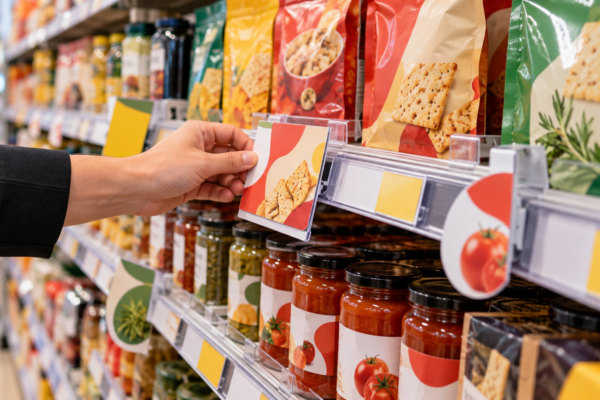
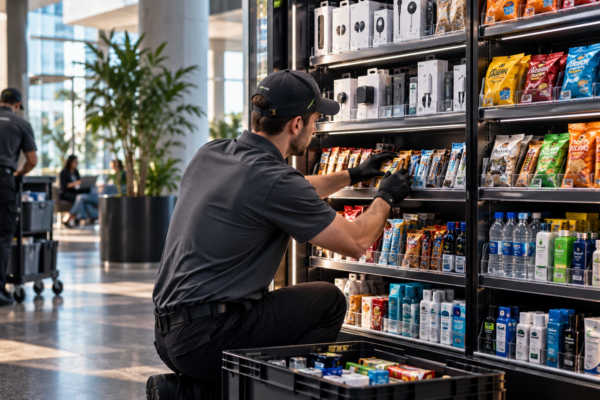
- Retail merchandisers: Reps focused on physical execution — planogram compliance, shelf stocking, display setup, and inventory accuracy.
- Brand ambassadors: High-engagement reps who combine product education with customer experience, often at launch events, endcaps, or demo stations.
- Field managers / district managers: Mid-level supervisors who oversee a territory of store-level reps, ensure program compliance, and report upward to brand leadership.
- Retail auditors: Reps focused on compliance visits — checking pricing accuracy, promotional execution, and competitor activity without active customer engagement.
\n
\n
\n
\n
\n
\n\n
A full retail field sales team typically combines several of these roles, organized by retail channel, geography, or product category. The program may be run entirely in-house, partially outsourced, or fully managed by a third-party field sales organization like T-ROC.
\n\n
Field Teams vs. Store Associates
\n\n
It is worth drawing a clear line here. Store associates are hired and managed by the retailer. They carry multiple responsibilities across many brands and product categories. A field rep is hired by or on behalf of a specific brand. Their single job is to make that brand win at the shelf. The motivational and training alignment is completely different — and that difference shows up directly in conversion rates.
\n\n
\n\n
2. Why In-Store Field Execution Still Drives Revenue in 2026
\n\n
E-commerce accounts for roughly 22% of global retail sales. That number gets a lot of attention. The number that gets less attention: 78% of retail purchases still happen in physical stores.
\n\n
More specifically, research from POPAI (the global association for marketing at retail) has consistently shown that the majority of purchase decisions for many categories — consumer electronics, health and beauty, home improvement, and others — are made or significantly influenced at the point of sale. A knowledgeable rep standing next to the product does not just help. It closes deals that would otherwise walk out undecided.
\n\n
Several structural trends have reinforced the value of field teams heading into 2026:
\n\n
Retailer Labor Shortages Haven’t Resolved
\n\n
Major US retailers including Best Buy, Walmart, and Target have all made well-publicized reductions in floor associate headcount over the past several years. Self-checkout, inventory automation, and cost pressure have reduced the number of knowledgeable humans available on the floor. For brands selling complex or considered purchases — anything requiring explanation — this creates a vacuum that a dedicated field rep fills directly.
\n\n
Product Complexity Is Increasing
\n\n
Consumer electronics, smart home devices, connected fitness equipment, and health tech products have all become significantly more complex. A shopper comparing two wireless earbuds at $200 and $350 needs to understand noise cancellation profiles, codec support, and firmware update history. A store associate managing 40 product categories cannot hold that knowledge. A dedicated field rep can — and must.
\n\n
The Shelf Is a Battlefield
\n\n
Brands are not just competing for the customer. They are competing for the shelf, the endcap, the demo station, and the associate recommendation. Retail is a battlefield, and field teams are the boots on the ground that determine who wins that space — week after week, store by store.
\n\n
A brand without field representation in its top-volume doors is, functionally, ceding that ground to competitors who do have reps present.
\n\n
\n\n
3. AI Shopping Assistants vs. Human Sales Teams: The Real Answer
\n\n
The question comes up in nearly every conversation with a brand operations leader in 2025 and 2026: “With AI getting this good, do we still need human field reps?”
\n\n
The short answer: yes, and the data supports it. The longer answer requires separating what AI is genuinely good at from what it cannot replicate in a physical retail environment.
\n\n
AI shopping assistants — whether deployed via in-store kiosks, mobile apps, or QR-triggered chat interfaces — are effective for:
\n\n
- \n
- Answering spec-level product comparison questions at scale
- Surfacing online reviews and compatibility information
- Providing 24/7 availability without labor cost
- Capturing shopper data and intent signals
\n
\n
\n
\n
\n\n
They are consistently weak at:
\n\n
- \n
- Reading non-verbal hesitation and adjusting the conversation in real time
- Creating genuine emotional connection with a brand or product
- Handling objections that require trust and warmth to resolve
- Influencing undecided shoppers who weren’t already seeking information
- Driving attachment sales, trade-ups, and accessories — which represent outsized margin for most brands
\n
\n
\n
\n
\n
\n\n
T-ROC’s position, backed by in-field conversion data from programs running in thousands of retail doors, is that AI and human reps are not alternatives — they are a stack. AI handles information retrieval and pre-decision research. Trained human reps handle the closing conversation, the objection, and the walk to the register.
\n\n
For a detailed breakdown of where each performs, see T-ROC’s analysis: AI shopping assistants vs. human sales teams — who drives more sales.
\n\n
\n\n
4. Building vs. Outsourcing Your Retail Field Team
\n\n
This is the most consequential decision most brand operations teams make in the field execution space. Both models can work. The question is which one works for a given brand’s situation — specifically its stage, its retail footprint, and its internal capabilities.
\n\n
The In-House Model
\n\n
Building a retail field sales team internally means hiring, training, managing, and paying every rep as a direct employee or W-2 contractor. The brand owns the recruiting pipeline, the training program, the scheduling system, the HR infrastructure, and the performance management process.
\n\n
Advantages:
\n
- \n
- Full control over culture, messaging, and brand standards
- Reps build long-tenure relationships with store managers
- No markup paid to a third party on labor costs
\n
\n
\n
\n\n
Disadvantages:
\n
- \n
- Recruiting and onboarding takes 3–6 months to operationalize at scale
- Turnover in retail-adjacent roles runs 40–60% annually — replacement costs are constant
- Field management layers add significant fixed overhead
- Scaling up for seasonal programs or product launches requires a parallel HR surge
- Technology for field tracking, reporting, and compliance must be built or licensed separately
\n
\n
\n
\n
\n
\n\n
The Outsourced Model
\n\n
An outsourced retail field team is delivered by a third-party provider — a firm that already has the recruiting infrastructure, training frameworks, retail relationships, and field management technology in place. The brand pays a program fee, defines the objectives, and receives reporting against those objectives.
\n\n
Advantages:
\n
- \n
- Launch speed: programs can be operational in 4–8 weeks instead of 4–6 months
- Built-in scale: providers can add or reduce headcount by region or season without fixed cost exposure to the brand
- Turnover is the provider’s operational problem, not the brand’s
- Technology, management layers, and compliance reporting are included in the program structure
\n
\n
\n
\n
\n\n
Disadvantages:
\n
- \n
- Less direct control over individual rep selection and day-to-day management
- Provider alignment with brand values requires strong onboarding and ongoing communication
- Program fee includes provider margin
\n
\n
\n
\n\n
For most brands operating in 100+ retail doors across multiple markets, the outsourced model delivers a significantly lower total cost of ownership when turnover, management overhead, and technology costs are properly modeled. T-ROC has published a detailed cost model: outsourced vs. internal sales team cost breakdown.
\n\n
Hybrid Models
\n\n
Some brands operate a core of high-priority, company-employed reps in their top 50 doors while outsourcing coverage in secondary and tertiary markets. This approach captures relationship depth where it matters most while using a provider’s scale to maintain broad coverage without proportional headcount growth. It is increasingly common among brands in the $500M–$5B revenue range.
\n\n
\n\n
5. Field Sales Rep Training: The Difference Between Average and Elite
\n\n
A retail field rep who knows the product spec sheet and a retail field rep who can close a $400 purchase against a $250 competitor are not the same person. The gap between them is training — and most brands significantly underinvest here.
\n\n
The common failure modes in retail sales training have been well-documented: 5 common problems with retail sales training and how to fix them. The biggest ones are front-loading product knowledge at the expense of sales skills, doing onboarding training once and never reinforcing it, and failing to adapt training content when the competitive landscape changes.
\n\n
What Elite Field Rep Training Looks Like
\n\n
1. Product mastery tied to customer outcomes, not spec sheets. A rep who can recite 47 features has not been trained. A rep who can lead a customer from “I’m just looking” to “this solves the exact problem I have” in under three minutes has been trained. The difference is learning to translate specifications into lived customer benefits — and practicing that translation until it is conversational, not recited.
\n\n
2. Objection handling that is specific to the retail environment. Common objections in physical retail — “I want to check Amazon,” “I’ll think about it,” “what happens if it breaks?” — have high-probability responses that can be learned, internalized, and deployed. Training that doesn’t cover these explicitly is incomplete.
\n\n
3. Competitor knowledge that is current. Reps deployed against a category should know the top three competing SKUs, their price points, their primary selling arguments, and their weaknesses. This information changes. Training must refresh it.
\n\n
4. Microlearning cadence, not one-time onboarding. Short, frequent reinforcement modules — delivered via mobile, tied to actual field scenarios — outperform multi-day initial training on every retention metric. Elite field programs structure training as an ongoing cadence, not a one-time event.
\n\n
5. Data-informed coaching. When field managers have access to rep-level performance data — conversion rates by door, attach rate by SKU, average transaction value — they can coach to specific gaps rather than delivering generic feedback. This requires field technology, which is covered in the next section.
\n\n
\n\n
6. Field Operations Technology: How Data Transforms Execution
\n\n
Running a retail field team without real-time data is managing by assumption. Assumptions about which stores are being covered. Assumptions about which reps are performing. Assumptions about whether the promotional display was actually set up. Assumptions have a cost — and in field operations, that cost compounds daily across hundreds of doors.
\n\n
The technology layer in a modern field program handles several distinct functions:
\n\n
Scheduling and Deployment Management
\n\n
Which rep covers which store on which day, with route optimization, visit confirmation, and schedule adherence reporting. At scale, this is not manageable without software. Manual scheduling across 500+ doors in multiple markets produces coverage gaps, travel inefficiencies, and hours of administrative overhead per week per manager.
\n\n
In-Store Activity Capture
\n\n
What did the rep do during the visit? Modern field platforms allow reps to log customer interactions, record demos delivered, capture shelf photos for planogram compliance, note competitive activity, and flag store-level issues — all from a mobile device during the visit. This data feeds upward in near real time.
\n\n
Performance Dashboards
\n\n
Aggregated rep and program performance data — conversion rates, demo counts, sell-through by SKU, store compliance scores — delivered in dashboards accessible to brand managers and field directors. The ability to identify a failing region or underperforming store before the end of the week, rather than after the monthly report, is the difference between corrective action and permanent underperformance.
\n\n
T-ROC’s Retail360 Platform
\n\n
T-ROC’s proprietary Retail360 platform connects every layer of field program management: rep scheduling, activity logging, performance analytics, and brand-facing reporting. Field reps use Retail360 on mobile during every store visit. Brand managers see program-level and store-level data in real time. Field managers use it to identify coaching opportunities and coverage gaps before they affect results.
\n\n
This technology infrastructure is included in T-ROC’s field program model — brands do not need to source, license, or integrate separate field operations software. For brands evaluating standalone software options, T-ROC has also published resources on field operations software and retail field rep technology to help frame the evaluation.
\n\n
\n\n
7. Retail Field Teams by Channel
\n\n
The strategic priorities, rep profiles, and execution requirements for a field program vary significantly by retail channel. A program that works in big-box consumer electronics does not automatically translate to specialty or grocery. Here is how channel-specific dynamics shape field team design.
\n\n
Big-Box Retail (Best Buy, Walmart, Target)
\n\n
Big-box is where T-ROC operates many of its largest programs. Volume is high, SKU counts are complex, and store associates are stretched thin. Field reps in big-box environments are typically focused on direct customer conversion, demo delivery at dedicated stations or endcaps, and maintaining merchandising standards across high-traffic floor sets. Retailer compliance requirements — specific to each chain — are strict and must be built into training and scheduling.
\n\n
Specialty Retail (REI, Guitar Center, Ulta, Sephora)
\n\n
Specialty retail customers arrive with more category knowledge and higher purchase intent. The rep role shifts toward depth — providing expert-level guidance that complements the customer’s existing research. Field reps in specialty channels often carry a more consultative profile and may need category certification or specialized credentials in addition to brand product training.
\n\n
Grocery and Drug (Kroger, Albertsons, CVS, Walgreens)
\n\n
In grocery and drug, the field program emphasis shifts heavily toward merchandising execution and promotional compliance. Shelf resets, seasonal displays, in-and-out item management, and planogram compliance are the core work. Customer interaction is lower-frequency but high-value when it occurs — particularly for health, beauty, and personal care categories where a single knowledgeable interaction can establish long-term brand preference.
\n\n
Club Stores (Costco, Sam’s Club, BJ’s)
\n\n
Club stores present a unique program design challenge. Traffic is high, but the channel relies heavily on demo-driven sampling programs and road show events to drive trial. Field programs in club are event-centric, requiring reps with strong demo skills, high energy, and the ability to move a large volume of product through direct customer conversion in a compressed time window. Scheduling, product logistics, and event compliance are central program management concerns.
\n\n
\n\n
8. Field Marketing Agencies: A Specialized Subset of Field Teams
\n\n
Field marketing agencies operate in the same physical retail space as traditional field sales teams but with a different primary objective. Where a field sales team is optimized for conversion — closing the in-store sale — a field marketing agency is typically focused on brand experience, trial generation, product sampling, event activation, and awareness at point of purchase.
\n\n
The distinction matters for program design. A field marketing program might deploy brand ambassadors to drive product sampling and first-purchase trial during a new SKU launch, with the expectation that conversion will follow over subsequent weeks. A field sales program is optimized to drive the conversion during each visit.
\n\n
Many mature brand field programs combine both functions — using marketing-oriented activations to drive awareness and trial while maintaining a steady-state sales team presence to convert the traffic those activations generate. For a detailed overview of the field marketing agency model, see T-ROC’s guide: what is a field marketing agency.
\n\n
T-ROC operates field marketing programs alongside field sales programs, which enables brands to run both functions under unified management and shared data infrastructure rather than coordinating two separate vendors.
\n\n
\n\n
9. Measuring Field Team Performance: The KPIs That Matter
\n\n
Most brands track too few metrics or track the wrong ones. Activity metrics — visits completed, hours logged, demos delivered — are necessary but insufficient. They measure inputs. Brand leadership needs output metrics: the measures that connect field activity directly to revenue and brand health.
\n\n
Conversion Rate by Store and Rep
\n\n
Of shoppers who had a conversation with a field rep, what percentage completed a purchase? This is the most direct measure of field sales effectiveness. It should be tracked at the rep level and the store level, and it should be segmented by SKU category to identify where training or competitive pressure is creating gaps.
\n\n
Sell-Through Velocity
\n\n
What is the weekly or monthly sell-through rate for the brand’s SKUs in covered stores vs. uncovered stores? This comparison — covered vs. uncovered — is the clearest proof-of-program ROI available to brand management. If field coverage is not producing a measurable lift in sell-through, the program design or training has a problem that needs to be diagnosed.
\n\n
Attach Rate
\n\n
For brands with accessory or service attach opportunities — extended warranties, accessories, installation, subscription services — attach rate per primary SKU sale is a critical margin metric. Elite field reps dramatically outperform store associates on attach rate because they are specifically trained and incentivized to drive it.
\n\n
Planogram and Promotional Compliance Score
\n\n
What percentage of covered stores have the brand’s products stocked, priced, and displayed per the planogram and current promotional specifications? Compliance is tracked via photo capture in the field platform and scored against a defined standard. Chronic non-compliance at specific store locations signals a relationship or execution problem that field management can address directly.
\n\n
Average Transaction Value (ATV)
\n\n
Are customers buying the premium SKU or the entry-level SKU? ATV directly reflects whether reps are effectively communicating value differentiation. A program where ATV is flat or declining is a program where reps are defaulting to price rather than value — a training and incentive alignment issue.
\n\n
Customer Engagement Quality Score
\n\n
Beyond raw conversion, how is the brand performing on post-purchase satisfaction and repeat purchase intent in covered markets? T-ROC integrates customer engagement program metrics into field program reporting to give brands a view of both the transaction and the downstream customer experience it creates.
\n\n
Cost Per Sale
\n\n
Total field program cost divided by attributed incremental sales. This is the metric brand finance teams care about most, and it is the metric that validates or challenges the field program investment. Calculating it correctly requires clear attribution methodology — defining what portion of sales in covered doors are incremental to the program rather than sales that would have occurred without field coverage.
\n\n
\n\n
10. Frequently Asked Questions
\n\n
How many retail field reps do I need for my program?
\n\n
Coverage requirements depend on three variables: the number of doors in scope, the desired visit frequency per door, and the travel geography of each territory. A standard calculation starts with total visit hours required per week (doors × hours per visit × frequency), divided by available rep hours per week after travel. Most programs targeting weekly full-coverage visits in a major metro market require one rep per 8–12 stores, depending on geographic density.
\n\n
What is a typical retail field rep salary or cost?
\n\n
In-house W-2 retail field sales representatives in the US typically earn $45,000–$65,000 base salary plus variable compensation and benefits, with total fully-loaded cost per rep often reaching $70,000–$90,000 annually when employer taxes, benefits, equipment, and management overhead are included. Outsourced program costs vary by scope and are typically structured as a per-rep or per-store-visit program fee that includes management layers and technology.
\n\n
How long does it take to launch an outsourced field team program?
\n\n
A well-resourced outsourced field program — like those T-ROC operates — can typically be operationalized in 4–8 weeks from contract execution to first reps in stores. This timeline covers recruiting, product training, retail compliance onboarding, technology setup, and territory assignment. Programs requiring extensive custom technology integrations or very large headcounts may require 10–12 weeks for full deployment.
\n\n
Can field reps cover multiple retail chains simultaneously?
\n\n
Yes, and many programs are structured this way. A rep covering a territory might visit a Best Buy, a Walmart, and a Target all within the same week. Multi-chain rep deployment is common in regional programs and typically requires chain-specific compliance training since retailer requirements differ. The field management platform handles scheduling logic across chains in a unified rep schedule.
\n\n
How do you handle field rep turnover in a large program?
\n\n
Turnover is the primary operational challenge in field sales programs. The strategies that reduce its impact are: rapid onboarding pipelines that can replace departing reps in under two weeks; territory design that allows adjacent reps to absorb coverage gaps temporarily; and technology-enabled performance visibility that identifies at-risk reps before they resign. In outsourced programs, the provider absorbs the recruiting and replacement burden — it is one of the primary reasons brands outsource.
\n\n
What retail channels does T-ROC cover?
\n\n
T-ROC operates field programs in big-box consumer electronics, mass merchant, specialty retail, club stores, and telecom carrier locations. Programs span thousands of retail doors nationally across brands in consumer electronics, connected home, telecommunications, health technology, and related categories.
\n\n
How is field team ROI calculated?
\n\n
The most defensible ROI calculation compares sell-through velocity in T-ROC-covered stores against matched uncovered stores, controlling for market and seasonal variables. Incremental sales attributable to field coverage, multiplied by margin contribution, divided by total program cost yields a return multiple. Most T-ROC programs deliver a positive ROI within the first 60–90 days of full deployment.
\n\n
\n\n
Ready to Deploy a Retail Field Team That Actually Performs?
\n\n
The brands winning at retail in 2026 are not the brands with the largest marketing budgets. They are the brands with the best-trained, best-equipped people standing next to their products — backed by real-time data that lets them optimize execution week over week, door by door.
\n\n
T-ROC has built and operated field programs for some of the largest consumer brands in the world. We deploy thousands of trained retail sales representatives across every major US retail chain, track performance through our proprietary Retail360 platform, and deliver the sell-through results that show up in quarterly financials — not just program activity reports.
\n\n
If you are evaluating your field execution strategy — whether you are building from scratch, replacing an underperforming program, or scaling an existing team — T-ROC is the partner that has done it before, at your scale, in your channels.
\n\n
Talk to a T-ROC field strategy advisor and get a no-obligation assessment of what a field team program would cost and deliver for your brand.
\n\n