



Luxury retail is no longer defined by price tags alone. The most successful brands today are redefining value through experience, storytelling, and emotional connection.
This shift is not subtle—it’s structural. For modern luxury consumers, value is not just what they pay. It’s what they feel.
What Is a Luxury Retail Value Strategy?
A luxury retail value strategy focuses on delivering perceived value beyond pricing by combining product quality, brand storytelling, and customer experience.
Instead of competing on discounts or promotions, luxury brands compete on meaning.
This includes:
- Emotional engagement
- Immersive environments
- Personalized experiences
- Strong brand narratives
The result is a deeper connection that drives loyalty—even in uncertain economic conditions.
Why Value in Luxury Retail Goes Beyond Price
Executives from Ralph Lauren and Tapestry highlight a simple truth: luxury is not about cost—it’s about perception.
Consumers are not just buying products. They are buying:
- Identity
- Status
- Experience
- Story
This explains why luxury customers often remain resilient during economic pressure. The perceived value outweighs the financial cost.
The Role of Experience in Luxury Retail
Immersive Store Environments
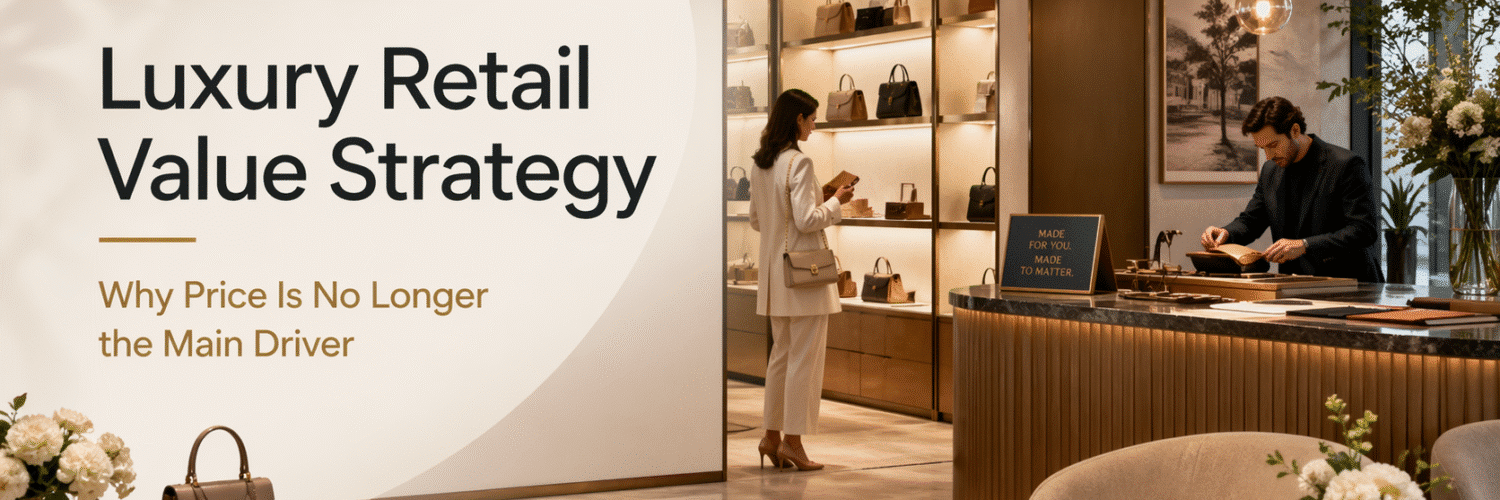
Luxury stores are evolving into destinations, not just points of sale.
From curated layouts to sensory design, every detail reinforces brand identity. The goal is simple: make customers feel like they are stepping into a world—not a store.
Experiential Extensions
Brands are expanding beyond traditional retail formats.
Examples include:
- Branded cafés
- Lifestyle spaces
- Interactive installations
These experiences extend the brand into everyday life, strengthening emotional ties and increasing time spent with the brand.
Eliminating Friction
Even small operational details impact perception.
Long wait times, stock issues, or inconsistent service can break the illusion of luxury. Execution matters as much as strategy.
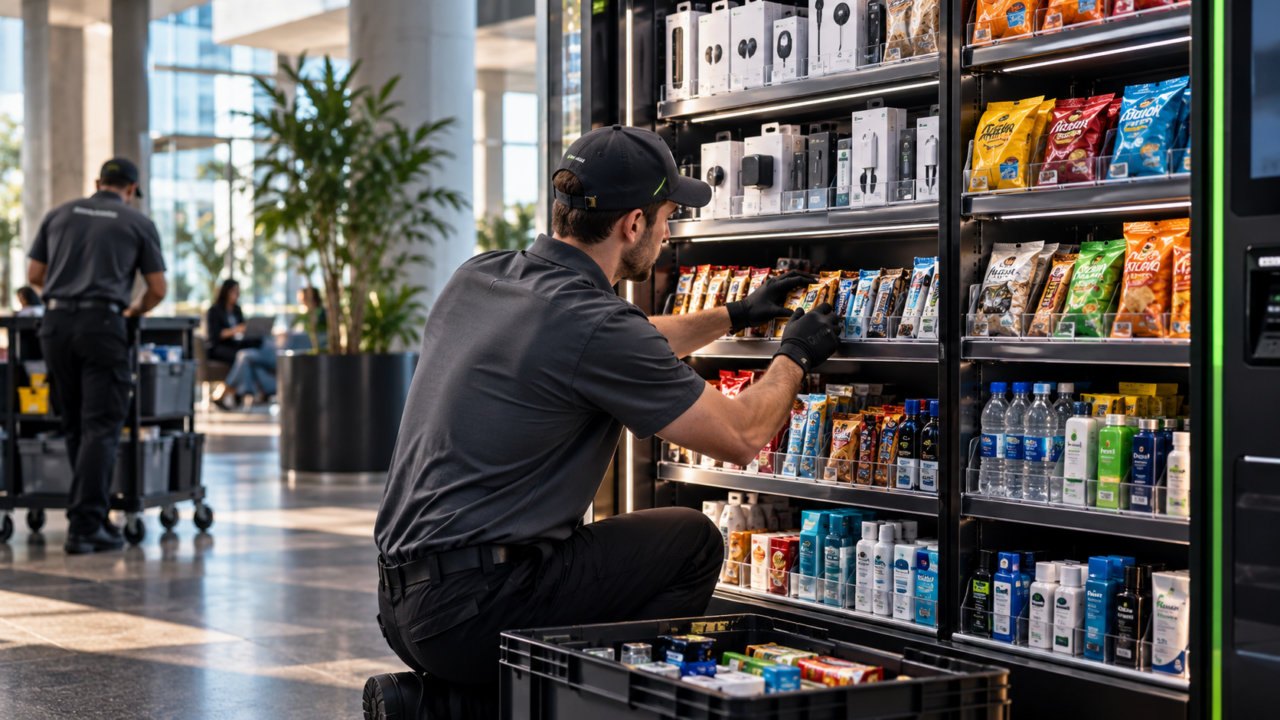
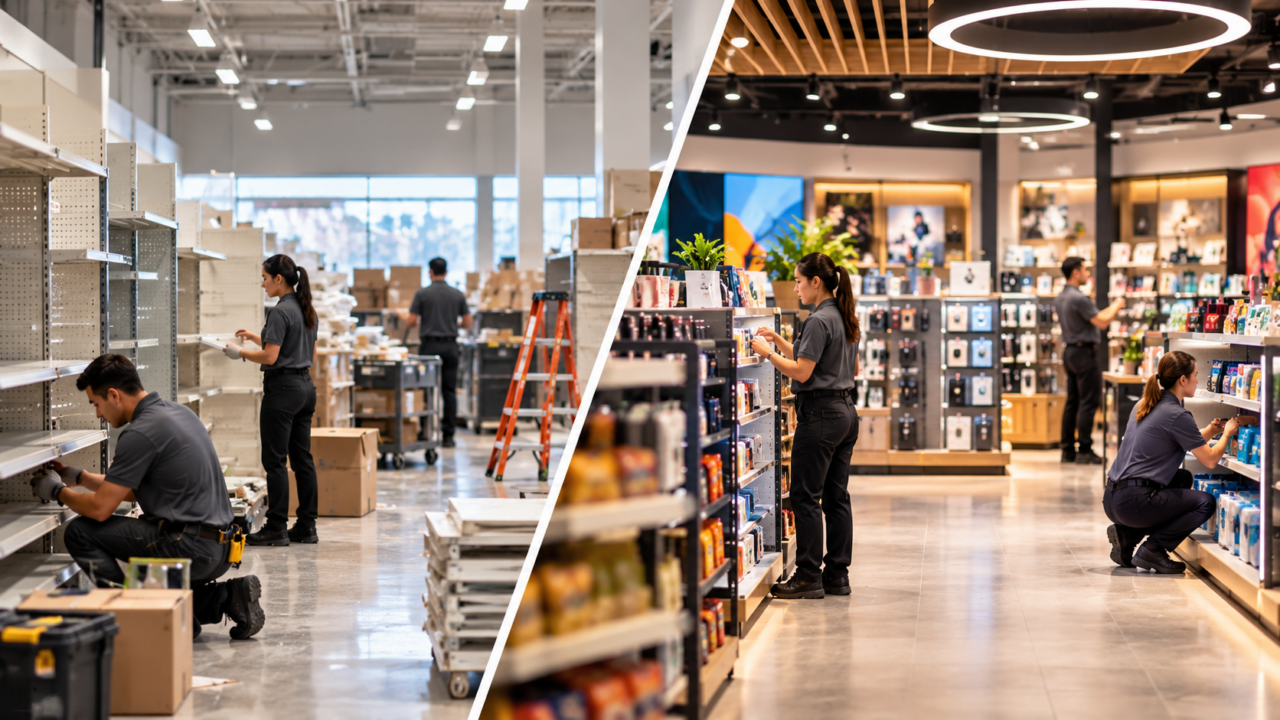
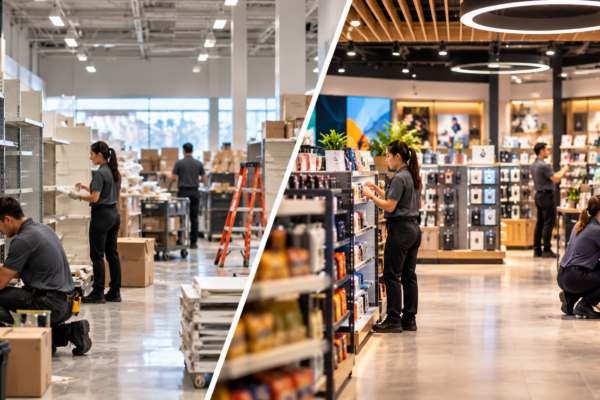
This is where strong in-store execution becomes critical. Ensuring shelves are stocked, displays are accurate, and customer flow is smooth directly impacts perceived value.
Personalization: Turning Products Into Experiences
Modern luxury consumers want more than ownership—they want involvement.
Customization services allow customers to:
- Personalize products
- Participate in creation
- Share experiences socially
This transforms a purchase into a memory.
And memory is what drives long-term brand loyalty.
Storytelling as a Core Value Driver
Luxury brands succeed when they tell compelling stories.
These stories are expressed through:
- Store design
- Marketing campaigns
- Product heritage
- In-store interactions
A strong narrative gives context to price—and justifies it.
Without storytelling, even the highest-quality product becomes commoditized.
Understanding the Modern Luxury Consumer
Today’s luxury shopper is:
- Younger
- More experience-driven
- Digitally connected
- Emotionally motivated
Brands that stay close to their consumers—understanding how they feel, not just what they buy—gain a competitive edge.
Insights from organizations like McKinsey & Company and Deloitte reinforce this shift toward experience-led consumption.
Why Execution Still Matters
A strong strategy fails without execution.
Even the best luxury retail value strategy depends on:
- Accurate inventory
- Consistent merchandising
- Staff performance
- Store-level execution
If a product is unavailable or poorly presented, the perceived value drops immediately.
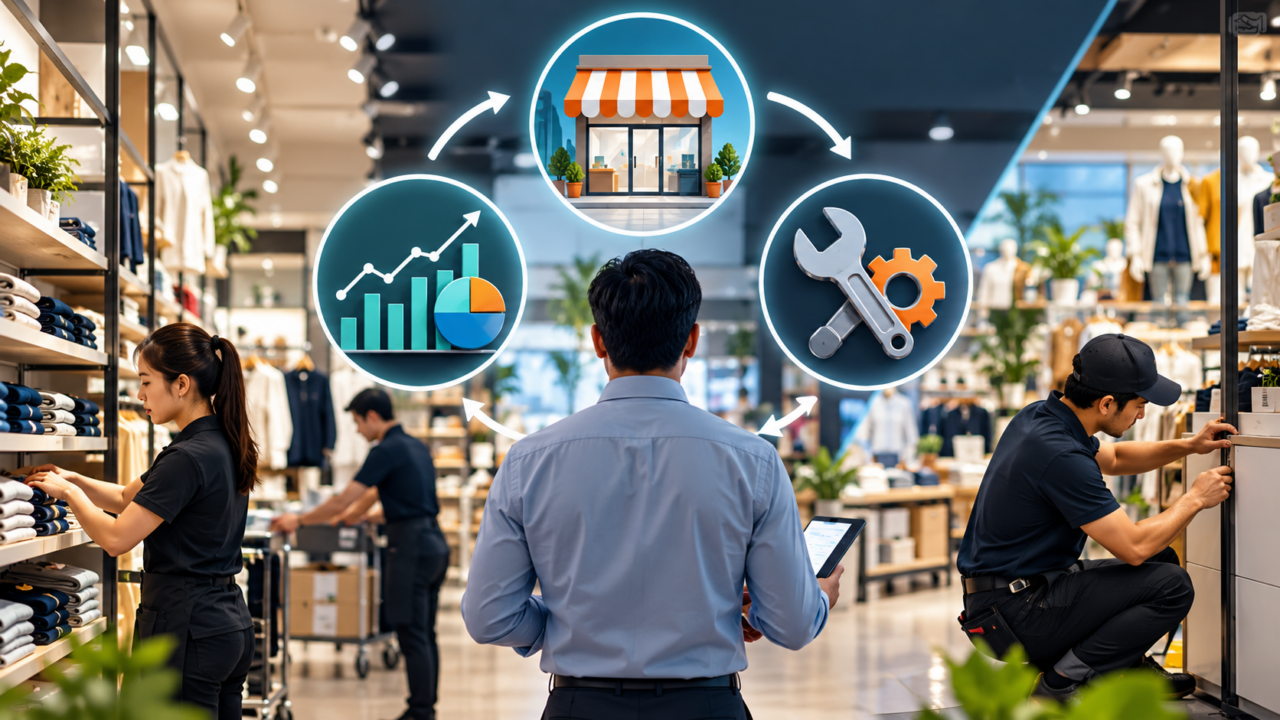
That’s why leading brands invest not only in experience design but also in operational excellence to support it at scale.
The Future of Luxury Retail
As e-commerce and AI continue to grow, physical retail will become even more experiential.
Customers will expect:
- Deeper personalization
- Seamless omnichannel experiences
- High-touch human interaction
- Unique in-store moments
The brands that win will not be the cheapest.
They will be the most memorable.
Key Takeaways
- Value in luxury retail is driven by perception, not price
- Experience and storytelling are critical differentiators
- Personalization increases emotional connection
- Operational execution directly impacts perceived value
- The future of luxury retail is experience-first
Frequently Asked Questions
What defines value in luxury retail?
Value is defined by the combination of product quality, brand storytelling, and customer experience—not just price.
Why is experience important in luxury retail?
Experience creates emotional engagement, which increases loyalty and justifies premium pricing.
How do luxury brands maintain value without lowering prices?
They invest in innovation, personalization, and storytelling to enhance perceived value.