



2026 Retail Trends: Thriving Amidst AI Disruption and Market Shifts
-
 T-ROC Staff
-
 Feb 3, 2026
 -
 3 mins read
The retail landscape in 2026 is no longer about “returning to normal.” It is about mastering a new speed of change. Between the high-profile bankruptcy of luxury giants like Saks Global and the rapid-fire deployment of generative AI, the industry is undergoing a structural renovation.
To stay ahead, brands must look beyond the shelf. Here is how the most influential 2026 retail trends are reshaping the way we sell, hire, and grow.
The Generative AI Revolution: From Hype to ROI
While 2024 and 2025 were years of experimentation, 2026 is the year of integration. Generative AI has moved from simple chatbots to the backbone of operational excellence.
-
Hyper-Personalization: Retailers are using AI to synthesize customer data into “segments of one,” predicting needs before the shopper does.
-
Workforce Optimization: AI isn’t just replacing tasks; it’s augmenting the retail workforce. By automating inventory replenishment and scheduling, staff can focus on high-value human interaction.
-
Supply Chain Agility: In an era of shifting tariffs and trade policies, AI-driven predictive modeling is helping brands pivot sourcing strategies in real-time.
The Department Store Paradox
The start of 2026 saw a tectonic shift with the bankruptcy of Saks Global. This move signals a wider trend: the “middle ground” of retail is disappearing.
Today’s consumers are polarizing their spending. We see a surge in discount and “off-price” shopping as inflation lingers, contrasted with a high demand for ultra-premium, experiential luxury. Department stores that survive are those transforming into “destinations” rather than just distribution points for third-party brands.
Navigating Macro-Economic Headwinds
The “Trump administration tariffs” and global trade adjustments have reintroduced a layer of complexity to pricing strategies. Retailers are currently balancing three major pressures:
-
Input Costs: Rising costs due to import duties.
-
Consumer Sensitivity: A shopper base that is highly attuned to price increases.
-
Labor Scarcity: The ongoing need for skilled talent in an increasingly technical environment.
Successful brands are leaning into operational excellence—using technology to trim the fat from the supply chain to keep consumer prices stable without eroding margins.
The Human Element in a Digital Age
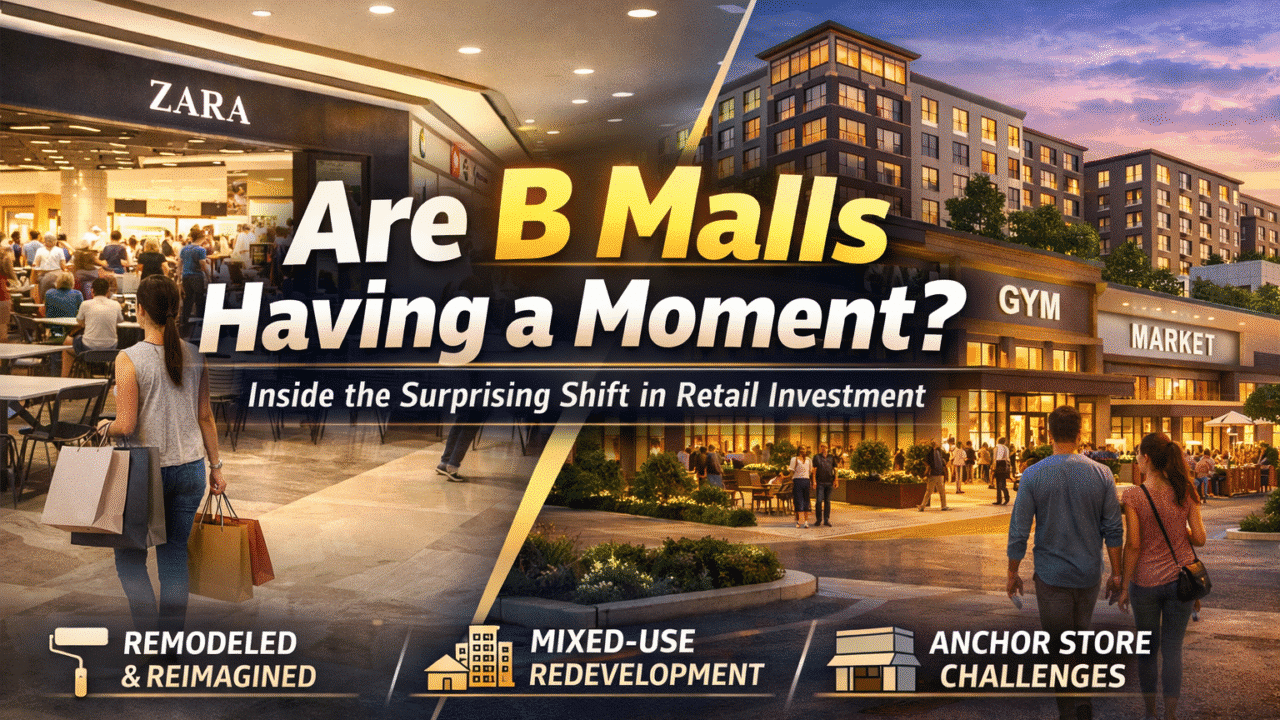
Despite the tech-heavy 2026 retail trends, the physical storefront remains the most powerful tool for brand loyalty. The “Evolution of the Mall” has shifted toward mixed-use spaces where retail, dining, and healthcare intersect.
For T-ROC, the mission is clear: technology should empower the person on the floor, not hide them. Whether it’s through mobile POS systems or AR-enabled floor displays, the goal of 2026 is to make the in-person experience as seamless as a “one-click” checkout.