




Retail Pricing Strategy: Navigating the 2026
-
 T-ROC Staff
-
 Feb 11, 2026
 -
 3 mins read
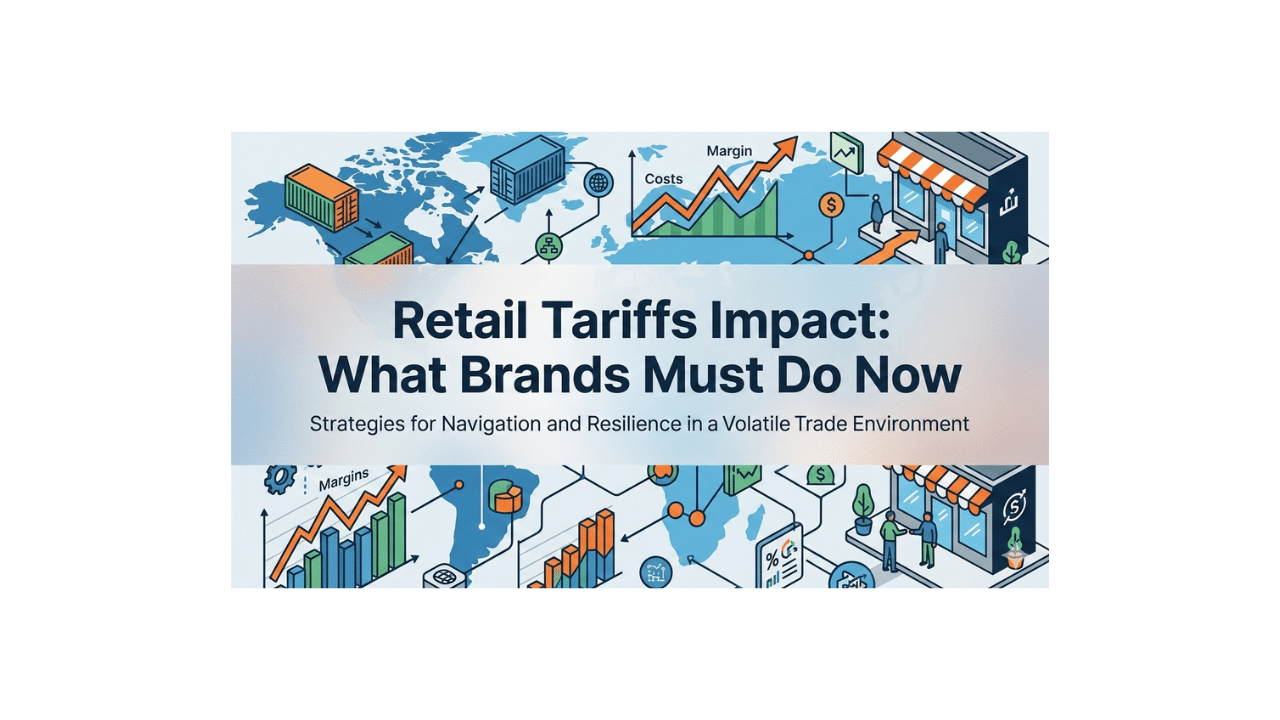
The age-old retail formula of “cost plus markup” is facing its greatest stress test yet. As new trade levies reshape the global supply chain, a successful retail pricing strategy is no longer just about numbers—it is about a delicate dance between margin protection, consumer psychology, and technological agility.
With many industry experts referring to current tariffs as a looming “Christmas tax,” retailers must move beyond reactionary price hikes to find sustainable, data-backed solutions.
The Margin Tightrope: To Pass or to Absorb?
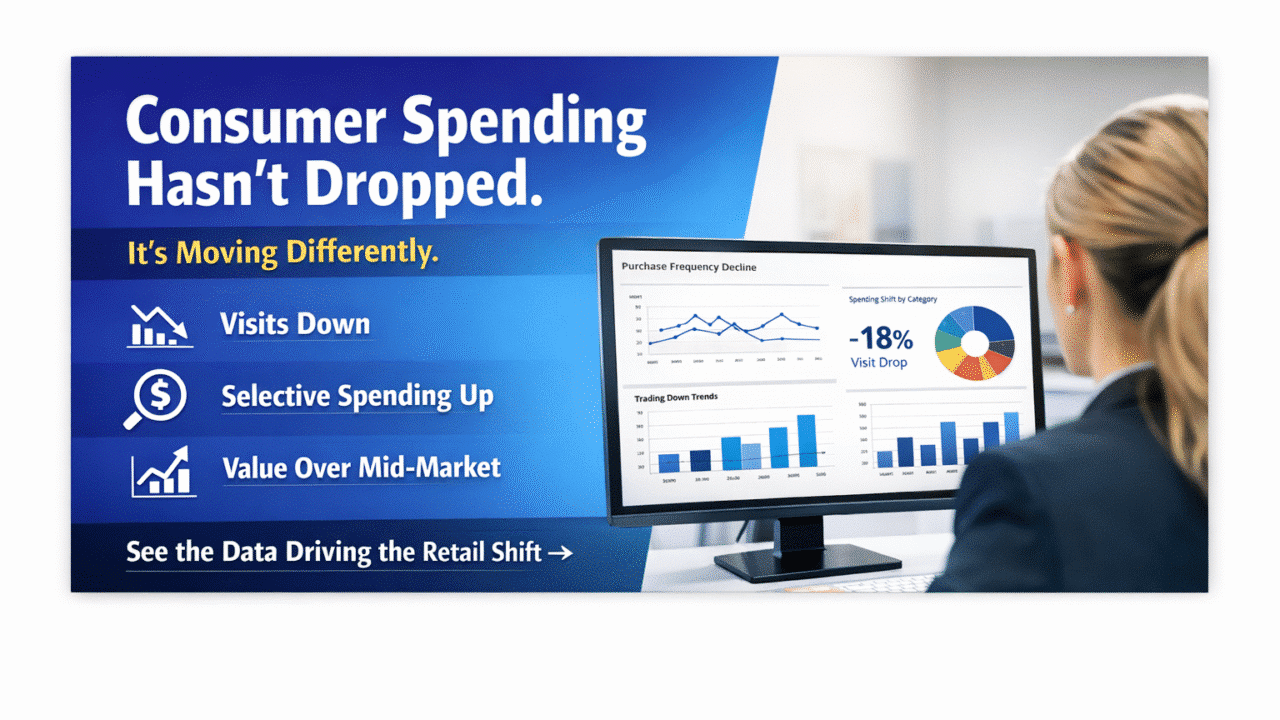
Recent data suggests that up to 80% of new 2025-2026 tariffs have been passed through to core goods prices. However, the 2026 consumer is far more price-sensitive than the post-pandemic shopper of 2021. Today, even a 1% to 3% price jump in hard goods can lead to a 20% drop in sales volume.
The challenge for leadership is identifying the “elasticity threshold.” While Walmart has committed to taking margin hits to keep prices low, smaller retailers are finding they must be far more surgical. Instead of a blanket increase, the winning strategy involves:
-
Protecting Key Value Items (KVIs): Keep prices sharp on high-traffic goods (like milk or basic electronics) to maintain value perception.
-
Segmented Adjustments: Raising prices on differentiated items with less competition while absorbing costs on “price-sensitive” essentials.
AI Agents: The New Pricing Frontline
The evolution of retail pricing strategy is now being driven by agentic AI. We have moved past simple automation into “agentic systems” that can:
-
Predictive Modeling: Simulate how a 10% tariff on a specific SKU will affect cross-category demand.
-
Real-time Benchmarking: Automatically adjust prices based on competitor moves and local inventory levels.
-
Sentiment Analysis: Monitor social media for “price gouging” accusations, allowing brands to adjust messaging before a PR crisis hits.
[Image: Executive reviewing retail pricing strategy and margin analytics]
Offsetting Costs Through Operational Excellence
If you cannot raise prices, you must lower your “cost to serve.” Many retailers are reclaiming their margins by tightening in-store operations. This includes:
-
Reducing Shrink: Identifying operational inefficiencies that cost the industry over $162 billion annually.
-
Labor Optimization: Ensuring that every man-hour is focused on high-value tasks that drive conversion.
-
Private Label Pivot: Consumers are increasingly turning to private brands. By working directly with manufacturers, retailers can control inputs and maintain attractive price points despite trade headwinds.
The Transparency Dividend: Communicating with the Customer
Transparency is the ultimate buffer against shopper frustration. Consumers are generally more accepting of price changes when they believe the reason is fair and unavoidable.
Innovative retailers are experimenting with “Tariff Transparency” line items on receipts or clear in-store signage. A simple message—“We are absorbing 50% of the recent tariff increase to keep your costs down”—can turn a potential negative into a loyalty-building moment.
[Image: In-store signage explaining retail pricing strategy adjustments due to tariffs]
Looking Ahead: The Holiday Horizon
While inventory front-loading protected many during the early months of 2026, the real impact will be felt during the back-to-school and holiday seasons. As J.P. Morgan analysts note, the “Christmas tax” will hit toys, jewelry, and electronics the hardest.
The retailers who win the 2026 holiday season will be those who integrated their retail pricing strategy with deep operational visibility and a clear, empathetic communication plan.