



Dollar Store Trends: Why Wealthy Shoppers Are Trading Down
-
 T-ROC Staff
-
 Mar 24, 2026
 -
 4 mins read
Retail is seeing a shift that doesn’t follow the usual pattern. Higher-income consumers are showing up in places they once ignored. Dollar stores. Discount chains. Value retailers. At first glance, it looks like a response to inflation. But the reality is more nuanced. The latest dollar store trends show that wealthy shoppers aren’t simply reacting to economic pressure. They are redefining how they think about value.
Why Wealthy Consumers Are Shopping at Dollar Stores
It’s easy to assume that trading down signals financial stress. In reality, higher-income shoppers have always been value-conscious. What’s changed is how visible that behavior has become. Inflation has pushed price awareness across all income levels. Even consumers with more disposable income are paying closer attention to how they spend. Instead of cutting back entirely, they are reallocating. They may save on everyday essentials while continuing to spend on experiences, travel, or premium products that matter more to them. Dollar stores are benefiting from that shift.
The Rise of Multi-Price Strategies
One of the biggest changes in discount retail is pricing flexibility. Dollar stores are no longer limited to a single price point. Many have introduced multi-price strategies, expanding their assortment and improving margins. This shift has made these stores more appealing to a wider audience. Higher-income shoppers are more willing to engage when they see better product variety, perceived quality improvements, and options across different price tiers. Retailers like Dollar Tree and Five Below have leaned into this approach, attracting customers well beyond their traditional base.
Trading Down Is About Optimization
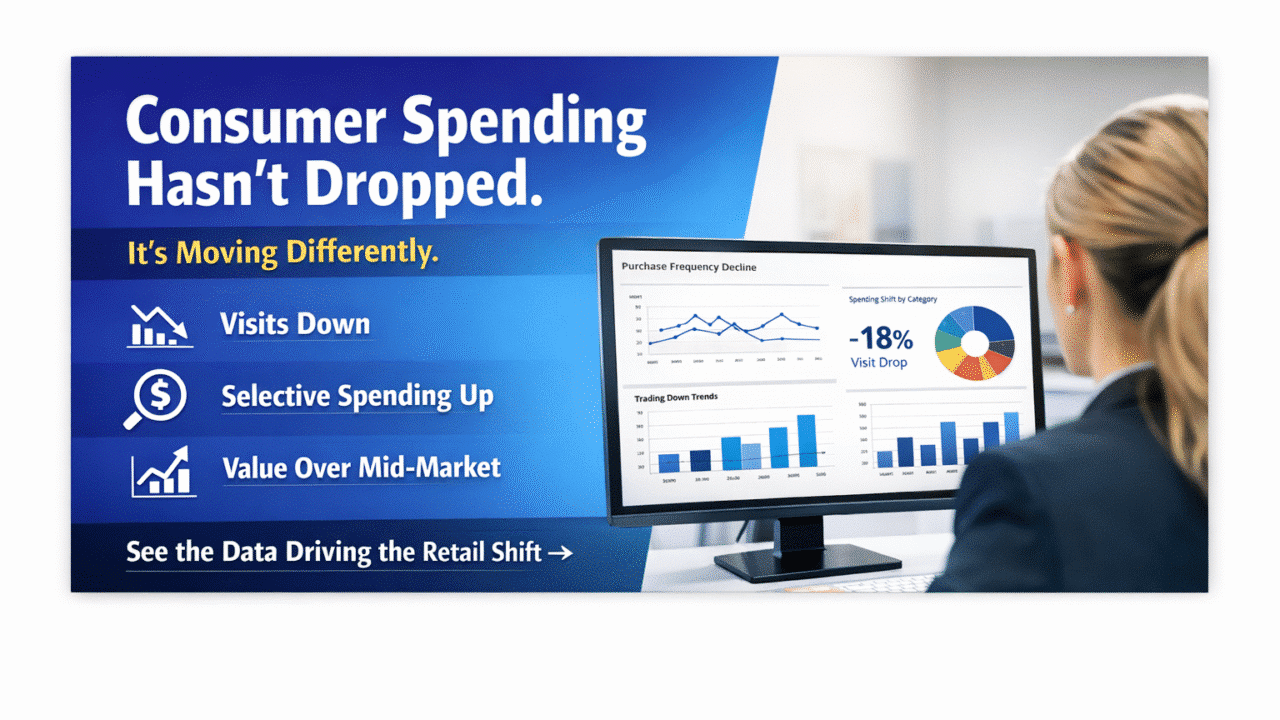
Trading down is often misunderstood. It’s commonly viewed as a reaction to financial pressure. But for many consumers, especially higher-income households, it’s a strategic choice. They are not necessarily spending less. They are spending differently. A shopper might choose a discount retailer for household items while continuing to spend on premium dining or higher-end brands in other categories. This behavior reflects intentional decision-making, not limitation.
The Barbell Effect Is Getting Stronger
Retail is becoming more polarized. On one end, premium brands continue to perform. On the other, value retailers are gaining traction. The middle is where the pressure is building. Mid-tier retailers are losing ground as consumers move either toward lower-cost options or higher-value experiences. This “barbell effect” has existed for years, but it is becoming more pronounced as economic pressure continues. Retailers that fail to clearly define their position risk losing relevance.
What This Means for Retail Strategy
The shift toward value retail among higher-income shoppers is more than a trend. It’s a signal of changing behavior. Consumers are more flexible. More selective. More willing to explore new channels. For retailers, this creates both opportunity and risk. Brands need to understand exactly who they serve. Trying to appeal to everyone often leads to diluted value and inconsistent messaging. Value is not just about price. Assortment, quality, convenience, and experience all play a role in how customers perceive a brand. Retailers must align pricing with what customers believe they are getting in return. Strategy only works if it shows up correctly in stores. Retail execution tools give brands visibility into pricing, promotions, and merchandising across locations, helping ensure consistency and reducing missed opportunities. At the same time, the in-store experience continues to matter. As customers explore new channels, knowledgeable associates can guide decisions, reinforce value, and improve conversion. Assisted sales programs show how human interaction can influence purchasing behavior, even in value-focused environments.
A More Flexible Consumer Is Emerging
The consumer economy isn’t shrinking. It’s shifting. Higher-income shoppers are not abandoning premium brands. They are expanding their options. They are more intentional with spending. More selective about where they shop. More open to moving between price points. This flexibility is redefining how retail works.
Final Thoughts
Dollar stores attracting wealthier shoppers is not a temporary reaction. It reflects a deeper shift in consumer behavior. Retailers that recognize this change will be better positioned to respond. Because the question is no longer where customers shop. It’s how they decide.