
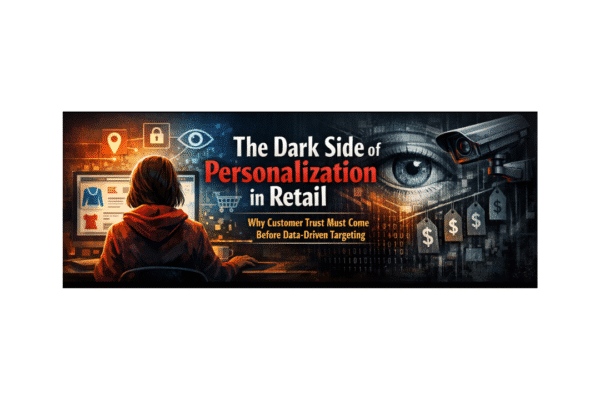




The Dark Side of Personalization in Retail
-
 T-ROC Staff
-
 Mar 16, 2026
 -
 5 mins read
Why Customer Trust Must Come Before Data-Driven Targeting?
Retail personalization once felt like a breakthrough. Shoppers began seeing product suggestions that matched their interests. Websites remembered preferences. Checkout became faster.
For a time, this felt like progress.
Now the conversation is shifting. Retailers are discovering that personalization has a downside. When brands collect too much data or apply it in ways customers cannot easily understand, personalization stops feeling helpful. It starts feeling invasive.
The challenge today is not whether personalization should exist. The real question is how far it should go before it damages trust.
Why Personalization Became So Important
Retailers adopted personalization to remove friction from the buying process. Features like saved preferences, recommended products, and reorder reminders simplify the customer journey.
Common examples include remembering previous purchases, suggesting relevant items, saving shipping details, and sending reminders when products run low.
When these features work well, customers barely notice them. The experience simply feels smoother.
Technology has accelerated this trend. Modern customer engagement platforms analyze browsing behavior, purchase patterns, and interaction history to recommend products and improve engagement.
For retailers, the upside is clear. Personalized experiences can improve engagement, increase conversion rates, and strengthen long-term customer relationships.
But the same tools that improve convenience can also create discomfort if they are used carelessly.
When Personalization Starts to Feel Uncomfortable
Consumers today are more aware of how their data is used. Many have also become more cautious about sharing information with brands.
Customers tend to accept personalization when the benefit is obvious. But they react quickly when something feels intrusive.
Three issues appear repeatedly when personalization goes too far.
The “Creepiness” Factor
The most obvious risk appears when personalization feels like surveillance.
Many shoppers have experienced browsing a product once and then seeing advertisements for it across social media, email, and multiple websites. That moment often triggers a new question in the customer’s mind: how much does this brand know about me?
Instead of feeling understood, the customer feels watched.
The difference between helpful and uncomfortable personalization usually comes down to perceived value. If the experience genuinely helps the customer, it is accepted. If it feels invasive, trust fades quickly.
Inconsistent Customer Experiences
Personalization can also create uneven experiences.
Two shoppers might visit the same store or website and receive entirely different offers, pricing, or messaging. While personalization aims to make interactions more relevant, it can also lead to confusion or perceived unfairness.
Retail brands still need a consistent baseline experience. Policies, pricing, and service standards should feel stable across every touchpoint.
Many organizations now rely on retail execution platforms to maintain that consistency. Real-time visibility tools allow leaders to confirm that promotions, merchandising, and messaging are executed correctly across stores and markets.
Consistency builds trust. Personalization should support that consistency, not undermine it.
Broken Promises Across Channels
Another common issue appears when personalization systems are not connected across channels.
A customer might receive a personalized offer through a mobile app. When they visit the store, however, the associate cannot find the offer. Customer support may not even recognize it.
From the customer’s perspective, the brand made a promise and failed to keep it.
These disconnects often occur when personalization tools move faster than operational systems behind the scenes.
Retailers increasingly rely on mystery shopping and field audits to identify these gaps. Observing real customer interactions helps organizations verify whether the intended experience is actually delivered in stores.
These insights allow brands to fix problems before they damage customer relationships.
Trust Is the Real Foundation of Customer Experience
Many companies treat personalization as the centerpiece of modern retail strategy. But successful brands often see it differently.
Trust comes first.
Customers must believe a brand respects their privacy and uses their data responsibly. Without that foundation, personalization can actually amplify existing problems.
When customers trust a brand, personalization feels helpful. When trust is weak, the same tactics can feel manipulative.
That difference determines whether personalization strengthens loyalty or erodes it.
How Retailers Can Personalize Responsibly
Retailers do not need to abandon personalization. They simply need clearer guardrails.
The first principle is focusing on customer benefit. Every personalization effort should make the shopping experience easier or more useful.
The second principle is transparency. Customers respond positively when brands explain why data is collected and how it improves the experience.
The third principle is maintaining a consistent baseline experience. Every customer should receive the same level of service, fair pricing, and product availability.
The final principle is combining data with human interaction. Technology can guide the customer journey, but knowledgeable store associates still play an essential role.
Assisted sales programs demonstrate how trained representatives can help shoppers understand products, answer questions, and build trust in ways algorithms cannot.
Human insight adds context and reassurance that technology alone cannot deliver.
The Future of Retail Personalization
Personalization will remain a key part of the retail experience. Customers appreciate convenience and relevant recommendations.
What is changing is how personalization is applied.
Retailers are moving away from aggressive predictive targeting and focusing more on relationship-based personalization. These experiences feel natural because they grow from an ongoing relationship between customer and brand.
Examples include remembering past purchases, offering loyalty rewards, suggesting restocks, or continuing conversations across channels.
In these cases, customers understand why the brand has that information. The experience feels earned rather than intrusive.
Final Thoughts
Retail personalization is powerful, but it is also delicate.
The brands that succeed will not be the ones collecting the most data. They will be the ones earning the most trust.
When customers understand why their data is used and how it improves their experience, personalization works.
When they do not, the dark side of personalization quickly appears.