




Retail Operations 2026: Why Efficiency Is the New Profit Driver
-
 T-ROC Staff
-
 Feb 10, 2026
 -
 3 mins read
In the high-stakes world of modern commerce, the definition of “retail operations” has undergone a seismic shift. We have moved past the era where operations simply meant keeping the lights on and the shelves stocked. Today, retail operations is the frontline of margin protection, brand trust, and technological survival.
While much of the media attention remains fixed on “smash-and-grab” robberies, the data reveals a quieter, more expensive crisis: in-store inefficiency.
The $162 Billion “Hidden” Crisis
Recent data from Coresight Research highlights a staggering reality: U.S. retailers in sectors like grocery, drugstore, and mass merchandise are losing an average of 5.5% of gross sales to in-store inefficiencies. This “operational shrink” includes pricing errors, promotional lapses, and out-of-stock items.
For many organizations, the cost of these errors is higher than the cost of organized retail crime. When a product is on the wrong shelf or a promotion isn’t executed correctly, the margin doesn’t just shrink—it evaporates.
Beyond the “Bad-Guy Catcher”: A Holistic View of Loss Prevention
The traditional view of Loss Prevention (LP) as a cost center—a “bad-guy catcher”—is becoming obsolete. Leading retailers are now integrating LP directly into their retail operations teams.
As Johnny Custer of ThinkLP notes, loss prevention must evolve into a profit driver. By analyzing point-of-sale (POS) data alongside back-of-store flow and center-store traffic, operators can identify patterns of loss that have nothing to do with theft and everything to do with training gaps and process failures.
The Physicality of Automation: The “Day 2” Challenge
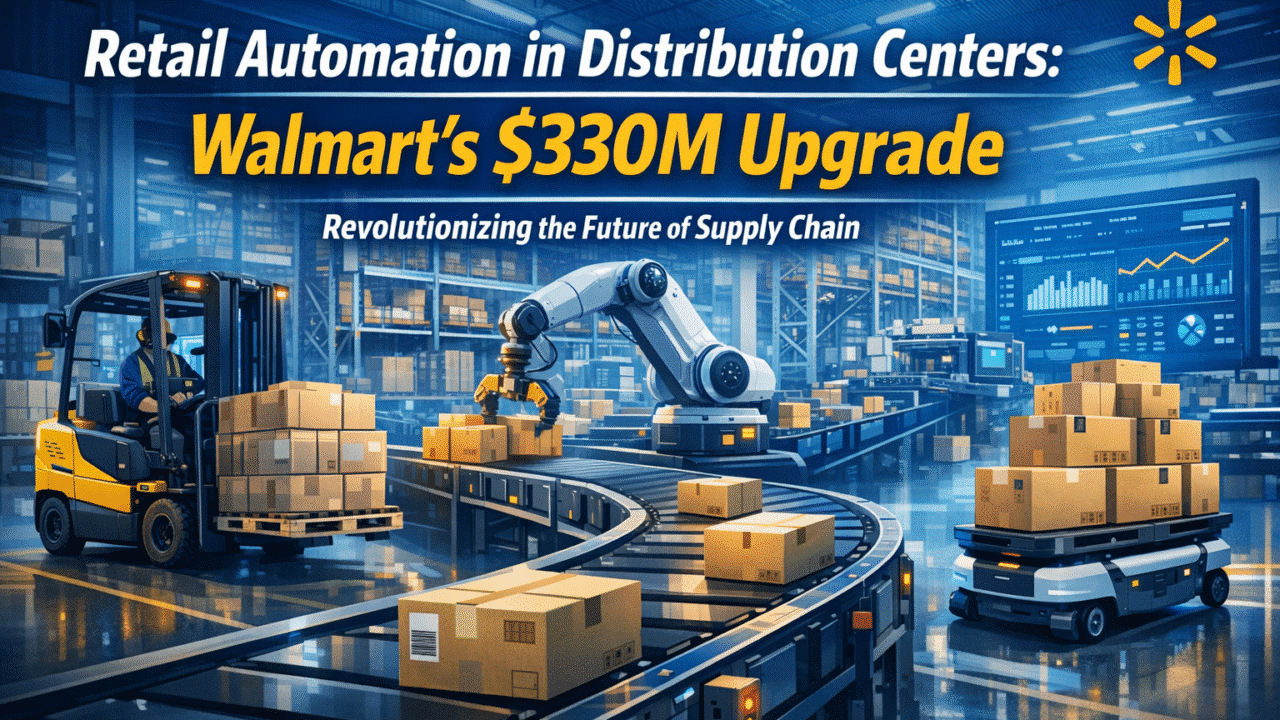
As seen at recent industry events like the Automated Retail & Kiosk Innovation Show (ARKI), automation has moved from digital apps to physical infrastructure. Kiosks, automated food lockers, and smart vending machines (like VIBA) are now foundational to retail operations.
However, the industry is realizing that buying the technology is easy; running it is the real battleground.
-
Uptime as a Metric: In an unattended environment, a broken machine is a binary failure.
-
The Operational Tail: Companies must plan for “Day 2″—the maintenance, hardware refreshes, and 24/7 connectivity required to keep a national fleet running.
The Human Element: Why Understaffing is an Operational Risk
Technology can flag a mistake, but it often requires a human to fix it. A significant contributor to modern shrink is the lack of “count keepers”—the personnel responsible for perpetual inventory.
When backrooms are cluttered and inventory isn’t managed daily, the risk of shrink balloons. Successful retail operations in 2026 require a “Phygital” balance: using AI and store intelligence to find the errors, and a skilled field force to execute the solutions.
Key Pillars for Operational Excellence in 2026
To reclaim lost margins, retailers must focus on three core areas:
-
Data Visibility: Breaking down silos between HR, Supply Chain, and Loss Prevention.
-
Store Intelligence: Investing in computer vision and AI to detect out-of-stocks and pricing errors in real-time.
-
Scalable Field Services: Ensuring that hardware deployments have the logistical support to maintain 99.9% uptime.
Conclusion: Service is the Differentiator
The success of a 2026 retail strategy is decided long after the grand opening. As physical automation deepens its roots in our daily lives, the “service layer” becomes the most important part of the tech stack.