
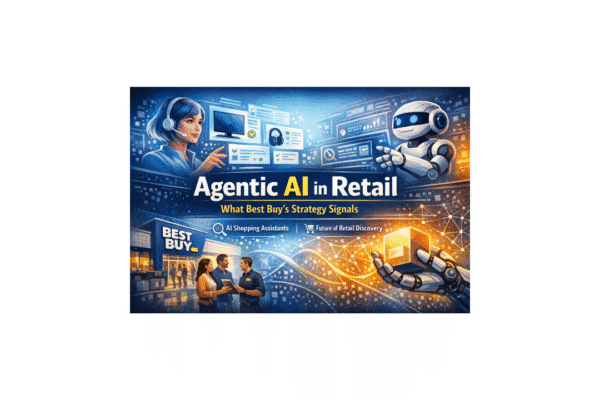



Agentic AI in Retail: From Experimentation to Execution
-
 T-ROC Staff
-
 Jan 22, 2026
 -
 3 mins read


Artificial intelligence in retail is entering a new phase. The conversation has shifted from experimentation to execution, and the implications are reaching every part of the business.
Retail leaders are no longer asking whether AI belongs in their strategy. They are asking where it adds real value, how it changes customer behavior, and what it means for stores, commerce, and execution.
What Makes Agentic AI Different
Agentic AI represents a structural shift, not an incremental upgrade.
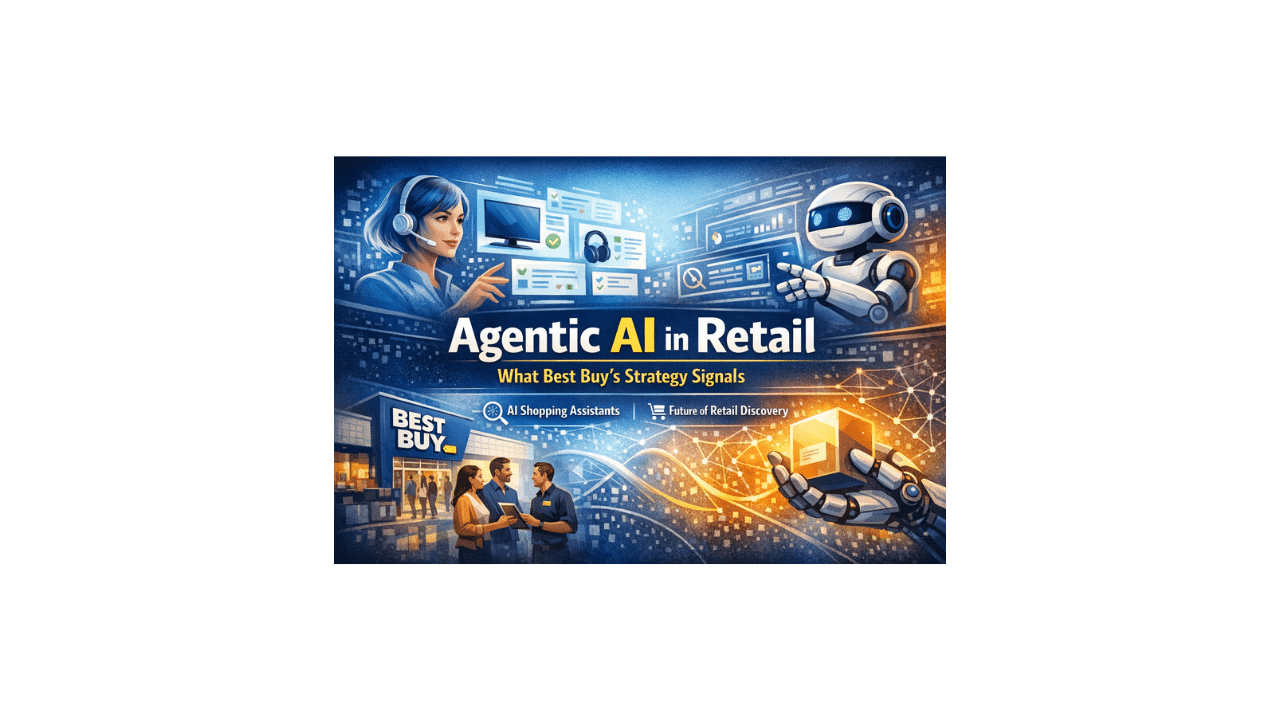
Earlier forms of retail AI focused on search, discovery, and recommendations. Agentic AI goes further. It can interpret customer intent, evaluate options, make decisions, and increasingly act on behalf of the consumer—including completing transactions.
This changes how shopping journeys begin and how decisions are made.
Agentic AI in Retail Is Becoming a New Entry Point
From Search to Decision Support
Consumers are beginning their shopping journeys with AI agents rather than traditional search engines or retail websites. These tools guide decisions by weighing trade-offs and narrowing choices, especially for higher-consideration purchases.
As trust in AI grows across generations, including Gen X, agent-assisted purchasing is becoming more common. This signals a fundamental change in consumer behavior, not a niche use case.
Commerce Is Moving Inside AI Experiences
Transactions Where Decisions Happen
Consumers no longer want to research in one place and buy in another. They increasingly expect to complete transactions within the same conversational interface where decisions are made.
For retailers, this creates urgency and opportunity. Success depends on meeting customers where they already are while delivering the same trusted, friction-free experience expected from traditional channels.
Infrastructure matters here. Retailers must maintain control, preserve trust, and remain merchants of record even as commerce becomes more distributed.
What Agentic AI Means for Physical Retail
Stores Are Evolving, Not Disappearing
Agentic AI does not signal the end of brick-and-mortar retail. Instead, it reshapes the store’s role.
Physical locations increasingly serve as experience hubs, showrooms, and brand touchpoints. Transactions may happen elsewhere, sometimes invisibly, through AI-driven replenishment or delegated purchasing.
Even as sales decouple from foot traffic, younger, digitally native consumers continue to seek in-store engagement. Experience still matters.
From Experimentation to Execution
Why Strategy Matters More Than Pilots Alone
Retail leaders are recognizing that AI cannot live solely within IT teams. Agentic AI must be treated as a core business strategy.
Thoughtful pilots, paired with strong leadership and clear ownership, help organizations move faster without adding unnecessary complexity. Execution depends as much on people and process as it does on technology.
No one has fully solved this yet—and that’s acceptable. The pace of change is real, but early action builds learning, momentum, and readiness.
Where Retail Leaders Should Start with Agentic AI
-
Focus on customer outcomes, not tools
-
Design pilots with clear success measures
-
Prepare store operations for change
-
Align teams around execution and trust
-
Treat AI as a long-term capability, not a short-term test
Retailers that succeed will move with speed and flexibility while staying grounded in execution.
The Bottom Line on Agentic AI in Retail
Agentic AI is changing how decisions happen, where commerce lives, and how customers engage with brands.
Technology will continue to evolve. Results will still be determined by execution—how well retailers connect AI capabilities to real-world operations, stores, and people.
Those who act intentionally today will be better positioned as retail becomes more distributed tomorrow.